
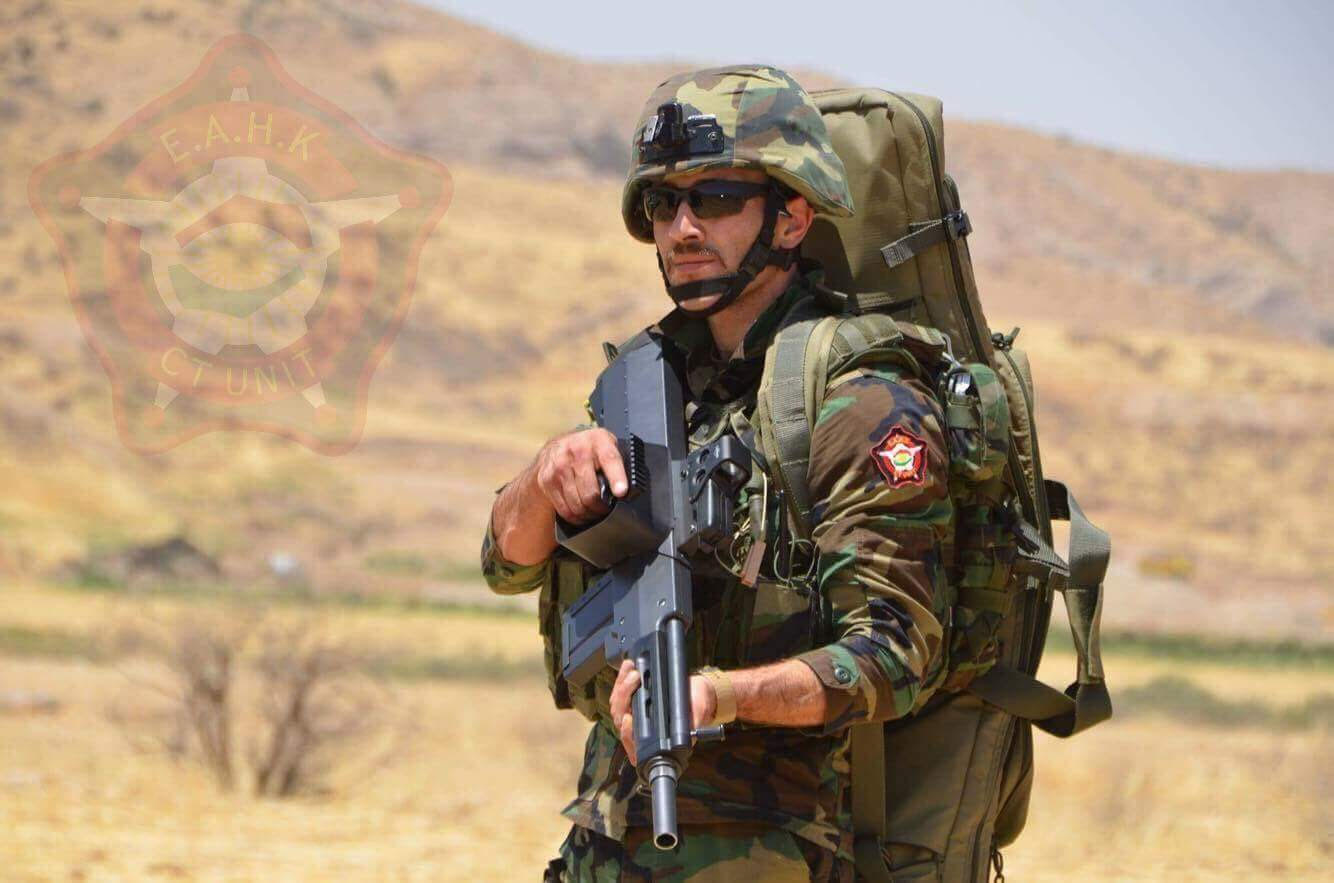
Variants of the South African Denel Praetoria Metal Pressings produced “Inkunzi” direct fire 20x42mm Personal Assault Weapon (PAW)-20 have been spotted in use by the Kurdish E.A.H.K Counter Terrorism Unit. This is one of a number of Kurdish Peshmerga units organized along a special operations or strike force concept, some of the others being the Western Kurdistan Special Forces and the Counter-Terrorism Group (CTG).
 Miles
Miles
Azeri Machine Guns and Anti-Materiel Rifles from 2015
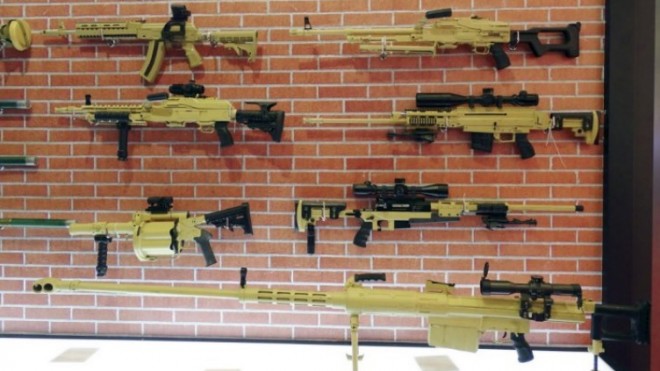
This post first appeared on The Firearm Blog as “Developments from Azerbaijan”.
At the recent IDEF Istanbul exhibition held this past May, Azerbaijan had some interesting developments of various small arms on display. Interestingly there wasn’t any demonstration of their service rifle, the Tavor (similarly, it appears most of the military still has 74s while the Tavor is making its appearance in parades).
Khyber Pakhtunkhwa Province Small Arms Photo Essay
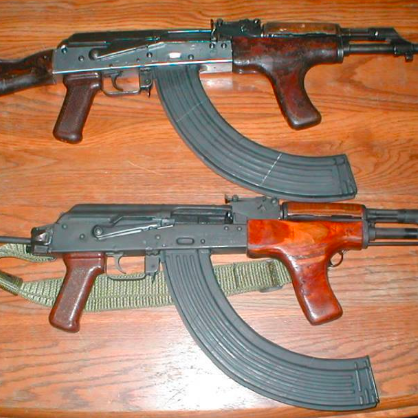
This post first appeared on The Firearm Blog as “Showcasing Peshawar”.
The Durrand Line has divided the countries of Afghanistan and Pakistan since 1893 when the British Empire created it with the king of Afghanistan. More for territorial reasons than ethnic, the line literally splits the Pashtun tribe in two, half of it’s people in Afghan provinces and the other half of them in Pakistani provinces.
French MAS Rifles in Syria, The Syrian Civil War
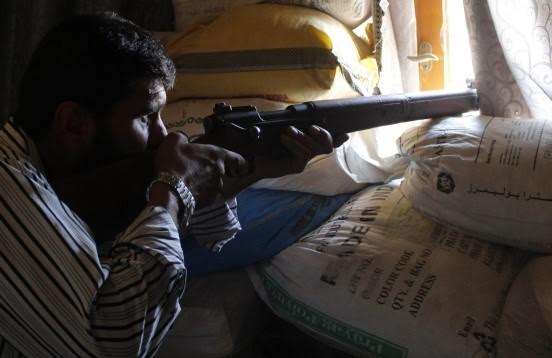
This guest article is brought to us by Bruce Marduel, taking a look at the French MAS series of bolt action and semi-automatic rifles in service throughout Syrian history, and in this case, the current Syrian Civil War.
MAS 36 is the oldest rifle is the MAS family, and even if it entered production before WWII it is still used in an impressive number of countries, including Lebanon and Syria. A MAS 36 was first visible in a 2013 picture of the Syrian Conflict, limited information is available, but it seems that MAS 36 are actually used in combat.
French MAS Rifles in Syria, a Historical Perspective
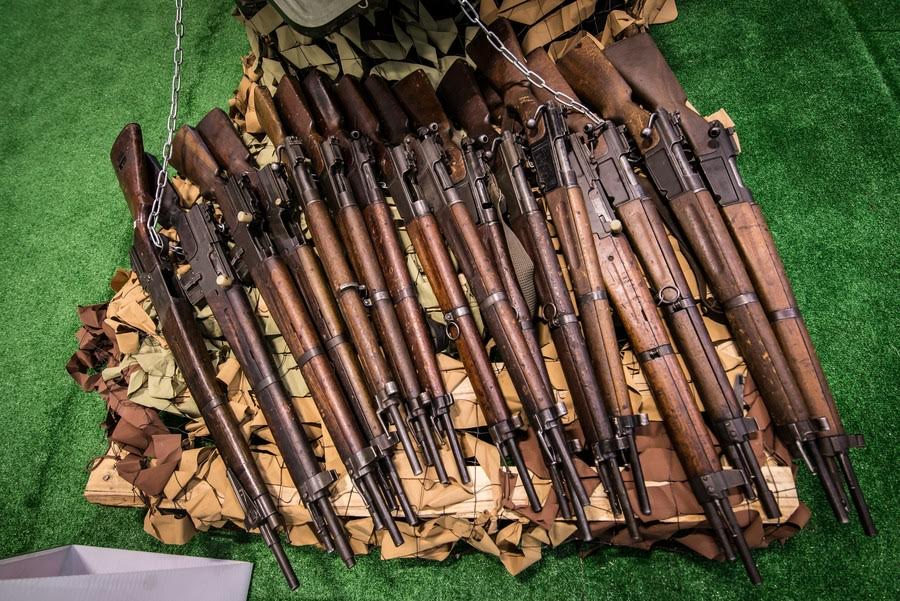
This guest article is brought to us by Bruce Marduel, taking a look at the French MAS series of bolt action and semi-automatic rifles in service throughout Syrian history.
There are plenty of exotic and obsolete weapons in the Middle East, and ancient French weapons produced by Manufacture d’Armes de St-Etienne can be spotted regularly in Syria along with StG 44, Mosin-Nagant and other relics.
Most of the rifles produced for the French Army during the XXth century were produced by Manufacture d’Armes de St-Etienne (MAS) : from the bolt-action Fusil à répétition 7.5mm M.36 a.k.a MAS 36, to the Fusil d’Assaut de la Manufacture d’Armes de St-Etienne also called FAMAS. The MAS 36 equipped the French Army since the 1930’s, followed by MAS 49 and MAS 49/56 after WWII. These rifles have a very long service life both in France and overseas.
MAS 36 arrived in the Middle-East during the Mandates and Second World War, back then France ruled over Syria and Lebanon, and French troops used MAS 36. During WWII, the French authorities of the Regime de Vichy (allied with Nazi Germany) declared Lebanon independent in 1941, the decision was confirmed by Free France and Charles de Gaulle, so the country became independent after WWII. The armed forces from newly-independent Lebanon used MAS 36 as a standard-issue rifle until the 1950’s when FN FAL replaced them. Lebanese MAS were kept as a reserve rifle or sold on the civilian market, so that they are visible among militias during the 1958 troubles in Lebanon.
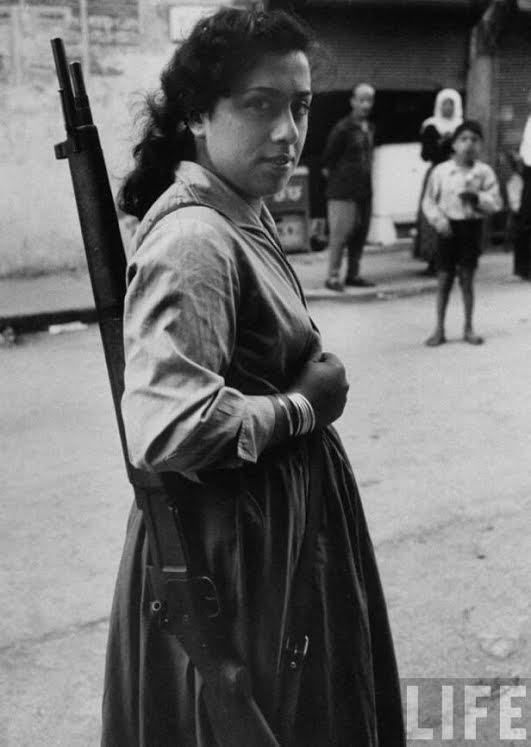
Civilian MAS 36 in Beirut, 1958
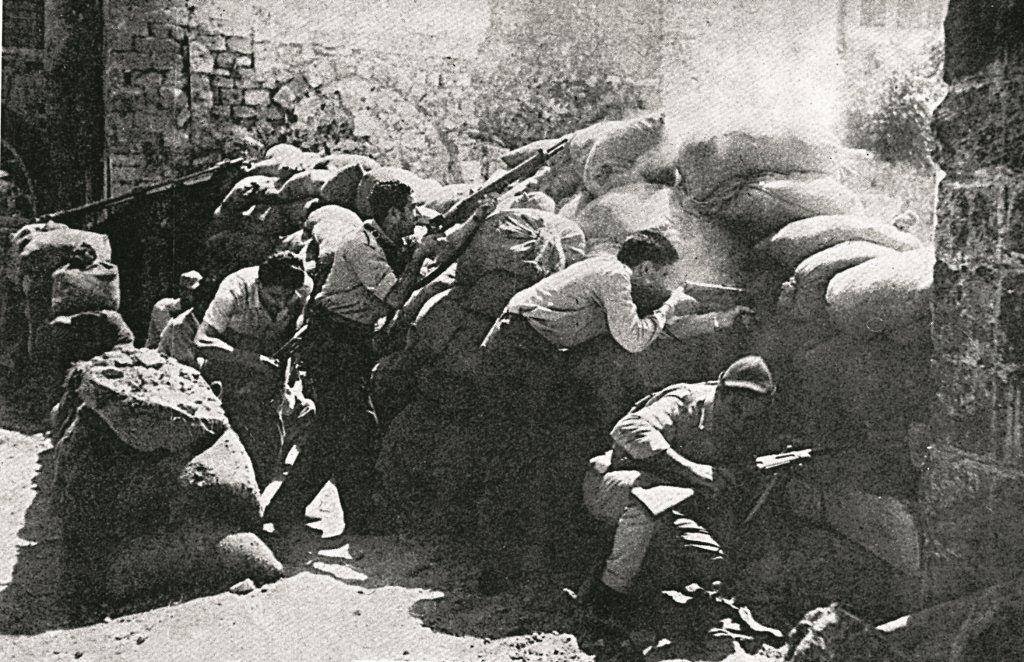
1958 unrest in Lebanon
The most significant shipment of MAS rifles to the Middle-East took place in the early 1950’s, when France delivered weapons to Syria : six-thousand « Syrian contract » MAS 49 (serial number F3XXXX), twelve-thousand MAS 36 and a production line for 7,5x54mm ammunition. Photos of the Syrian Independence Day show the subsequent evolution in the armament of Syrian troops from 1946 to 1966 :
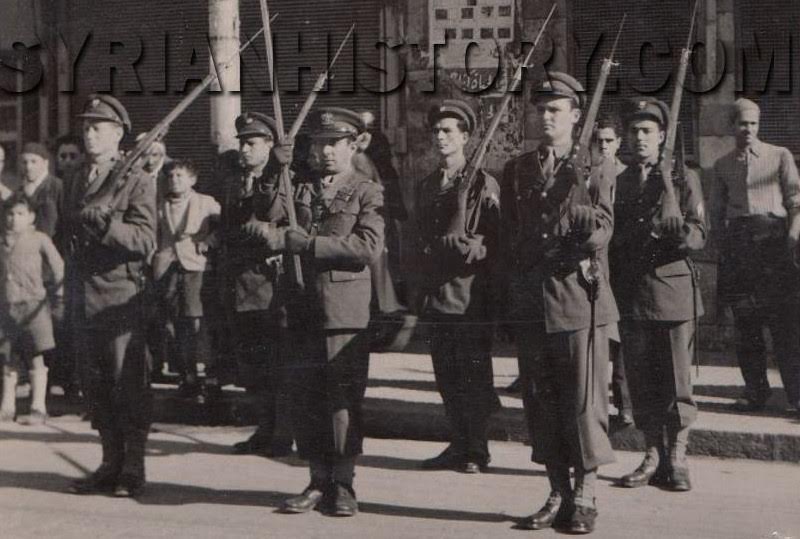
1946 parade with WWI Lebel
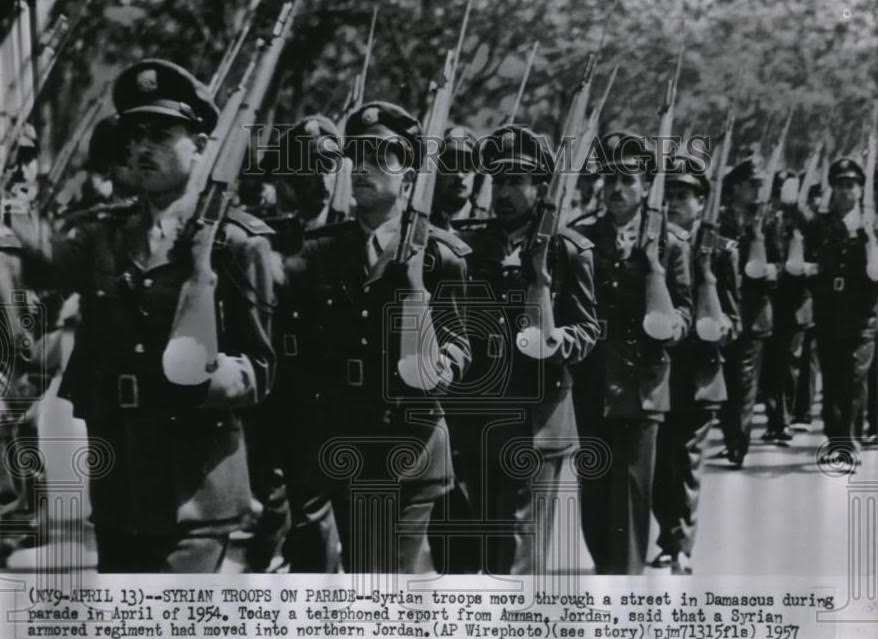
1954 parade with MAS 36
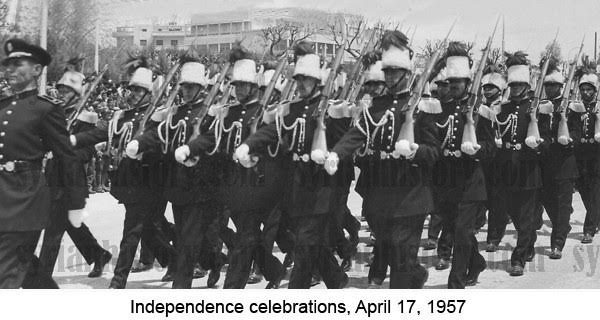
1957 parade with MAS 36
When Syria got closer to the Eastern Bloc (Baath putsch in 1963, and pro-soviet wing takeover in 1966) the Syrian army abandoned french rifles and adopted Kalashnikov, as showed in the video of the 1966 parade.
Use in Syrian Civil War
.
Silah Report on Gun Freedom Radio
In September we were interviewed by Cheryl Todd of Gun Freedom Radio about what Silah Report and its mission. Cheryl runs a Podcast based in Arizona that focuses of issues within the gun debate in the United States, but took some time to take a look at what we are all about at SR!
Silah Report Announces Small Arms Working Reference Collection
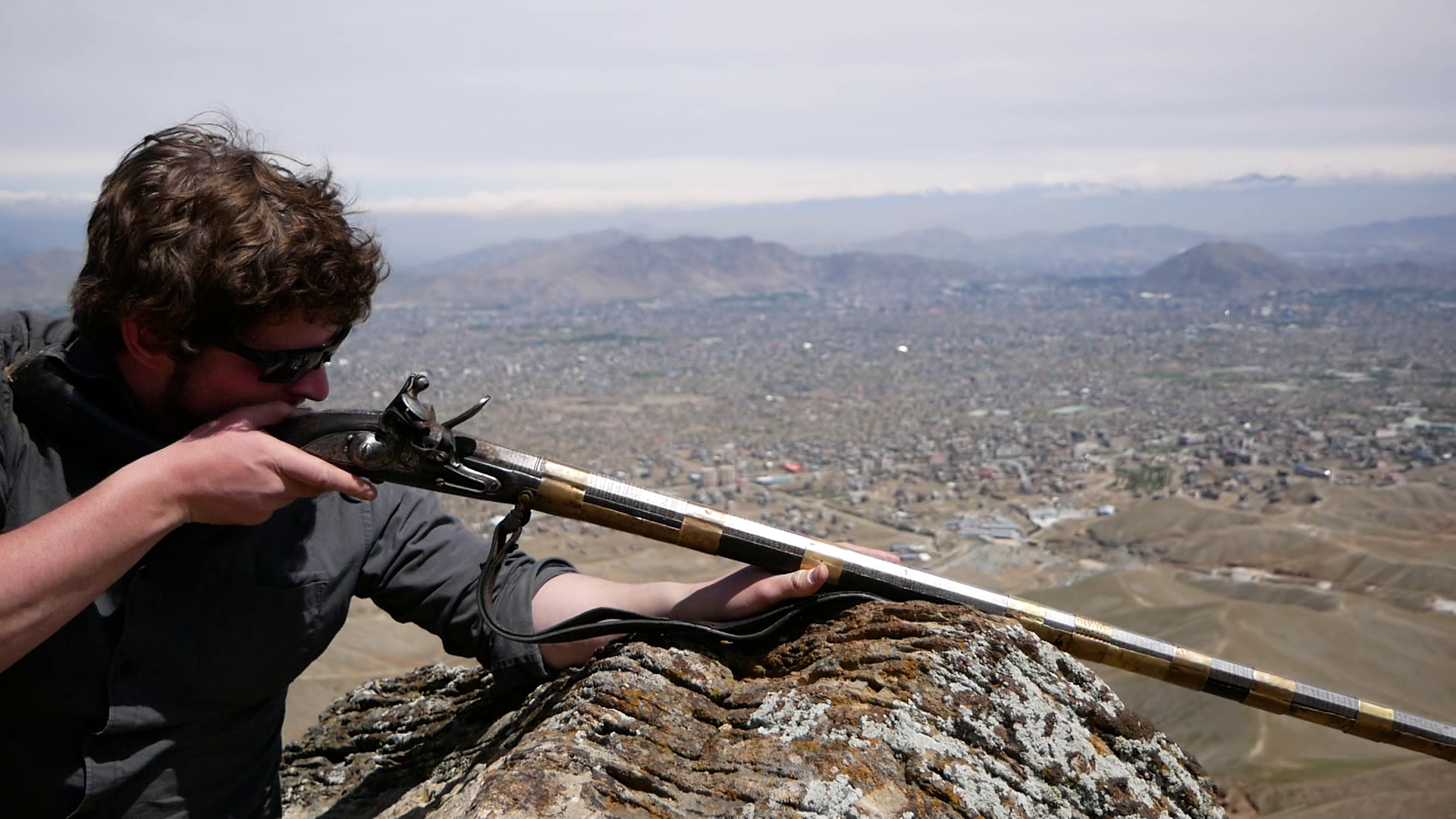
It is often said among academics to work within the “Primary Sources” in order to have the most qualitative work while conducting research. At SR, we take this effort to heart and have been visiting numerous reference collections in the United States, not to even mention what we’ve collected and looked at in person while overseas in the regions that we study. Museum collections are fantastic and provide researchers an intricate look into what is out there. But due to our site’s location based in the United States, there is a legal firearms market that offers so much when it comes to studying small arms within the MENA and Central Asian Regions.
To that end, we’ve established a working reference collection that is primarily to be used by researchers associated with SR, but will of course be made available to any researcher with a legitimate interest in studying the small arms from these regions. Now, this is a “Working” collection and not a “museum” collection that primarily serves to conserve the artifacts within it. Unless it will drastically damage the firearm, we are absolutely interested in taking these old (and new) guns apart and of course firing them to gain insight into their operation.
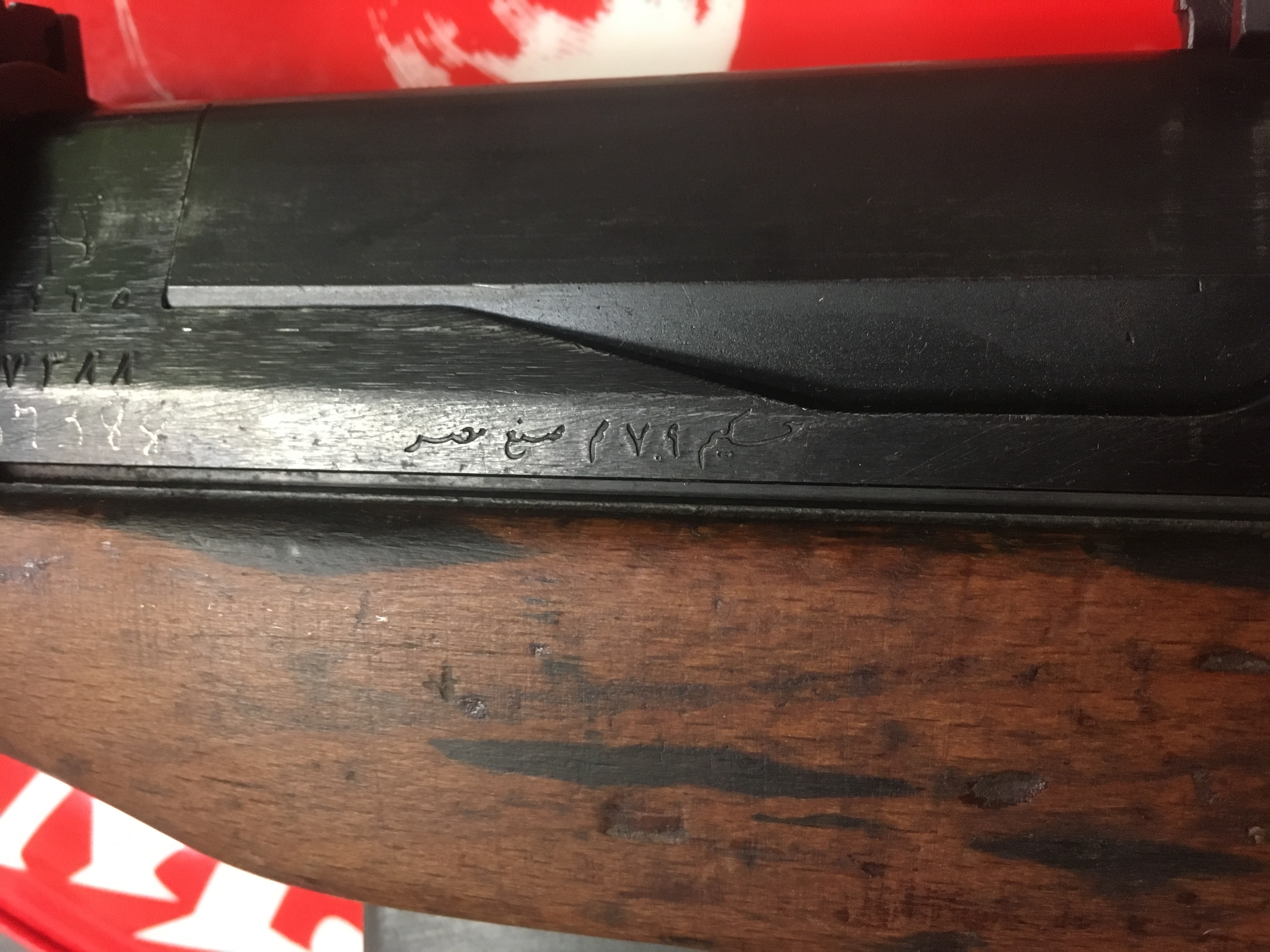
Another point here is that the firearms coexist with their various accessories and accouterments, whether that be in a civilian or military capacity. Whether that be an Egyptian rifle sling or a leather Kurdish chest rig with ornate decoration covering it, all these come together to tell a historical story of religion, culture, and politics intertwining together sometimes in tragedy and other times in triumph.
Currently, the working reference collection can be viewed here as one of the components of our website.
We also have a simple ad posted on Armslist.com trying to get in touch with prospective sellers of what we are interested in. Of course, we cannot be buying everything, but we can be buying certain specimens that are good and genuine representatives of our subject matter.
Silah Report Interviewed by Brent Grayson, Host of Tactical Pay Podcast
Thanks to the host of Tactical Pay, Brent Grayson, Silah Report had the humble opportunity to discuss our research and why we as a team feel it is extremely important to cover the topics that are interesting to us here at SR.
The Podcast can be listened to here on Tactical Pay’s website.
As mentioned on the website, some of the areas of conversation that we covered are listed here-
- How his tours in Afghanistan led him to start the Silah Report.
- What it’s like to be a combat marine in an undergraduate classroom.
- Why Miles chose to study Farsi and Pashto at Indiana University at Bloomington.
- How the Silah Report gets inside scoops on arms trafficking.
….
Furthermore, for those interested in learning more about the countries that make up MENA, the Silah Report offers a region country database. In order to understand the news coming out of those nations, as well as better understand conflicts in those regions, knowledge of the countries is crucial. Miles Vining’s time in the military has had a tremendous impact on him, and informs everything written on the Silah Report.
A Primer on Kabul Arsenal Martini Henry rifles
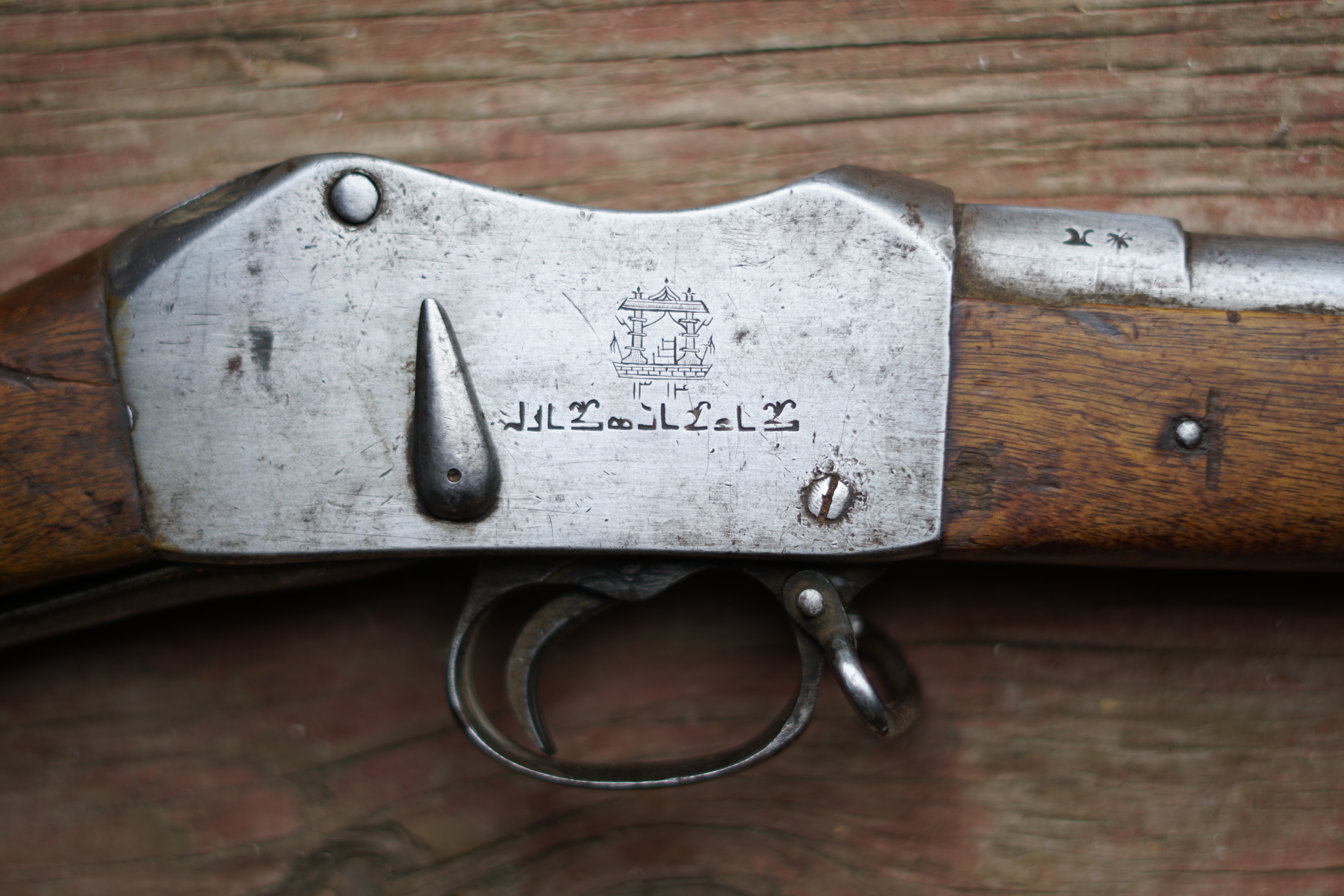
Jeffory is an avid reader and support of SR. This is his second guest article, the first being about a P’08 Luger found still working in Helmand province.
There was a time when anything that came out if Afghanistan was considered a “fake” Khyber Pass copy. Well, today we know this is simply not true. The British crown with the help Emir Abdur Rahman set up a modern arms and munitions factory in Kabul. Called, Mashin Khana by the locals. Today, we know it as the Kabul arsenal.
The Kabul machine works is a little-known and often very misunderstood producer of small arms. However, due to our recent involvement and presence in the region, products of this Armory are now making their way to the collectors Market in the United States. Often, when these rifles are encountered, they are Miss labeled as Khyber Pass made knock-offs and tossed aside as junk. This however could not be further from the truth. They are in fact rare and very under-appreciated firearms.
It is estimated that, between 5 and 8000 of each type of Martini-Henry variants may have been produced. Which, seven major types have been identified and classified. Extrapolating from there puts production figures between 35 and around 56,000 pieces. (V.Easley)
These figures do not take into account attrition, damaged or any rifles that were “lost.” Furthermore, these rifles were frequently scrubbed of there legitimate Kabul arsenal stamps. Then, they were re-stamped to make fake I.C.1 carbines and “Enfield” stamped Martini’s.
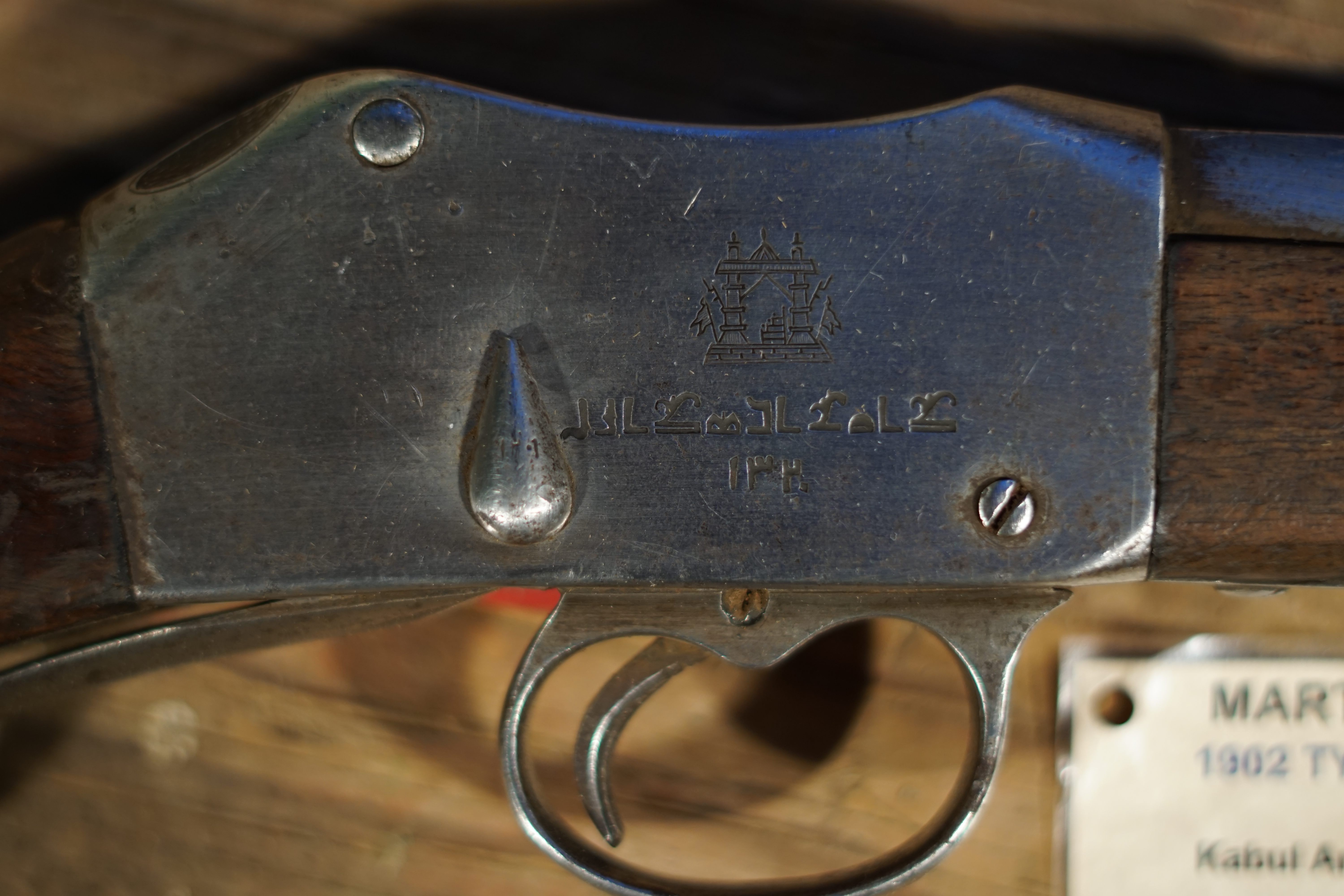
This was done by enterprising tribesmen for three reasons. The first being, to take advantage of the world known name and reputation of R.S.A. Enfield. The second, to take advantage of the antique rifle status of pre-1899 dated firearms. And the final, most important reason to go through all this work, to make money. More specifically, to make money off of American servicemen.
Taking these variables into account would put the number of surviving, originally produced examples somewhat lower. It is unknown at this time how many examples are currently in the United States, but one would reasonably assume far less than original production numbers. Making such examples, in my opinion, fairly rare to encounter.
(*NOTE- well these rifles have fake stamps on them to make them into “more desirable” models. They are still fully operational firearms. They are not to be confused with the poorly made and unsafe Khyber Pass knock-offs).
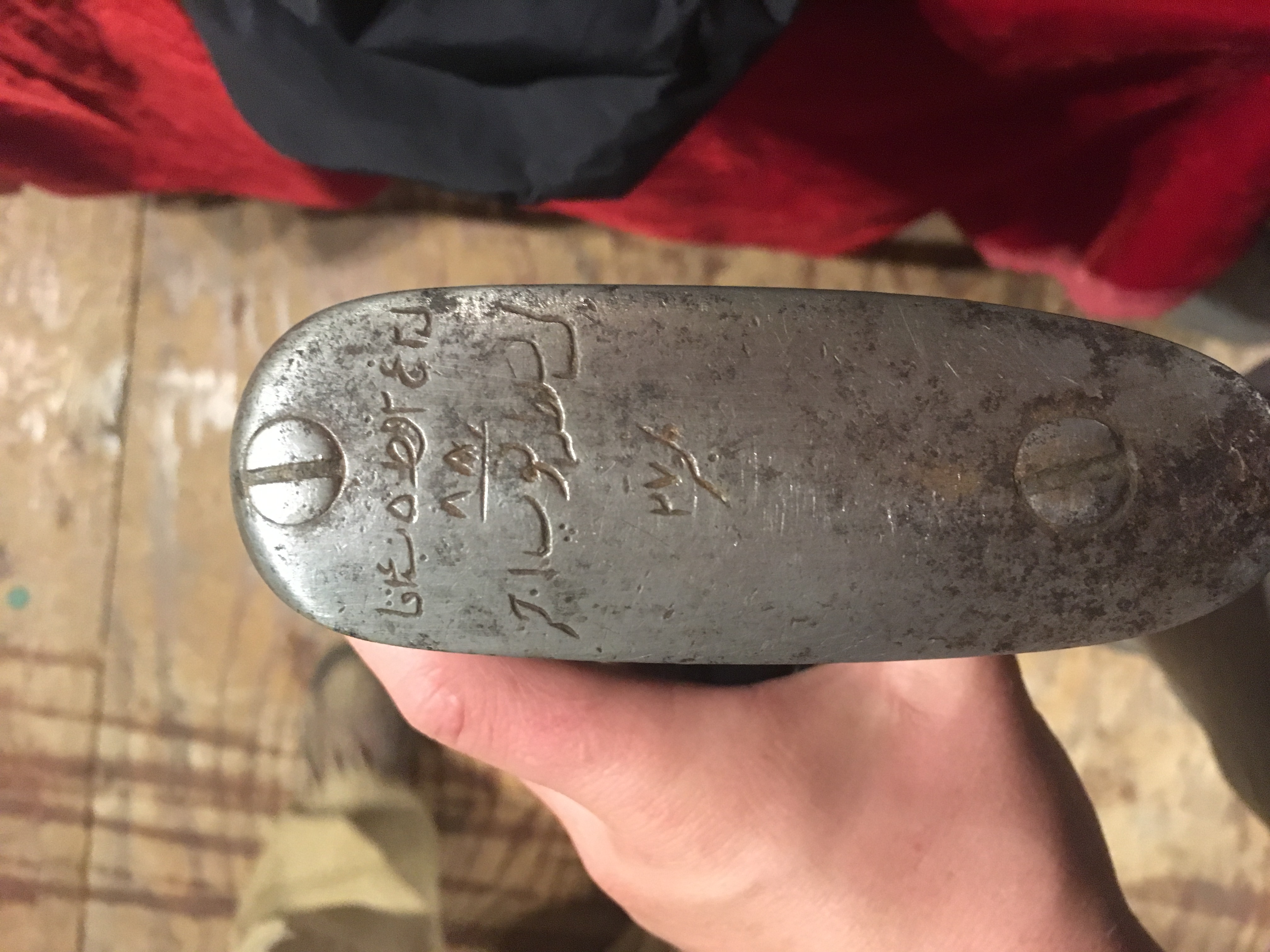
Afghanistan, as we might recognize it today, begin to take shape after the second Anglo-Afghan war. (1878-1880)This was a decisive British victory. From which, they installed a new, far more cooperative Emir, Abdur Rahman. He is considered to be the father of the modern state of Afghanistan. And with a modern State, you need a modern Army, and to have a modern Army so, you must have modern Small Arms. And the capability to produce them indigenously. All of which, the Emir was far too aware of.
Images credited to V. Easley Collection.
To be continued…
Essay: Use of the AKS74U “Krinkov” in Iraq and Lebanon
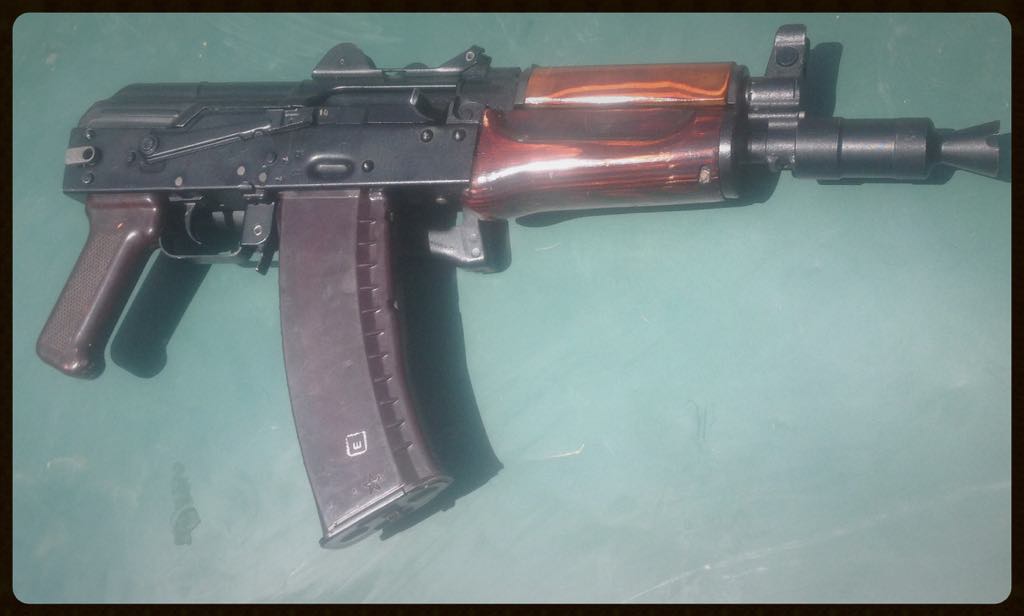
This article has been submitted to SR by a loyal friend and fellow small arms enthusiast in Iraq, discussing some of the proliferation of the AKS74U “Krinkov” within Iraq and Lebanon, in addition to its use in the region.
The AKS74U is often called the little beast in Iraq. Many people spoke about it’s history, action, production, development, etc. But I want to speak about two main topics: First is AK74 in general and AKS-74U within contemporary history in the Middle East. The second topic is AKS74U history and variants in Iraq.
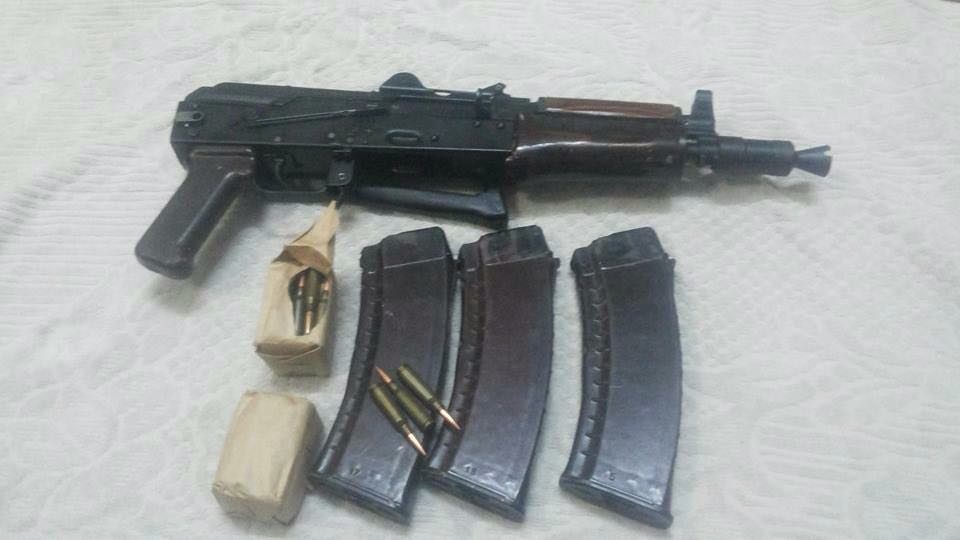
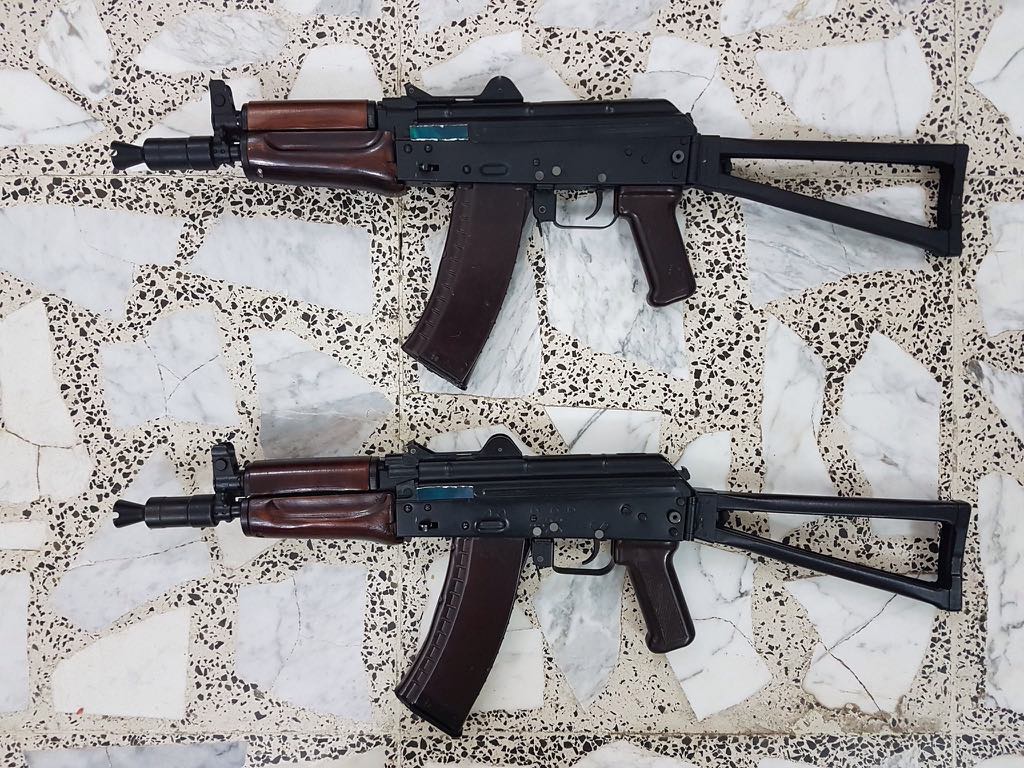
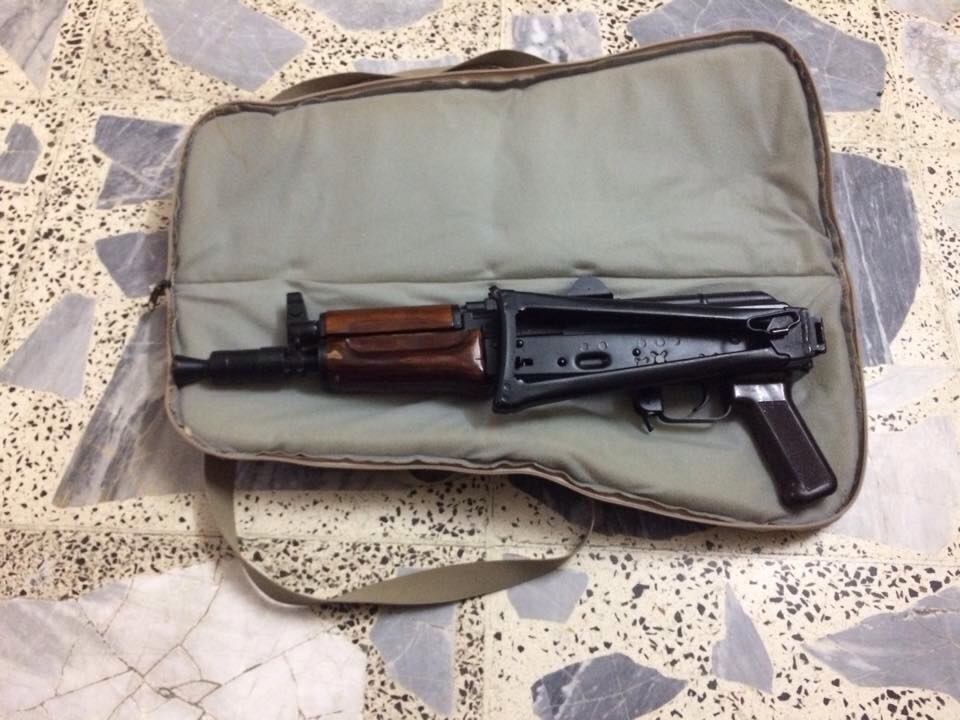
In the Middle East, the AK47 platform had a long history since the 1950s as most of the countries supplied their armies with it either from USSR or other manufacturers (Polish, Bulgarian, Chinese, etc… ) but as I mentioned it was AK47 that was mainly in use until the Syrian conflict in 2011 and the Russian role in 2015 when the AK74 was introduced in significant numbers from the Russian forces and also from some ISIS members who came from Chechen or other former Soviet territories. The version is mostly AK74s with some AKS74Us in very small numbers.
Lebanon had a little history with AKS74U as Mr.Hasaan Nasrallah’s (leader of Lebanese Hezbollah party ) bodyguards use it as their main firearm , there are is some information that Mr.Hasaan Nasrallah sent a couple of hundred of Krinkovs to the Iraqi section of the Hezbollah party after liberating Takrit from ISIS in April 2015 as a gift to Iraqi fighters who showed bravery in the battlefield.
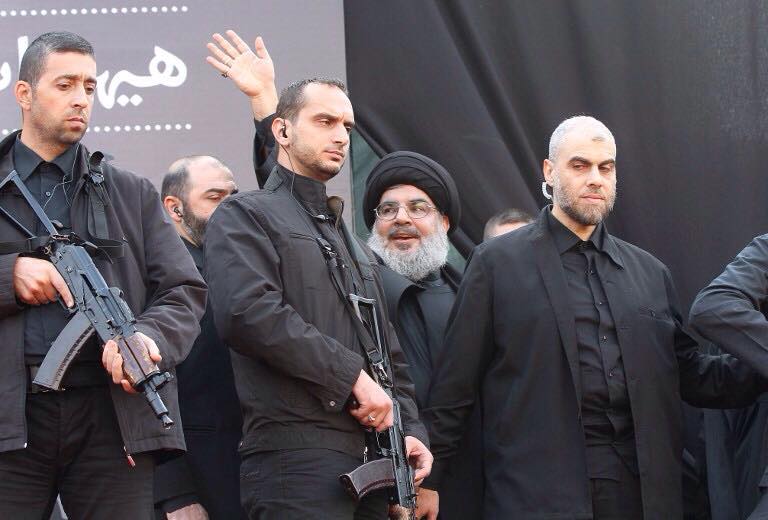
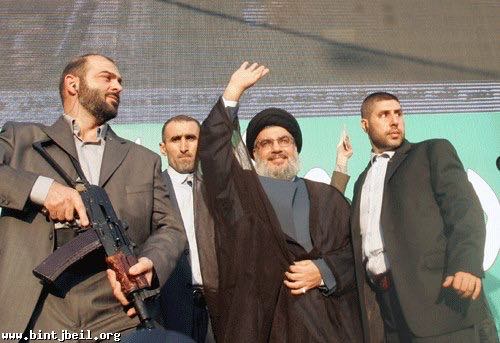
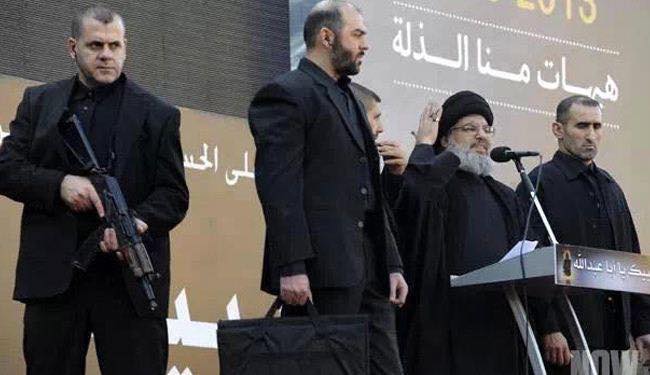
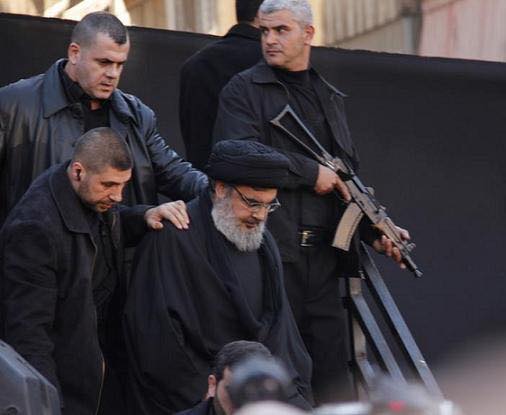
In Iraq, many Krinkovs found their way to the black market either from the Lebanese gift or from smuggling through unknown routes, the main difference among those is that the Lebanese Krinkovs were 1987 and 1988, never fired with 2 spare mags (in most of these cases) but the others were earlier production 1986 and 1985.
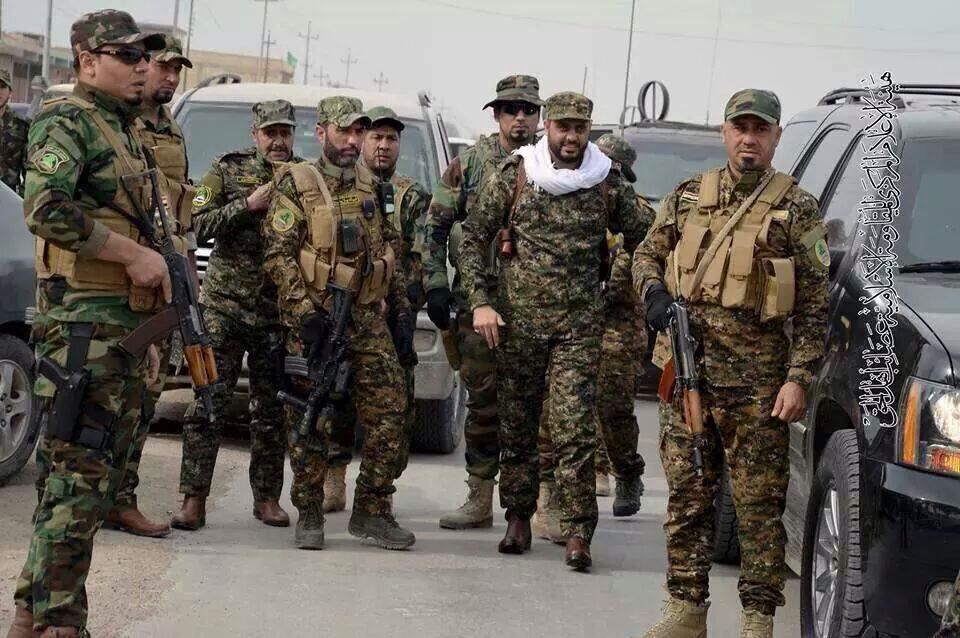
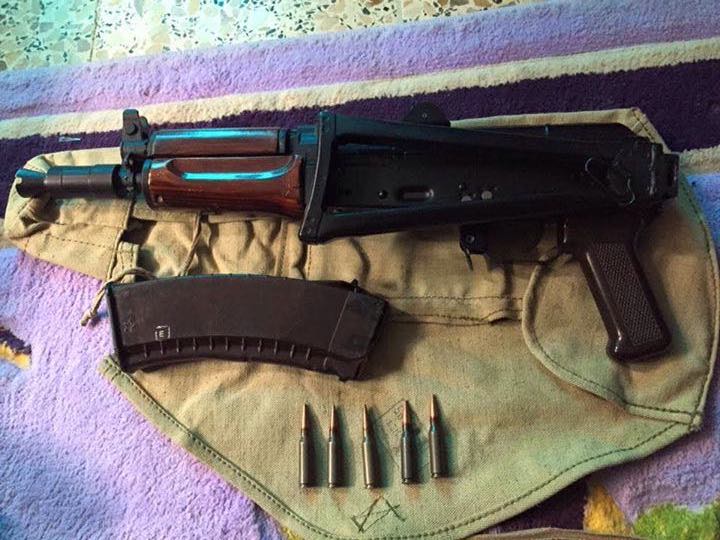
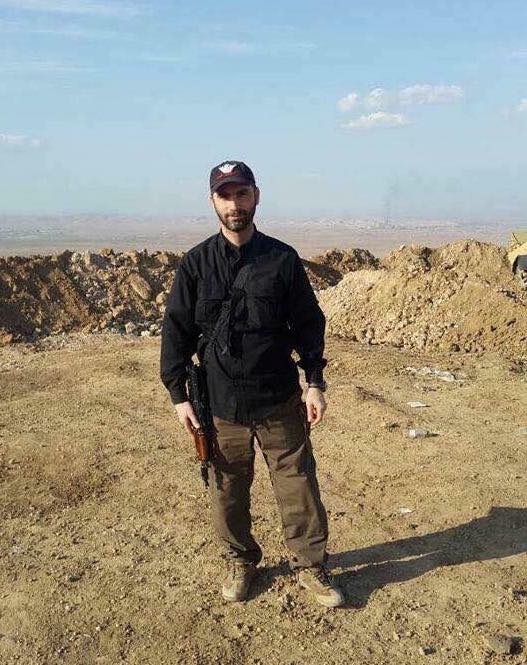
After the United States took down Saddam Hussein in 2003, a videotape was leaked showing Saddam’s son, Qusay, shooting Krinkovs with his son, Mustafa. The video is recorded in the late 1990s or early 2000s when I can be sure that it was a special order with other AK74s.
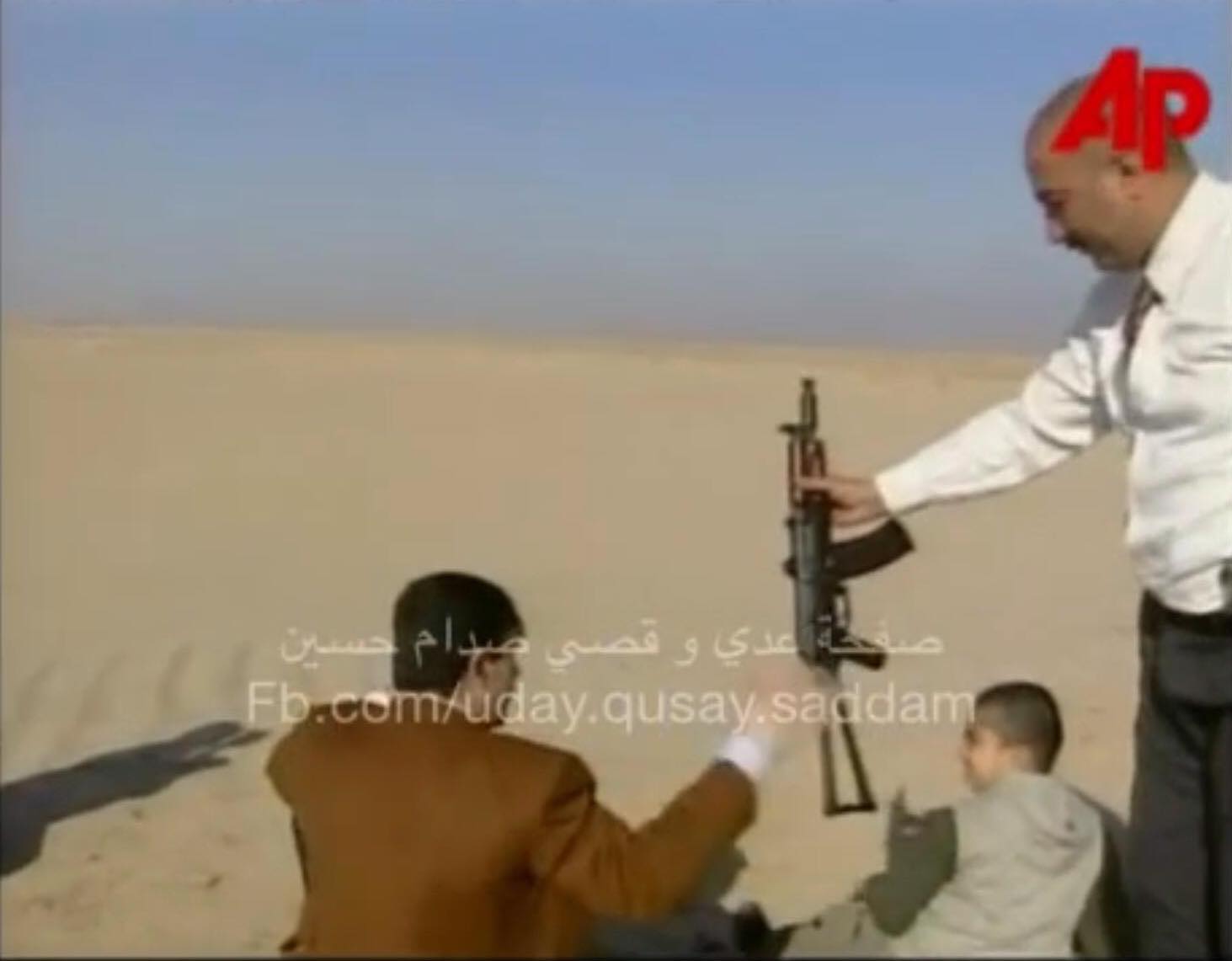
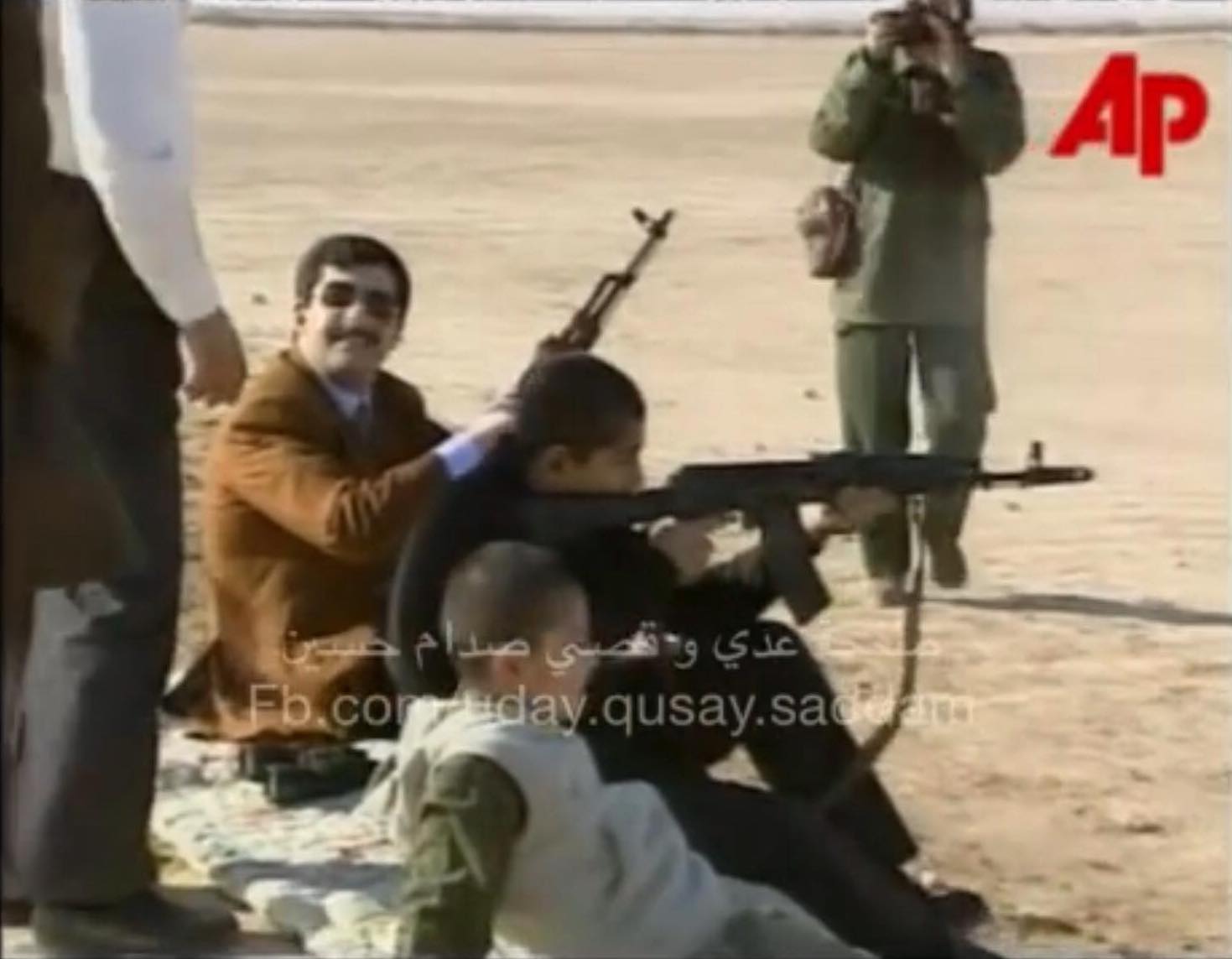
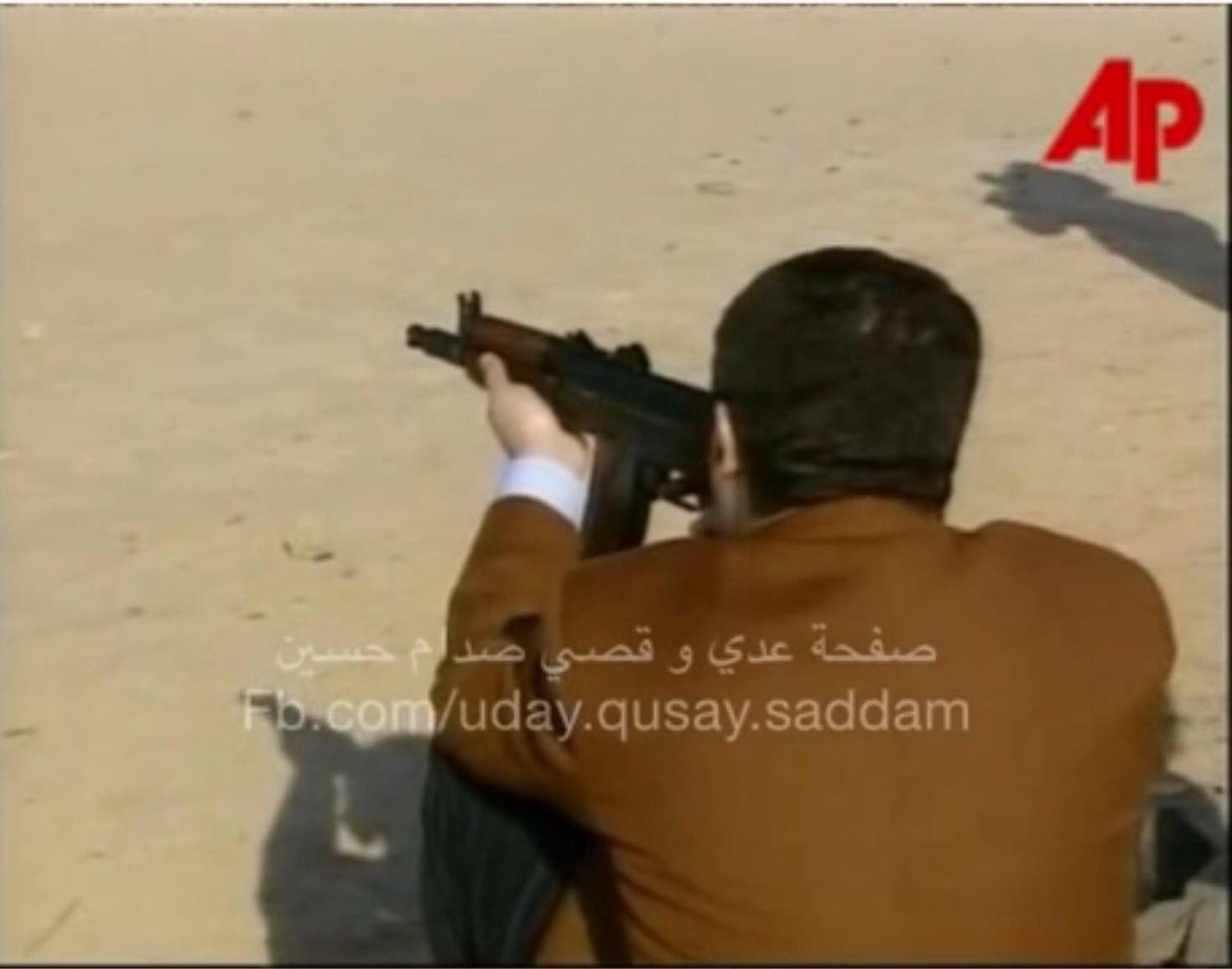
I think the number of Krinks in Iraq is less than one thousand pieces which is not used by the official government military or police forces but used by some politicians and Muslim clerk’s bodyguards. In addition to private individuals who can offer about $4000-5000 to own “The Beast”