
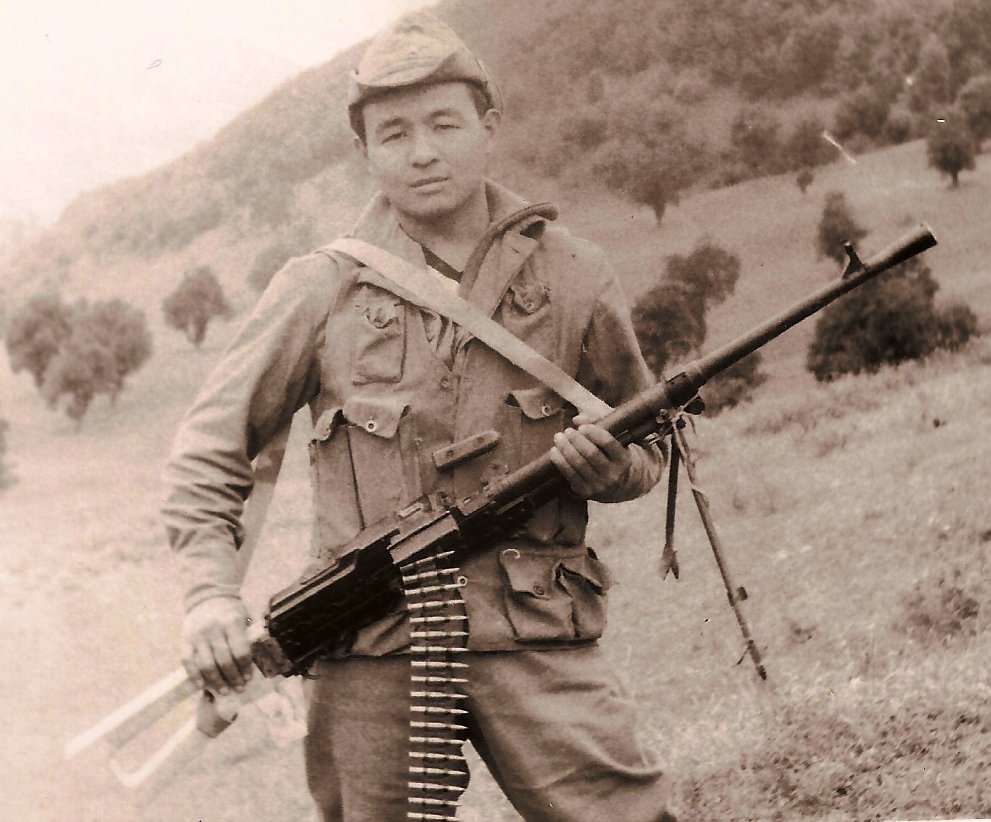
If you visit the Russian Wikipedia page about the PK machine gun, you will see a rather interesting image (see above) showing a soldier who holds a rather unusual “homemade” conversion of the PK machine gun. According to the article, the soldier on the picture represents the Artsakh Republic Defense Army. The picture was supposedly taken in 1992 during the Nagorno-Karabakh War.
 Hrachya H
TARIQ Pistol Attributed to Saddam Hussein
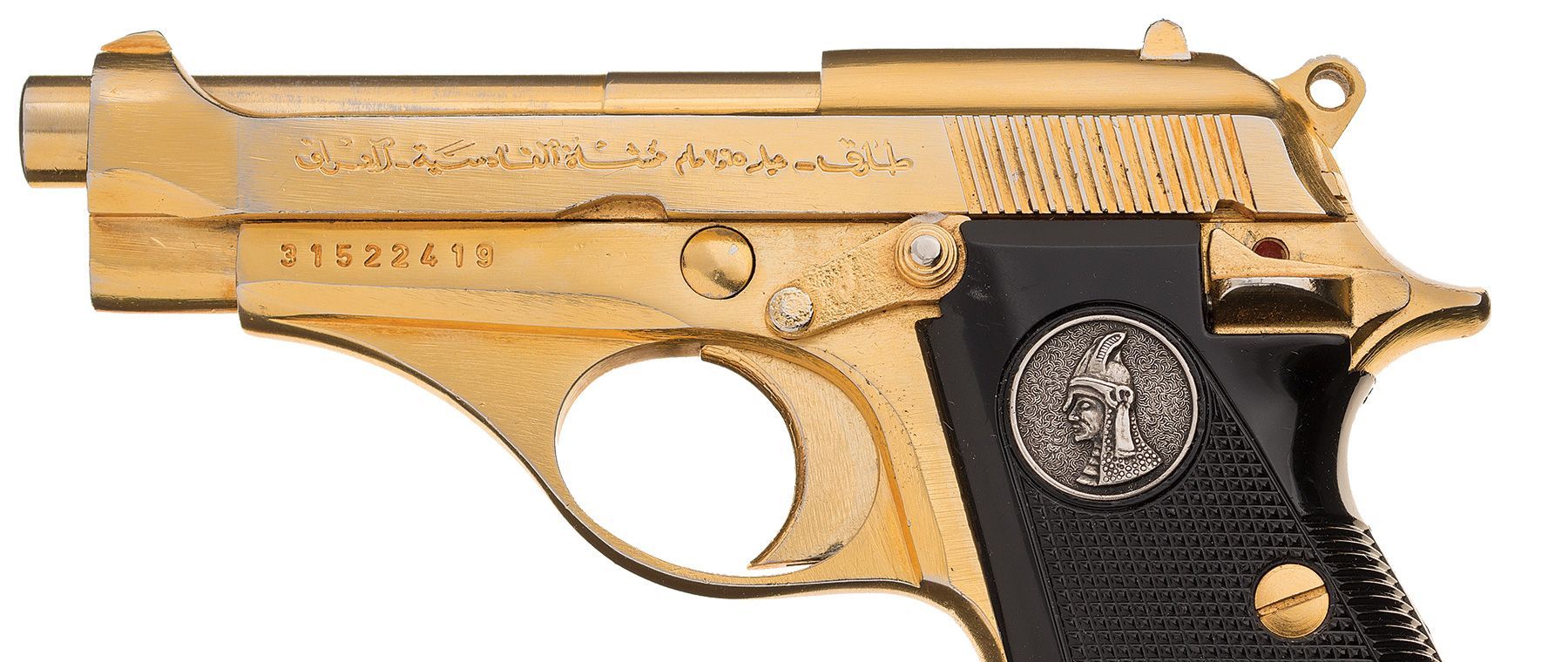
In Rock Island Auction Company’s recently ended December 2018 Premiere Firearms Auction, among a huge variety of rare and unique firearms, there were a couple of lots that should be especially interesting for the Silah Report audience. Particularly, in this article, we’ll take a brief look at the Tariq pistol that was allegedly presented to Saddam Hussein.
Iranian PPSh-41 Production During the Second World War
In the interwar period, Iran’s military industry was primarily dominated by the German investments. In 1933, with the German support, Iran established a powder plant in Parchin (25 kilometers to the south-west from Tehran). Starting from 1934, Tehran Military Arsenal started assembling Mauser rifles from parts kits imported from the Czechoslovak Republic with only stock being locally made. Later they started manufacturing these rifles in Fritz Werner factory which was another plant built by Germans. There was also an ammunition plant and Krupp artillery shell manufacturing plant established in Sultanabad. In 1940 Germany built a gas mask manufacturing factory near Tehran. A German and Czech joint company called “Nabar” was building a new plant in one of the districts of Tehran that was supposed to make ZB-26 and ZB-50 machine guns.
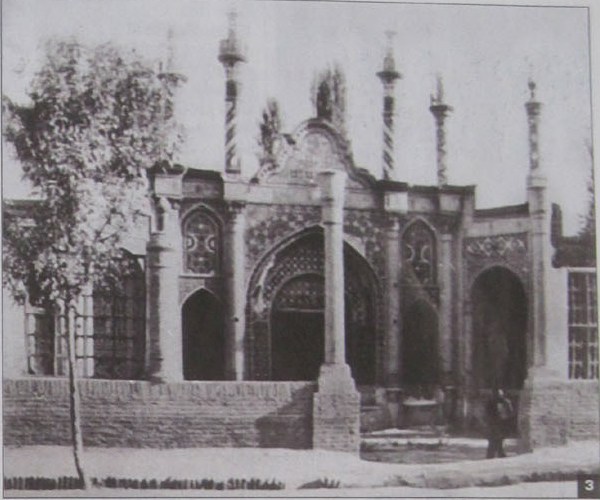
Besides the above-described investments in small arms and ammunition manufacturing, Germany had large investments in other segments of the Iranian military industry, too. UK and USSR were concerned with such strong German presence which probably was one of the reasons of the Anglo-Soviet invasion of Iran. Here is an excerpt from the Wikipedia article describing this invasion:
The Anglo-Soviet invasion of Iran, also known as the Anglo-Soviet invasion of Persia, was the joint invasion of Iran in 1941 during the Second World War by the British Commonwealth and the Soviet Union. The invasion lasted from 25 August to 17 September 1941 and was codenamed Operation Countenance. Its purpose was to secure Iranian oil fields and ensure Allied supply lines (see the Persian Corridor) for the USSR, fighting against Axis forces on the Eastern Front. Though Iran was neutral, the Allies considered Reza Shah to be friendly to Germany, deposed him during the subsequent occupation and replaced him with his young son Mohammad Reza Pahlavi.
In 1941 Soviet small arms industry was not in its best shape, to say the least. Many plants were evacuated but hadn’t yet settled in new locations and there was a huge demand for new weapons and ammunition in the frontline. The Soviet Union decided to purchase small arms from its ally nations. Particularly, they were planning to buy from Iran 100,000 rifles, 500 LMGs, 400 medium machine guns, and 15 million cartridges. They were especially interested in buying as much of estimated 8,000 Iranian Maxim machine guns that they could.
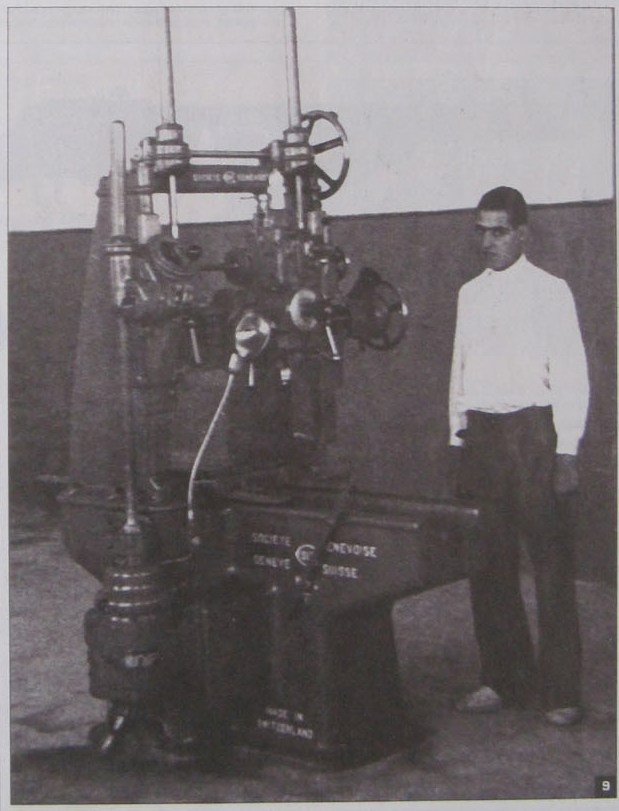
In 1942, the evacuated Soviet plants were already established in new locations and started working. However, the war has been escalating and there were even more losses of personnel and small arms. The demand for small arms was the all-time high. The Soviet Union officials started to think about sourcing more weapons and equipment from their allies. They were initially planning to buy from Iran the Tehran Arsenal, the unfinished machinegun plant, as well as powder and ammunition plants. Later, they decided not to buy them but place orders in Iranian plants, help to finish the machinegun plant construction, deliver equipment, assign specialists and qualified workers to Iran as well as supply the raw materials necessary to fulfill the Soviet orders. As a result of these negotiations, on January 23, 1943, a contract was signed between the two countries.
According to the contract, by January 1944, the Iranian machine gun factory was supposed to have manufactured 30,000 PPSh SMGs each equipped with six box magazines, spare parts and accessories. They were planning to start the manufacturing process in August 1943 with a production rate of 4,000 PPSh SMGs per month. That rate had to be increased to 6,000 SMGs per month. The #367 plant in Vyatskiye Polyany (today’s Molot Oruzhie) which was the main manufacturer of PPSh SMGs, sent the technical drawings and raw materials necessary for accomplishing the manufacturing plan of first two months (8,000 SMGs and 48,000 magazines). According to the contract, Iran could also make these weapons for their own use both during the war and after its end. The only restriction was that it was forbidden to transfer the technology to third countries.
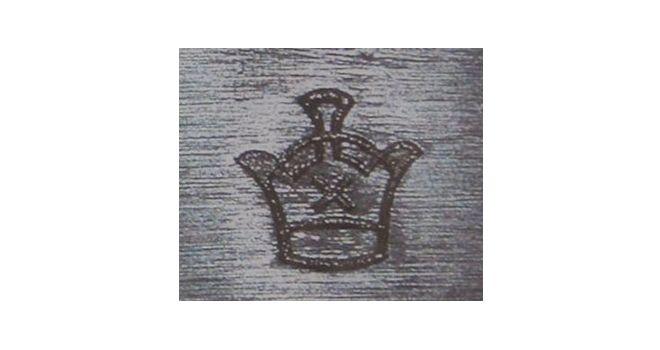
Despite the terms of the contract, the deadlines were not met and there were continuous delays for multiple different reasons. In 1943, only 214 PPSh SMGs were made in the Iranian plant. 11 from these 214 guns were sent to the Main Artillery Directorate of the Red Army as presentation guns for high ranking military and political officials. One of the SMGs was presented to Shah of Iran. The PPSh shown in the images of this article was presented to Anastas Mikoyan, the Minister of Foreign Trade of Soviet Union. These guns were hand finished and had multiple unique markings. The models that were supposed to be supplied to the Soviet army had only the crown on top of the receiver with other markings being identical to the Soviet guns.
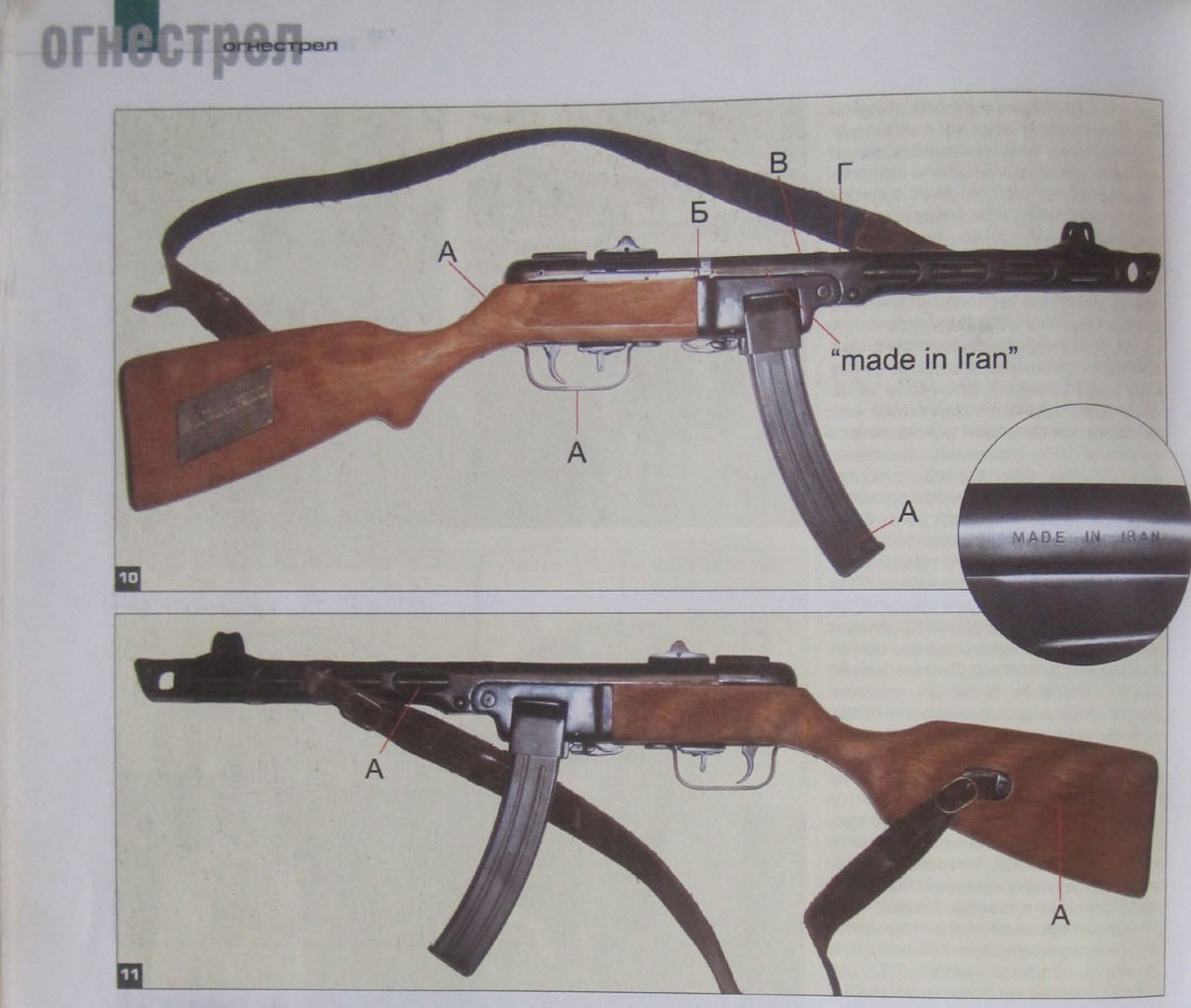
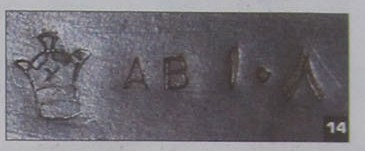
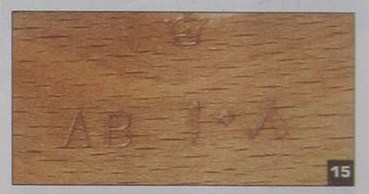
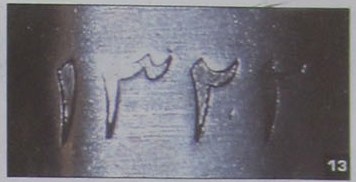
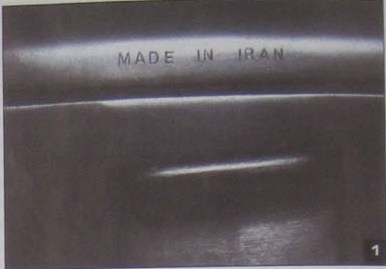
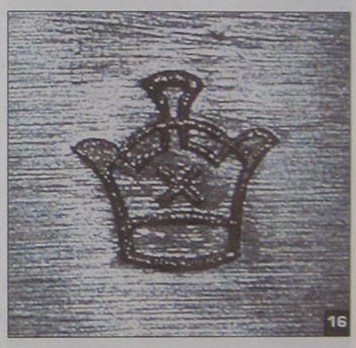
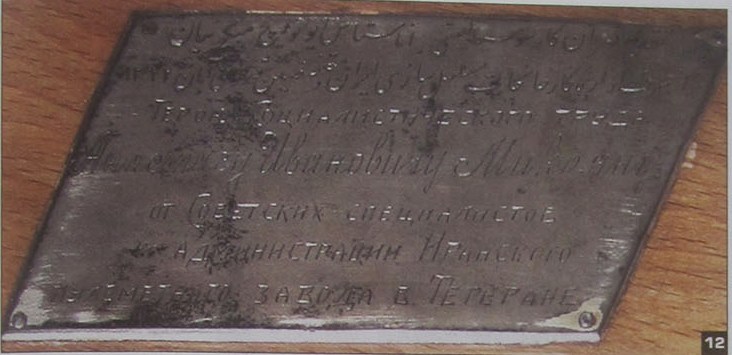
The production of these Iranian PPShs never met the set deadlines and it is unknown how many of them were supplied to the Soviet Union (various sources have various numbers). Reportedly, Iran made some PPShs for their own needs after the war, but there are no confirmed numbers either. The Iranian PPSh presented to Anastas Mikoyan is kept in the Central Armed Forces Museum of Russian Federation located in Moscow, Russia.
Sources:
Davidov B.V. (December 2005). “PPSH – Made in Iran”. “Mir Oruzhiya” Magazine.
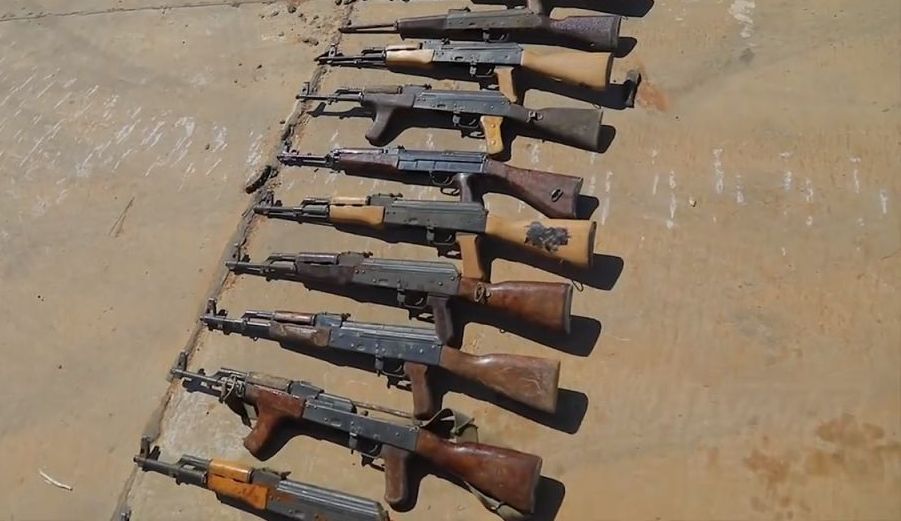
Small Arms Captured by SAA During Operation BASALT
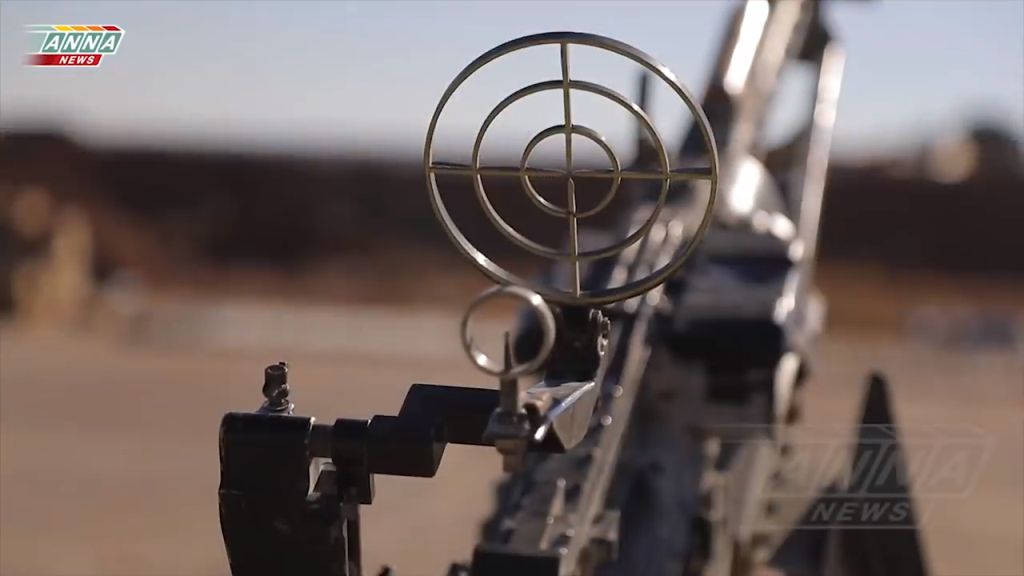
ANNA News (Abkhazian Network News Agency) has published a video where they show the arms and munitions captured by the Syrian Arab Army (SAA) as a result of Operation Basalt launched by the SAA against various armed groups in Southern Syria. Besides the tanks, armored vehicles and anti-tank weapons, there is also a wide variety of small arms which is especially interesting in the context of Silah Report. Let’s watch the mentioned video first then discuss what interesting small arms were shown in the video.
https://www.youtube.com/watch?v=JIWP9Jzbzaw
Below you will find screenshots from the video with captions describing the weapon systems shown in the image.
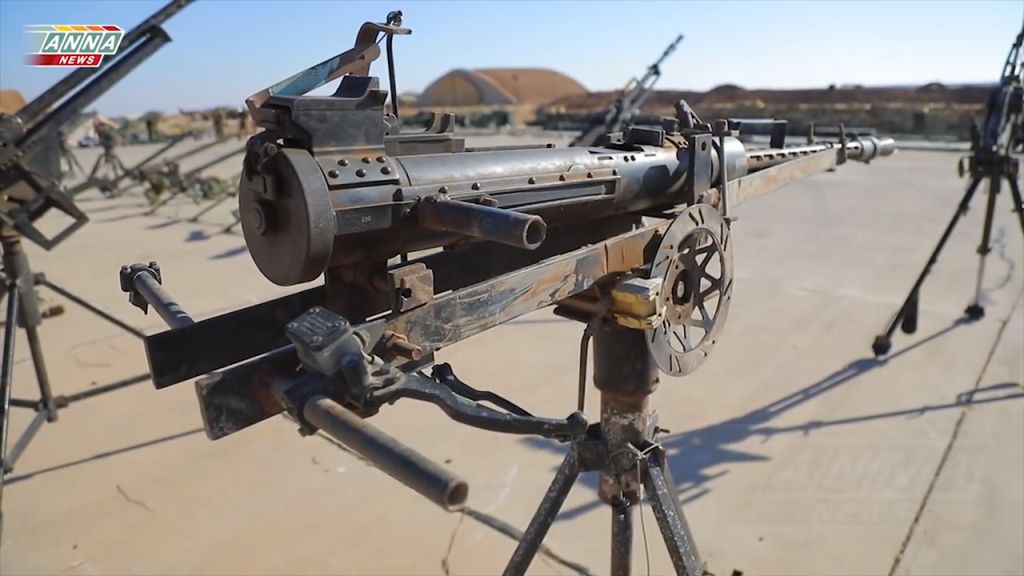
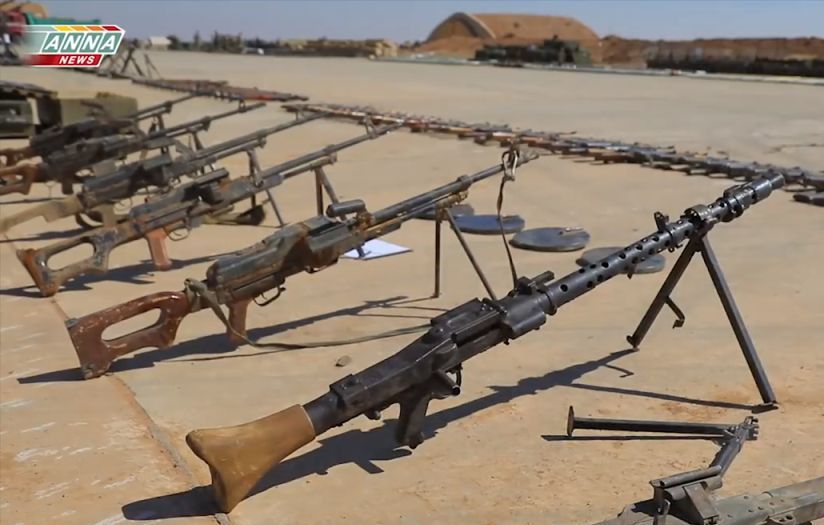
MG-34 with a number of PKM machine guns on the background. I think at some point a new wood stock for the MG-34 was made locally which should be the reason why it has a more simplified look.
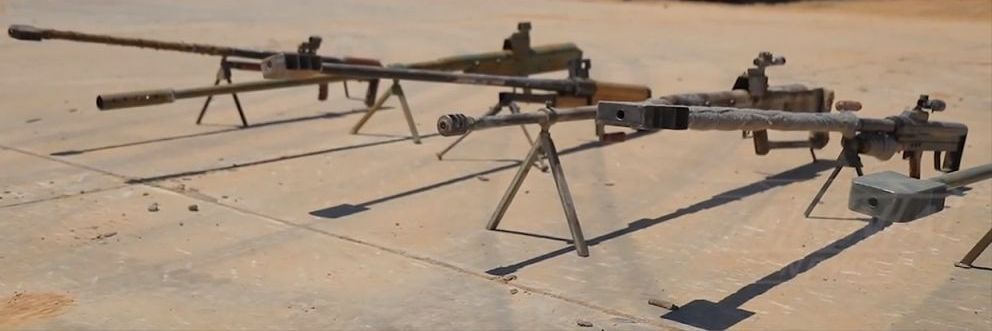

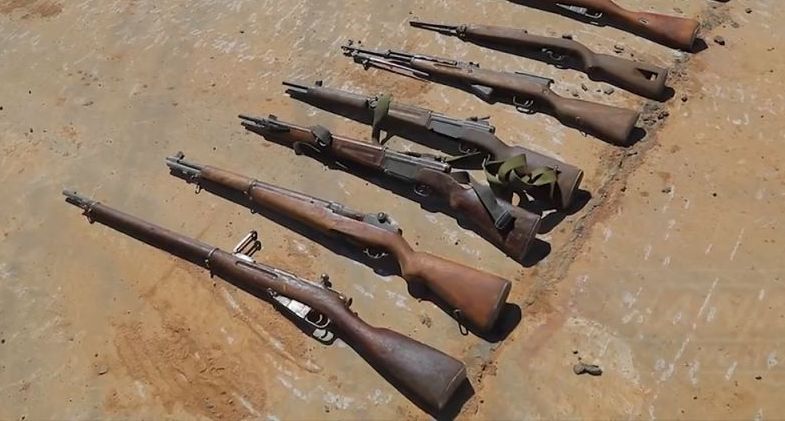
Last but not least, some WW2 weapons still in use in the Syrian war. The very bottom rifle is a Mosin-Nagant 91/30 followed by an M1 Garand and a couple of MAS-36 bolt action rifles. On top of the MAS-36 rifles, there is a Chinese SKS (Type 56) with a folding spike bayonet and an M1 Carbine.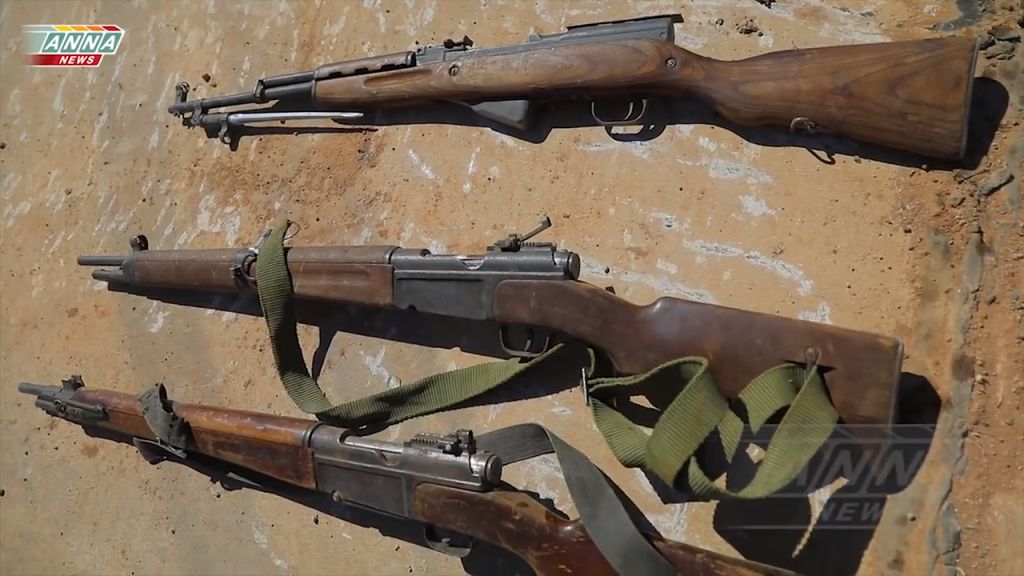
If you spotted any other interesting firearm in the video or noticed a misidentified firearm, please let us know in the comments section.
Recent Turkish Tactical Bolt Action Rifles of 2018
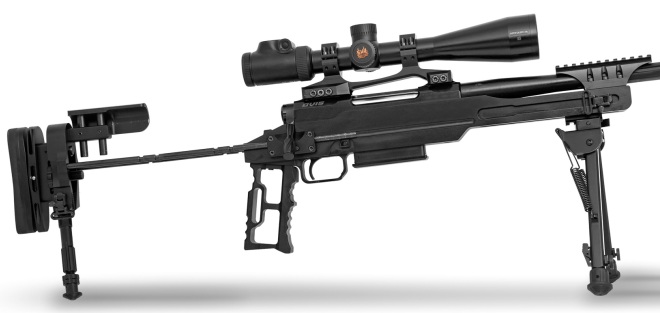
The Turkish bolt action rifles market is probably the most emerging segment of the country’s small arms industry. Every year, Turkish companies introduce new models of bolt action rifles designed both for the hunting and tactical applications. Earlier we reported about the Yazicilarav’s Cosmos bolt action rifle. Today we’ll take a brief look at two other Turkish bolt action rifles designed for the military/LE/tactical use.
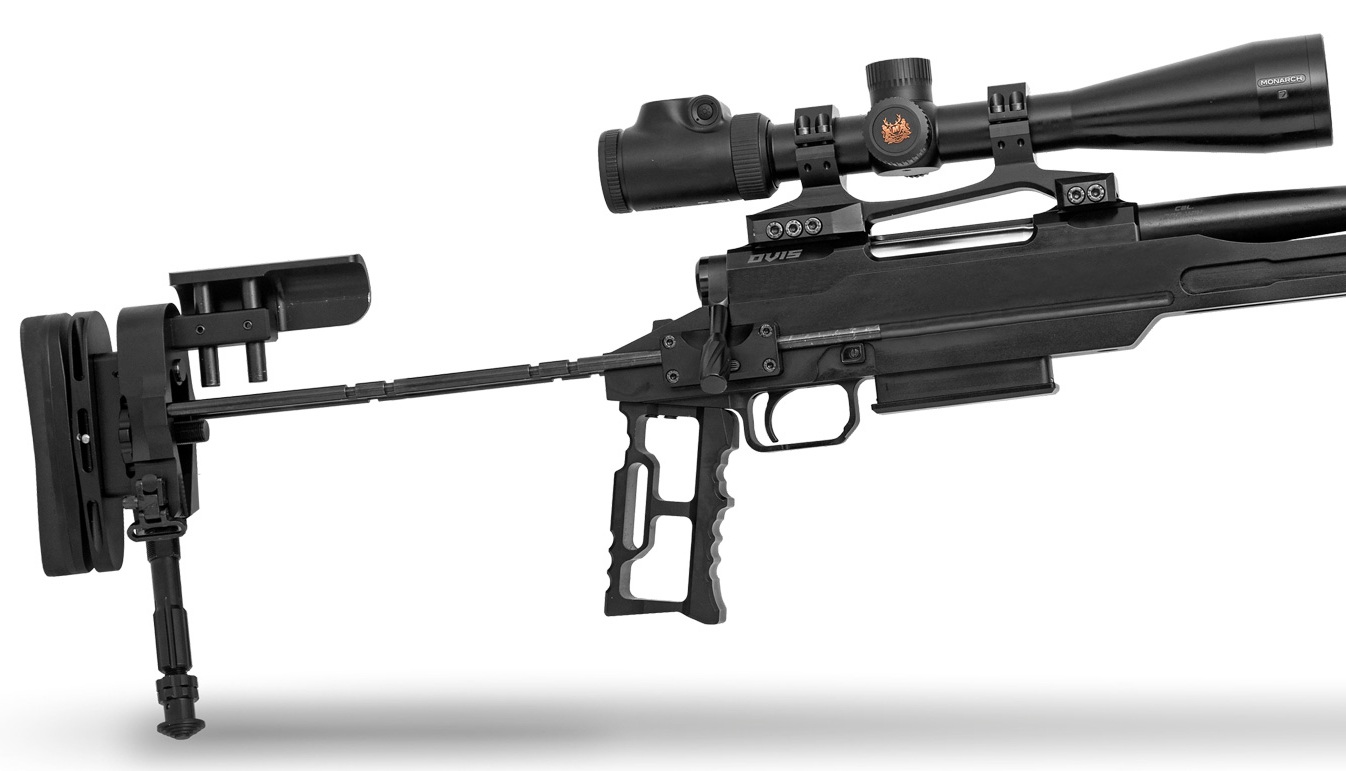
Huglu OVIS Tactical Black
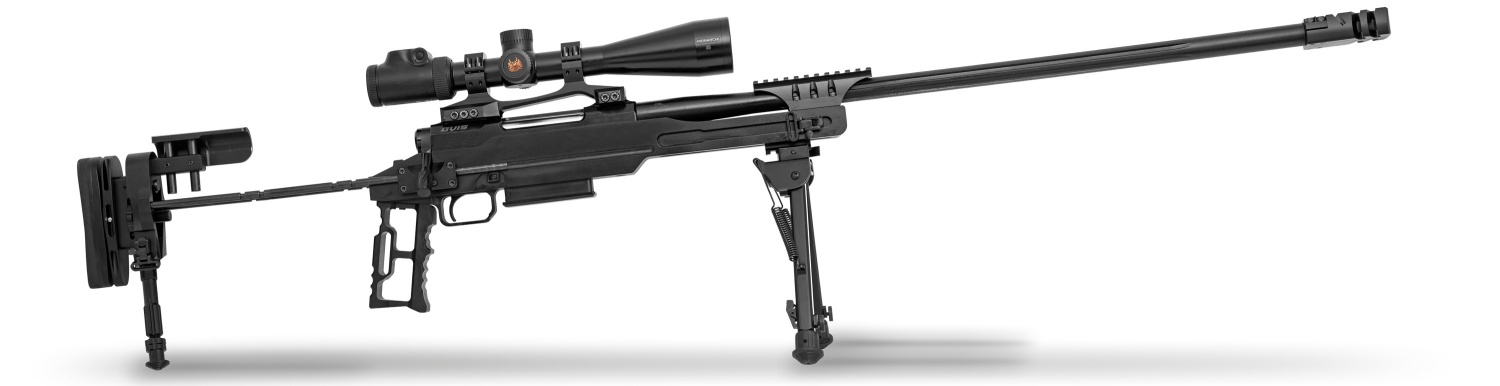
The OVIS Tactical Black rifle is designed by the Turkish company called Huglu. It features a skeletonized pistol grip, 6-lug bolt, adjustable trigger, collapsible wire stock, adjustable cheek rest and monopod. The rifle is chambered in .308 Winchester. It is fed from 5-round detachable box magazines. The free-floated barrel is 71 centimeters long (28″) and comes with an installed muzzle brake. The overall weight of this rifle is 7.5 kilograms (about 16 lbs 8 oz).
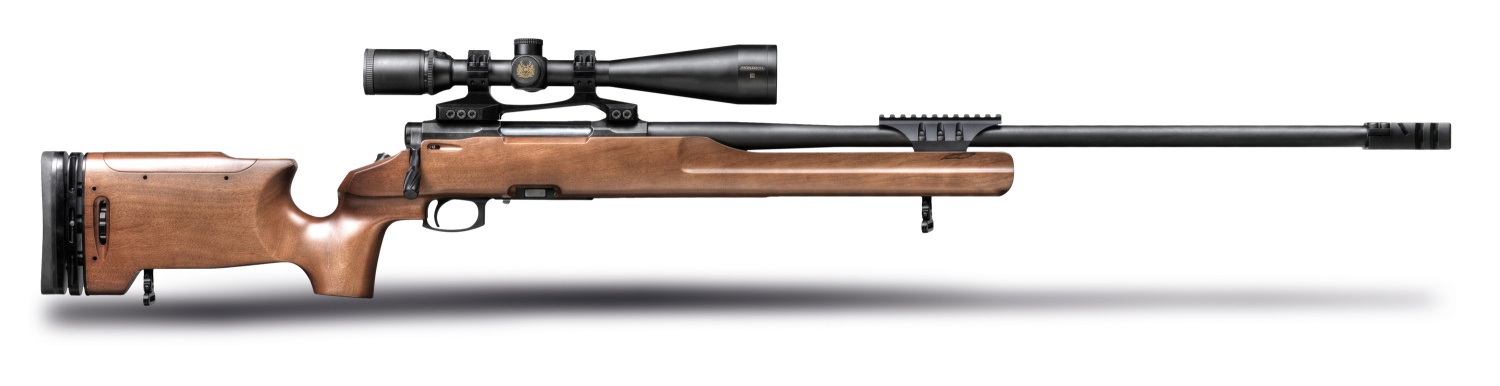
Hugku also makes a version of this rifle with a wooden stock. This iteration is called Huglu OVIS Tactical. You can see its image embedded below.
Ata Arms ASR308
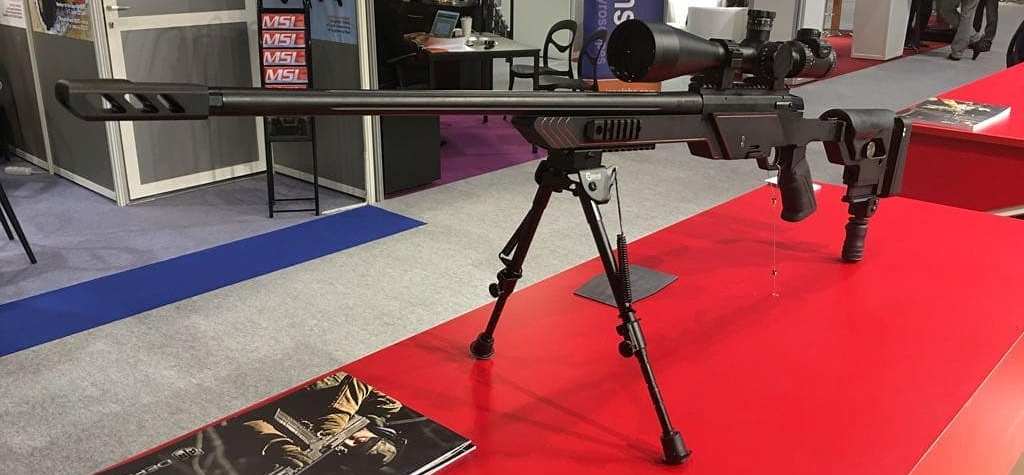
Another Turkish bolt action rifle made by Ata Arms was introduced at the recently held Eurostatory 2018 arms exhibition. Presumably, the action of the ASR308 rifle is identical to or based on the Ata Arms Turqua rifle.
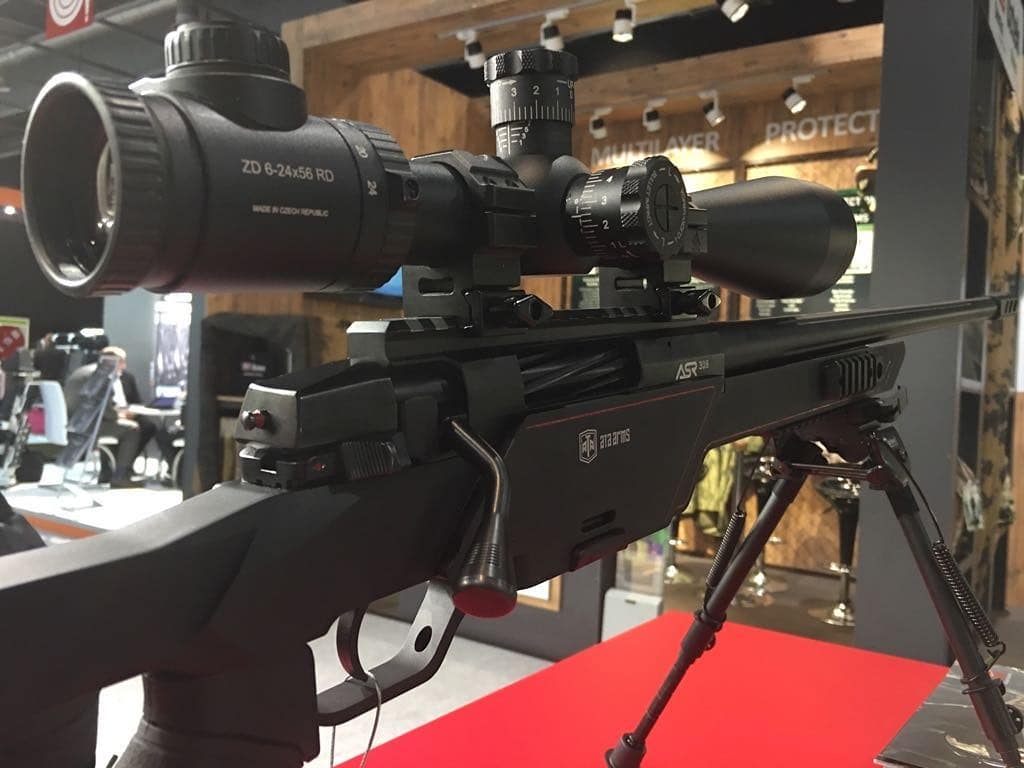
Judging by the images published on the manufacturer’s social media pages, we can tell that the chassis of this rifle has a fixed stock with adjustable length of pull and cheek rest height. The barrel is free floated and has a three-port muzzle brake. The rifle is fed from detachable box magazines and it is most likely chambered in .308 Winchester. ASR308 has a Picatinny rail on top of the receiver for mounting a scope. There are also small rails located on 3, 6 and 9 o’clock positions of the forearm and another rail on the stock for mounting a monopod.
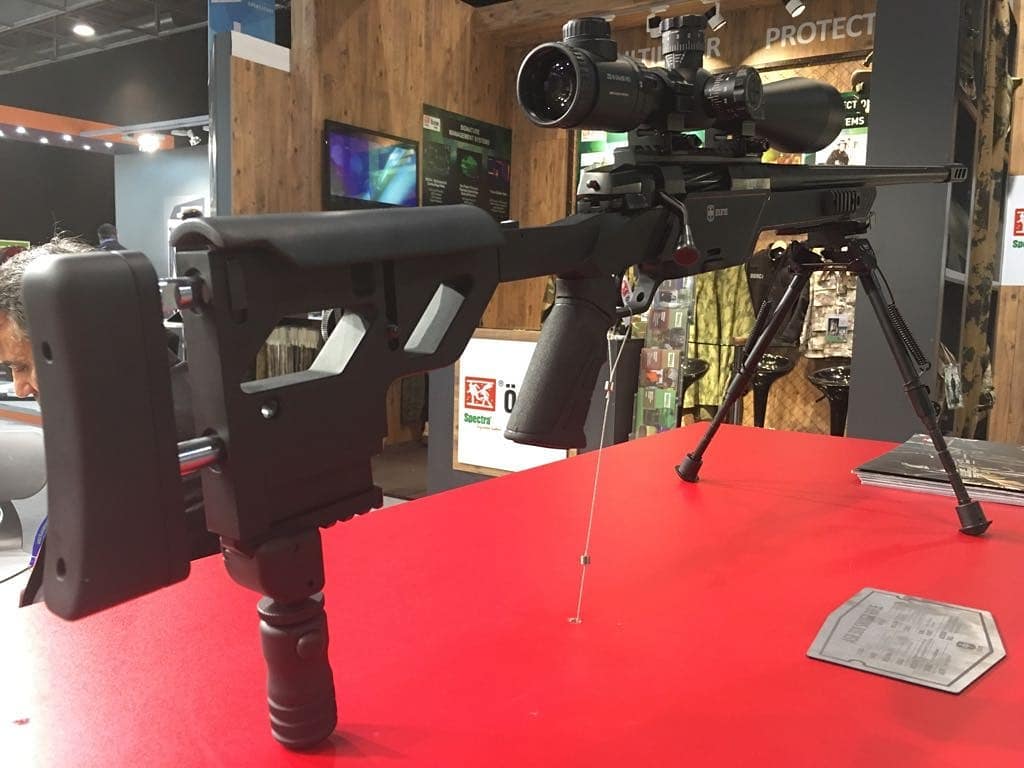
Images from www.huglu.com.tr, www.facebook.com/ataarmstr
Muzzle Brake Designed by Diyar Gilmanov (Kazakhstan)
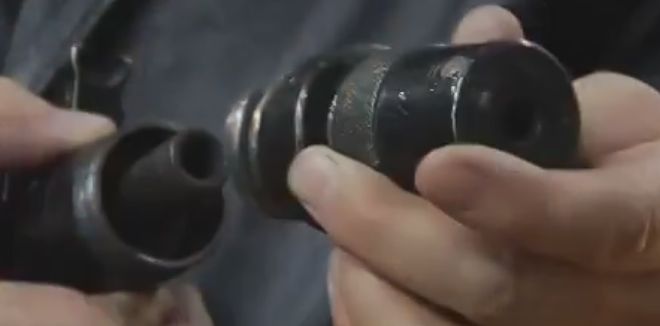
While doing research for another article, I came across an invention of a Kazakh arms designer named Diyar Gilmanov. This gentleman has designed a muzzle device which has quite an interesting construction.
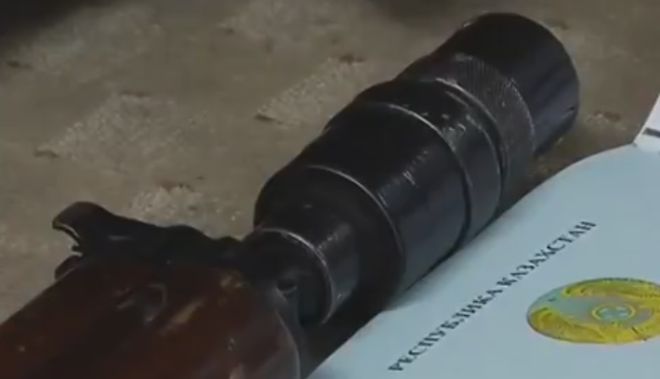
Gilmanov’s muzzle brake has a telescoping design. It consists of an inner part that is mounted onto the muzzle of the weapon and a spring-loaded mobile part. Upon firing the weapon, gasses escaping the muzzle enter the two expansion chambers (4 and 5 in the drawings) and force the spring loaded part to move forward. The spring then extends and returns the mobile assembly back to its collapsed position.
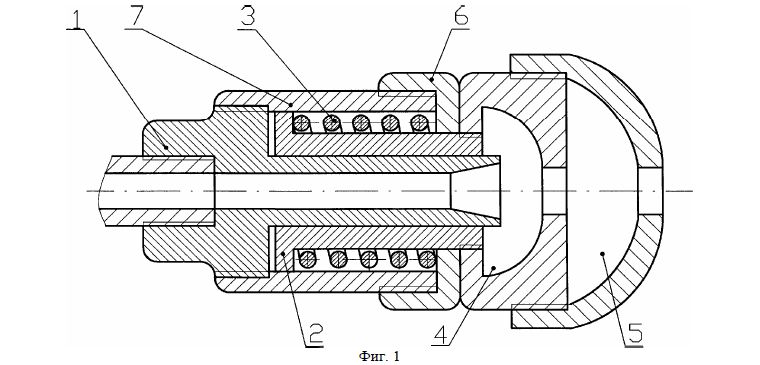
According to the designer, this forward motion mitigates the recoil. It is probably accomplished by the mass of the forward moving assembly which counters the rearward motion of the bolt carrier group or the recoil mitigation occurs due to the forward impact of the mobile part onto the housing on its foremost position. The recoil reduction may also be achieved by the combination of the described two processes.
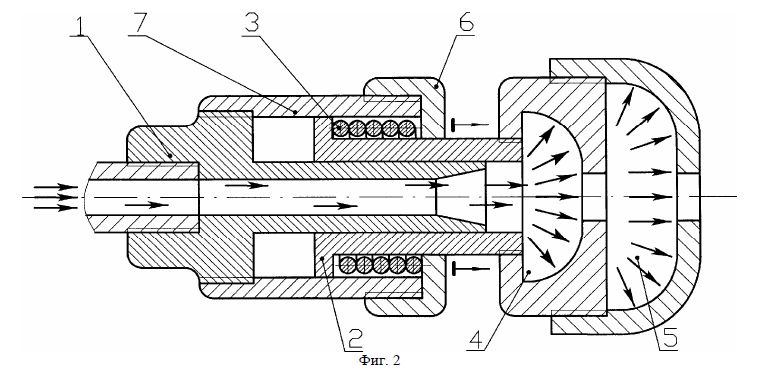
The drawings used in this article are from the Kazakh patent #16012 granted to Diyar Gilmanov in 2009. You can view or download that patent (in Russian) by clicking here. Here is also a link to a short video (found on OK.ru social media website) showing this muzzle brake in action.
https://ok.ru/video/1155074560
Judging by the construction of this muzzle device, I assume it may also partially reduce the flash signature and the report. Also, it should double as a booster for AK carbines and AKS-74U (Krinkov) rifles.
New Iraqi Bolt-Action Anti-Materiel Rifle Made by TDMP
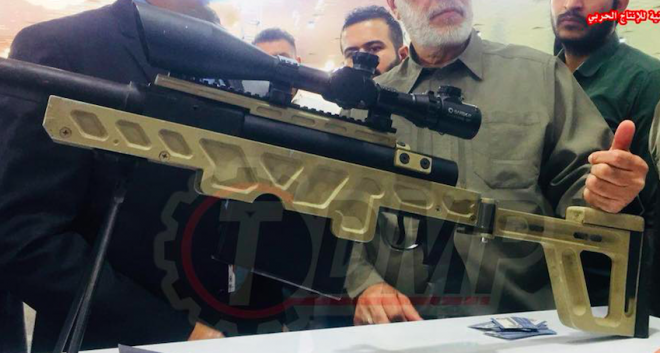
The Firearm Blog reports that Iraqi Technical Directorate for Military Production (TDMP) has released a new anti-materiel rifle during the International Defense Exhibition (IQDEX 2018) held in Baghdad, Iraq. Let’s take a closer look at the published images and see what we can notice.
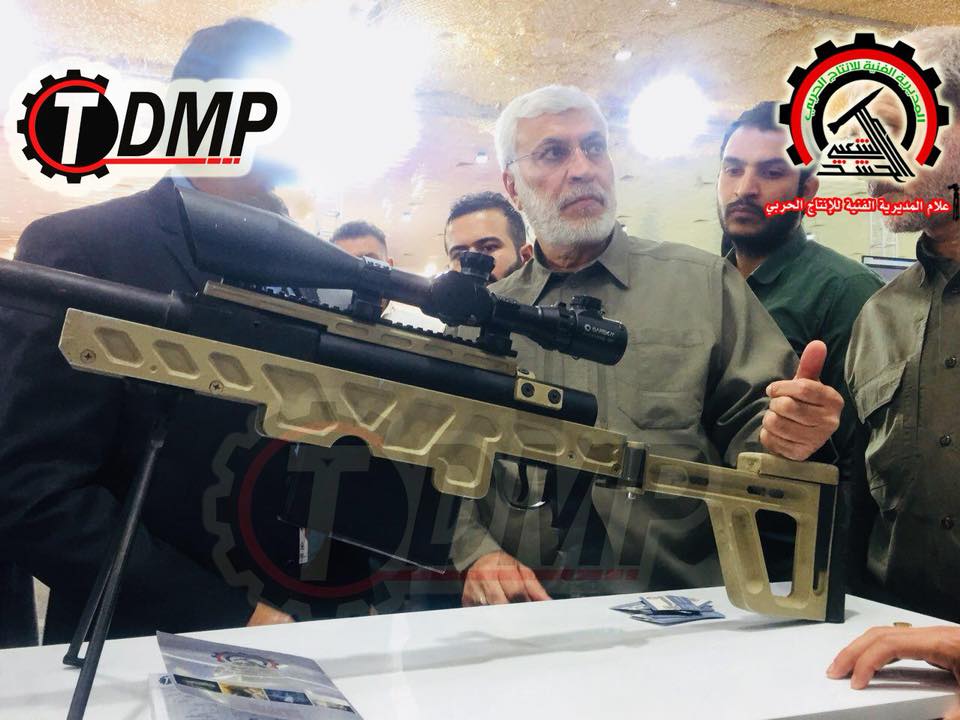
The chassis of the rifle looks to be made of two identical pieces of metal (most likely aluminum) with milled cuts to make it lighter. The two halves are probably assembled by the screws which heads are visible on the rifle. If so, then there must be a third inner part, too.
The folding stock looks to be simply shaped from an aluminum plate of a certain thickness. Note that the receiver also looks to be a very simple one. It is probably machined from a cylindrical steel bar. If my assumptions are correct, then this rifle must be quite easy to manufacture.
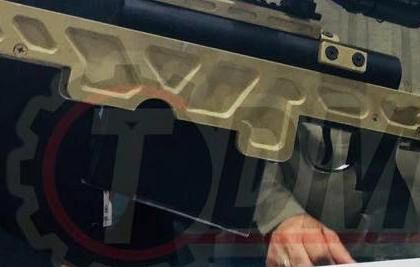
If you look closer, you can notice the magazine in the top image. It is obstructed by the watermark and blends with the background, but it is still visible. Its size suggests that it is chambered either in .50 BMG or in 12.7x108mm or maybe even a larger caliber.
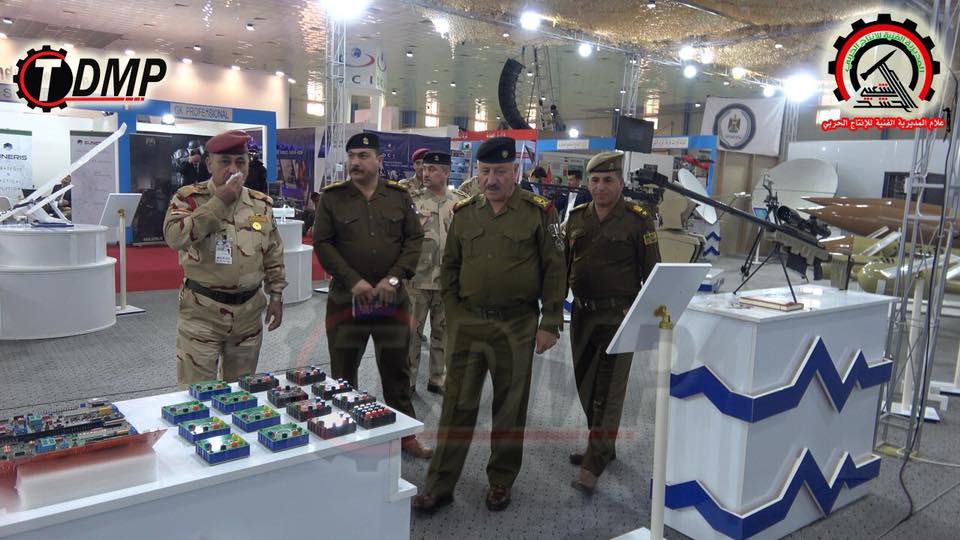
The rifle has a large muzzle break normally seen on anti-material rifles. The bipod is probably used for demonstration purposes only. Such a weak looking design probably wouldn’t work with the heavy and violently recoiling anti-materiel rifle.
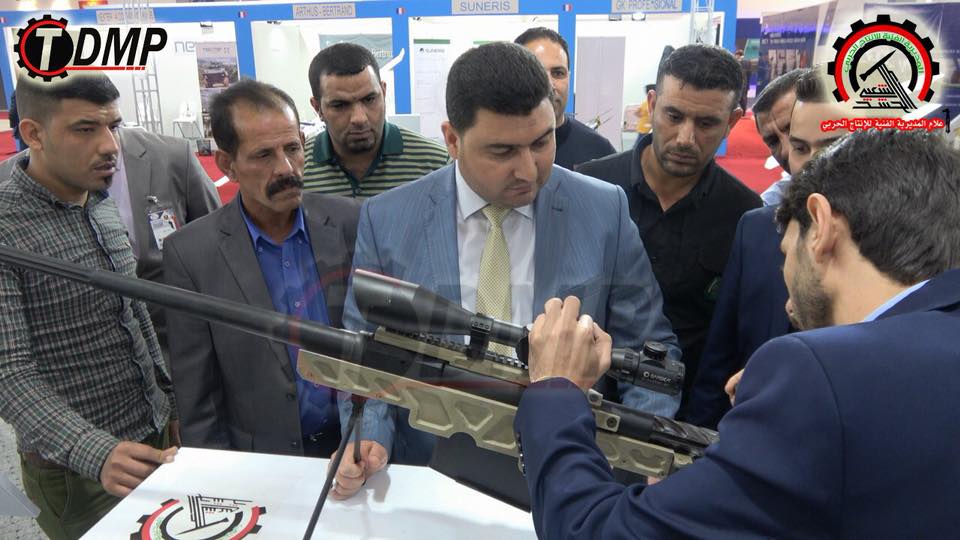
The new TDMP rifle also has a top Picatinny rail. In the above image, you can also see the fluted bolt of the rifle with an extractor groove cut in it. The small part bolted to the left side of the receiver should be the extractor and bolt disassembly lever – a pretty common design seen in many bolt action rifles.
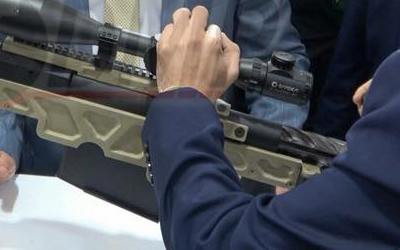
So far these images are the only information available on this rifle. Stay tuned to learn more about this rifle.
Firearms and Ammunition Designed by Santay Zhetesov
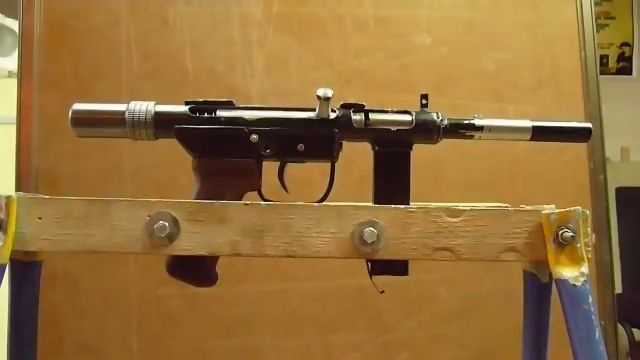
Santay Zhetesov (Сантай Жетесов) is an inventor and scientist from Karaganda, Kazakhstan. Among a number of other inventions, he has also developed a couple of firearms and caseless ammunition. In this article, we’ll take a look at Zhetesov’s firearm prototypes and ammunition patents.
PPZh-05 Caseless Submachine Gun
PPZh-05 is an abbreviation which stands for Zhetesov submachine gun (Пистолет-Пулемет Жетесожа; Pistolet Pulemyot Zhetesova). The number 05 in the designation means that it was made in 2005.
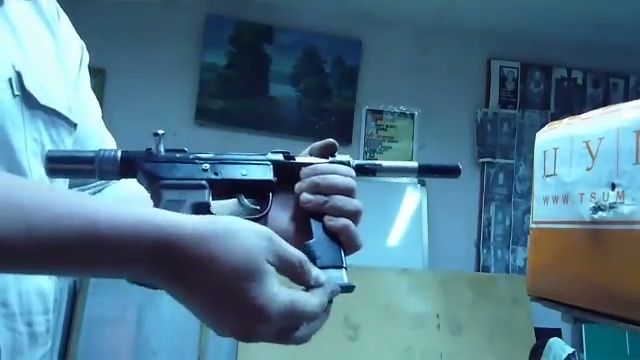
This SMG feeds from a detachable box magazine. The magazine well is a rather long one which is probably designed so to allow using it as a front grip without applying pressure to the magazine itself. The gun shoots from an open bolt. It is a fairly compact weapon.
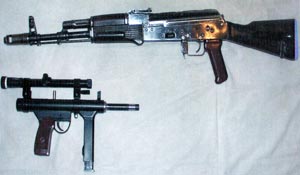
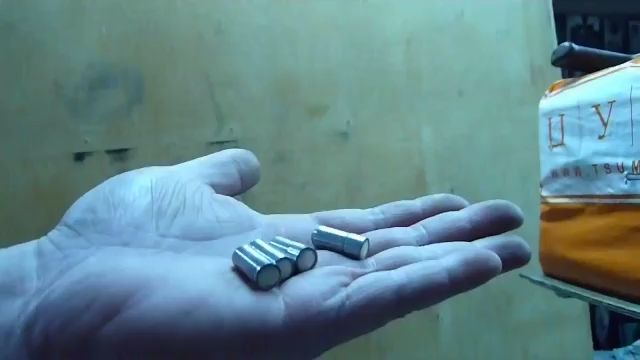
This SMG uses a type of caseless ammunition where the bullet itself contains the powder charge and the priming compound and there is no cartridge case per se. The experiments with this kind of ammunition have been conducted throughout the history of firearms development. Similar ammunition was used in the Volcanic pistol, the Gerasimenko VAG-73 pistol, Benelli CB-M2 etc.
Here are a couple of videos showing the test firing of PPZh-05 SMG:
Caseless Ammunition
Santay Zhetesov’s caseless ammunition designs are described in the Kazakh patent #29642. The ammunition used in PPZh-05 SMG should be constructed similarly.
In the mentioned patent, it describes caseless ammunition which has a striker and primer built into the projectile/cartridge. Unfortunately, it is not specified how the cartridge will be aligned in the chamber to expose that built-in striker to the hammer. Possibly for this kind of ammunition, an annular primer could be a better idea.
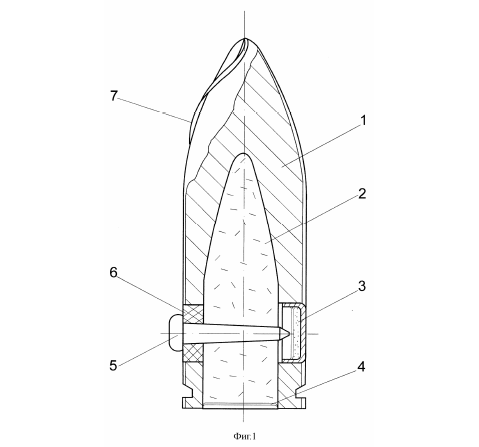
There are two versions of these cartridges described in the patent. One of them has rifling-style flutes on the ogive of the bullet (see the above image) which is said to impart spin to the projectile. The second one (see the image below) has identical grooves inside the powder charge cavity. I assume these flutes are supposed to spin stabilize the projectiles when shot in smoothbore firearms because the inventor states in the patent text that this ammunition can be used both in rifled and smoothbore barrels. There should not be a need to have that flutes if the cartridges are fired in rifled barrels.
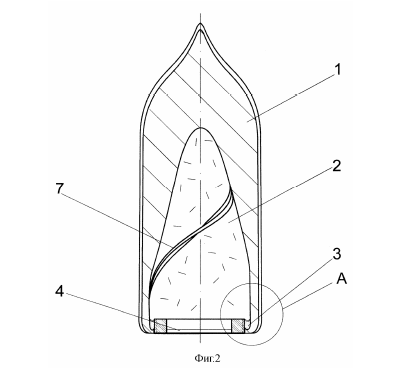
According to Zhetesov, such cartridges of 5.47mm, 7.62mm, 9mm and 10.2mm calibers have been tested and showed “promising results”.
SPZh-06 Grenade Launcher
The model designation of this firearm stands for Zhetesov Soldier Cannon (Солдатская Пушка Жетесова; Soldatskaya Pushka Zhetesova). The “06” means that the gun is designed in 2006.
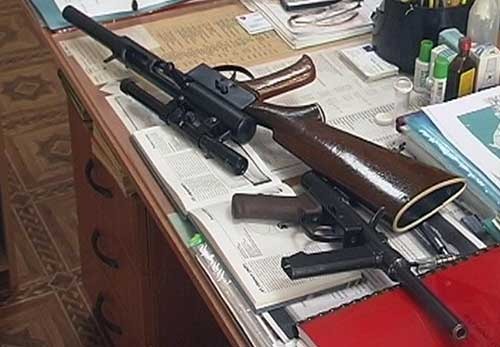
This is a bolt action single shot grenade launcher. Its effective range is said to be 500 meters. Basically, this weapon is a standalone caseless grenade launcher.
The unusual stock configuration (separate pistol grip with a hunting rifle stock) is probably there because this is a prototype weapon and they just temporarily attached whatever stock they had.
Both of these guns are made in single samples. Reportedly, they have been introduced to the military officials of Kazakhstan, but have been rejected.
As soon as there is new information concerning these firearms, we will report to our readers.
Sources:
https://www.ktk.kz/ru/news/video/2009/04/06/3666
http://kzpatents.com
http://military-kz.ucoz.org/index/kazakhstanskie_izobretateli/0-43
http://www.dogswar.ru/oryjeinaia-ekzotika/strelkovoe-oryjie/783-opytnyi-pistolet-pyl.htm
http://kelisim.kz/ru/news-region/id/307
Weapons and Ammunition Seized in Ghouta by the Syrian Army
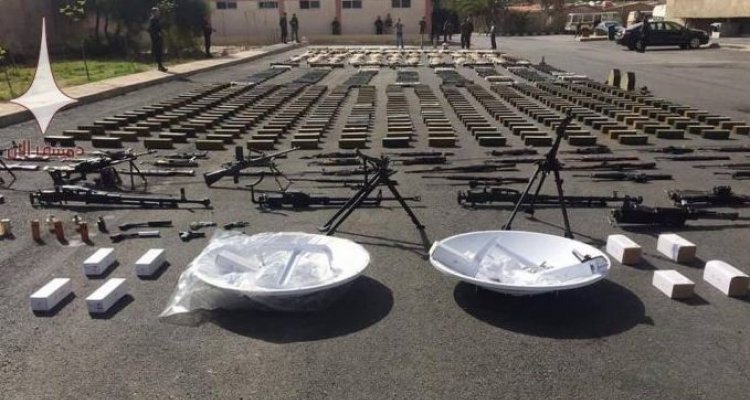
Recently, a number of news agencies reported that Syrian Army has seized a truck carrying a variety of weapons and ammunition addressed to one of the forces opposing the Syrian government. Reportedly, the truck was heading from eastern Qalamoun to East Ghouta. Let’s take a look at the photos of the seized weapons and see what types of small arms we can spot there.
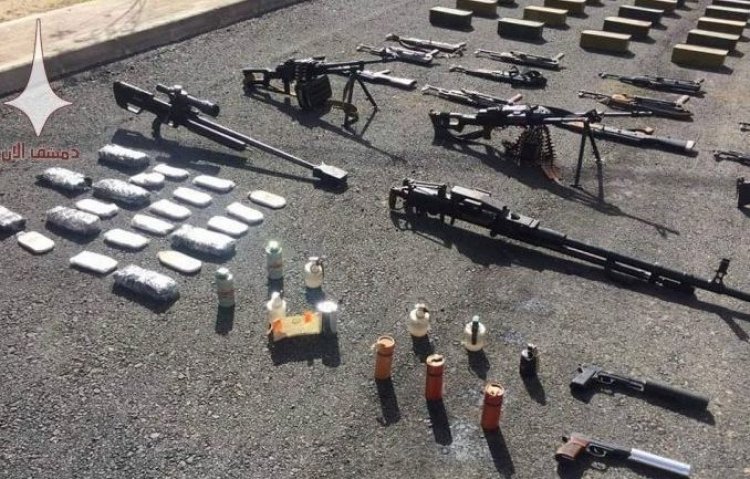
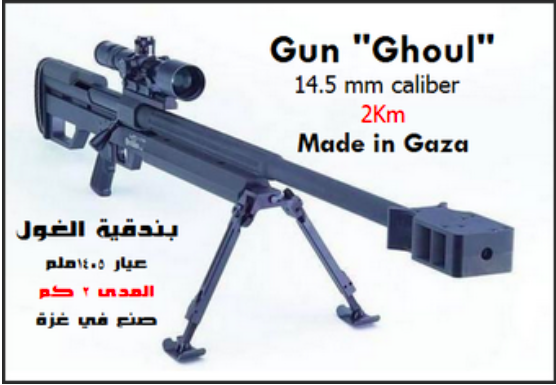
In the image below you can clearly see two PKM machine guns, a number of AK rifles and what looks to be a DShK heavy machine gun. Interestingly, there are two suppressed pistols one of which has a bright nickel colored suppressor. It should simply lack a finish which may indicate that it is a “homemade” suppressor. Arguably the most interesting piece in this picture is the scoped anti-materiel rifle. It is extremely similar to Steyr HS-50. It is also possible that this rifle is an Iranian copy of HS-50 called Sayyad or Palestinian copy called Ghoul. The Ghoul rifle is chambered in a larger caliber – 14.5x114mm. The Firearm Blog has recently published an article telling about the Ghoul anti-materiel rifle.
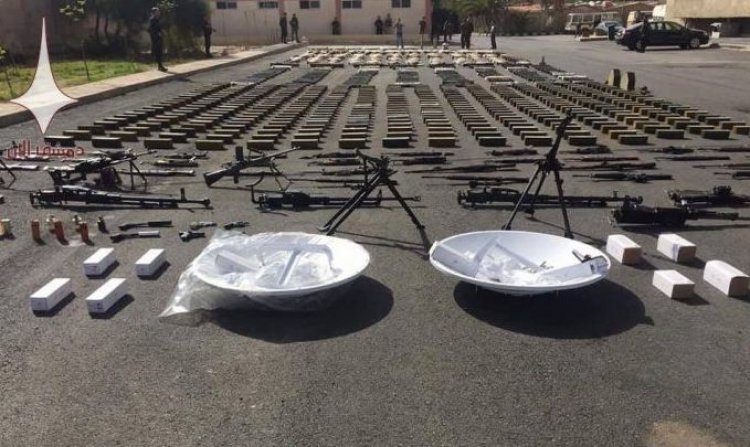
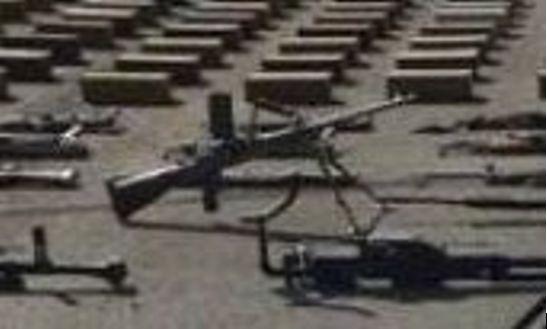
In another picture taken at a different angle, we see the silhouette of what looks to be a Czech ZB vz. 26 or ZB vz. 30 or Vz. 52 (Vz. 52/57) light machine gun.
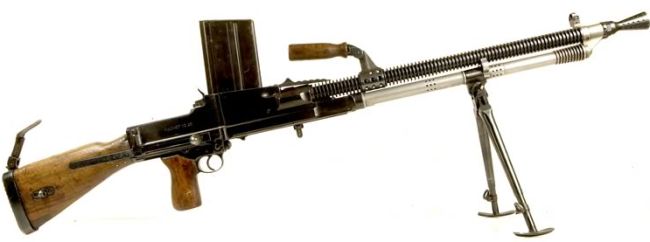
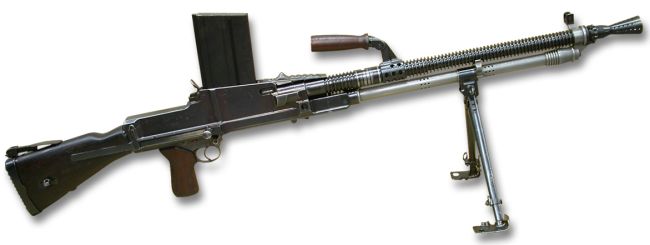
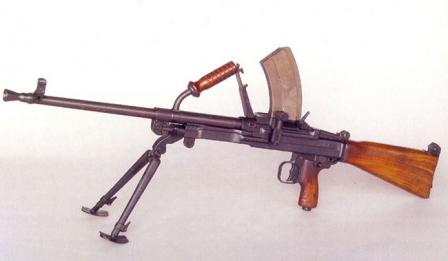
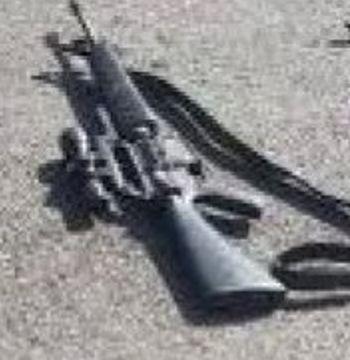
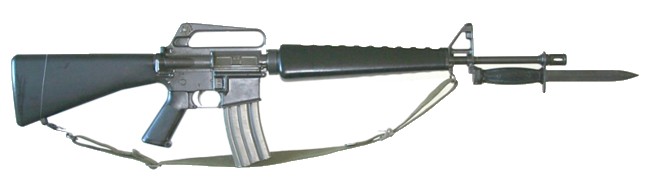
In the next image, there are several AR-15 pattern rifles among the more common (for the region) AK rifles. Judging by the stock shape, existence of a forward assist and carry handle, and by the distinctive triangular handguard, at least the closest one must be an M16A1.
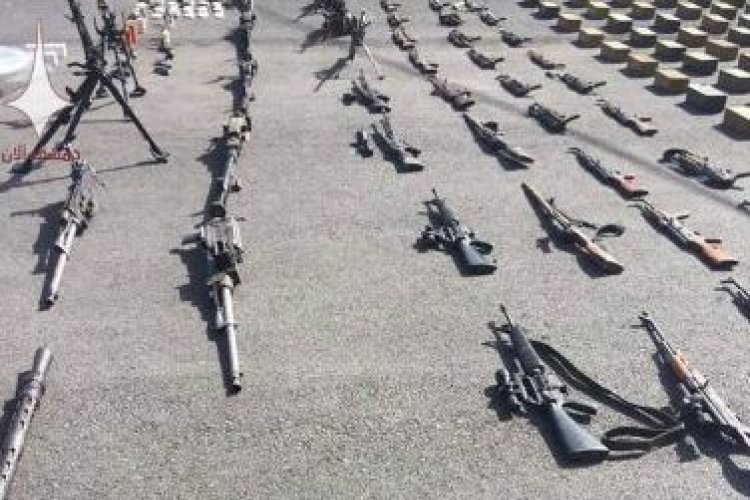
Here is also a video published by the Russian Federal News Agency showing other types of seized weapons and munitions:
https://www.youtube.com/watch?v=1A-4pZWyxzs
Sources:
“Syrian Army foils rebel attempt to smuggle heavy weapons into East Ghouta (video)”. (2018, February 28). Al-Masdar News. Retrieved from: https://www.almasdarnews.com/article/syrian-army-foils-rebel-attempt-smuggle-heavy-weapons-east-ghouta-video/
Images from: www.almasdarnews.com. www.modernfirearms.net, www.thefirearmblog.com
OSV-96 Anti-Materiel Rifle Seen in Syria
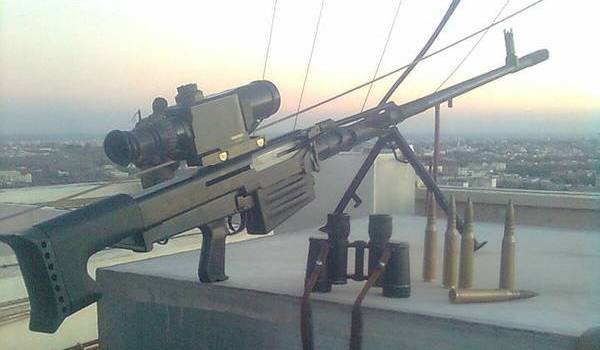
According to several Russian sources, the OSV-96 anti-materiel rifle was spotted again in Syria (see the above image). It is used by the special forces of the Syrian army. It’s been spotted in Syria starting from the very beginning of the Syrian war. Back in 2012, The Firearm Blog reported about this rifle in Syria.
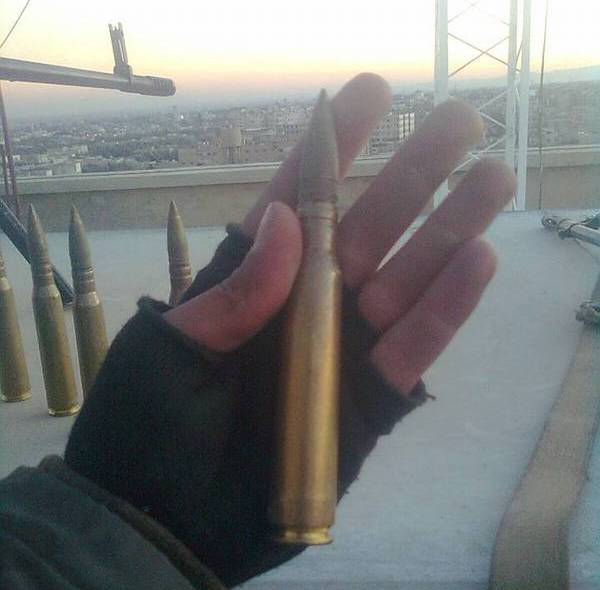
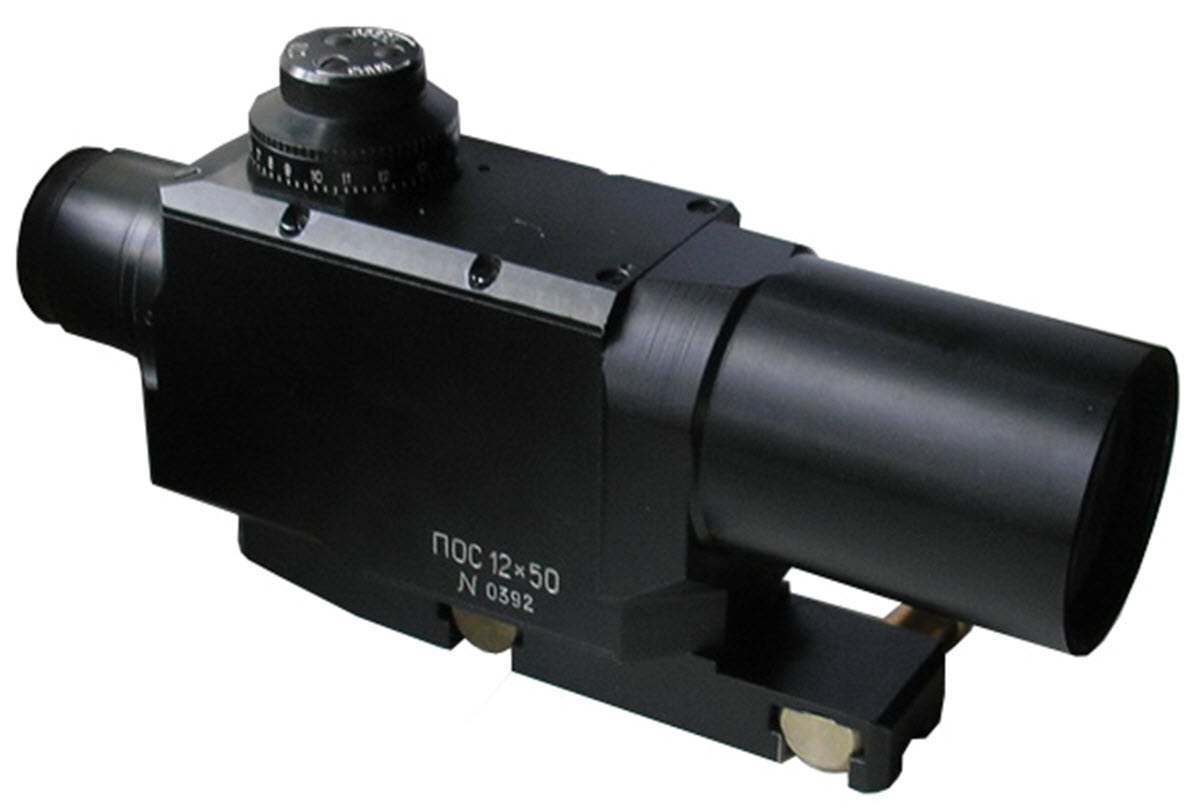
The scope on the rifle is most likely a Russian POS 12×50 (ПОС 12х50). This scope is frequently seen with the OSV-96 rifles.
In 2012, the rifle was also seen in the hands of forces fighting the Syrian army (see the video below).
———————————————————————————–
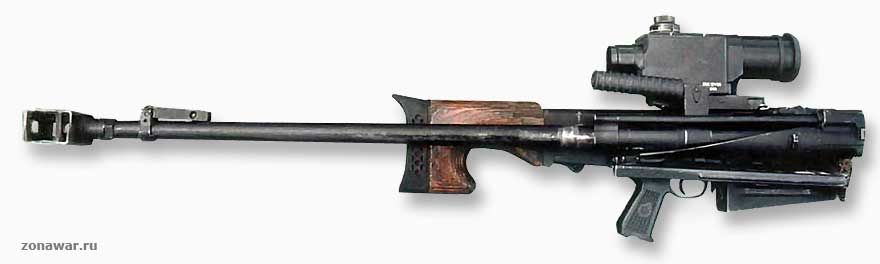
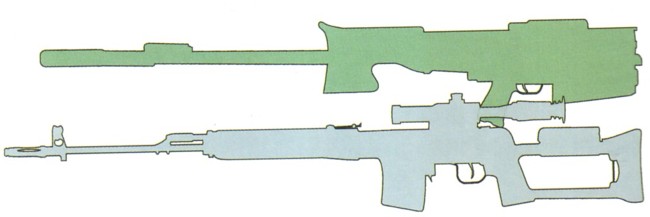
OSV-96 is designed and manufactured by a Russian arms company called TsKIB SOO. It is a magazine fed semi-auto anti-materiel rifle chambered in 12.7x108mm. It has a huge one-meter barrel (39.4″). However, its barrel folds 180 degrees to the right side of the rifle making its folded length comparable in size with the SVD rifle.
Here is also a video telling about this rifle.
And an animation of the rifle’s action by Noble Empire.
You can download the user manuals (in Russian) of the OSV-96 rifle and POS 12×50 scope by clicking HERE and HERE respectively.
A website called Warbook.info has also two posters (large jpg files) of this rifle, which you can download by clicking here and here.

