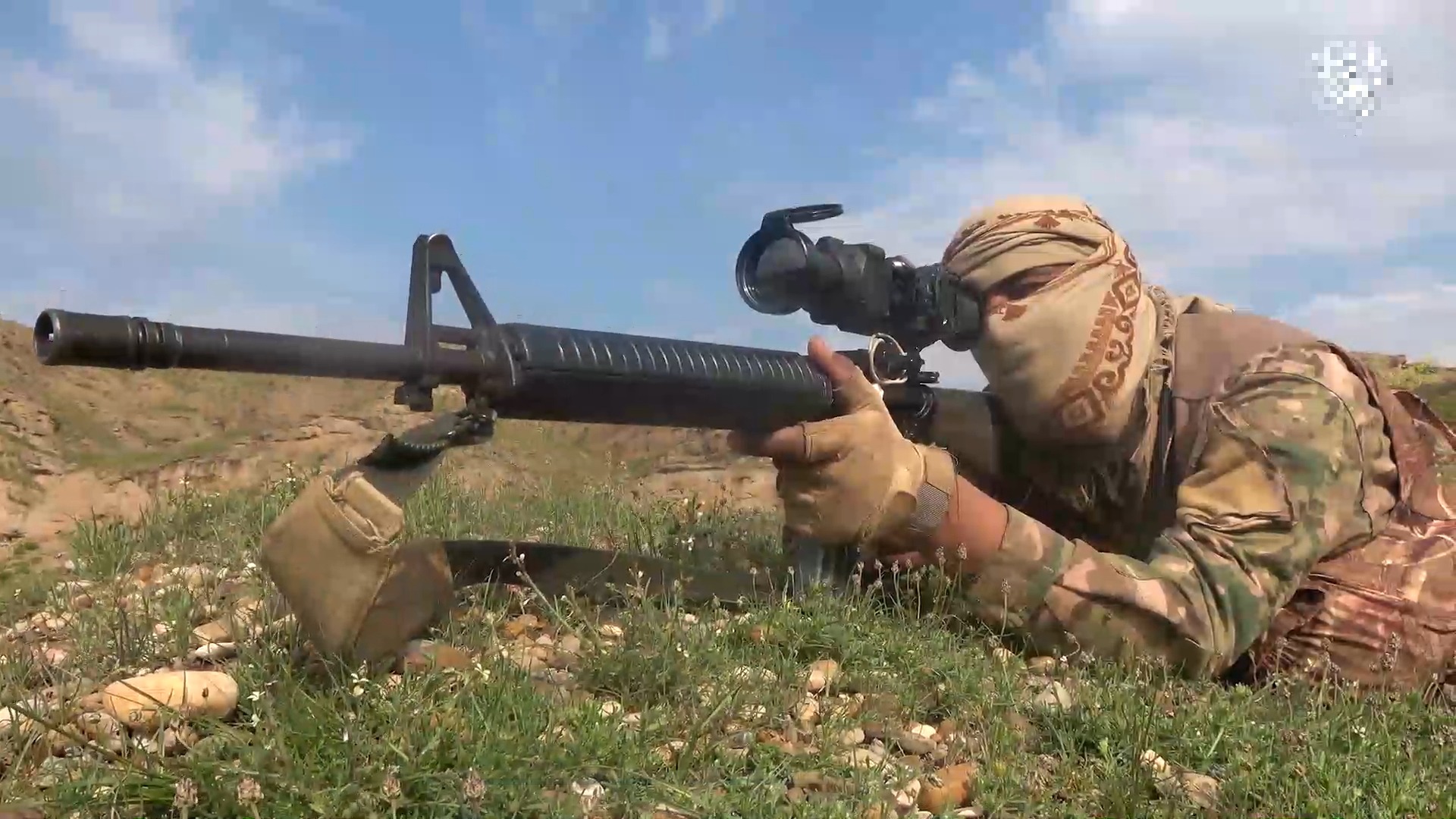
The so-called Islamic State, and their previous organizations Jama’at al-Tawhid wal-Jihad, Al-Qaeda in Iraq, the Islamic State of Iraq and the Islamic State of Iraq and Sham (Syria), have sustained an insurgency in Iraq for over 16 years. After the collapse of most of its territorial control in 2017, (besides some hideouts in Anbar province) they are again focused on fighting an insurgency campaign. They have been depleted over the years by the efforts of the Iraqi security forces and the International coalition, so much so that in 2019, ISIS conducted only small raids, small scale attacks, assassinations/executions and abductions and IED attacks. This was a far cry from their capabilities circa 2013-16. However, in recent months their attacks in Iraq have increased, especially in the north of the country. Now, IS have released a long propaganda film, in this two-part article, we will examine the film and see what we can learn about their current capabilities and weapons.
Craft Production
The STEN Gun: Darra & Khyber-Pass Edition
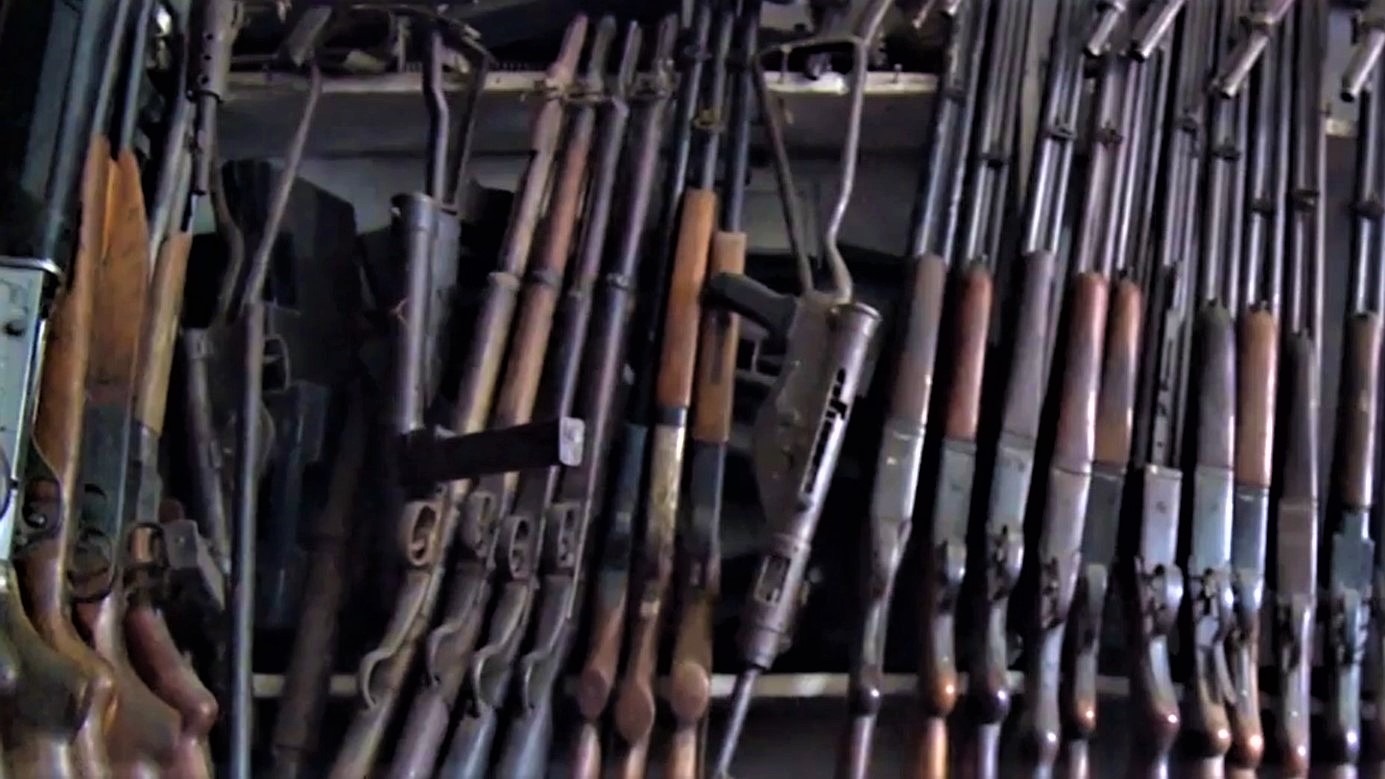
The British STEN 9×19mm submachine gun, is one of the iconic firearms of World War Two. The weapon’s name comes from the names of the weapon’s main designers: the ST from Major Reginald V. Shepherd and Harold Turpin, with the EN from the RSAF Enfield arms factory where it was developed. With over four million, of various patterns being made during World War Two, this was once a firearm which could be easily found. It was a cheap, simple and relatively reliable design, born of necessity rather than anything else. It was such a crude and rugged piece of kit that it was famously nicknamed the ‘Plumbers nightmare’ amongst others.
V22: Hydro-Dipping Small Arms in Idlib, One Craftsman’s Experience
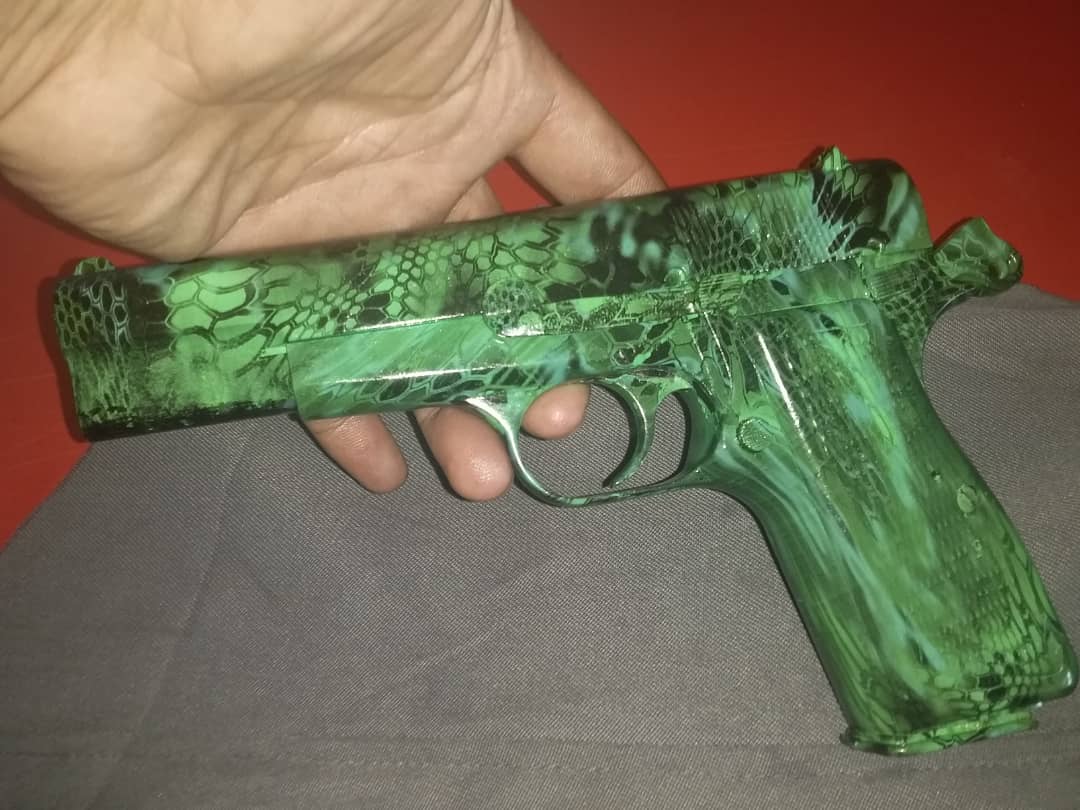
Welcome to the 22nd episode of the Silah Report Podcast, we recently had the pleasure of speaking with a gunsmith currently living in Idlib who has a long history fighting the SAA, not as an armed militant but as a gunsmith. Before the rebel pocket in Damascus fell to the SAA, he worked on manufacturing ammunition, weaponry, and even mortars for the resistance. He also worked on hydro-dipping rebel firearms. Currently, he resides in Idlib and had a short-lived business project hydro-dipping firearms. He agreed to be interviewed and to inform us about his journey specifically in that field, given that there are hundreds of photos of Syrian rebels with painted firearms floating throughout the internet and it is quite common now to see hydro dipped AK-pattern rifles. We at Silah Report wanted to know more about the industry and the people involved in it.
A Look Back in Time: Darra Adamkhel During The Soviet-Afghan War – 1983
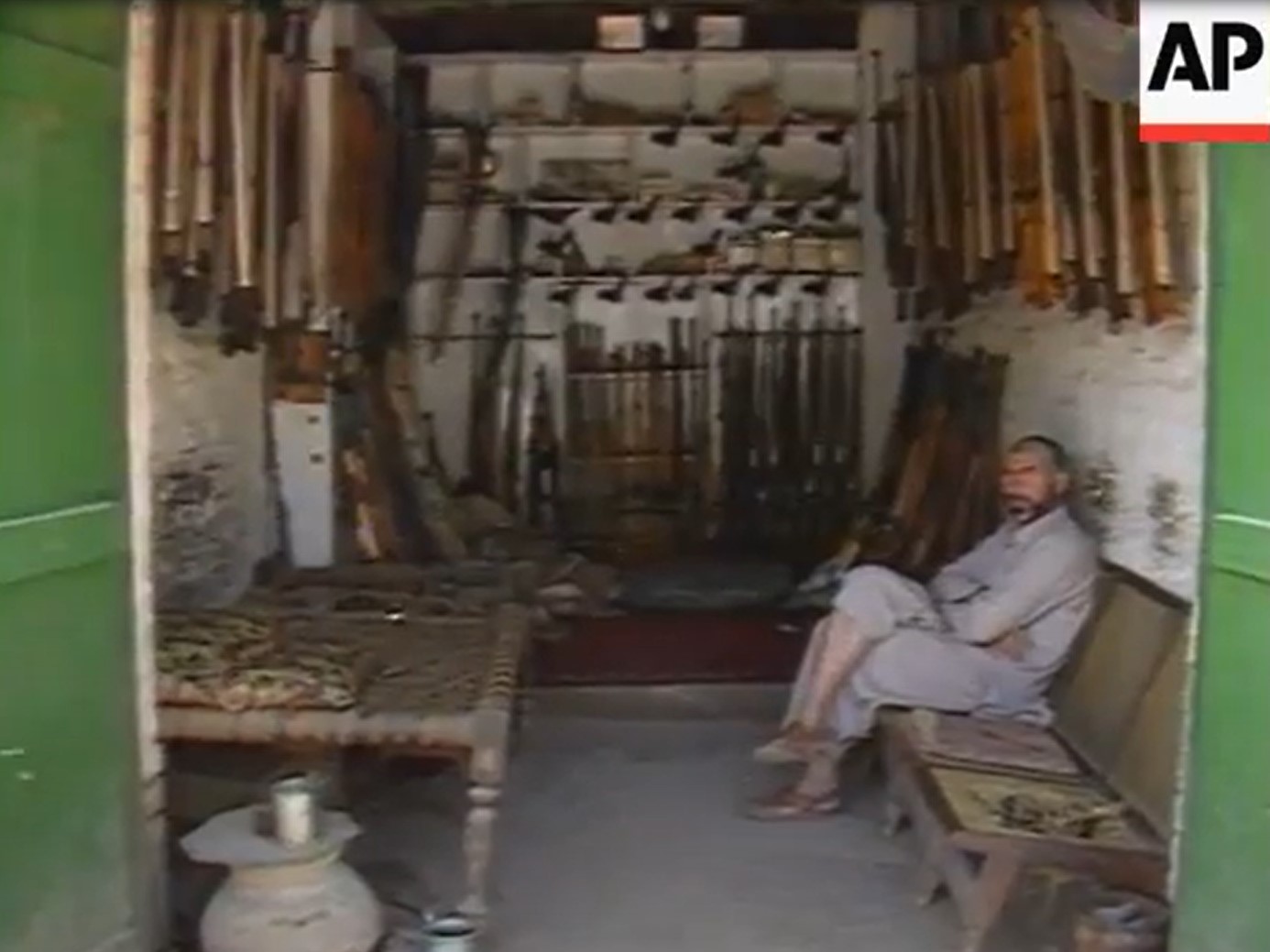
The focus of this article is a video which has been around for some time, yet seems to be somewhat obscure. So far, I have yet to see it shared amongst the firearm community interested in the Pak-Afghan region’s cottage manufacturing of small-arms. A total of 37 years, as of 2020, have elapsed since it was made and although the quality isn’t great, it is a glimpse into the distant past, a look at what process are still the same and what has changed since then.
Silah Report on the War College Podcast

Recently Silah Report’s co-founder Miles Vining and Adham Sharif, author and host of Silah Report’s own podcast, had the pleasure of appearing on the War College Podcast where they discussed Silah Report’s work, the cultural significance of weapons in the MENA region and just what a gold plated AK-47 can tell us about war. War … Read more
Pak-Afghan Finds: A Smith & Wesson Model 659 or Something Else?
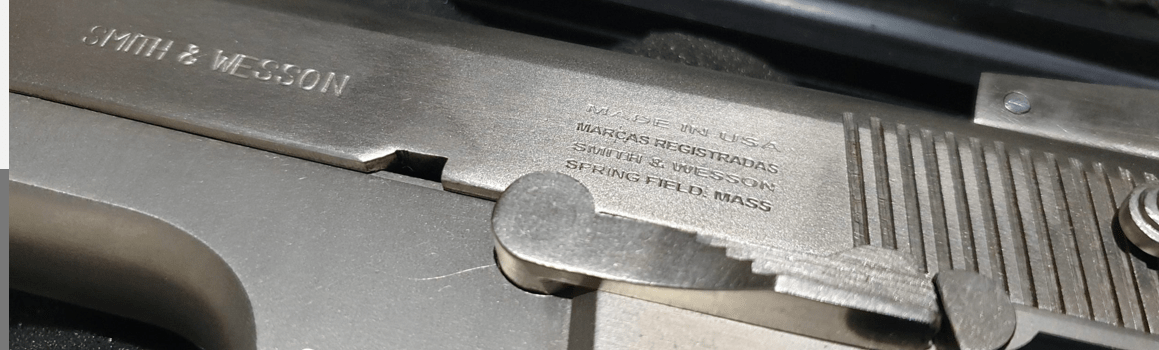
The Smith & Wesson 59/659 series pistols are not among the most common to find outside of the US. They are a reliable and dependable self-loading 9×19mm all-metal pistols which, despite being obscure, are definitely the factors that have led to a Pakistani firearms manufacturing company to make a copy of one variation.
V21: Marwan the Iraqi Gunsmith
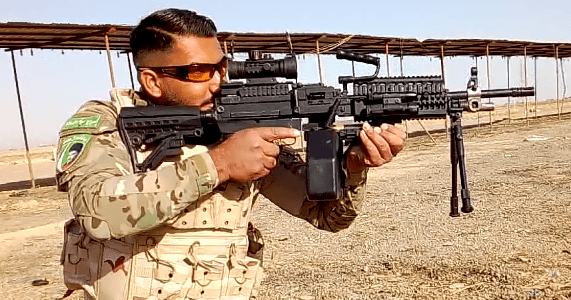
In the 21st episode of the Silah Report Podcast, an Iraqi gunsmith talks to us at length about his experiences in aesthetically converting a functional 7.62×39mm RPD Light Machine Gun into what could easily be mistaken for an FN Herstal Minimi, or the US-designated M249 Squad Automatic Weapon, 5.56×45mm light machine gun. He takes us on this journey of tinkering and acquiring spare parts, sometimes even carving items like the buttstock out of wood to make it appear to be a plastic one from afar.
Bren Light Machine Guns In The Pak-Afghan Region
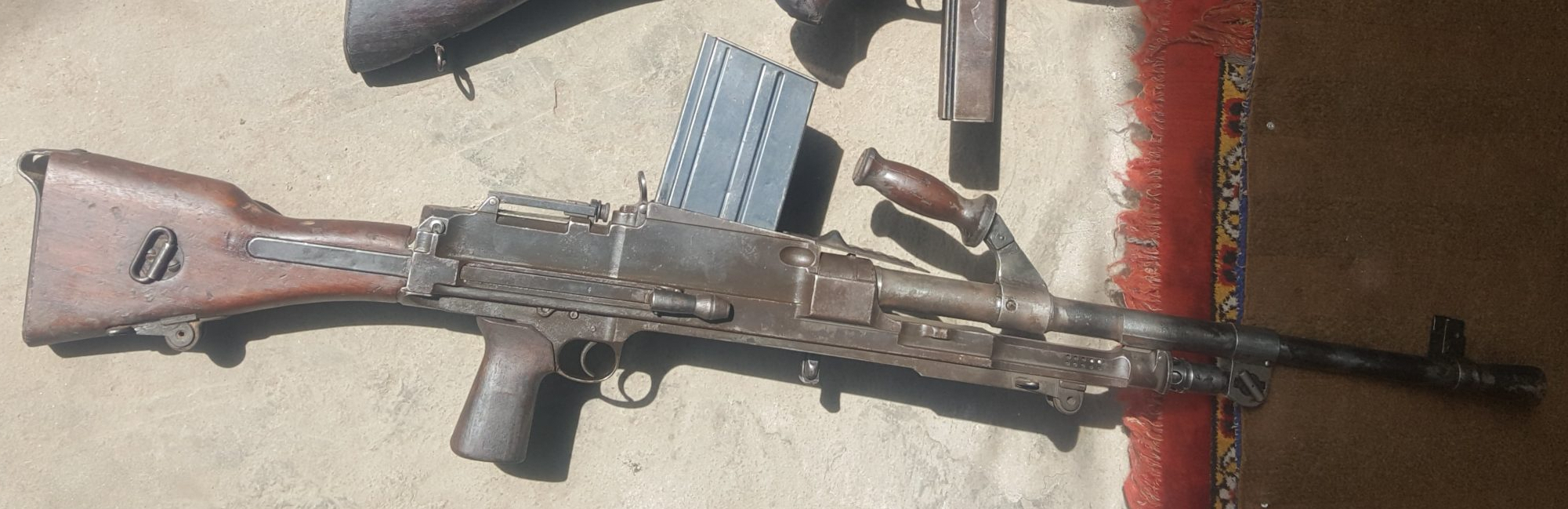
The Bren Light Machine Gun, most notable for its use during World War Two, with British and Commonwealth forces. It is an iconic piece of small arms history, its rugged and reliable design meant that it stayed in use for many years and in various calibres, from the late 1930s well up to the 1990s with the British military. It did see some limited use by other groups and militaries up until the mid-2000’s also. From our field work it now appears that there still a number of British Bren and Czech ZB vz.26-pattern guns in the Darra region.
Icon of a Movement: The Syrian ‘PKM’ Wooden Buttstock
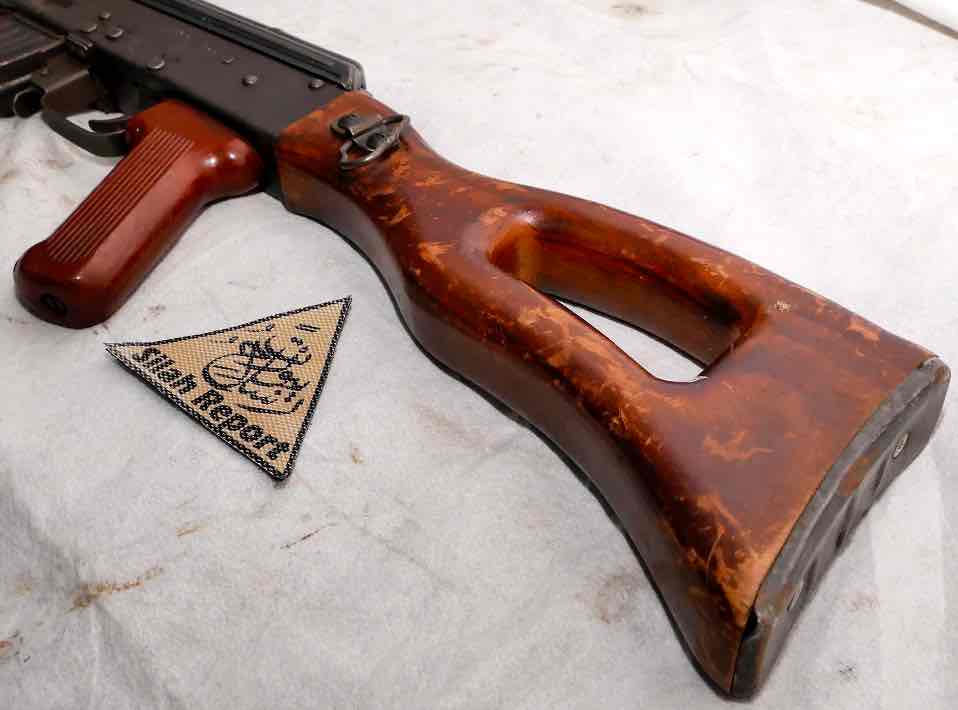
The supply conditions of the ongoing Syrian Civil War set the stage for a necessity of improvisation and invention. Where there is low supply, there is high demand that reflects through inflated market prices for small arms and equipment. This equation lends itself to the iconic PKM-inspired YPG Kalashnikov wooden stock that can be seen in service throughout initially what was the YPG, YPJ, and later morphed into the Syrian Democratic Forces (SDF). The stock itself comes from the Russian 7.62×54mmR general-purpose machine gun.
The Afghan Mujahideen’s ‘Poison-Bullet’ – Then and Now
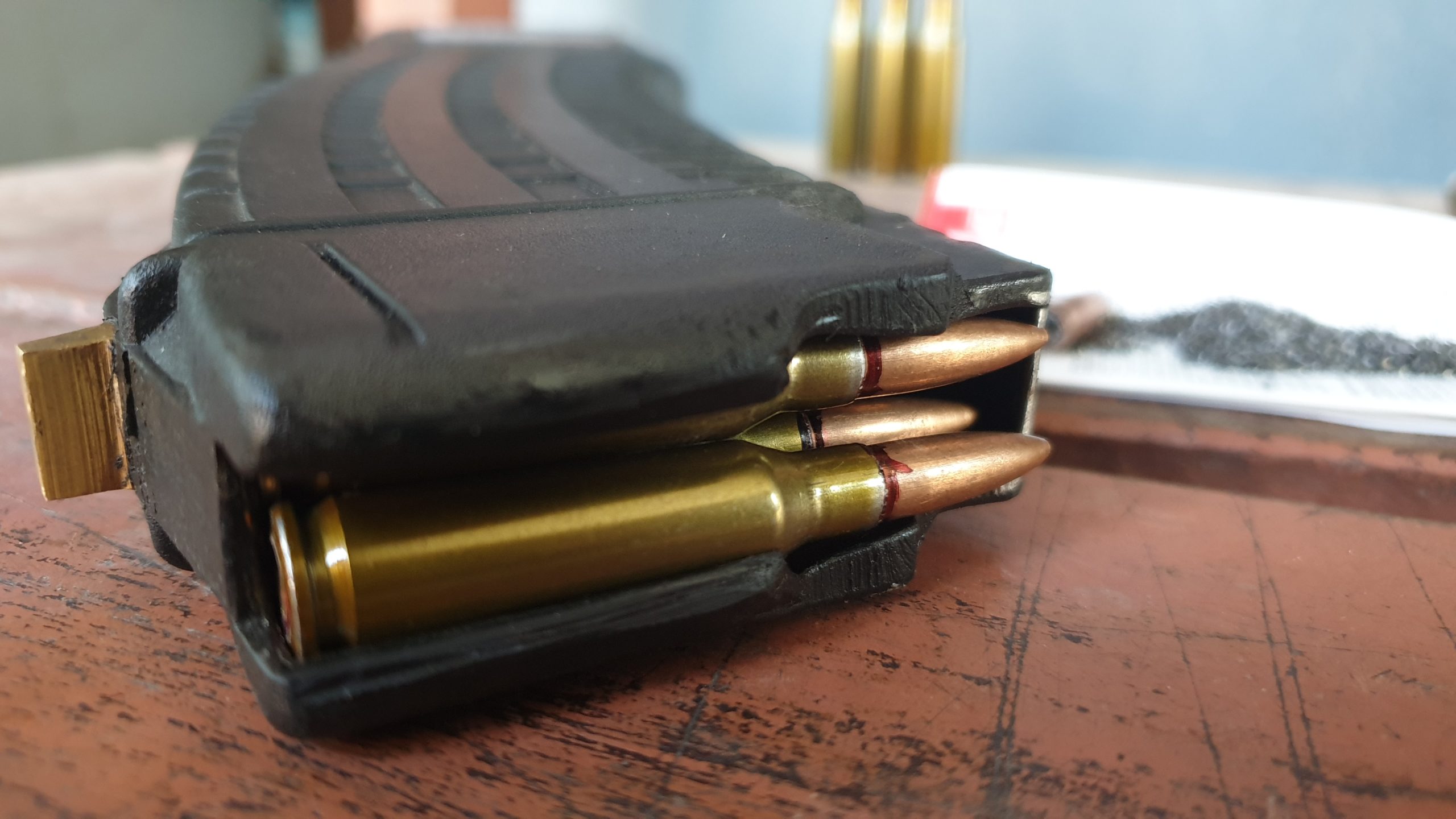
The 5.45×39mm intermediate round is of course not new, it has been around since the early 70’s when it was developed in Russia for the new AK project, later called the AK-74. This potent round was nicknamed the poison-bullet by Mujahideen in Afghanistan, during the Soviet-Afghan conflict of 1979-1989, due to its tremendous wounding effects on its target. Since then, the round has only gained in popularity within the Pak-Afghan region whilst other areas of the former Soviet-Union have moved away to different cartridges such as the NATO standard 5.56×45mm. The venerable 5.45 round is still in use by a small number of militaries, most notably the Russians.