Silah Report Announces Small Arms Working Reference Collection

It is often said among academics to work within the “Primary Sources” in order to have the most qualitative work while conducting research. At SR, we take this effort to heart and have been visiting numerous reference collections in the United States, not to even mention what we’ve collected and looked at in person while overseas in the regions that we study. Museum collections are fantastic and provide researchers an intricate look into what is out there. But due to our site’s location based in the United States, there is a legal firearms market that offers so much when it comes to studying small arms within the MENA and Central Asian Regions.

To that end, we’ve established a working reference collection that is primarily to be used by researchers associated with SR, but will of course be made available to any researcher with a legitimate interest in studying the small arms from these regions. Now, this is a “Working” collection and not a “museum” collection that primarily serves to conserve the artifacts within it. Unless it will drastically damage the firearm, we are absolutely interested in taking these old (and new) guns apart and of course firing them to gain insight into their operation.

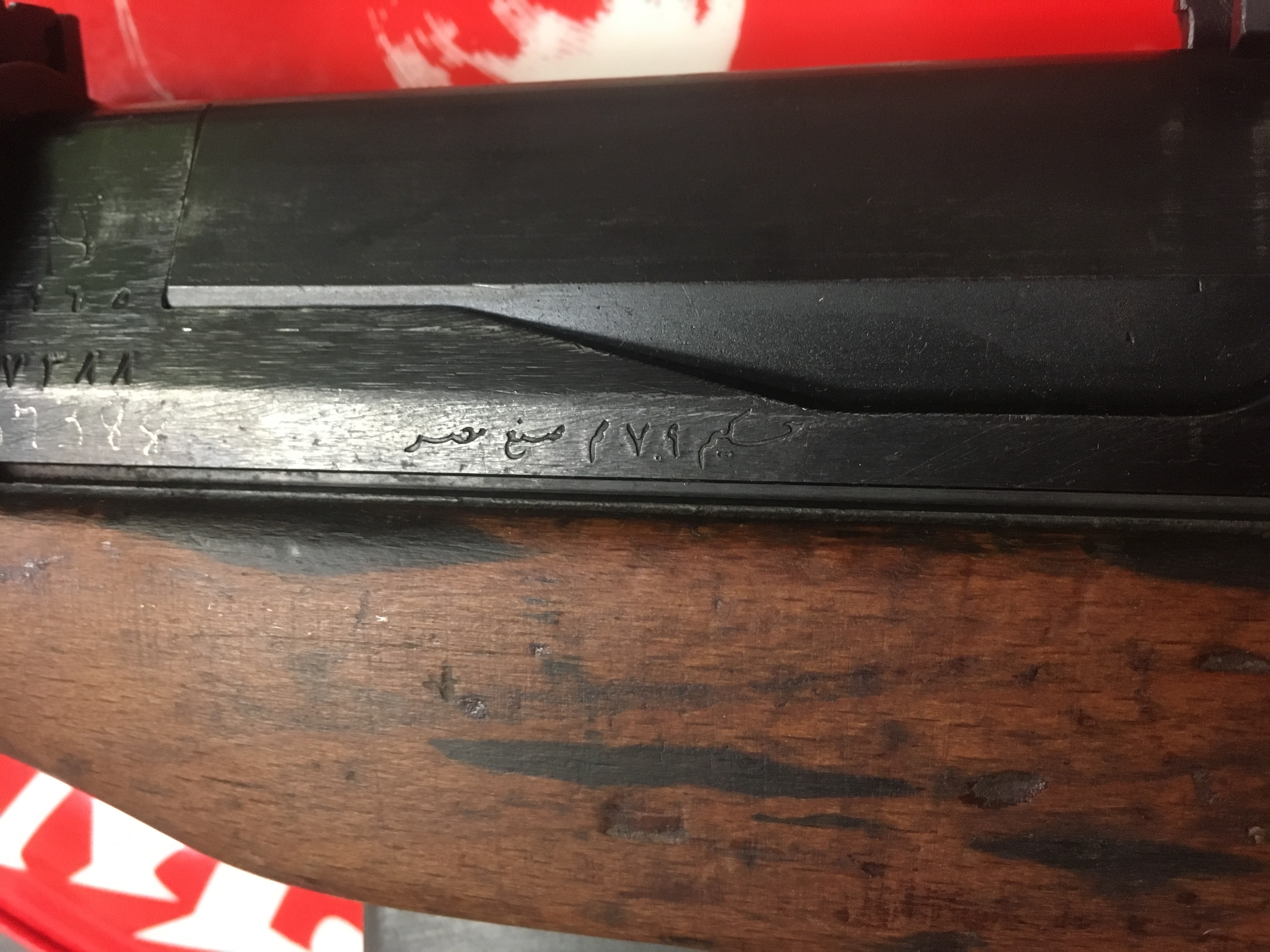
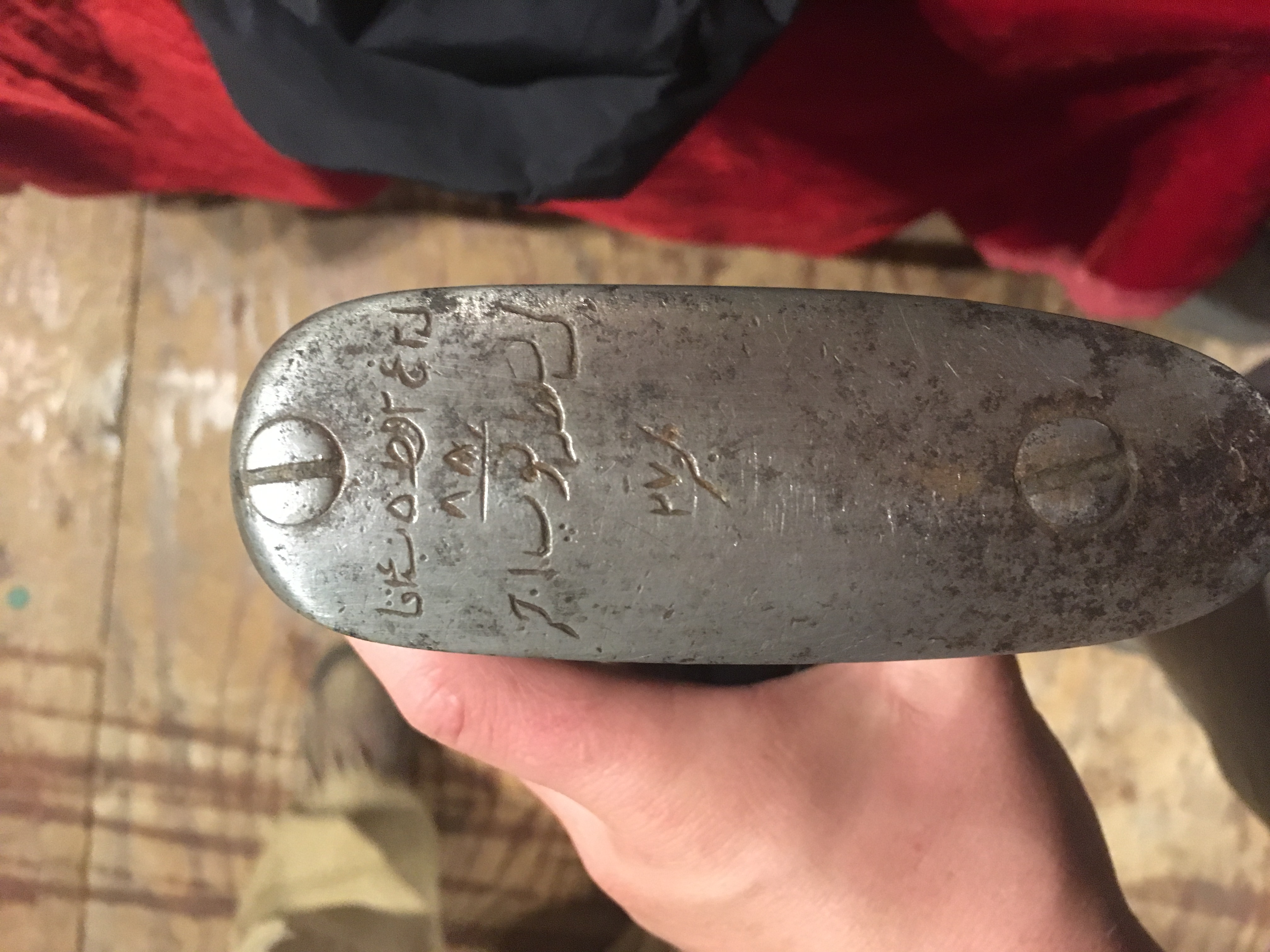
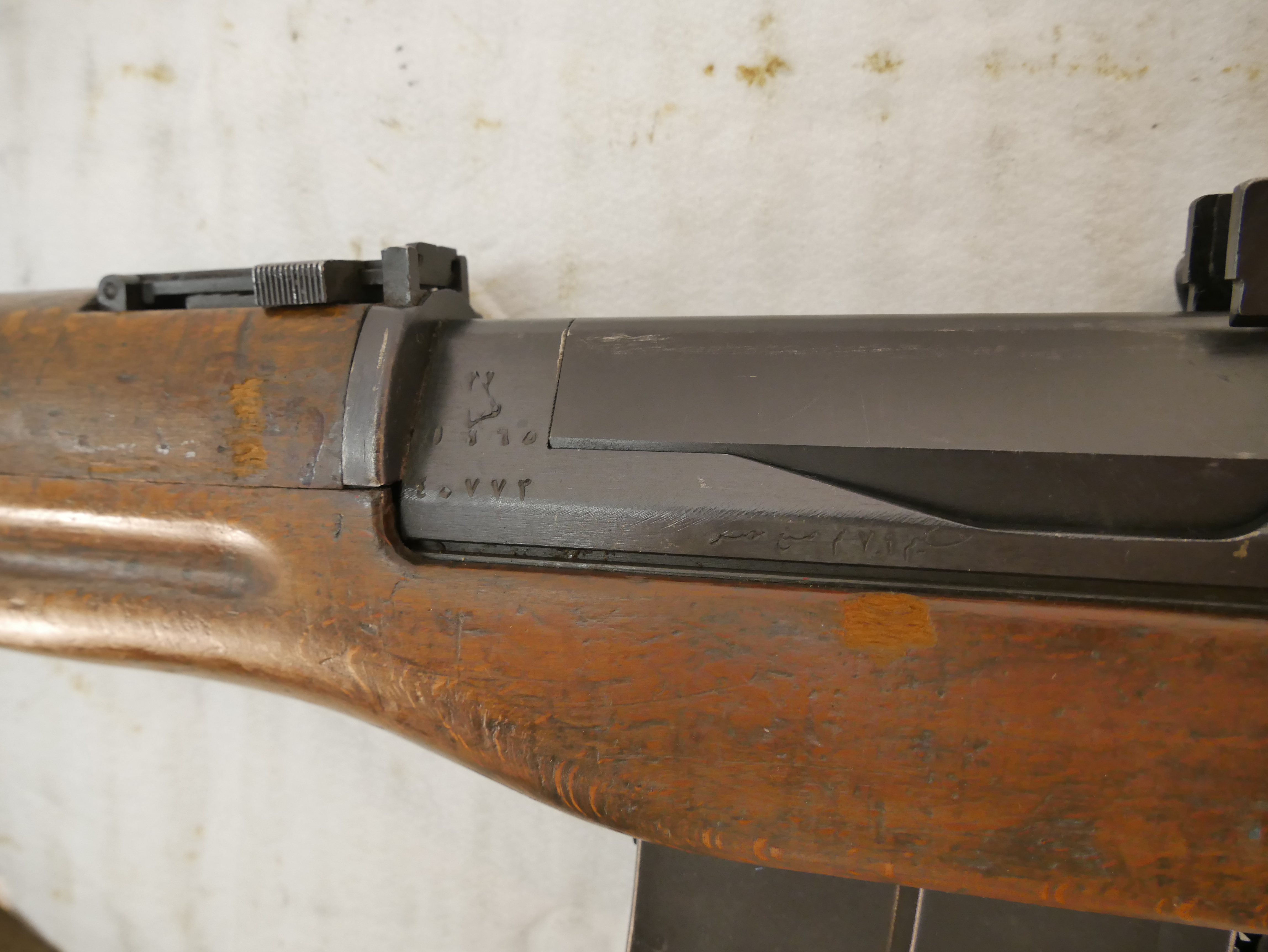
An Egyptian Hakim rifle from the collection.

Another point here is that the firearms coexist with their various accessories and accouterments, whether that be in a civilian or military capacity. Whether that be an Egyptian rifle sling or a leather Kurdish chest rig with ornate decoration covering it, all these come together to tell a historical story of religion, culture, and politics intertwining together sometimes in tragedy and other times in triumph.

Currently, the working reference collection can be viewed here as one of the components of our website.

We also have a simple ad posted on Armslist.com trying to get in touch with prospective sellers of what we are interested in. Of course, we cannot be buying everything, but we can be buying certain specimens that are good and genuine representatives of our subject matter.

Silah Report Interviewed by Brent Grayson, Host of Tactical Pay Podcast

Thanks to the host of Tactical Pay, Brent Grayson, Silah Report had the humble opportunity to discuss our research and why we as a team feel it is extremely important to cover the topics that are interesting to us here at SR.

The Podcast can be listened to here on Tactical Pay’s website.

As mentioned on the website, some of the areas of conversation that we covered are listed here-

  • How his tours in Afghanistan led him to start the Silah Report.
  • What it’s like to be a combat marine in an undergraduate classroom.
  • Why Miles chose to study Farsi and Pashto at Indiana University at Bloomington.
  • How the Silah Report gets inside scoops on arms trafficking.

….

Furthermore, for those interested in learning more about the countries that make up MENA, the Silah Report offers a region country database. In order to understand the news coming out of those nations, as well as better understand conflicts in those regions, knowledge of the countries is crucial. Miles Vining’s time in the military has had a tremendous impact on him, and informs everything written on the Silah Report.

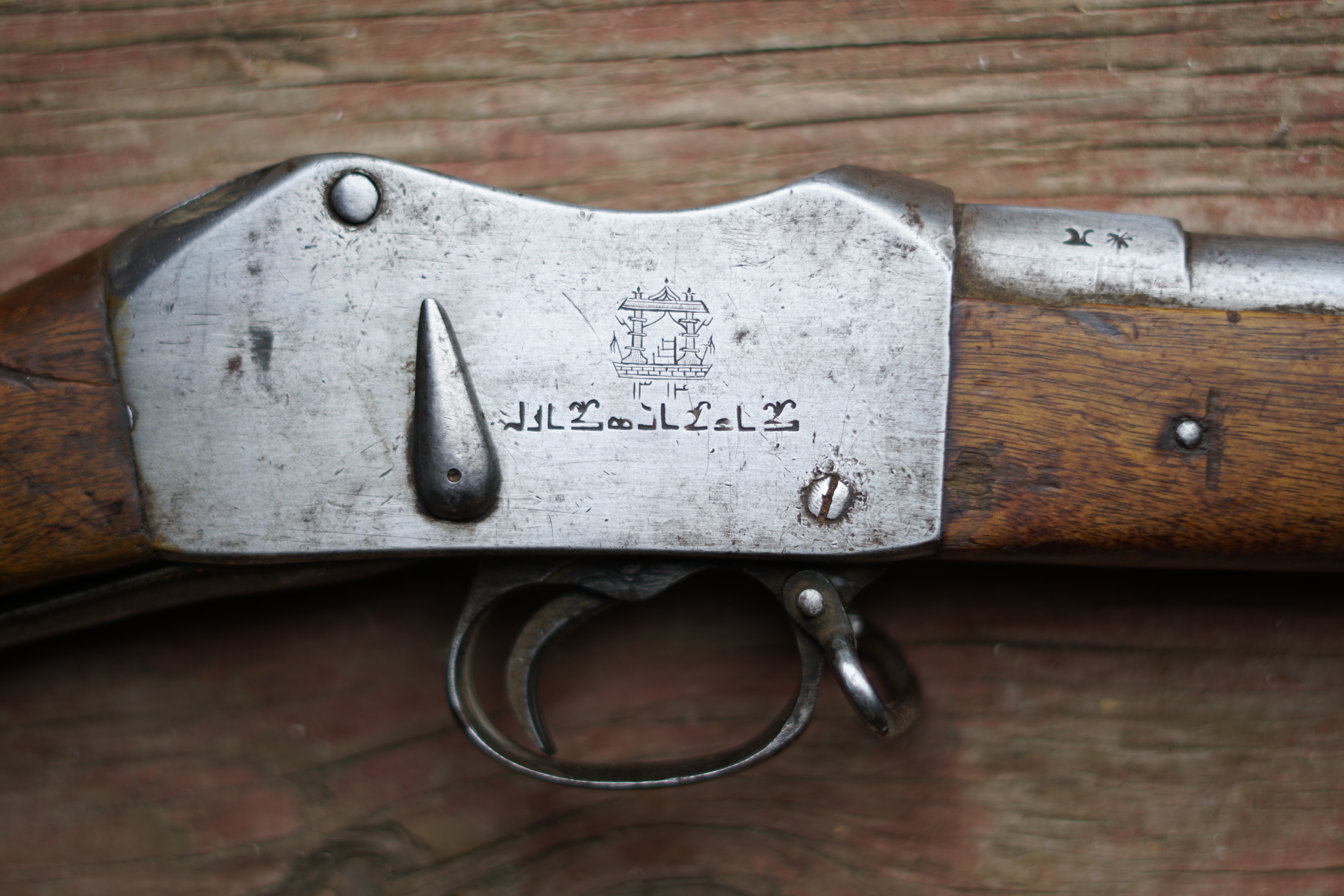
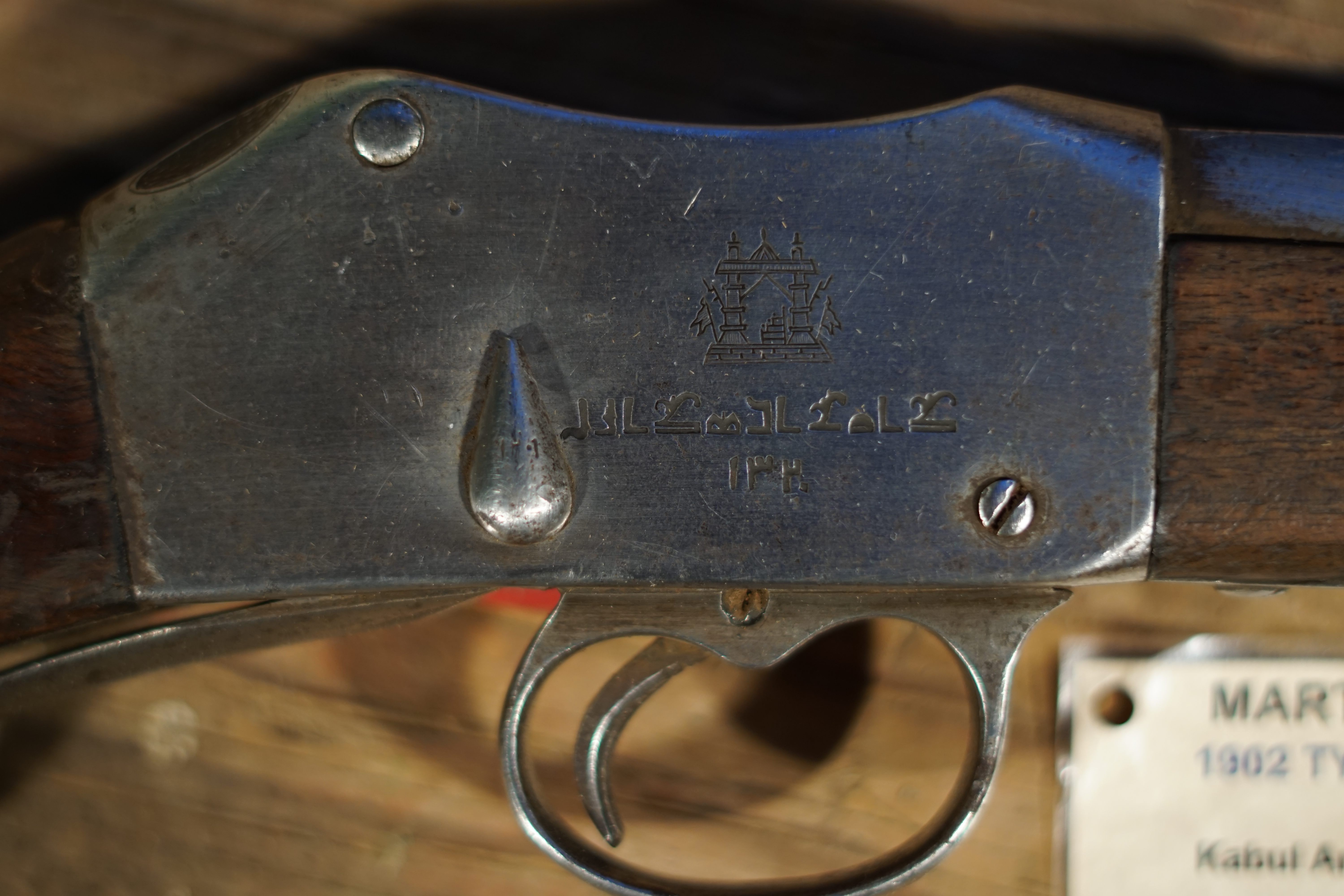
A Primer on Kabul Arsenal Martini Henry rifles

Jeffory is an avid reader and support of SR. This is his second guest article, the first being about a P’08 Luger found still working in Helmand province.

There was a time when anything that came out if Afghanistan was considered a “fake” Khyber Pass copy. Well, today we know this is simply not true. The British crown with the help Emir Abdur Rahman set up a modern arms and munitions factory in Kabul. Called, Mashin Khana by the locals. Today, we know it as the Kabul arsenal.

The Kabul machine works is a little-known and often very misunderstood producer of small arms. However, due to our recent involvement and presence in the region, products of this Armory are now making their way to the collectors Market in the United States. Often, when these rifles are encountered, they are Miss labeled as Khyber Pass made knock-offs and tossed aside as junk. This however could not be further from the truth. They are in fact rare and very under-appreciated firearms.

It is estimated that, between 5 and 8000 of each type of Martini-Henry variants may have been produced. Which, seven major types have been identified and classified. Extrapolating from there puts production figures between 35 and around 56,000 pieces. (V.Easley)

These figures do not take into account attrition, damaged or any rifles that were “lost.” Furthermore, these rifles were frequently scrubbed of there legitimate Kabul arsenal stamps. Then, they were re-stamped to make fake I.C.1 carbines and “Enfield” stamped Martini’s.


This was done by enterprising tribesmen for three reasons. The first being, to take advantage of the world known name and reputation of R.S.A. Enfield. The second, to take advantage of the antique rifle status of pre-1899 dated firearms. And the final, most important reason to go through all this work, to make money. More specifically, to make money off of American servicemen.

Taking these variables into account would put the number of surviving, originally produced examples somewhat lower. It is unknown at this time how many examples are currently in the United States, but one would reasonably assume far less than original production numbers. Making such examples, in my opinion, fairly rare to encounter.
(*NOTE- well these rifles have fake stamps on them to make them into “more desirable” models. They are still fully operational firearms. They are not to be confused with the poorly made and unsafe Khyber Pass knock-offs).

Afghanistan, as we might recognize it today, begin to take shape after the second Anglo-Afghan war. (1878-1880)This was a decisive British victory. From which, they installed a new, far more cooperative Emir, Abdur Rahman. He is considered to be the father of the modern state of Afghanistan. And with a modern State, you need a modern Army, and to have a modern Army so, you must have modern Small Arms. And the capability to produce them indigenously. All of which, the Emir was far too aware of.

Images credited to V. Easley Collection.

To be continued…

Essay: Use of the AKS74U “Krinkov” in Iraq and Lebanon

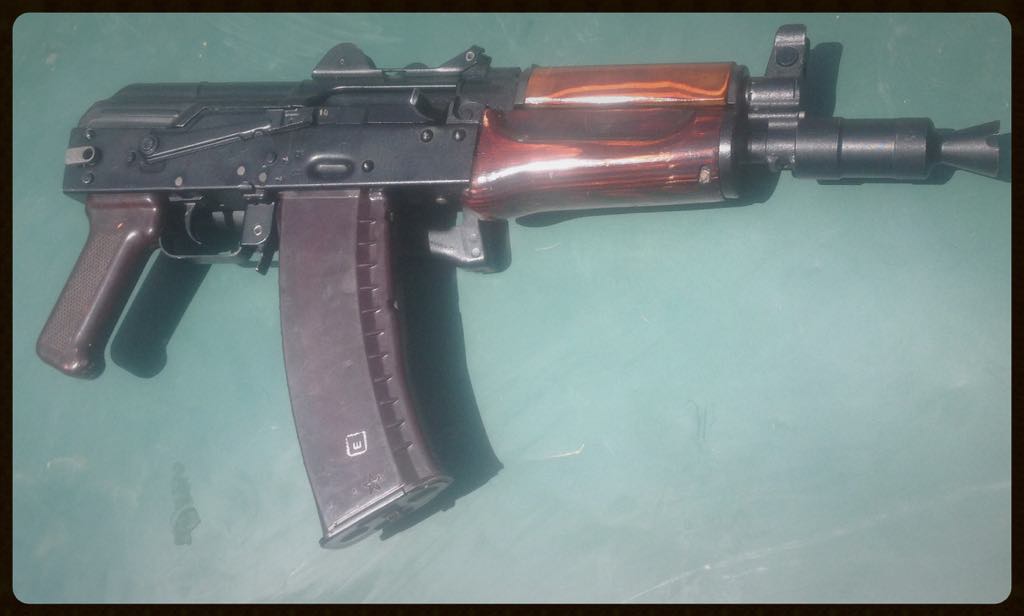
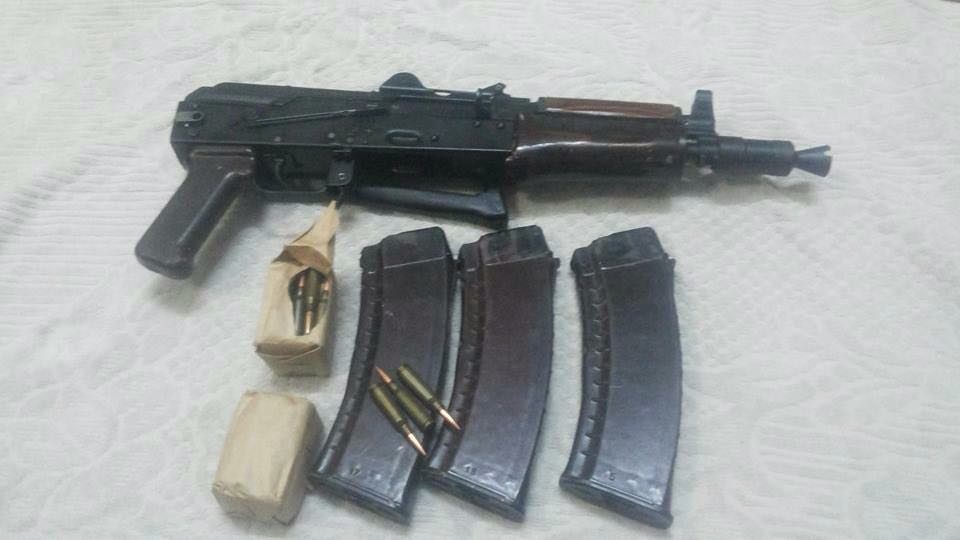
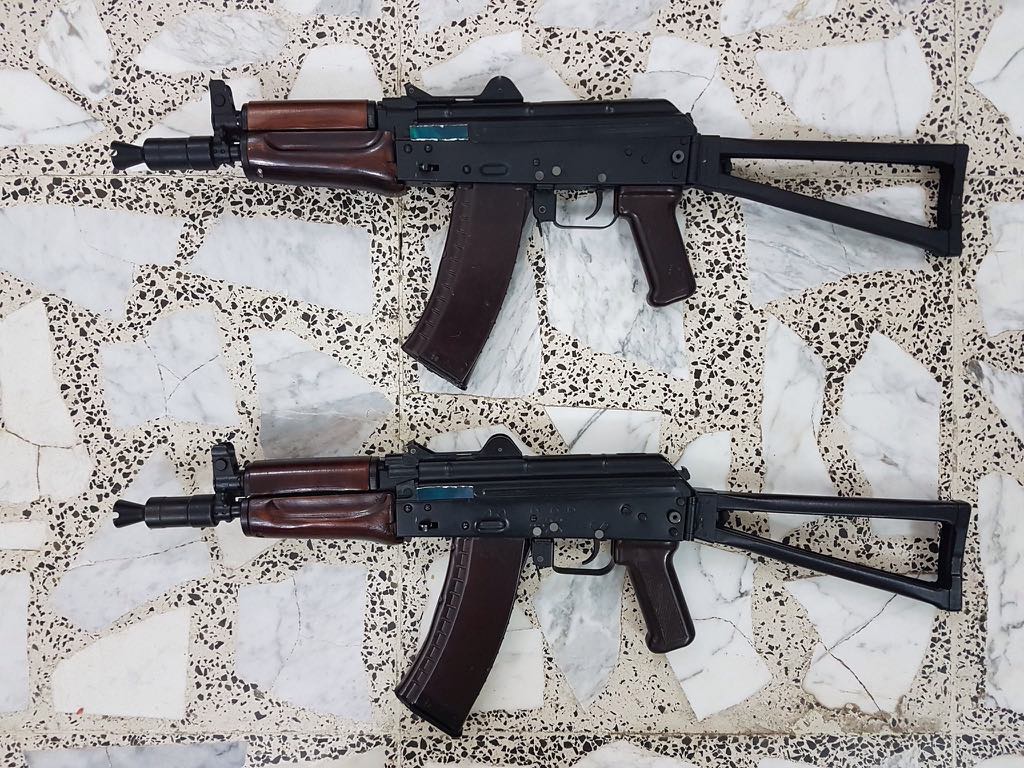
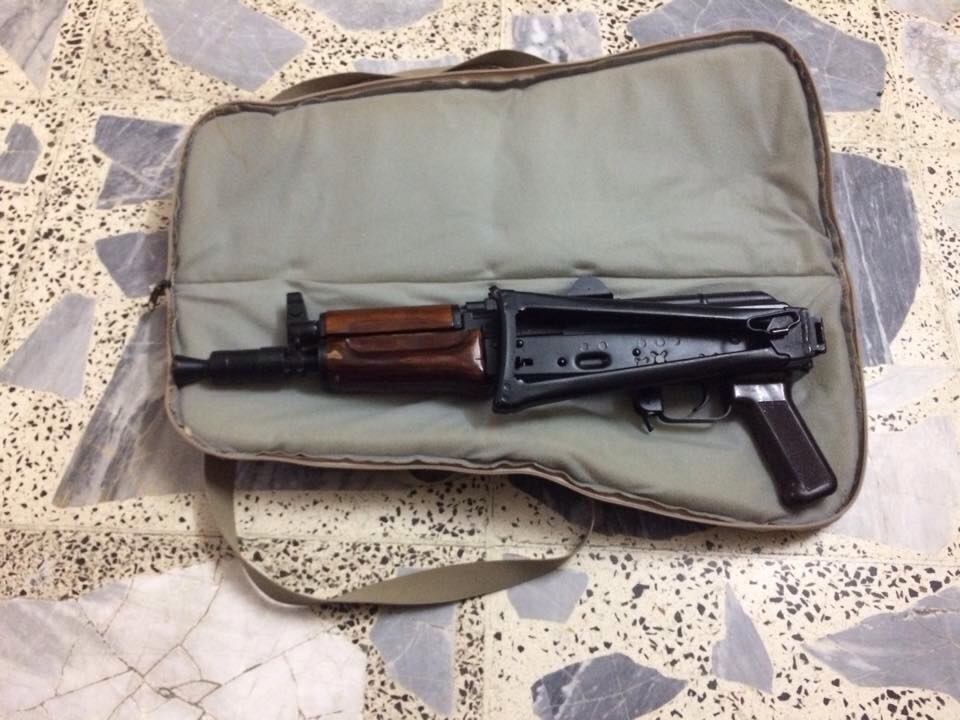
This article has been submitted to SR by a loyal friend and fellow small arms enthusiast in Iraq, discussing some of the proliferation of the AKS74U “Krinkov” within Iraq and Lebanon, in addition to its use in the region.

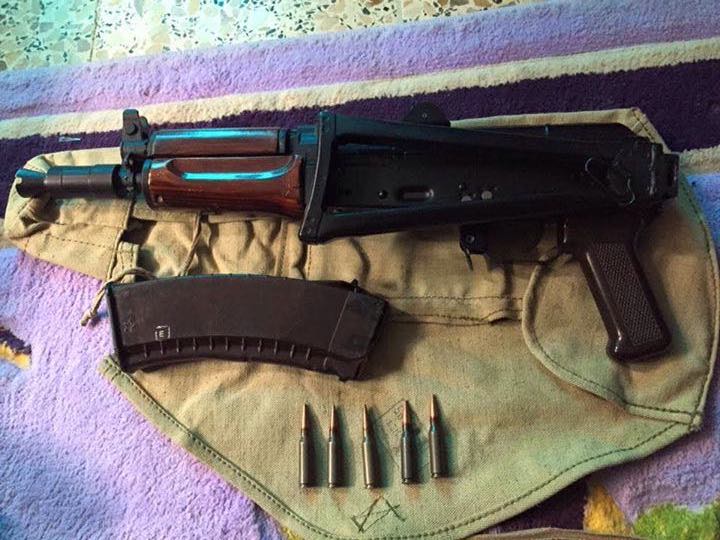
The AKS74U is often called the little beast in Iraq. Many people spoke about it’s history, action, production, development, etc. But I want to speak about two main topics: First is AK74 in general and AKS-74U within contemporary history in the Middle East. The second topic is AKS74U history and variants in Iraq.

In the Middle East, the AK47 platform had a long history since the 1950s as most of the countries supplied their armies with it either from USSR or other manufacturers (Polish, Bulgarian, Chinese, etc… ) but as I mentioned it was AK47 that was mainly in use until the Syrian conflict in 2011 and the Russian role in 2015 when the AK74 was introduced in significant numbers from the Russian forces and also from some ISIS members who came from Chechen or other former Soviet territories. The version is mostly AK74s with some AKS74Us in very small numbers.

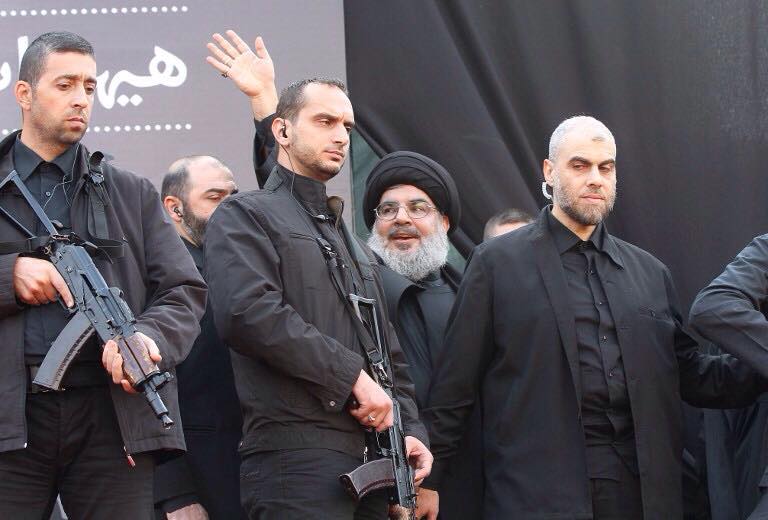
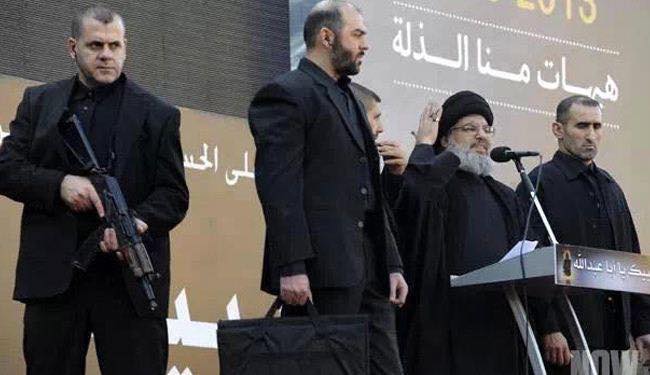
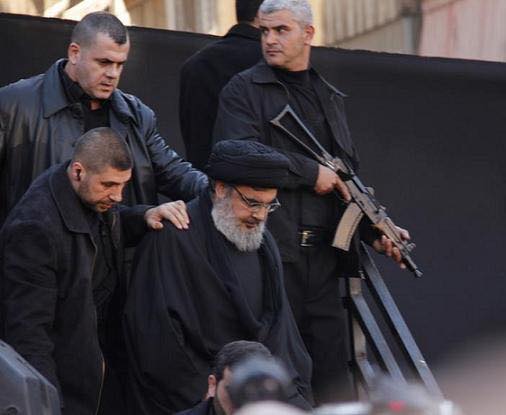
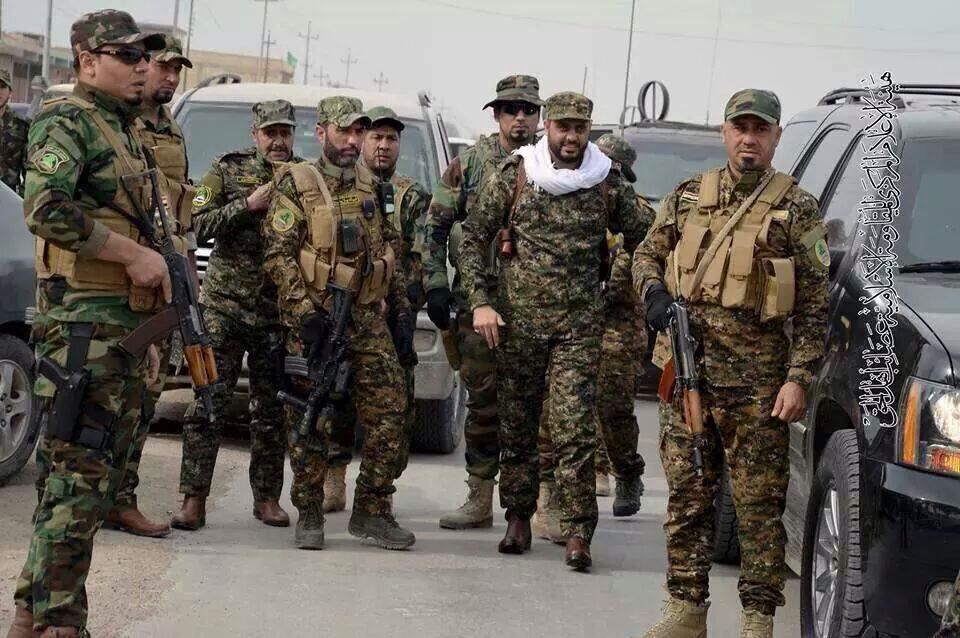
Lebanon had a little history with AKS74U as Mr.Hasaan Nasrallah’s (leader of Lebanese Hezbollah party ) bodyguards use it as their main firearm , there are is some information that Mr.Hasaan Nasrallah sent a couple of hundred of Krinkovs to the Iraqi section of the Hezbollah party after liberating Takrit from ISIS in April 2015 as a gift to Iraqi fighters who showed bravery in the battlefield.

In Iraq, many Krinkovs found their way to the black market either from the Lebanese gift or from smuggling through unknown routes, the main difference among those is that the Lebanese Krinkovs were 1987 and 1988, never fired with 2 spare mags (in most of these cases) but the others were earlier production 1986 and 1985.

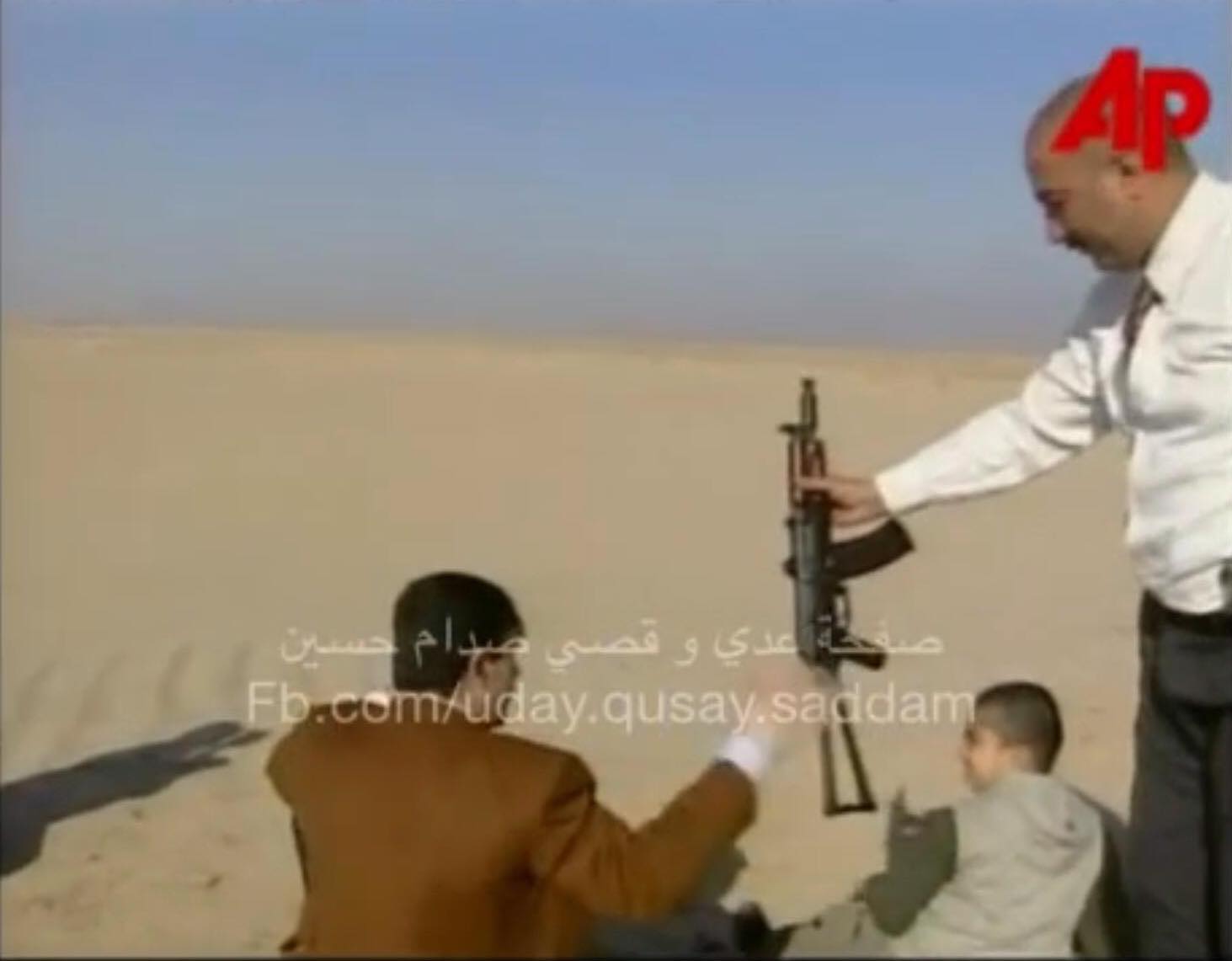
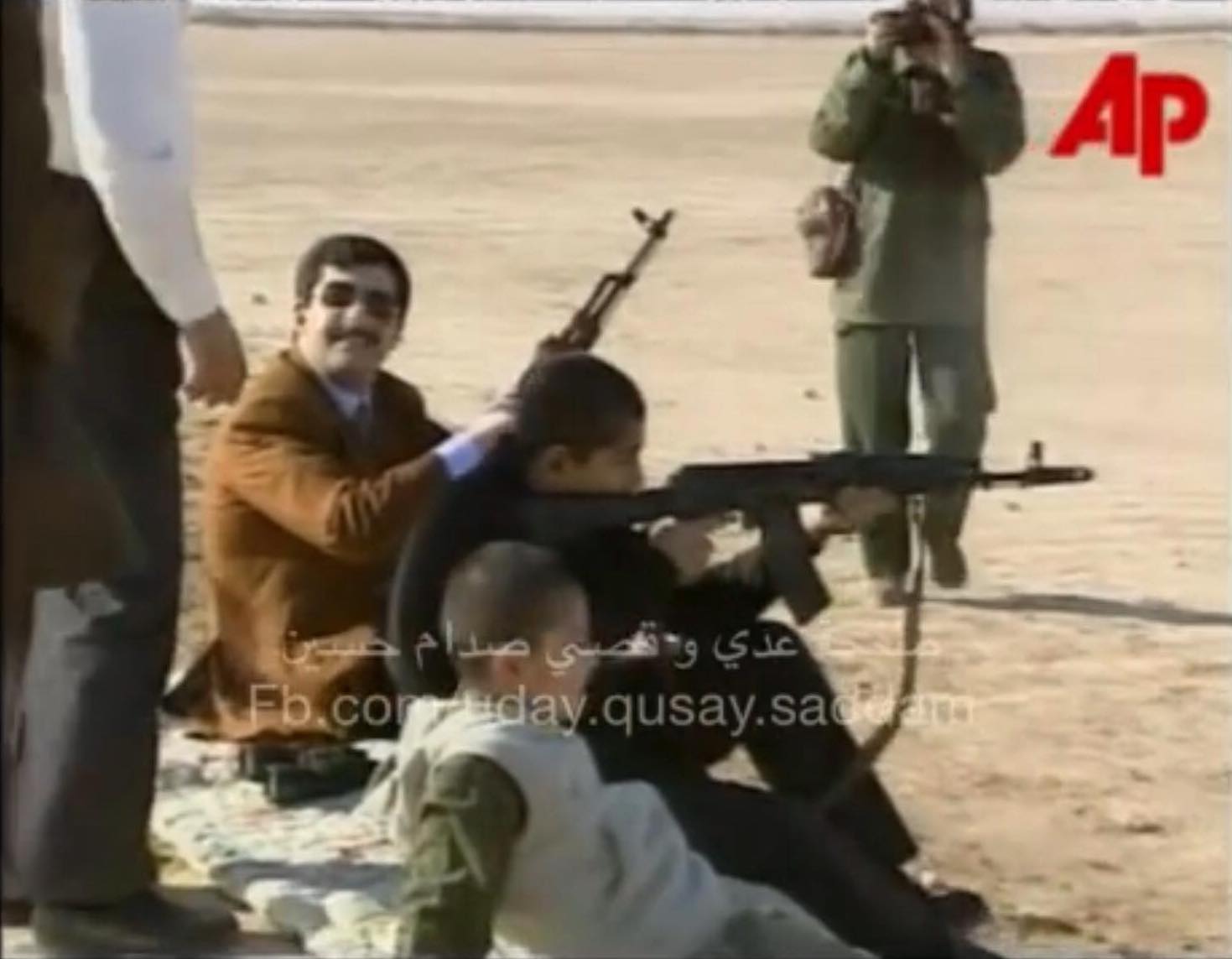
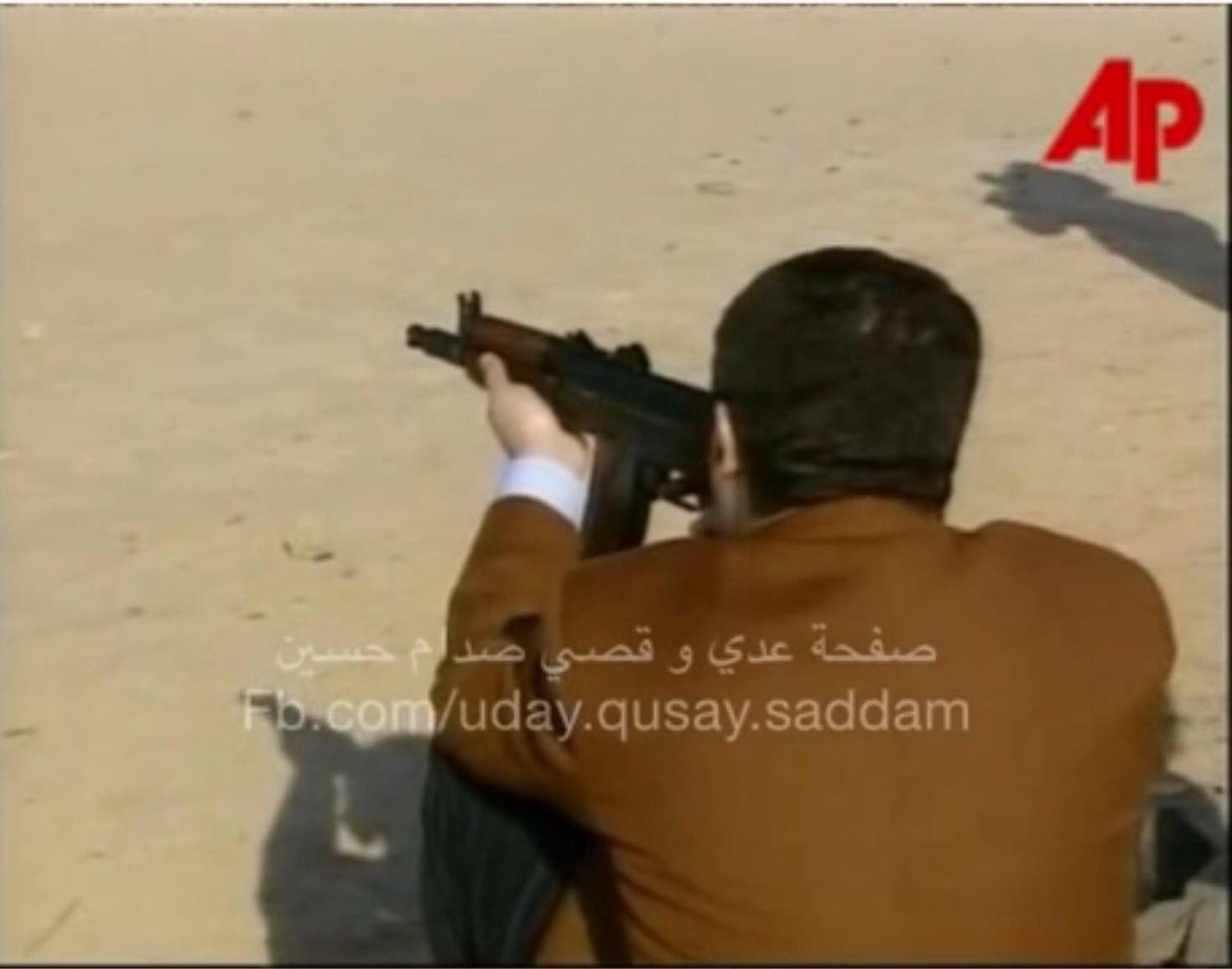
After the United States took down Saddam Hussein in 2003, a videotape was leaked showing Saddam’s son, Qusay, shooting Krinkovs with his son, Mustafa. The video is recorded in the late 1990s or early 2000s when I can be sure that it was a special order with other AK74s.

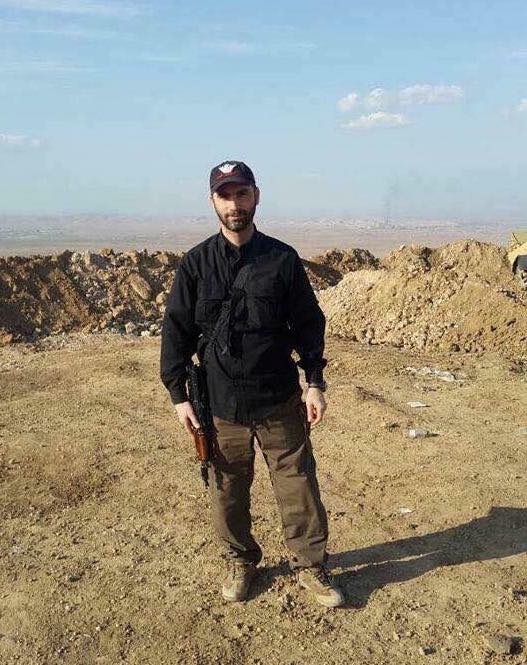
I think the number of Krinks in Iraq is less than one thousand pieces which is not used by the official government military or police forces but used by some politicians and Muslim clerk’s bodyguards. In addition to private individuals who can offer about $4000-5000 to own “The Beast”

A Look at the Hakim Service Rifle within Modern Egyptian Memory

This post has been written by a friend of the Silah Report, Adham S. Adham is a native Egyptian himself who has taken a look at the Hakim service rifle through the lens of a historic relic in modern Egyptian history. He runs an excellent Twitter feed called Bewildered Arab.

A relic from the past, Hakim used to be the standard rifle in the Egyptian armed forces before Egypt switched to the 7.62X39. Chambered in 8mm Mauser, it’s a very deadly and accurate semi-automatic rifle. The rifle now is considered a Curio and Relic firearm by the United States’ Bureau of Alcohol, Tobacco, Firearms and Explosives. Indeed, its design is ancient, the rifle now belong in either a museum or some firearm owner who seeks to add yet another exotic rifle to his collection. Some take it out to the range on a good sunny day, some just have it stored up collecting dust. Either way, they can’t access the Hakim’s secrets. I am not speaking about its physical design or the tools used to manufacture it, but something else. The “soul” of the rifle itself is what they will never be able to touch, feel, or embrace. They aren’t native Egyptians, and no matter how badly an owner loves the rifle, he will never be able to synchronize with its soul. Go hand the rifle to an uneducated Egyptian peasant who got conscripted and given run of the mill Maadi AKM and tell him “This rifle, your country made that rifle.” Once you have seen the look on his face, you might perhaps find some sense in what I said.

Why though? Why the Hakim? Egypt’s military industry produces a variety of weaponry and munitions, what’s with the attachment to the Hakim. Even before the Hakim’s creation, Egypt used to manufacture armaments, why specifically the Hakim? I would chuckle at first if someone asked me that, then I might proceed to fail to contain my tears as I try to provide an answer. That rifle, was born with Egyptian hope, dreams and ambitions embedded into it. Egyptian workers in the Factory passed on all of that as they were producing the rifle. All of that became part of the rifle’s soul. The rifle became an embodiment of the bright future the Egyptians believed that one day it will become a reality.  A reality never came, but what came was conflicts and battles, from the never-ending series of mountains in Yemen, a top cliffs and in villages, facing hordes of royalists charging like a Human tide, to snipers hiding behind ever rock and inside every cave. To the hot deserts of Sinai, where the Sun is as ruthless as the IDF’s armor blitzkrieg.

What came after the wars was worse, corruption, decadence, collapse of education, nepotism, cronyism at every level of society, downfall of logic and reason that coexisted with faith to the backward mentality of Wahhabism that almost monopolized faith due to Saudi oil money. Terrorism and insurgency due to all the reasons mentioned previously and that’s just for starters. Economy is collapsing faster than any Egyptian can blink, apprehension for the crime of expressing your views is even faster.

What can we do? What can I do? I turned my head while asking these questions and saw my imaginary Hakim resting on the wall beside the door. I can feel it staring at me, at us, the rifle might not be perfect, but it didn’t fail us, we failed it. I have yet to find someone who complained about the quality of the Hakim. The Hakim, even with its flaws, was made to be a survivor of battles, no matter how many warzones it witnessed, it will still be a reliable weapon that could save it user’s life. The rifle knew what it was made for, to defend our future, no matter how terrible or how many warzones it must face. The rifle’s design might have been purchased from Sweden and the tools, but it was built with Egyptian hands and filled with our dreams. The very dreams my people betrayed.

We had the chance of becoming a developed nation, we had the chance of becoming a beacon for hope in a region overwhelmed with wars, diseases, corruption and ignorance. We could have been better, this rifle proves it, and the HA-300 project proves it. The Hakim feared it might become incapable of fulfilling its role, but with all its wisdom “Hekmah”, it couldn’t have foreseen our failure.

The sadness overwhelms, the Hakim doesn’t ask you, the Hakim doesn’t bother you, but it bothers us. It will keep haunting us until we become better. The rifle will keep asking why, until someday in the future, in the hot sands of Sinai, cities are built, factories are built, we no longer depend on the fragile tourism, and a well-educated regular marksman with a DMR “Hakim-2” stands at his post staring towards the East and believes deeply inside of him, when the time calls, the Hakim-2 will not fail him, Hakim-2 will keep on its ancestor’s path. Till then, the sadness overwhelms and the shame is heart ripping.   

SR is Interviewed by Popular Front Podcast!

Recently Silah Report had the honor of being an interviewee on the Podcast ran by the journalist Jake Hanrahan, otherwise known as Popular Front. The episode is entitled “Tracking Guns Across the World with Silah Report” and is available for download on iTunes, Soundcloud, and Spotify for any readers who are interested in listening in.

We talked about the scope of Silah Report’s research and article content, most of which will have been very familiar to any reader of our blog. For example, we covered the presence of Sudanese contract AR10s in Yemen, the encroachment of Beretta ARX160s in Central Asia and M1 Garands present in Iran (original TFB work). We covered some other topics as well, but I’ll let readers listen in to hear the rest.

At Silah Report we’re very thankful for the opportunity to be present on the Podcast, and are proud of the small community of writers and readers that believe in what we find fascinating and interesting. Thank you.

The Muscat Martini: Martini Pattern Rifles in Oman

This guest article is written by Christopher Cowan, an avid reader and supporter of Silah Report.

Alongside Brown Bess muskets and Lee-Enfield pattern rifles, Martini pattern rifles are perhaps one of the most iconic and ubiquitous guns of the British Empire. First fielded in the 1870s, the Martini-Henry saw service in all corners of the Empire, from the plains of the Serengeti to the peaks of the Hindu Kush.

The Martini-Henry Rifle. Photo courtesy Creative Commons.


A single shot rifle, the Martini Henry utilizes a falling block action. It is chambered in the rather burly .577/.455 Martini Henry, a .45 caliber round-nosed slug fitted into a necked-down .577 Snider casing. The Martini Metford and Martini Enfield were the natural progression of the platform. Both firearms utilize the same falling block action, merely rechambered and/or rebarreled in .303 British. By the time they were fielded in the mid 1880s, they were of little practical use to frontline combat units given the adoption of the magazine-fed Lee-Metford (1).

That said, both the Martini Metford and Martini Enfield saw continued use among local colonial forces, as well as by civilians as sporting rifles (2). Perhaps owing to its proliferation, reliability, and simplicity, Martini-pattern rifles existed long past their official retirement as a service rifle. Widely manufactured and traded across the Middle East and South Asia for a good deal of the 20t h century, these rifles saw usage among irregular fighters as late as the Soviet invasion of Afghanistan. While likely the last time Martini-pattern rifles saw any serious usage in armed conflict, examples continue to turn up on occasion (3).

The proliferation of Martini-pattern rifles throughout South Asia is a subject for another article if not a book. Beyond Afghanistan and Pakistan, Martini-pattern rifles have remained prolific in the Sultanate of Oman. Martinis are as common a sight in souvenir shops in Muscat’s Sooq Mutrah as they are for sale alongside other assumedly functional firearms in Nizwa Sooq.

Martin-pattern rifles for sale alongside other firearms in Nizwa Sooq, Nizwa, Oman. Note modifications to the rifle in all three photos, including the polished receiver and refinished stock and handguard of the latter example. Photos by author.

Given Oman’s history, the widespread presence of the Martini-pattern rifles is understandable. Oman has historically occupied a major crossroads of Indian Ocean trade; at one point the Omani Empire itself stretched from Zanzibar off the coast of modern-day Tanzania to Gwadar, modern-day Pakistan. At the center of this empire was Muscat. Even following decline in imperial power and prestige, Muscat remained an important center for trade well into the early 20t h Century. Trade in all manner of goods, including weapons, was largely unrestricted; Muscat subsequently grew into a major regional hub for arms trading at the turn of the century (4).

While the early Twentieth Century marked a high-point in the proliferation of Martini-pattern rifles in the Arabian Peninsula as well as South Asia, Martinis remained popular weapons in Oman until rather recently. There are cases of them being used to hunt the now-protected Arabian Oryx in the 1960s, as well as documented cases of their use by irregular fighters in the Dhofar War during the 1960s and 1970s (5).

Al Wahibi Bedu man with his Martini-pattern rifle. Note the ornate barrel bands as well as the khanjar – or dagger – affixed to his belt. From “Bedouin: Nomads of the Desert” by Alan Keohane.

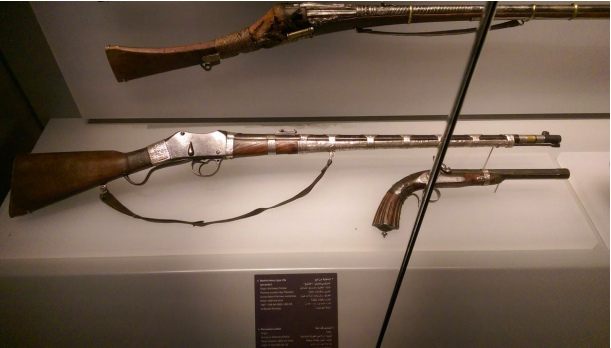
To this day, it is possible to occasionally see Martini-pattern rifles toted for ceremonial as well as practical purposes. In Dhofar, for example, shepherds can be observed carrying Martini-pattern rifles to protect their animals from predators. As a ceremonial piece ornately decorated Martinis are a commonplace, as are their accompanying cartridge belts. Both are often highly decorated, and frequently observed for sale to tourists. Good examples of both can also be observed in the National Museum in Muscat.

Examples of Martini-pattern rifles and cartridge belts at the National Museum in Muscat, Oman. Photos by author.

Despite being outdated by modern firearms technological and doctrinal standards, the Martini-pattern rifle has persisted long past its official military retirement in both a practical and cultural capacity. There just as much to be said of the simple elegance of the design as there is the skill required to use one effectively. Likewise, the continued prominence of the Martini-pattern rifle in Arabian firearms-culture alongside other weapons speaks to the eminence of the rifle.

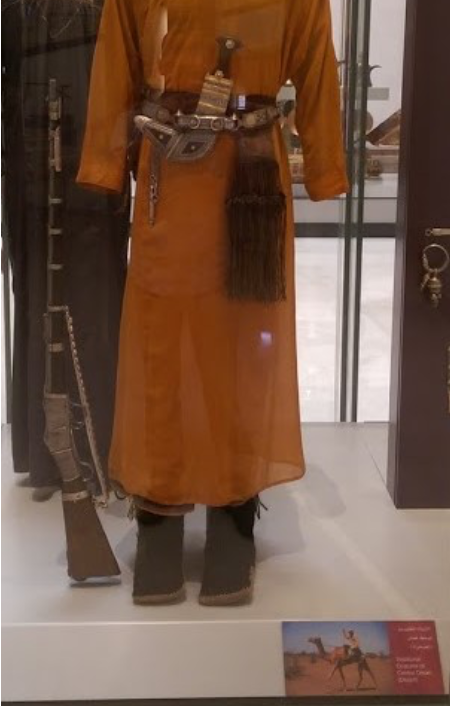
Various examples of Martini-pattern rifles and cartridge belts at the National Museum in Muscat – including alongside the traditional garb of central Oman. Photos by author.

Sources

(1) Rifles and Machine Guns
(2) Rifles and Machine Guns
(3) https://atwar.blogs.nytimes.com/2010/12/10/rifles-of-advanced-age-remain-in-use-in-afghanistan/

(4) R.M. Burrell 10; Arming the Periphery 116 5 Oryx Martini; 9781780969053

Works Cited

Burrell, Robert M. “Arms and Afghans in Makrān: an episode in Anglo-Persian relations 1905–1912.” Bulletin of the school of oriental and African Studies 49, no. 1 (1986): 8-24.

Cashner, Bob. The FN FAL Battle Rifle. Botley, Oxford: Osprey Publishing, 2013.

Chew, Emrys. “3: The Arms Trade in the Western Indian Ocean.” In Arming the Periphery: The Arms Trade in the Indian Ocean during the Age of Global Empire, 98-159. Basingstoke (GB): Palgrave Macmillan, 2012.

Chivers, C.J. “One Way to Retire an Old Rifle.” The New York Times. December 10, 2010. Accessed June 02, 2018.

https://atwar.blogs.nytimes.com/2010/12/10/rifles-of-advanced-age-remain-in-use-in-afg hanistan/.

F, Nathaniel. “Jumping The Gun (Literally): Saudis Dancing With Guns.” The Firearm Blog. August 12, 2015. Accessed June 02, 2018. http://www.thefirearmblog.com/blog/2015/08/12/jumping-the-gun-literally-saudis-dancin g-with-guns/.

Fowler, Will, and Patrick Sweeney. The World Encyclopedia of Rifles and Machine Guns. London: Anness Publishing, 2007.

Keohane, Alan. Bedouin: nomads of the desert. Trafalgar Square, 1994.

Leung, Canice. “Jumping the Gun | Pictures.” Reuters. August 11, 2015. Accessed June 02, 2018. https://uk.reuters.com/news/picture/jumping-the-gun-idUKRTX1NTN7.

Loyd, M. “The Arabian oryx jn Muscat and Oman.” African Journal of Ecology 3, no. 1 (1965): 124-127.

The Voice of the Gun in Central Asia

This guest post was written by Marcello Fantoni, an avid reader and supporter of Silah Report.

“The question is not about the weapon, but the spirit in which you use it.”(1)

For those raised within the dichotomous paradigm of Westphalian war and peace, war is the end of sociability, the exhaustion of every social recourse. Likewise, when that war is over, and sociability is said to return the memories of fracture become encased in temporal and Cartesian distinctions, the material culture of conflict sequestered to the appropriate sterile cases in the vaults of armouries and museums. Yet, conflict is inherently and inescapably sociological (2). It is the birth of a new form of sociability, on the level of both the individual and the collective, and this is a relationship in which the material culture of conflict retains an agency beyond the moment of fighting itself. It is not a relic but becomes the assurance against repeat and symbolic of the new addition to the cultural history and citrisis of a society. We have seen time, and again that material culture is good for thinking, feeling and expression, even eating and drinking (3), but we must, however, remember that it is also for fighting.

Conflict and the conceptualising, organisation and negotiation of it are shaped by the society which engages in it, and the community itself in is turn influenced by it. Conflict and its material culture become inexorable parts of the society’s post-conflict identity, having a fundamental impact on the ordering of the post-conflict reality (4). In this change, the material culture which provided the means to act for the individual attains a symbolic position. It may bestow both a new social life and physical death. Through the analysis of how specific weapons have come to be identified with cultures and the role of conflict in that culture, we shall see that those weapons are far more than the nefarious amalgamations of elements, but intrinsic parts in the development, manipulation and organisation of a society from both the emic and etic perspective. The thick sociological (5) description of the tools which both create and destroy sociability. The voice of the gun.

In Central Asia and the Caucuses, firearms have become ingrained in the identity of societies, for many as a response to the years of oppression under successive regimes, but also as part of customary law and social differentiation. But, the adoption of these weapons also reflects the rebirth of an often constructed martial tradition and ideology which often idealises of a fictive golden historical age as a central rallying point for future conflicts. Military traditions are written deep into their histories, and those histories are contained in the weapons which come to symbolise them. In Chechnya and Dagestan, the APS Stechkin machine-pistol has replaced the Shalt Kama traditional dagger and is illustrative of the independence movements of the 1990s and early 2000s as a high-status prestige item linked to the presidential guard of Dudayev and Maskhadov. But, its concealability also reflects the banditry which was born of those same conflicts. For the ethnocultural group of the Cossacks, the traditional Nagaika whip now serves side by side the AK-74M as their identity as an irregular military force is becoming ever more tied to their exploitation as the Russian State’s ready supply of disposable mercenaries and the new Tsar’s enforcers (6). For the cultures of the Northwest Frontier, the AK-74SU and Glock pistols as prestige pieces have usurped the venerable Enfields and Jezails, reflecting both the recent history of the region since 1979 and the preferences of FATA’s ever more discerning customers. Yet, constants remain, the Kukri of the Gurkha and the Kirpan of the Sikhs. Though, for both the colonial manipulation of the, as a “martial race” was born of their use of the 1856 Enfield rifle, which set them apart from the bulk of the British Indian Army who revolted in 1857 over the rumour that the bullets were lubricated with the fat of pigs and cows. Abhorrent to Muslims and high-caste Hindus, but not to the Gurkha and Sikhs.

Through the analysis of the social function and conceptualisation of weapons and those who use them within Central Asian and Caucasian societies, we shall see how they have become inexorably linked to both the past and present of a culture and how it is viewed internally and externally.

Marcello Fantoni can be reached at Marcello.p.a.fantoni@gmail.com

Sources

______________________

(1) Thoreau, H. D. 1860. The Echos of Harper’s Ferry.

(2) Richards, P. 2005  (ed) No Peace, No War: An Anthropology of Contemporary Armed Conflicts. Oxford: James Currey.

(3) Douglas, M. and Isherwood, M. 1979. ‘the world of goods’. London: Allen Lane.

(4) Hallpike, C. R. 1973 Functionalist interpretations of primitive warfare, Man (n.s.) 8/3, 451-70

(5) Geertz, C. 1973. ‘The interpretation of cultures’. New York: Basic Books.

(6) RFE/RL. 2018. Cossack Fighter Laments Russian ‘Utilization’ Of Mercenaries In Syria. https://www.rferl.org/a/syria-Russian-mercenaries-cossack-shabayev–interview/29056934.html. Retrieved 03/05/18.

Suggested Readings.

•    Jersild, A. 2002. Orientalism and empire, North Caucasus Mountain Peoples and the Georgian Frontier, 1845-1917.  McGill-Queen’s University Press.

•    Bourgois, P & Scheper-Hughes, N (2004) ‘Introduction: Making Sense of Violence.’ In Scheper-Hughes, N & Bourgois, P (eds) Violence in War and Peace: An Anthology. (Oxford, Blackwell, 2004)

•    Lee. E. W. 20110. Warfare and culture in world history. New York University Press.
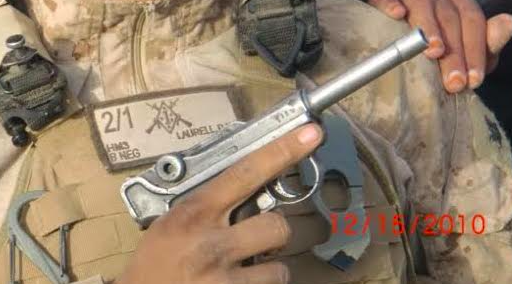
A German DWM Luger in Helmand Province

This guest post was written by Jeffrey Reardon, an avid reader and supporter of Silah Report. 

In the past one hundred and eighty years, Afghanistan has been the target of multiple foreign invasions. From the British, (1839-1842, 1878-1880 and 1919) Soviet (1979-1989) and United States (2001-Present) involvement in Afghanistan. As such, we have a unique opportunity to see the small arms of yesterday back in action. Let’s look at one such example today. 
An American Marine of personal acquaintance was assigned to a Police Mentor Team (PMT) apart of 2nd Battalion, 1st Marines. These units were responsible for mentoring and training the Afghan National Police (ANP). The PMT duty consisted of patrolling to different ANP checkpoints. The PMT would spend a few days at each checkpoint then move on to thier next scheduled checkpoint. This Marine also happened to be an avid military surplus collector. This assignment would give him many opportunities to meet new people and see a myriad of Curio and Relics (C&R) in Afghanistan. In 2010, while in Garmsir, Helmand Province, Afghanistan, that’s exactly what happened to this Marine.

While on patrol with the ANP unit, this Marine noticed the unmistakable silhouette, of a Luger pistol that one of the ANP members was carrying. Naturally, the Marine was curious and just had to have a look at this interesting piece of military history.

In this picture, we can clearly make out the DWM rollstamp. The Deutsche Waffen- and Munitionsfabriken (German weapons and ammunition factories) was created in 1896 by, Ludwig Loewe & Company. They combined their weapons and ammunition facilities under one company. Simultaneously, Loewe transferred all shares it owned in other weapons producing companies to the newly formed DWM. These included, lesser know production facilities along with the Waffenfabrik Mauser and Fabrique National(FN). This pistols date is a little obscure in the picture. However, I was told this example is dated 1916. Just during WWI, from 1914-1918, there were approximately 2,000,000 Luger pistols made.

In this picture, another Marine poses with Luger. Here, we can see clearly see the front sight is missing. We can only guess as to what happened and how long it’s been missing. This goes along with my theory that this particular Luger is more if a badge of honour and sign if rank. Although, it would certainty get the job done in close quarters. Not having a front sight at all will put you at a disadvantage for the Marine Corps 25 meter pistol qualification.

As evident by the pictures, there is absolutely nothing left of the original finish. Which would have been a very beautiful and high gloss blue oxide on the major components. With small pieces such as the trigger and takedown lever being strawed. This process turns the metal a soft, golden colour which closely matches that of dried hay or, “straw.” In all actuality, this is exactly what one would expect. After all, it is almost a century old. Very easily a veteran of two world wars and countless other conflicts. It’s current location in southern Afghanistan, with its frequent sand storms, certainly does not help.

The Marine function tested the pistol. On a Luger, this is accomplished by grabbing the top of the toggle link and pulling up. With an empty magazine in place,  the slide will stay fully locked back in then open position. I was assured that it is in operable condition. Although, the Marine did not test fire it. 

There are, by this point, more than a few things I’m curious about. One question I would love to know the answer to is, to know if the ANP had the holster and spare magazine? If he didn’t, what was he using for a holster? If he wasn’t in possession of the spare magazine, was he worried about the lack of capacity? 

I was told that the ANP officer was very proud of his pistol. He made it known that he was not at all interested in selling it. I often wonder, by what route did that pistol get to Afghanistan? How did that ANP officer acquire it? 

Sadly, we will never know the answers to these questions.  We can only be happy that our beloved military surplus small arms are still serviceable after all this time.

*Special thanks and photo credit to Timothy Arndt

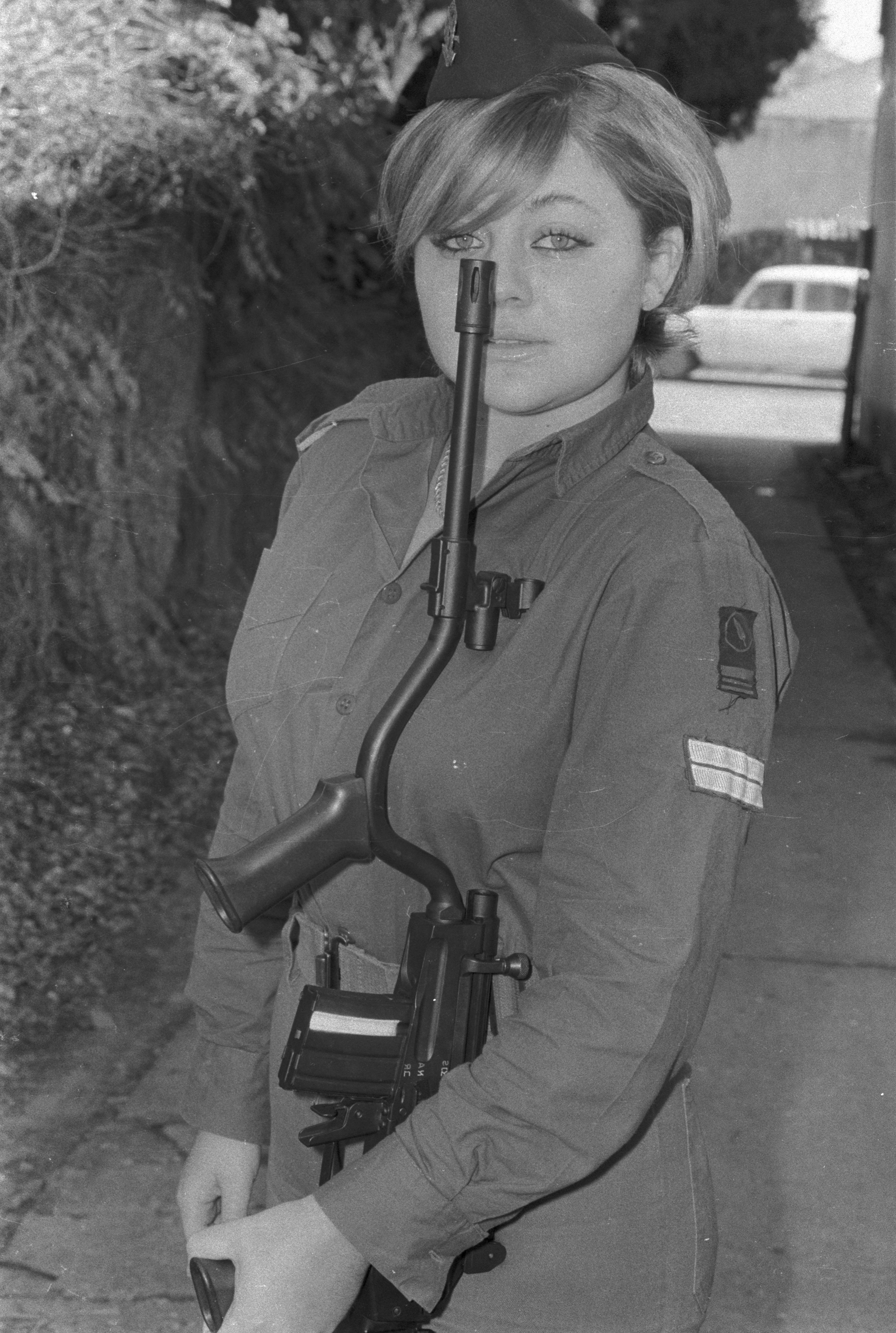
The “Female” Variant of the Galil


The integration of female soldiers in IDF combat roles is a much-debated topic in Israel the last decade or so. Today we will ride on the wayback machine to a time when the place of women in military service was very different.

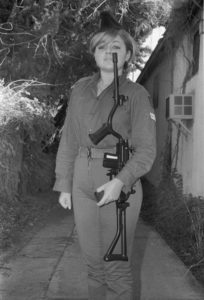
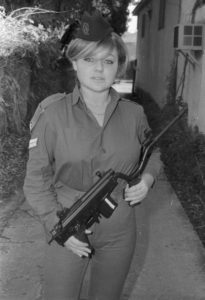
In the December 8 1982 issue of the IDF weekly magazine, Bamahane,  a short news piece was published with bold letters titled: “The end of discrimination! A major victory to the women’s liberation movement; a Galil assault rifle developed especially for female soldiers!”

The paper includes several pictures taken of an IDF female soldier ‘modeling’ a bent barrel Galil AR and further explanation states that the most problematic issue with designing a feminine rifle is that regular rifles keep colliding in the soldier’s breast whenever it was carried and practice in foot drills.

According to the news piece the development of the gun took two years and was tested by 350 female soldiers that were “carefully selected for their outstanding physical characteristics”

That ‘news piece’, as you might guess by now, wasn’t a real news report. It was the weekly satiric column called ‘על הגבול’ which literally means ‘On The Border’ but the more accurate translation means ‘Borderline’.


The prop gun was manufactured by none other than Yisrael Galil , the inventor of the Galil, for the satiric column.

The gun was a modified Galil AR with an absurdly bent barrel and vertical foregrip attached instead of the regular foregrip. The bolt carrier lacks a gas piston and there was no gas tube. All removed to achieve the described breast clearance. In one of the photos, the rifle is lacking a buttstock.

The gun was issued with a 12 round magazine, presumably to lighten the load on those top-heavy girls in uniform. The magazine is in fact a blank magazine used to propel rifle grenade.

The column summarized that since the rifles were introduced into military service they already proofed their value and the developer is flooded with purchase orders.


This article made possible by the courtesy of IDF & Defense Establishment Archives.

The photographer was Reuven Yehudai.