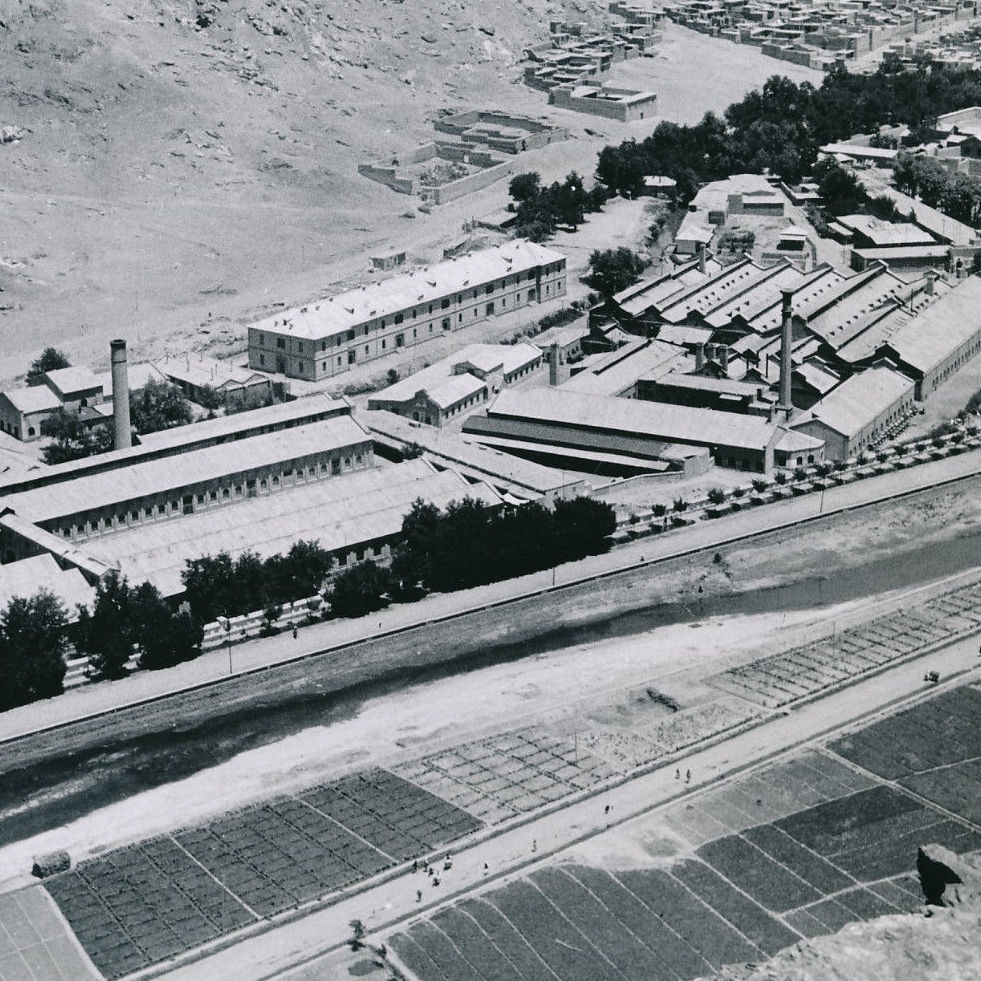
In a post for The Firearm Blog, we were able to find a photograph of the Kabul Arsenal from the late 1800s. In trying to locate the arsenal through the photograph, we actually were able to replicate the photograph today by climbing up “Kohe-Asmayee”, the hill that lies across the Asmayee River from the Kabul Arsenal.
Central Asia
Afghan SOF small arms photo essay
This essay originally appeared in December of 2015 on The Firearm Blog.
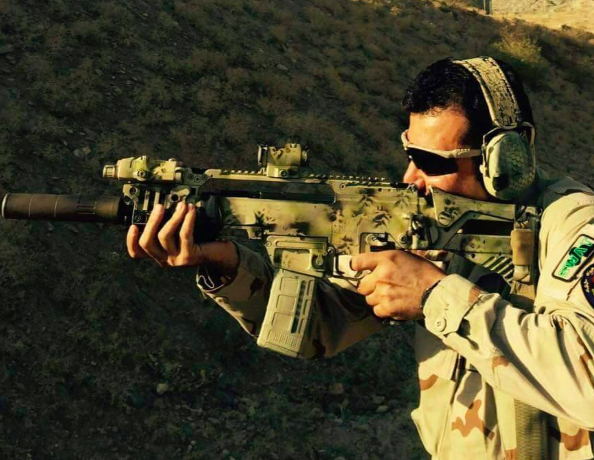
This post is about the Afghan SOF community, or at least what they want to allow to show us on their official Facebook page. Apart from browsing through pictures of “Commandos” (all the red patches in the photos are their official insignia, MARSOC wore it in Helmand), I’ve worked with them in Helmand.
Khyber Pakhtunkhwa Province Small Arms Photo Essay
This post first appeared on The Firearm Blog as “Showcasing Peshawar”.
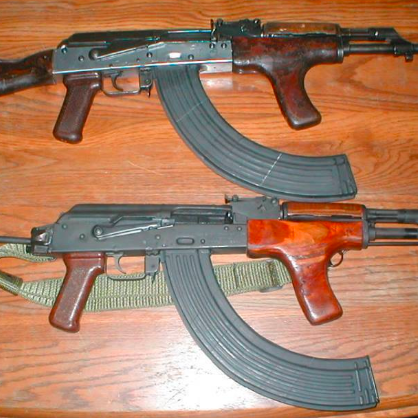
The Durrand Line has divided the countries of Afghanistan and Pakistan since 1893 when the British Empire created it with the king of Afghanistan. More for territorial reasons than ethnic, the line literally splits the Pashtun tribe in two, half of it’s people in Afghan provinces and the other half of them in Pakistani provinces.
Silah Report Announces Small Arms Working Reference Collection
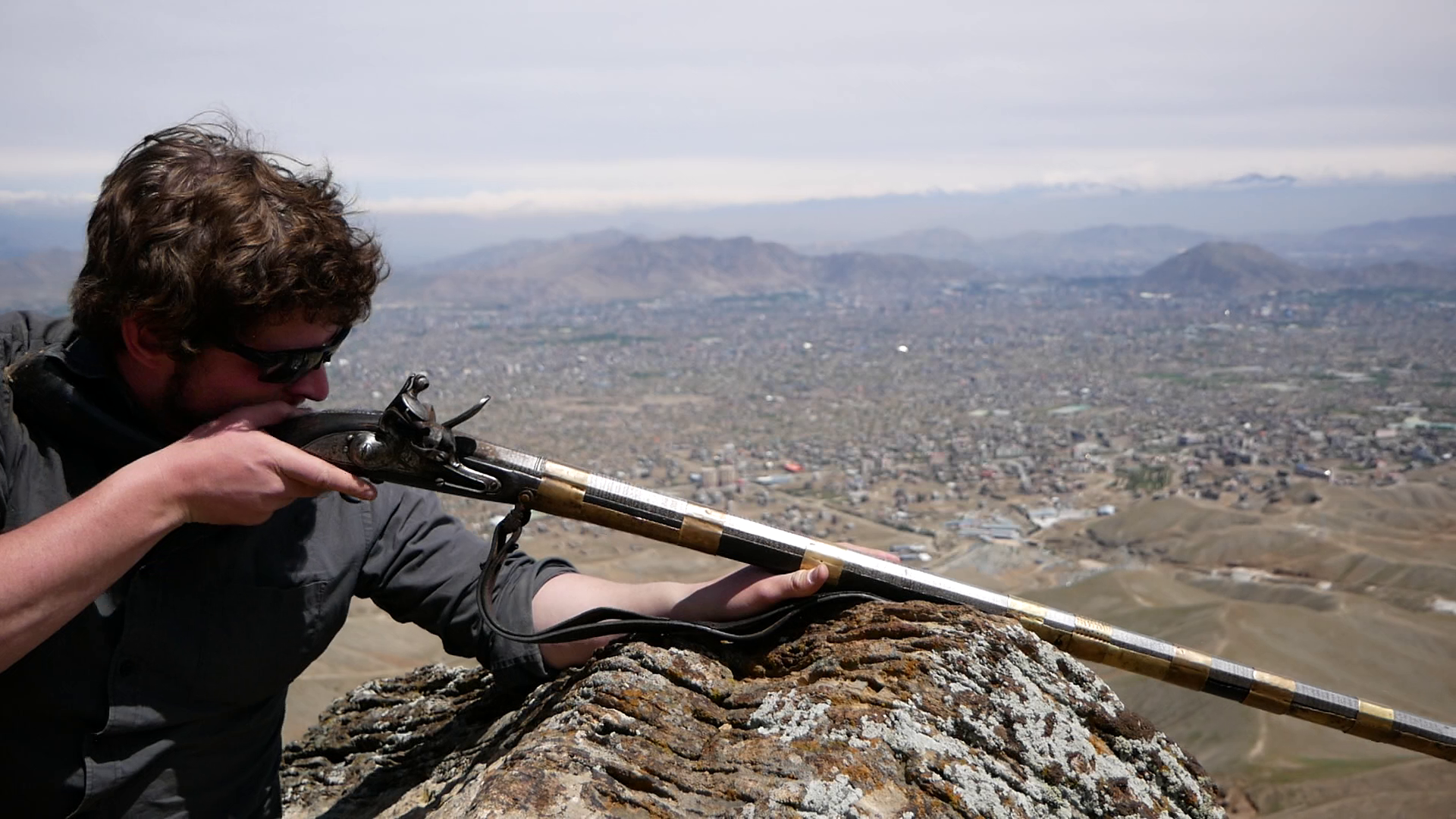
It is often said among academics to work within the “Primary Sources” in order to have the most qualitative work while conducting research. At SR, we take this effort to heart and have been visiting numerous reference collections in the United States, not to even mention what we’ve collected and looked at in person while overseas in the regions that we study. Museum collections are fantastic and provide researchers an intricate look into what is out there. But due to our site’s location based in the United States, there is a legal firearms market that offers so much when it comes to studying small arms within the MENA and Central Asian Regions.
To that end, we’ve established a working reference collection that is primarily to be used by researchers associated with SR, but will of course be made available to any researcher with a legitimate interest in studying the small arms from these regions. Now, this is a “Working” collection and not a “museum” collection that primarily serves to conserve the artifacts within it. Unless it will drastically damage the firearm, we are absolutely interested in taking these old (and new) guns apart and of course firing them to gain insight into their operation.
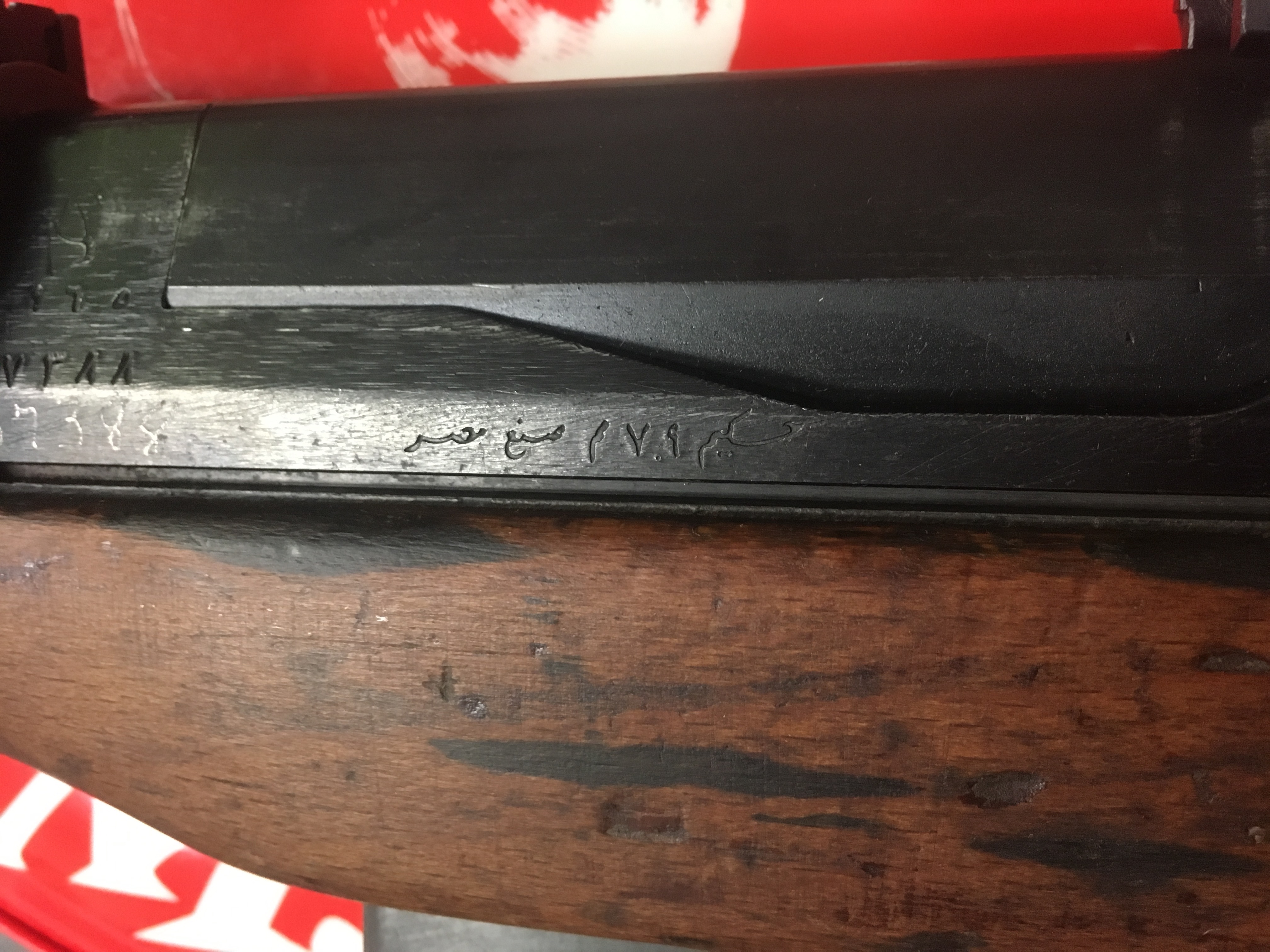
Another point here is that the firearms coexist with their various accessories and accouterments, whether that be in a civilian or military capacity. Whether that be an Egyptian rifle sling or a leather Kurdish chest rig with ornate decoration covering it, all these come together to tell a historical story of religion, culture, and politics intertwining together sometimes in tragedy and other times in triumph.
Currently, the working reference collection can be viewed here as one of the components of our website.
We also have a simple ad posted on Armslist.com trying to get in touch with prospective sellers of what we are interested in. Of course, we cannot be buying everything, but we can be buying certain specimens that are good and genuine representatives of our subject matter.
Silah Report Interviewed by Brent Grayson, Host of Tactical Pay Podcast
Thanks to the host of Tactical Pay, Brent Grayson, Silah Report had the humble opportunity to discuss our research and why we as a team feel it is extremely important to cover the topics that are interesting to us here at SR.
The Podcast can be listened to here on Tactical Pay’s website.
As mentioned on the website, some of the areas of conversation that we covered are listed here-
- How his tours in Afghanistan led him to start the Silah Report.
- What it’s like to be a combat marine in an undergraduate classroom.
- Why Miles chose to study Farsi and Pashto at Indiana University at Bloomington.
- How the Silah Report gets inside scoops on arms trafficking.
….
Furthermore, for those interested in learning more about the countries that make up MENA, the Silah Report offers a region country database. In order to understand the news coming out of those nations, as well as better understand conflicts in those regions, knowledge of the countries is crucial. Miles Vining’s time in the military has had a tremendous impact on him, and informs everything written on the Silah Report.
A Primer on Kabul Arsenal Martini Henry rifles
Jeffory is an avid reader and support of SR. This is his second guest article, the first being about a P’08 Luger found still working in Helmand province.
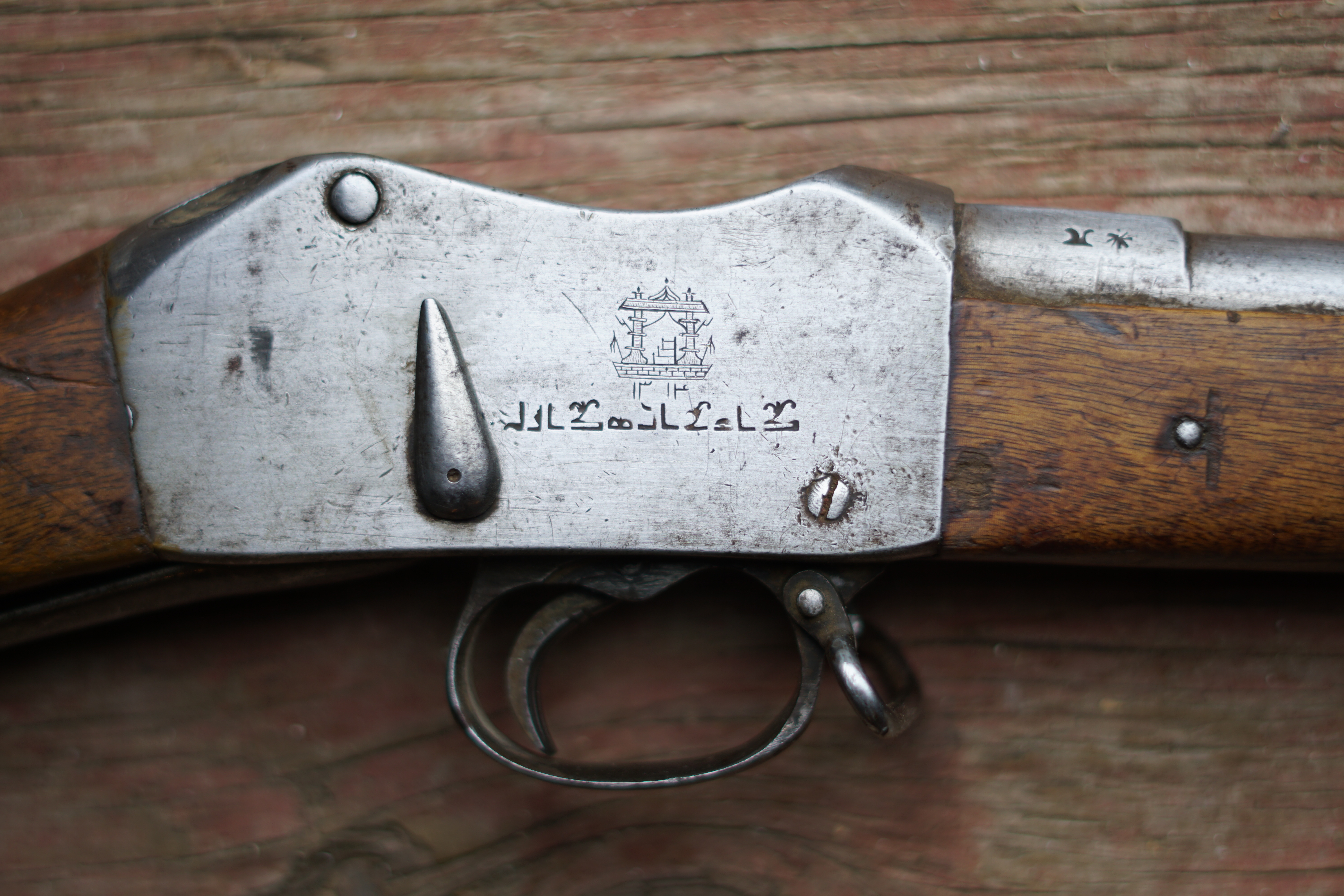
There was a time when anything that came out if Afghanistan was considered a “fake” Khyber Pass copy. Well, today we know this is simply not true. The British crown with the help Emir Abdur Rahman set up a modern arms and munitions factory in Kabul. Called, Mashin Khana by the locals. Today, we know it as the Kabul arsenal.
The Kabul machine works is a little-known and often very misunderstood producer of small arms. However, due to our recent involvement and presence in the region, products of this Armory are now making their way to the collectors Market in the United States. Often, when these rifles are encountered, they are Miss labeled as Khyber Pass made knock-offs and tossed aside as junk. This however could not be further from the truth. They are in fact rare and very under-appreciated firearms.
It is estimated that, between 5 and 8000 of each type of Martini-Henry variants may have been produced. Which, seven major types have been identified and classified. Extrapolating from there puts production figures between 35 and around 56,000 pieces. (V.Easley)
These figures do not take into account attrition, damaged or any rifles that were “lost.” Furthermore, these rifles were frequently scrubbed of there legitimate Kabul arsenal stamps. Then, they were re-stamped to make fake I.C.1 carbines and “Enfield” stamped Martini’s.
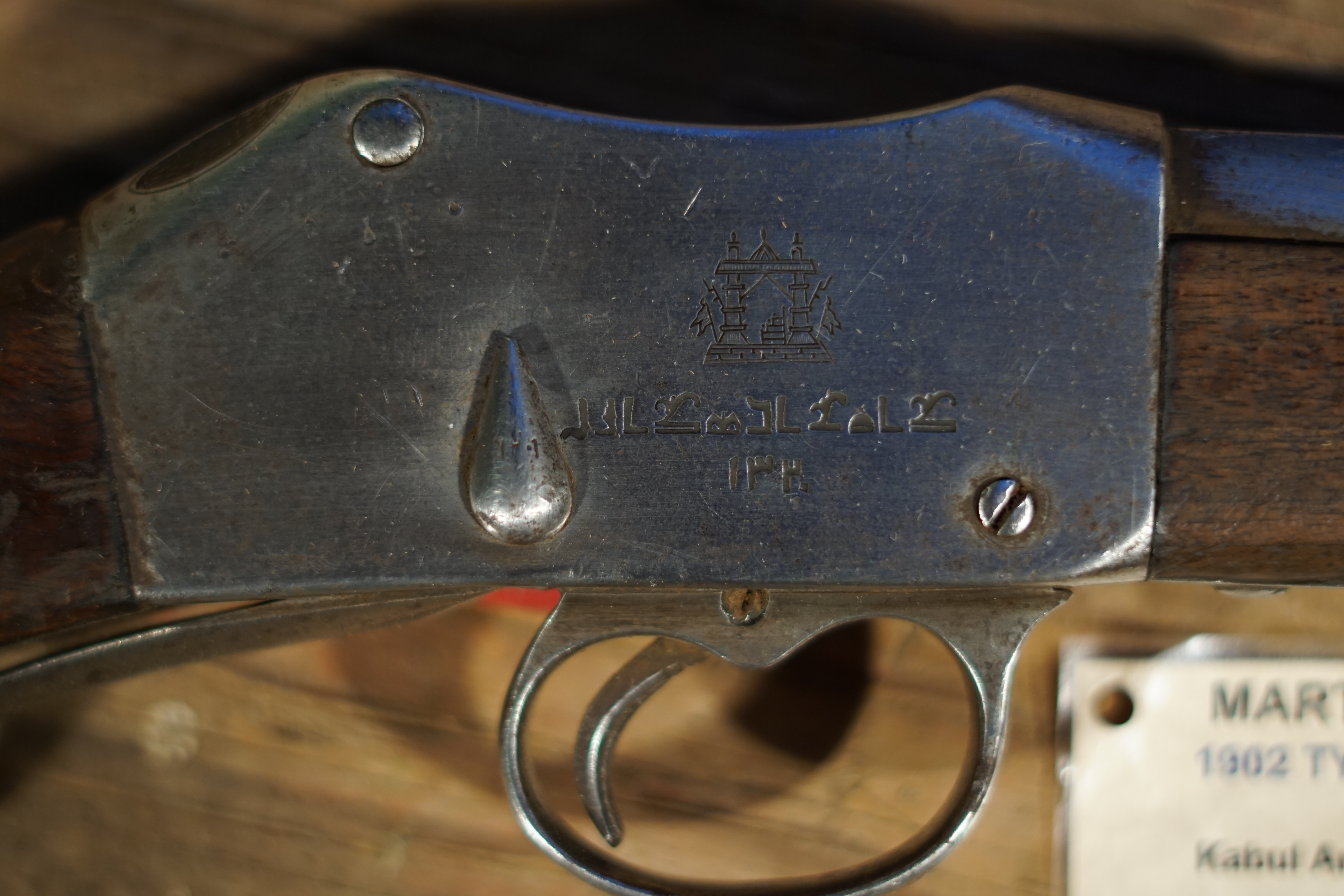
This was done by enterprising tribesmen for three reasons. The first being, to take advantage of the world known name and reputation of R.S.A. Enfield. The second, to take advantage of the antique rifle status of pre-1899 dated firearms. And the final, most important reason to go through all this work, to make money. More specifically, to make money off of American servicemen.
Taking these variables into account would put the number of surviving, originally produced examples somewhat lower. It is unknown at this time how many examples are currently in the United States, but one would reasonably assume far less than original production numbers. Making such examples, in my opinion, fairly rare to encounter.
(*NOTE- well these rifles have fake stamps on them to make them into “more desirable” models. They are still fully operational firearms. They are not to be confused with the poorly made and unsafe Khyber Pass knock-offs).
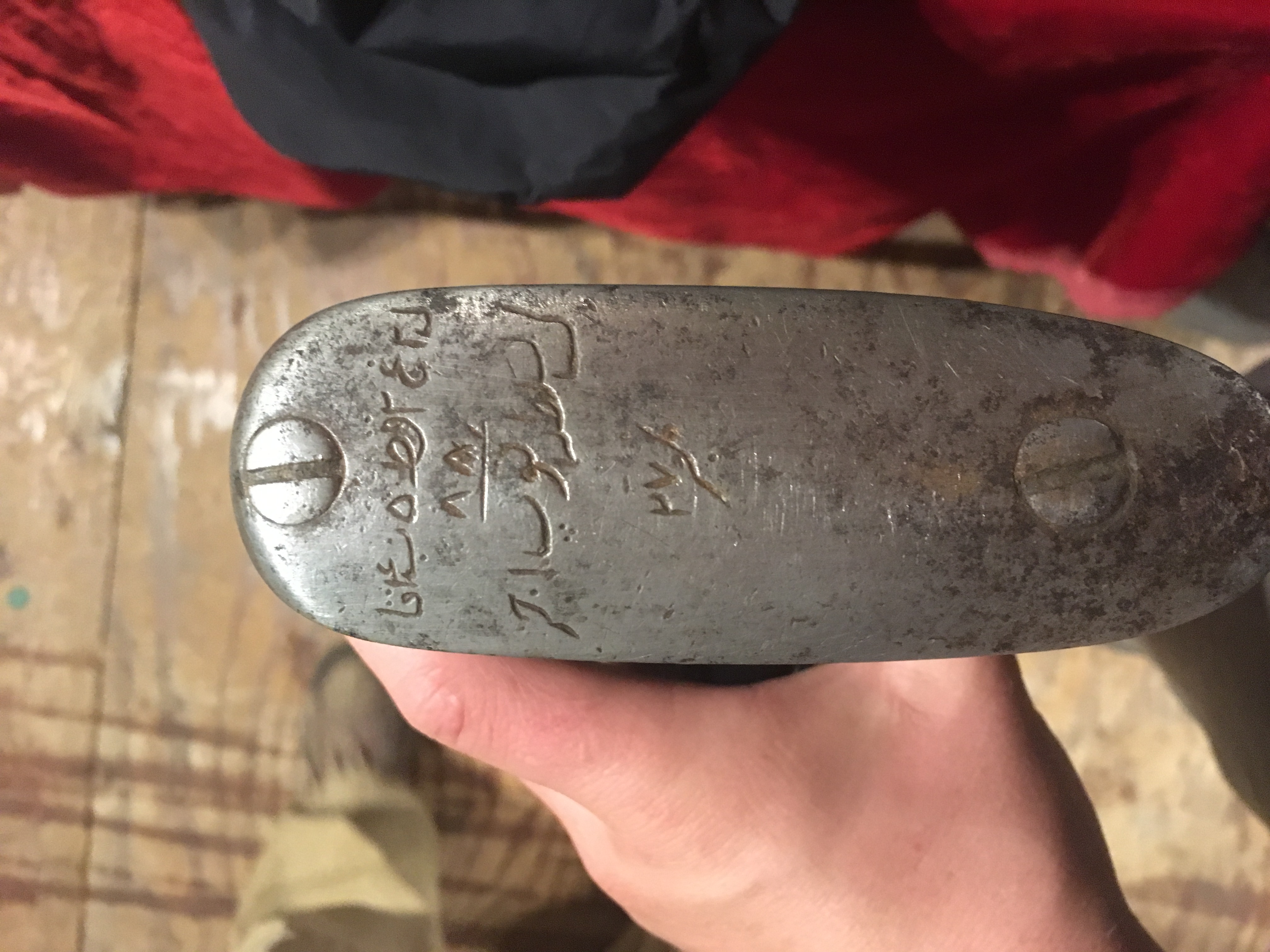
Afghanistan, as we might recognize it today, begin to take shape after the second Anglo-Afghan war. (1878-1880)This was a decisive British victory. From which, they installed a new, far more cooperative Emir, Abdur Rahman. He is considered to be the father of the modern state of Afghanistan. And with a modern State, you need a modern Army, and to have a modern Army so, you must have modern Small Arms. And the capability to produce them indigenously. All of which, the Emir was far too aware of.
Images credited to V. Easley Collection.
To be continued…
SR is Interviewed by Popular Front Podcast!
Recently Silah Report had the honor of being an interviewee on the Podcast ran by the journalist Jake Hanrahan, otherwise known as Popular Front. The episode is entitled “Tracking Guns Across the World with Silah Report” and is available for download on iTunes, Soundcloud, and Spotify for any readers who are interested in listening in.
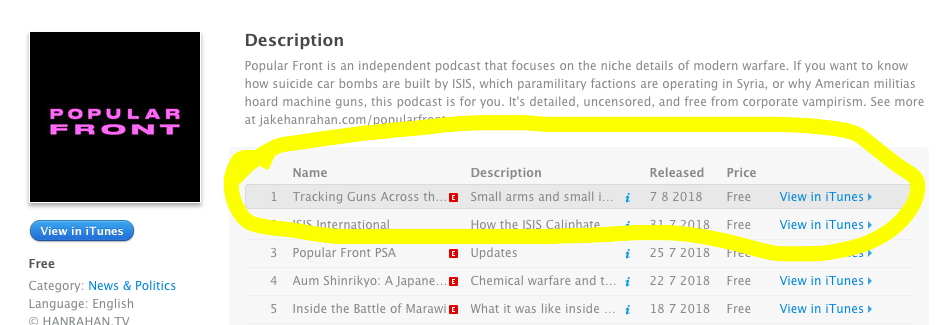
We talked about the scope of Silah Report’s research and article content, most of which will have been very familiar to any reader of our blog. For example, we covered the presence of Sudanese contract AR10s in Yemen, the encroachment of Beretta ARX160s in Central Asia and M1 Garands present in Iran (original TFB work). We covered some other topics as well, but I’ll let readers listen in to hear the rest.
At Silah Report we’re very thankful for the opportunity to be present on the Podcast, and are proud of the small community of writers and readers that believe in what we find fascinating and interesting. Thank you.
Small Arms Theft Kabul Edition (Again)
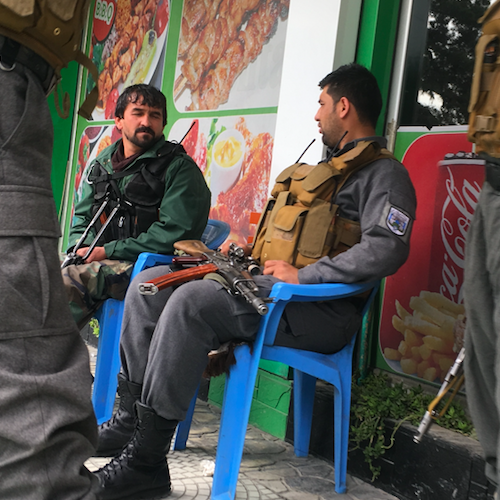
Tolo News has recently reported on a small arms theft from within the Interior Ministry’s headquarters compound in the northern part of Kabul by the international airport. This comes after another major small arms theft that occurred in March of this year. From the news report-
The office has received documents against 14 officials of the ministry over the loss of 105 AK-47 guns, 18 missiles, 80 mortars and 5,000 machine gun bullets.
Two of those accused employees have fled, two of them are in detention and 10 others have been released on bail, Attorney General’s Office spokesman Jamshid Rasuli told TOLOnews.
The nomenclature appears to have gone through some translation confusion when it comes to “missiles” and “mortars”. Kabuli Police certainly don’t use mortars so it would appear that missiles might mean RPG-7 launchers and mortars might be the PG-7 rockets for them. Machine gun bullets might also be a bit of a confusion because why would a thief make out with 105 AKM rifles but no 7.62x39mm ammunition to go with? If indeed these are 7.62x54mmR “Machine Gun Bullets”? Either way, on the current black market those AKMs sell for over a thousand dollars a rifle.
Two significant thefts of small arms within the Ministry of Interior are certainly not good news. It would appear that both of these might purely be financially black market driven rather than the work of an insurgent organization such as the Taliban or ISIS-K. Either way, both involved internal cooperation and were not by a forced or armed nature of attack.
Pakistani Ordnance Factories Azb MK1 Designated Marksman Rifle
This guest post is written by Sikander Abbas, an avid reader, and supporter of Silah Report.
Pakistan Ordinance Factories (POF) is Pakistan’s largest defense industrial complex under the Ministry of Defence Production. Founded in 1951 by the government of Pakistan, POF produces and promotes a wide range of different types of infantry and special-purpose weapons, explosives, ammunition, mortars, rockets, and other military gear for Pakistan’s military.
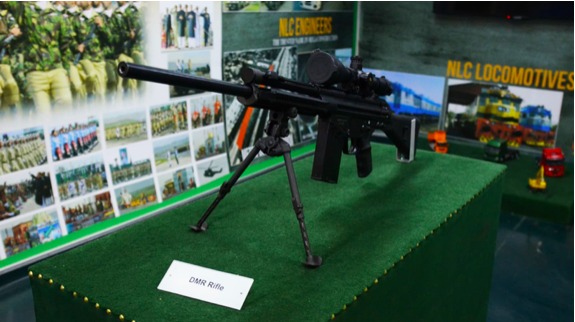
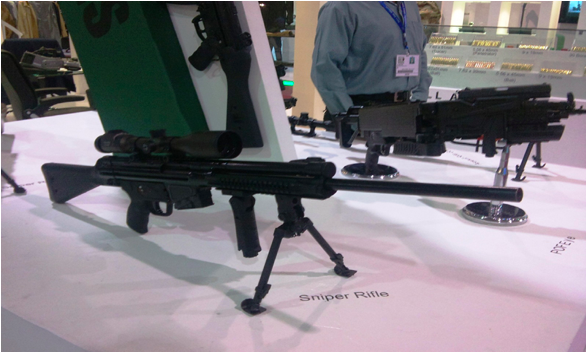
Chambered in 7.62x51mm (NATO), the Azb DMR-MK1 is the new medium-range Designated Marksman Rifle (DMR) and is developed by POF in 2014 which features a 20 inch cold hammer forged match grade bull barrel. The rifle was first introduced in the International Defence Exhibition and Seminar, more commonly referred to as IDEAS in December 2014.
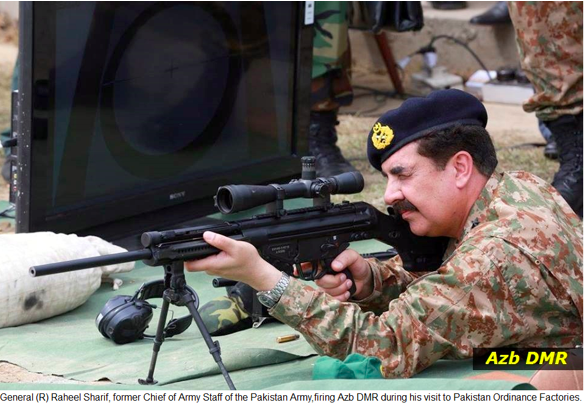
The rifle was produced during the time of when there was a joint military offensive conducted by the Pakistan Armed Forces against various militant groups in North Waziristan in 2014. The military operation was named Operation Zarb-e-Azb and according to members of the POF Production Board, the rifle is given the name Azb as a dedication to the soldiers who took part in the operation.
The sniper rifle is not a new design and it is basically a modification of Pakistani variant of H&K G3 assault rifle which is produced under license in POF. All parts are compatible and interchangeable with POF made G3A3 Rifle.
As said in the weapon description on POF website:
“With the changing nature of low-intensity operations, a strong need exists for a lightweight, accurate and semi-automatic hybrid sniper service rifle. Accordingly, a Designated Marksman’s Rifle (DMR) concept emerged. The POF DMR MK-1 meets the laid down conceptual requirements. It is manufactured from standard G3 parts and requires little deviation for manufacturing, maintenance and training. It can quickly and effectively engage fleeting multiple targets at range up to 600m.”
Technical Data:
Caliber 7.62 x 51 mm(NATO)
Operation Roller Locked Delayed Blow Back
Magazine 5/20 rounds Capacity
Overall Length 1055 mm (41.5 in)
Barrel length 508 mm (20 in) (4 Groove Rt. Hand Std.)
Weight (Empty Magazine) 4.94 Kg
Effective Range 600m
Accuracy 2 M0A at 100 Meter
Sights Telescopic sights
Butt Stock Plastic Fixed Butt Stock
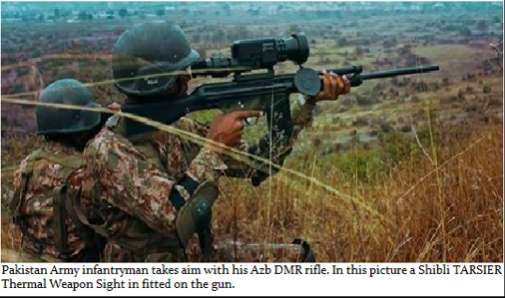
Azb DMR is cost-effective, easy to produce, deploy and maintain and is compatible with a range of scopes, night vision and thermal optics.
Being a medium range, lightweight and with great accuracy, this DMR is ideal to cover incursion teams in close operations as well as in urban warfare.
Since its production, the rifle is used by military and other law enforcement agencies in Pakistan. The rifle also took part in several international defense exhibitions and is offered for exports.
The Voice of the Gun in Central Asia
This guest post was written by Marcello Fantoni, an avid reader and supporter of Silah Report.
“The question is not about the weapon, but the spirit in which you use it.”(1)
For those raised within the dichotomous paradigm of Westphalian war and peace, war is the end of sociability, the exhaustion of every social recourse. Likewise, when that war is over, and sociability is said to return the memories of fracture become encased in temporal and Cartesian distinctions, the material culture of conflict sequestered to the appropriate sterile cases in the vaults of armouries and museums. Yet, conflict is inherently and inescapably sociological (2). It is the birth of a new form of sociability, on the level of both the individual and the collective, and this is a relationship in which the material culture of conflict retains an agency beyond the moment of fighting itself. It is not a relic but becomes the assurance against repeat and symbolic of the new addition to the cultural history and citrisis of a society. We have seen time, and again that material culture is good for thinking, feeling and expression, even eating and drinking (3), but we must, however, remember that it is also for fighting.
Conflict and the conceptualising, organisation and negotiation of it are shaped by the society which engages in it, and the community itself in is turn influenced by it. Conflict and its material culture become inexorable parts of the society’s post-conflict identity, having a fundamental impact on the ordering of the post-conflict reality (4). In this change, the material culture which provided the means to act for the individual attains a symbolic position. It may bestow both a new social life and physical death. Through the analysis of how specific weapons have come to be identified with cultures and the role of conflict in that culture, we shall see that those weapons are far more than the nefarious amalgamations of elements, but intrinsic parts in the development, manipulation and organisation of a society from both the emic and etic perspective. The thick sociological (5) description of the tools which both create and destroy sociability. The voice of the gun.

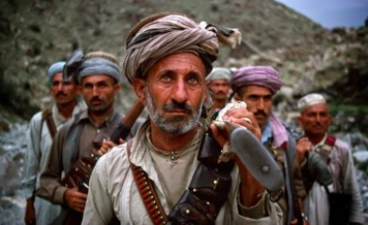
In Central Asia and the Caucuses, firearms have become ingrained in the identity of societies, for many as a response to the years of oppression under successive regimes, but also as part of customary law and social differentiation. But, the adoption of these weapons also reflects the rebirth of an often constructed martial tradition and ideology which often idealises of a fictive golden historical age as a central rallying point for future conflicts. Military traditions are written deep into their histories, and those histories are contained in the weapons which come to symbolise them. In Chechnya and Dagestan, the APS Stechkin machine-pistol has replaced the Shalt Kama traditional dagger and is illustrative of the independence movements of the 1990s and early 2000s as a high-status prestige item linked to the presidential guard of Dudayev and Maskhadov. But, its concealability also reflects the banditry which was born of those same conflicts. For the ethnocultural group of the Cossacks, the traditional Nagaika whip now serves side by side the AK-74M as their identity as an irregular military force is becoming ever more tied to their exploitation as the Russian State’s ready supply of disposable mercenaries and the new Tsar’s enforcers (6). For the cultures of the Northwest Frontier, the AK-74SU and Glock pistols as prestige pieces have usurped the venerable Enfields and Jezails, reflecting both the recent history of the region since 1979 and the preferences of FATA’s ever more discerning customers. Yet, constants remain, the Kukri of the Gurkha and the Kirpan of the Sikhs. Though, for both the colonial manipulation of the, as a “martial race” was born of their use of the 1856 Enfield rifle, which set them apart from the bulk of the British Indian Army who revolted in 1857 over the rumour that the bullets were lubricated with the fat of pigs and cows. Abhorrent to Muslims and high-caste Hindus, but not to the Gurkha and Sikhs.
Through the analysis of the social function and conceptualisation of weapons and those who use them within Central Asian and Caucasian societies, we shall see how they have become inexorably linked to both the past and present of a culture and how it is viewed internally and externally.
Marcello Fantoni can be reached at Marcello.p.a.fantoni@gmail.com
Sources
______________________
(1) Thoreau, H. D. 1860. The Echos of Harper’s Ferry.
(2) Richards, P. 2005 (ed) No Peace, No War: An Anthropology of Contemporary Armed Conflicts. Oxford: James Currey.
(3) Douglas, M. and Isherwood, M. 1979. ‘the world of goods’. London: Allen Lane.
(4) Hallpike, C. R. 1973 Functionalist interpretations of primitive warfare, Man (n.s.) 8/3, 451-70
(5) Geertz, C. 1973. ‘The interpretation of cultures’. New York: Basic Books.
(6) RFE/RL. 2018. Cossack Fighter Laments Russian ‘Utilization’ Of Mercenaries In Syria. https://www.rferl.org/a/syria-Russian-mercenaries-cossack-shabayev–interview/29056934.html. Retrieved 03/05/18.
Suggested Readings.
• Jersild, A. 2002. Orientalism and empire, North Caucasus Mountain Peoples and the Georgian Frontier, 1845-1917. McGill-Queen’s University Press.
• Bourgois, P & Scheper-Hughes, N (2004) ‘Introduction: Making Sense of Violence.’ In Scheper-Hughes, N & Bourgois, P (eds) Violence in War and Peace: An Anthology. (Oxford, Blackwell, 2004)
• Lee. E. W. 20110. Warfare and culture in world history. New York University Press.