This guest article is brought to us by Bruce Marduel, taking a look at the French MAS series of bolt action and semi-automatic rifles in service throughout Syrian history, and in this case, the current Syrian Civil War.
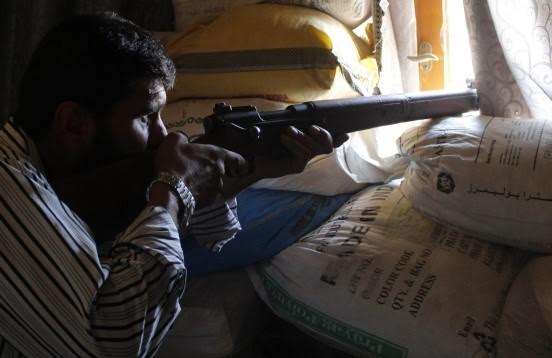
MAS 36 is the oldest rifle is the MAS family, and even if it entered production before WWII it is still used in an impressive number of countries, including Lebanon and Syria. A MAS 36 was first visible in a 2013 picture of the Syrian Conflict, limited information is available, but it seems that MAS 36 are actually used in combat.
This guest article is brought to us by Bruce Marduel, taking a look at the French MAS series of bolt action and semi-automatic rifles in service throughout Syrian history.
There are plenty of exotic and obsolete weapons in the Middle East, and ancient French weapons produced by Manufacture d’Armes de St-Etienne can be spotted regularly in Syria along with StG 44, Mosin-Nagant and other relics.
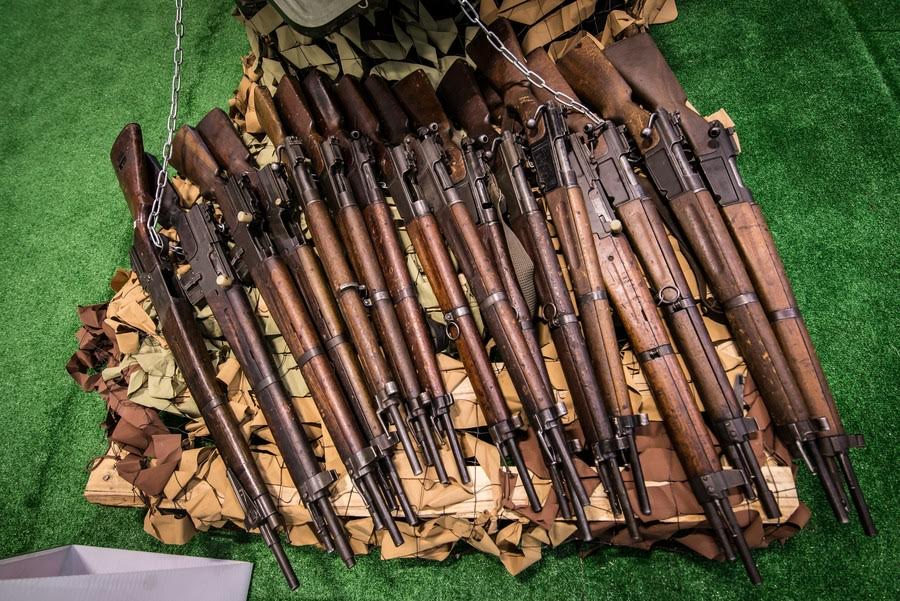
Most of the rifles produced for the French Army during the XXth century were produced by Manufacture d’Armes de St-Etienne (MAS) : from the bolt-action Fusil à répétition 7.5mm M.36 a.k.a MAS 36, to the Fusil d’Assaut de la Manufacture d’Armes de St-Etienne also called FAMAS. The MAS 36 equipped the French Army since the 1930’s, followed by MAS 49 and MAS 49/56 after WWII. These rifles have a very long service life both in France and overseas.
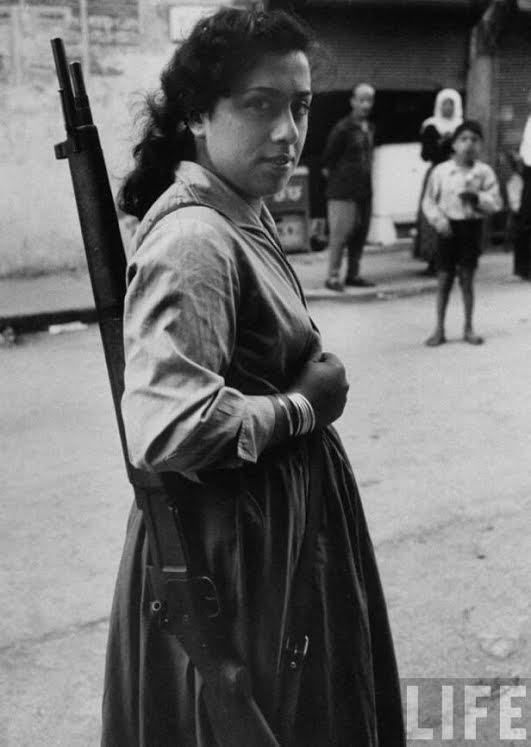
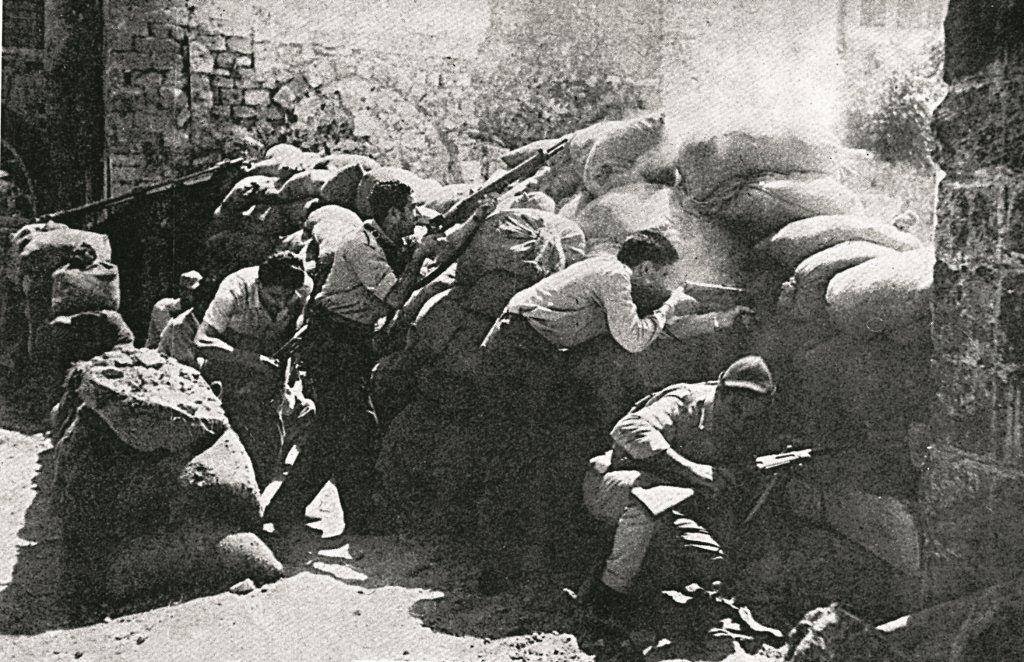
MAS 36 arrived in the Middle-East during the Mandates and Second World War, back then France ruled over Syria and Lebanon, and French troops used MAS 36. During WWII, the French authorities of the Regime de Vichy (allied with Nazi Germany) declared Lebanon independent in 1941, the decision was confirmed by Free France and Charles de Gaulle, so the country became independent after WWII. The armed forces from newly-independent Lebanon used MAS 36 as a standard-issue rifle until the 1950’s when FN FAL replaced them. Lebanese MAS were kept as a reserve rifle or sold on the civilian market, so that they are visible among militias during the 1958 troubles in Lebanon.
Civilian MAS 36 in Beirut, 1958
1958 unrest in Lebanon
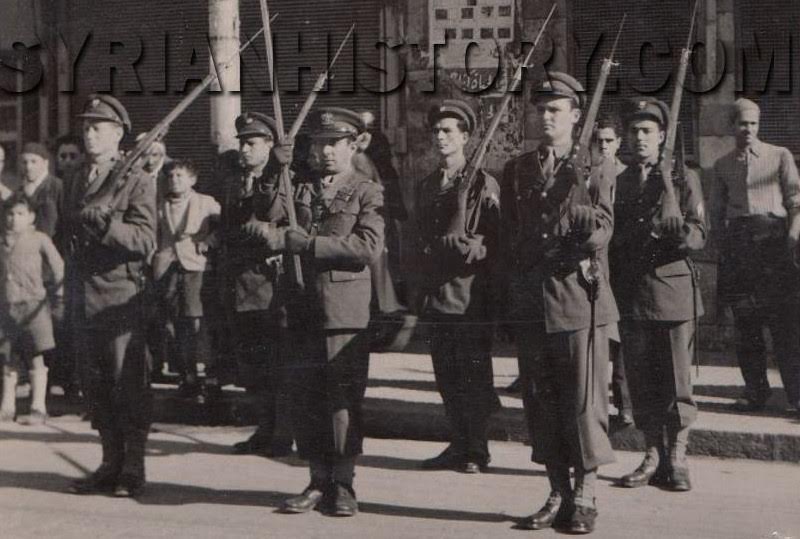
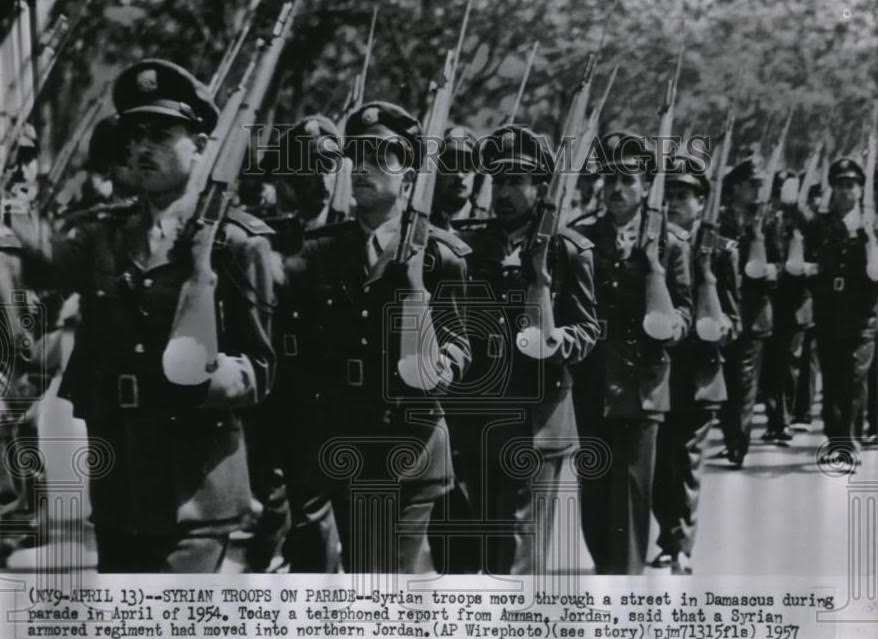
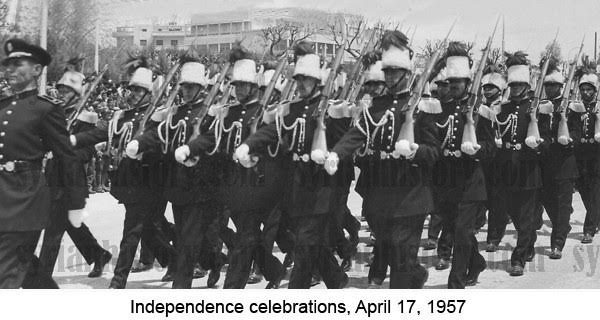
The most significant shipment of MAS rifles to the Middle-East took place in the early 1950’s, when France delivered weapons to Syria : six-thousand « Syrian contract » MAS 49 (serial number F3XXXX), twelve-thousand MAS 36 and a production line for 7,5x54mm ammunition. Photos of the Syrian Independence Day show the subsequent evolution in the armament of Syrian troops from 1946 to 1966 :
1946 parade with WWI Lebel
1954 parade with MAS 36
A file photo from Syrian Arab News Agency (SANA) archive
1957 parade with MAS 36
When Syria got closer to the Eastern Bloc (Baath putsch in 1963, and pro-soviet wing takeover in 1966) the Syrian army abandoned french rifles and adopted Kalashnikov, as showed in the video of the 1966 parade.
In September we were interviewed by Cheryl Todd of Gun Freedom Radio about what Silah Report and its mission. Cheryl runs a Podcast based in Arizona that focuses of issues within the gun debate in the United States, but took some time to take a look at what we are all about at SR!
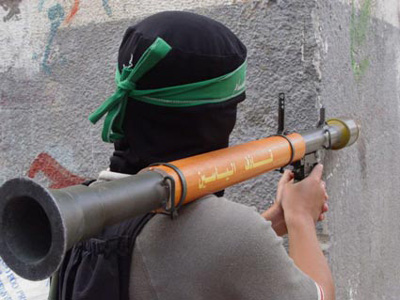
بسبب الحروب العربية الاسرائيلية, اهتم الجناح العسكري لمنظمة “حماس” الا وهي “الوية عز الدين القسام” , بالتصنيع العسكري حتى تحصل على اكتفاء ذاتي لتقلل فعالية و تاثير الحظر الاقتصادي التي تفرضها اسرائيل على “غزة” من حين لاخر.
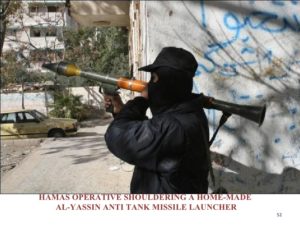
هذه المقالة تسلط الاضواء على احد الصناعات العسكرية المثيرة للانتباه وهي صناعة قواذف الصواريخ من نوع “ياسين” في غزة في منشئات انتاجية تحت الارض حتى لا يتم استهدافها من قبل سلاح الطياران و المدافع الاسرائيلية. هذا القاذف تم تصميمه و تصنيعه من قبل “حماس” و يتم توزيعه الى حركات مقاومة اخرى من ضمنها “فتح” و “الجبهة الشعبية لتحرير فلسطين”.
تاريخ السلاح
يحمل القاذف اسم القائد الروحي و مؤسس حركة حماس الشيخ “احمد ياسين” الذي اغتيل عن طريق صاروخ من نوع “هيل فاير” من هيليكوبتر اسرائيلية نوع “اباتشي” في الثاني و العشرين من مارس سنة 2004 وهو في عمر السابعة والستون.
مصمم السلاح هو المهندس “عدنان الغول” والذي قتل ايضا في نفس السنة في الواحد وعشرون من شهر اكتوبر عن طريق غارة جوية اسرائيلية.
موصافات السلاح
تصميم القاذف “ياسين” فريد من نوعه ولكن يشبه كثيرا القاذف الروسي القديم “ار بي جي-2” مع بعض مواصفات القاذف الاحدث “ار بي جي-7”. اخذ السلاح تصميم الانبوب و شكل الخارجي للصاروخ من “ار بي جي-2” وايضا محرك الصاروخ , وتعتبر تصاميمها بسيطة للغاية ولكن لتحسين الاداء اضافوا تصميم “ار بي جي-7” للفوهة الخلفية التي تعكس الارتداد عند اطلاق الصاروخ. واضافوا ايضا معزز صاروخي للذخيرة لزيادة مدى السلاح و طوروا من الشكل الداخلي للراس المتفجر للصاروخ.
مع انه يتم تصنيع السلاح في ورش تحت الارض باستخدام ادوات عادية وفي متناول المدنيين , ولكن تصميم وابتاكر “الياسين” وجودة التصنيع يدل على مستوى عالي من الاحترافية و التطور مع ان تصميم السلاح يتعبر من ناحية التقنية بسيط للغاية.
ياسين” في ساحة القتال”
يعتبر السلاح غير فعال ضد المركبات المدرعة لان اسرائيل في تطوير دائم و تحسين لها , ولكن “كتائب صلاح الدين” و يعتبر الذراع العسكري لمنظمة “اللجنة الشعبية للمقاومة في غزة” زعموا تدمير دبابة اسرائيلية من نوع “ميركافا مارك 3” عن طريق استهداف نقطة ضعف فيها.
مع ذلك, يعتبر السلاح فعال ضد الحصون المصنوعة من طوب و الاهداف التي تمتلك تدريع خفيف كسيارات “الهامفي” الاسرائيلية لانها تستطيع اختراق فولاذ بسماكة 21سم على بعد 150 متر.
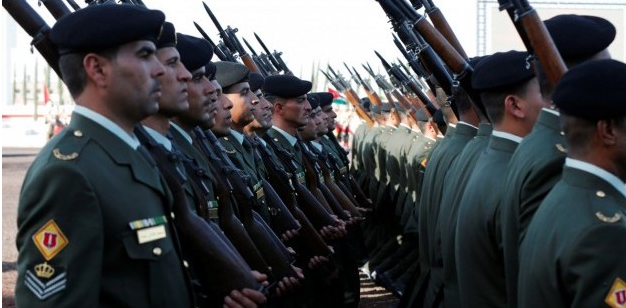
بنادق ال “ام 1 جاراند” و ال “لي انفيلد” في استعراض عسكري اردني
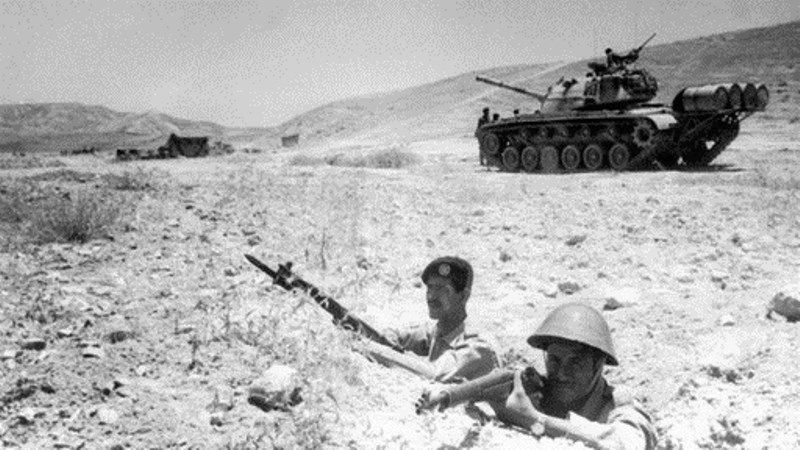
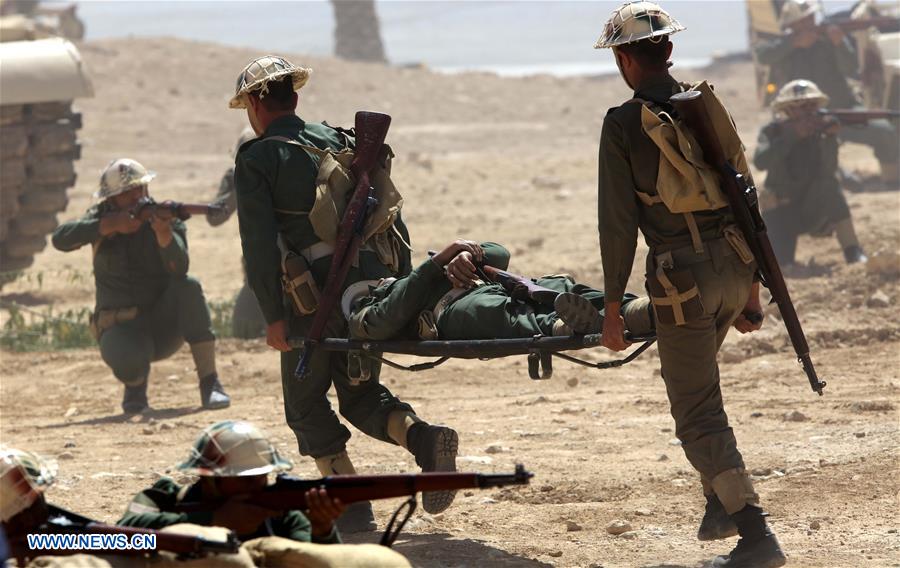
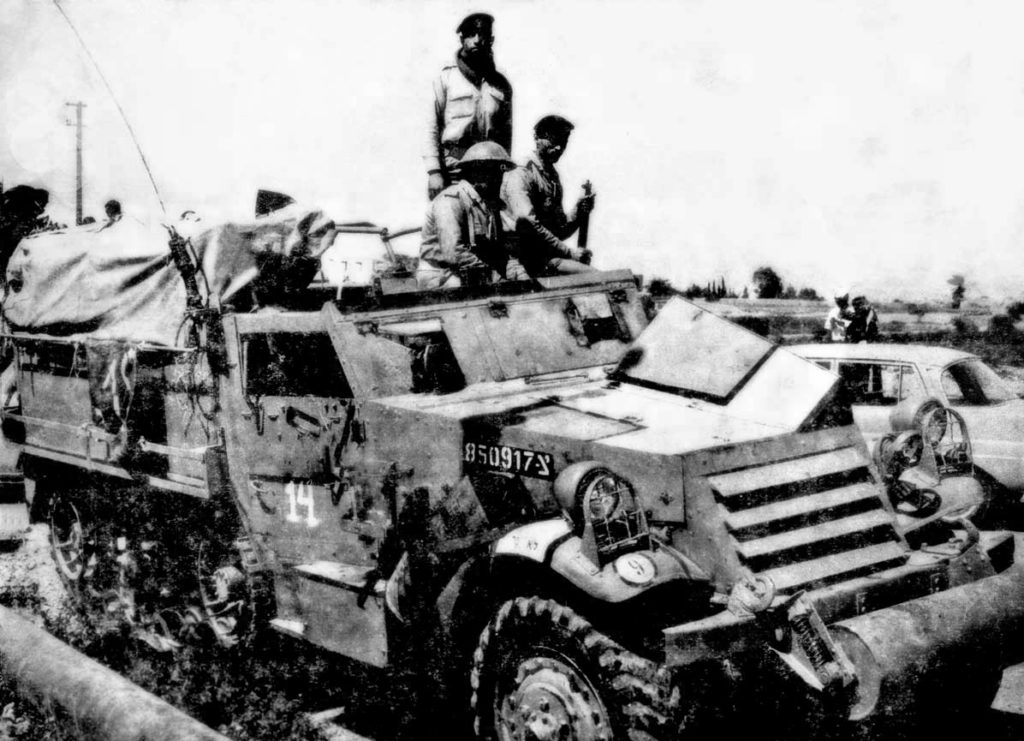
حتى صيف 2016, كانت البنادق الامريكية الصنع “ام 1 جاراند” تظهر باعداد كبيرة في الاستعراضات التابعة للقوات الملكية الاردنية. كان سلاح المشاة و و الخيالة يحملون البندقية مع حربة مركبة في الاستعراضات من ضمن اسلحة فردية متنوعة ومنها البندقية البريطانية “لي اينفيلد” .مصدر البندقية “ام 1 جاراند” يعتقد انه يا من اليونان او صفقات سلاح من الولايات المتحدة. مع ان البندقيتان يتم استخدامهم في الاستعراضات فقط الان, ولكن في السابق تم استخدامهم كاسلحة اساسية للمقاتل الاردني بالذات في حرب 48. هذه الصور تظهر البندقيتان اثناء استخدامهم كتسليح اساسي في القوات الاردنية:
مشهد تمثيلي بمناسبة ذكرى الخمسيت لمعركة الكرامة
صورة لمصفحة مجنزرة اسرائيلية تم اغتنامها في معركة الكرامة
صورة لجنديان اردنيان مسلحين بالبندقية الامريكية والبريطانية و بخلفهم دباباة اردنية من نوع “ام 48” الامريكية الصنع
It is often said among academics to work within the “Primary Sources” in order to have the most qualitative work while conducting research. At SR, we take this effort to heart and have been visiting numerous reference collections in the United States, not to even mention what we’ve collected and looked at in person while overseas in the regions that we study. Museum collections are fantastic and provide researchers an intricate look into what is out there. But due to our site’s location based in the United States, there is a legal firearms market that offers so much when it comes to studying small arms within the MENA and Central Asian Regions.
To that end, we’ve established a working reference collection that is primarily to be used by researchers associated with SR, but will of course be made available to any researcher with a legitimate interest in studying the small arms from these regions. Now, this is a “Working” collection and not a “museum” collection that primarily serves to conserve the artifacts within it. Unless it will drastically damage the firearm, we are absolutely interested in taking these old (and new) guns apart and of course firing them to gain insight into their operation.
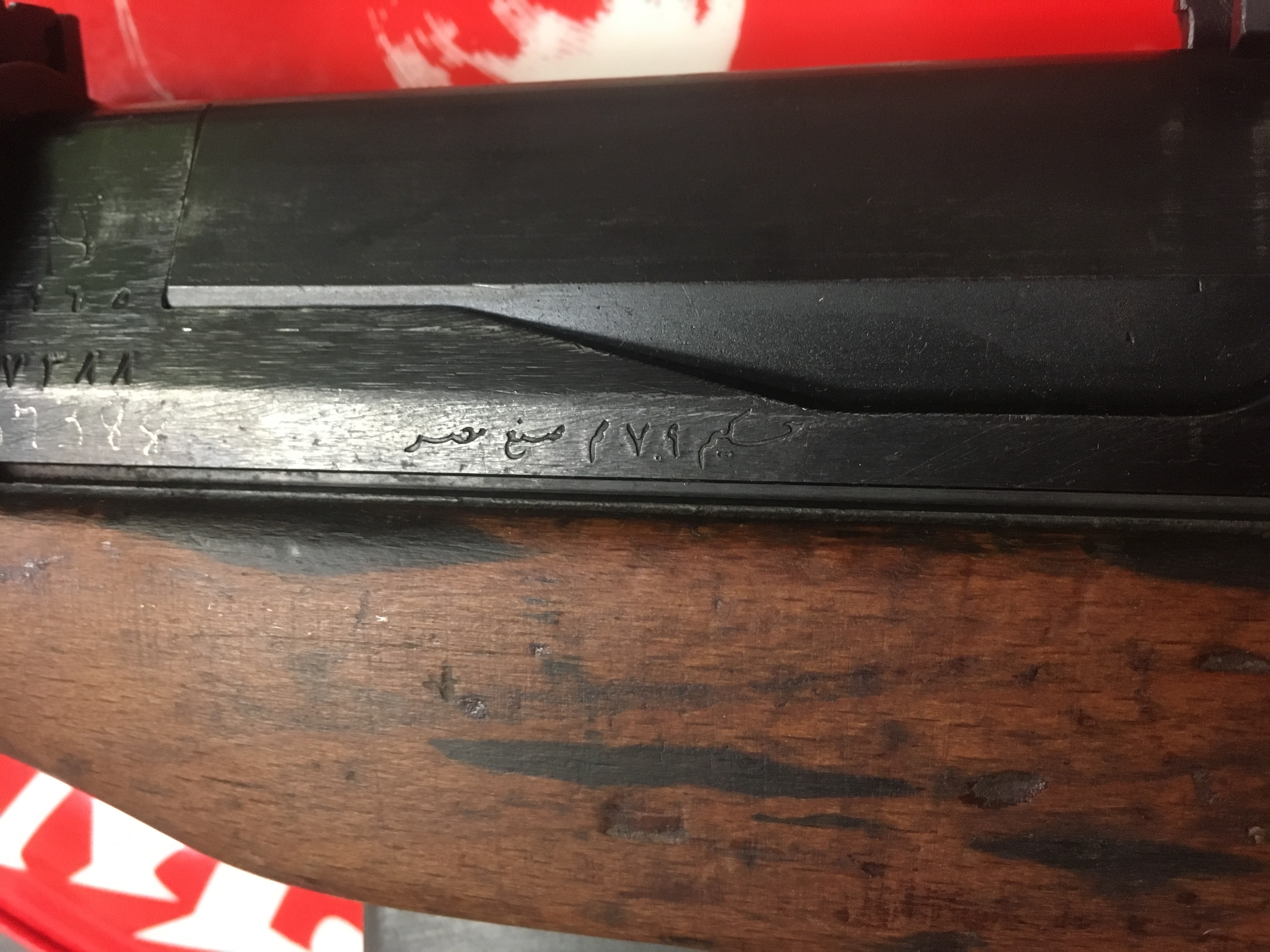
An Egyptian Hakim rifle from the collection.
Another point here is that the firearms coexist with their various accessories and accouterments, whether that be in a civilian or military capacity. Whether that be an Egyptian rifle sling or a leather Kurdish chest rig with ornate decoration covering it, all these come together to tell a historical story of religion, culture, and politics intertwining together sometimes in tragedy and other times in triumph.
We also have a simple ad posted on Armslist.com trying to get in touch with prospective sellers of what we are interested in. Of course, we cannot be buying everything, but we can be buying certain specimens that are good and genuine representatives of our subject matter.
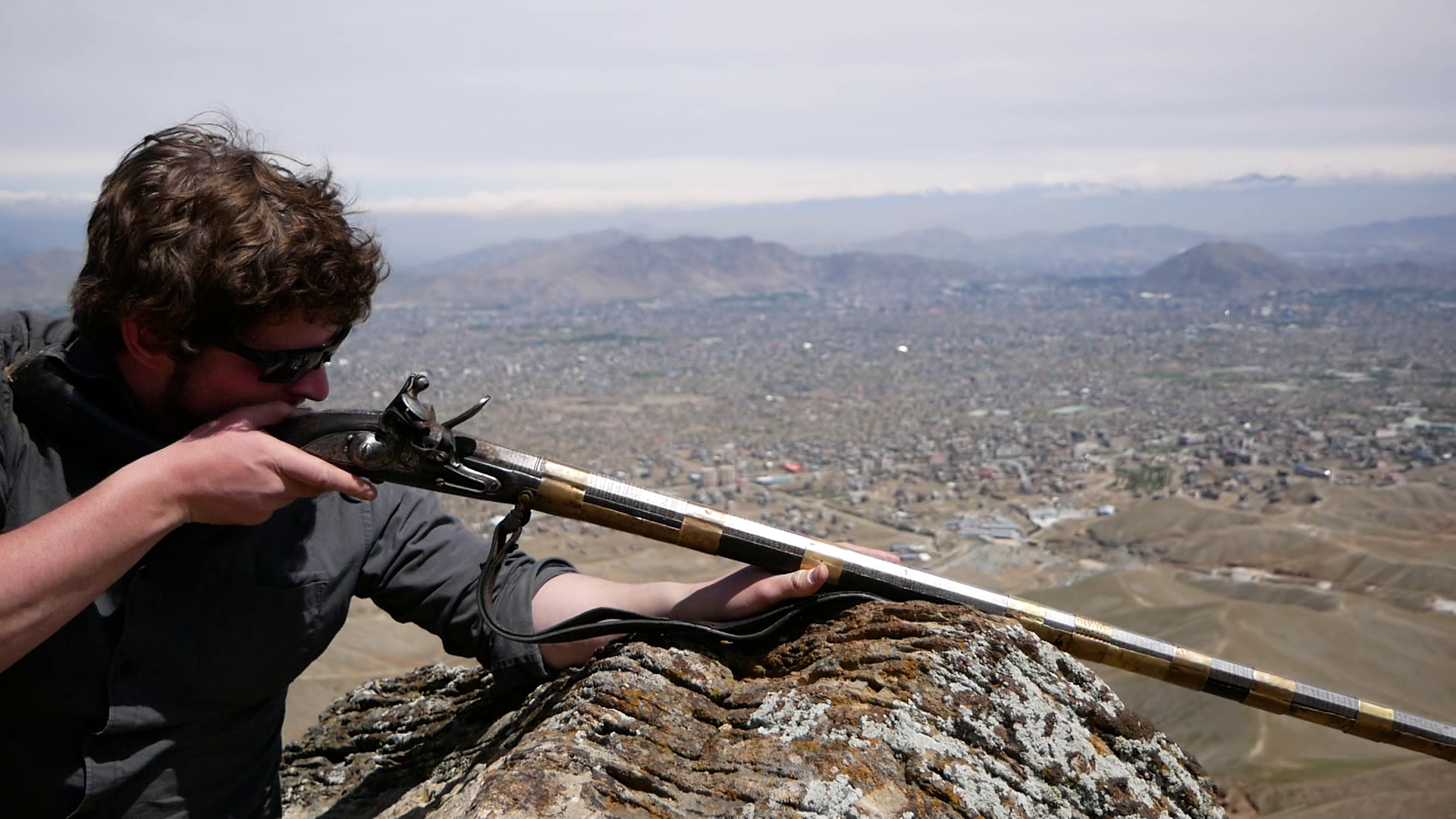
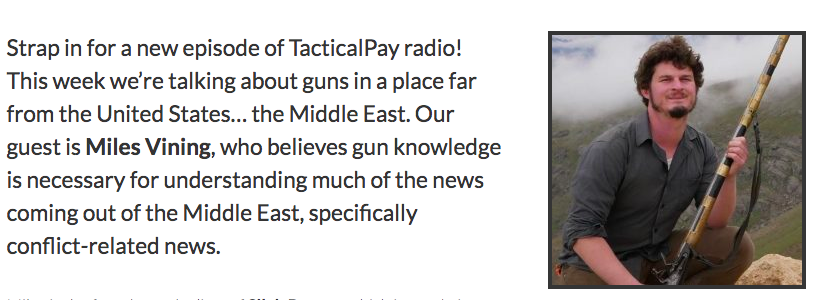
Thanks to the host of Tactical Pay, Brent Grayson, Silah Report had the humble opportunity to discuss our research and why we as a team feel it is extremely important to cover the topics that are interesting to us here at SR.
As mentioned on the website, some of the areas of conversation that we covered are listed here-
How his tours in Afghanistan led him to start the Silah Report.
What it’s like to be a combat marine in an undergraduate classroom.
Why Miles chose to study Farsi and Pashto at Indiana University at Bloomington.
How the Silah Report gets inside scoops on arms trafficking.
….
Furthermore, for those interested in learning more about the countries that make up MENA, the Silah Report offers a region country database. In order to understand the news coming out of those nations, as well as better understand conflicts in those regions, knowledge of the countries is crucial. Miles Vining’s time in the military has had a tremendous impact on him, and informs everything written on the Silah Report.
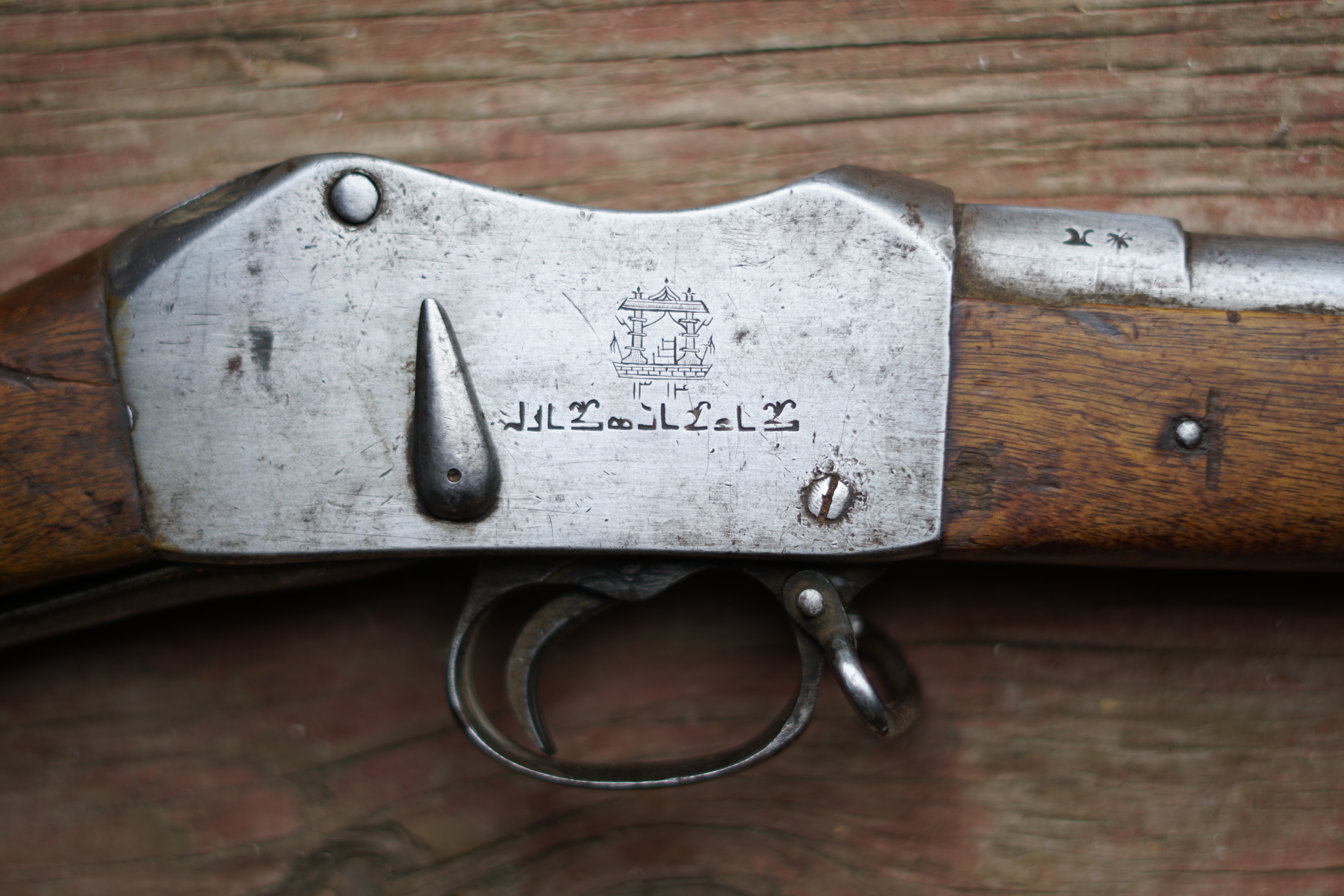
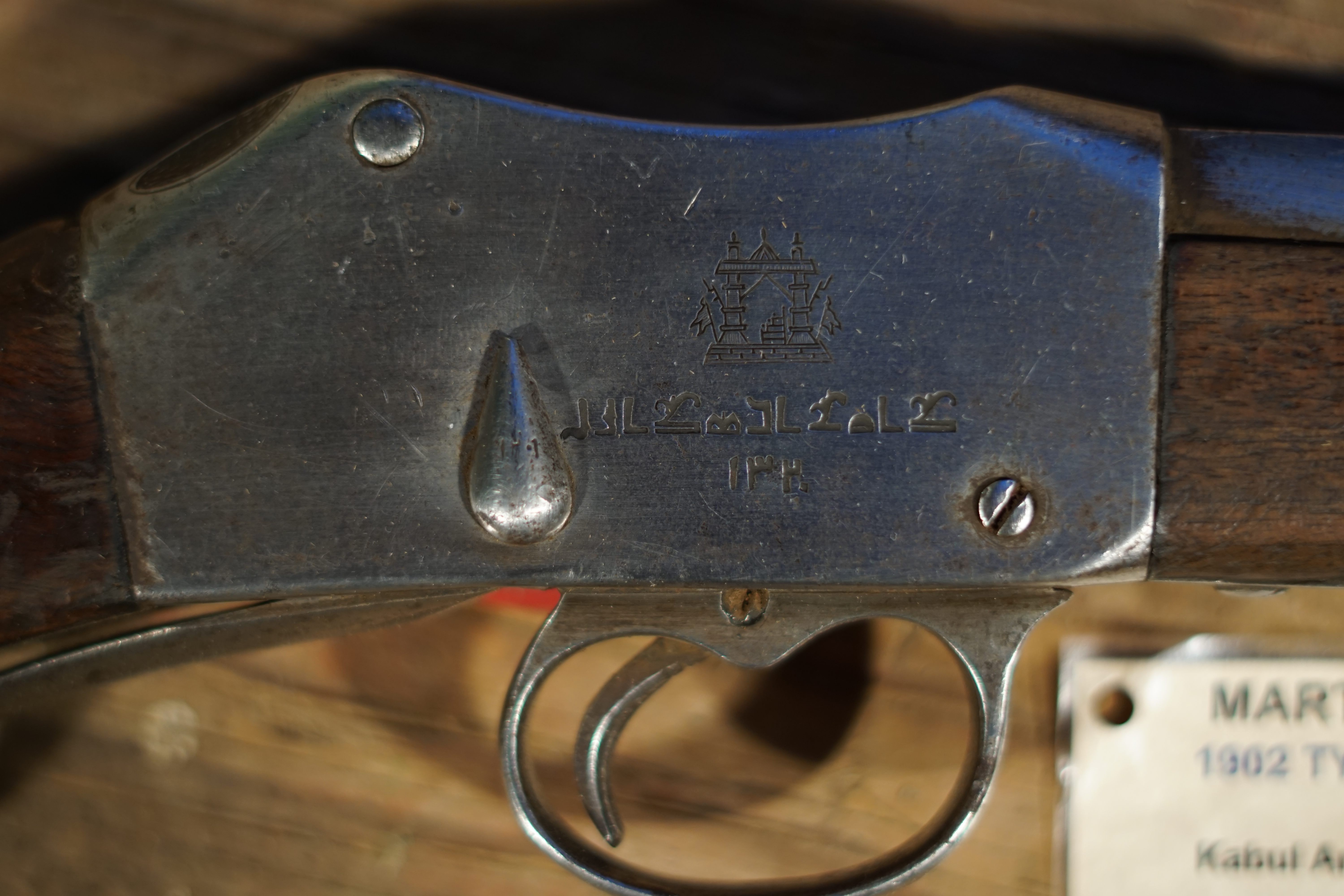
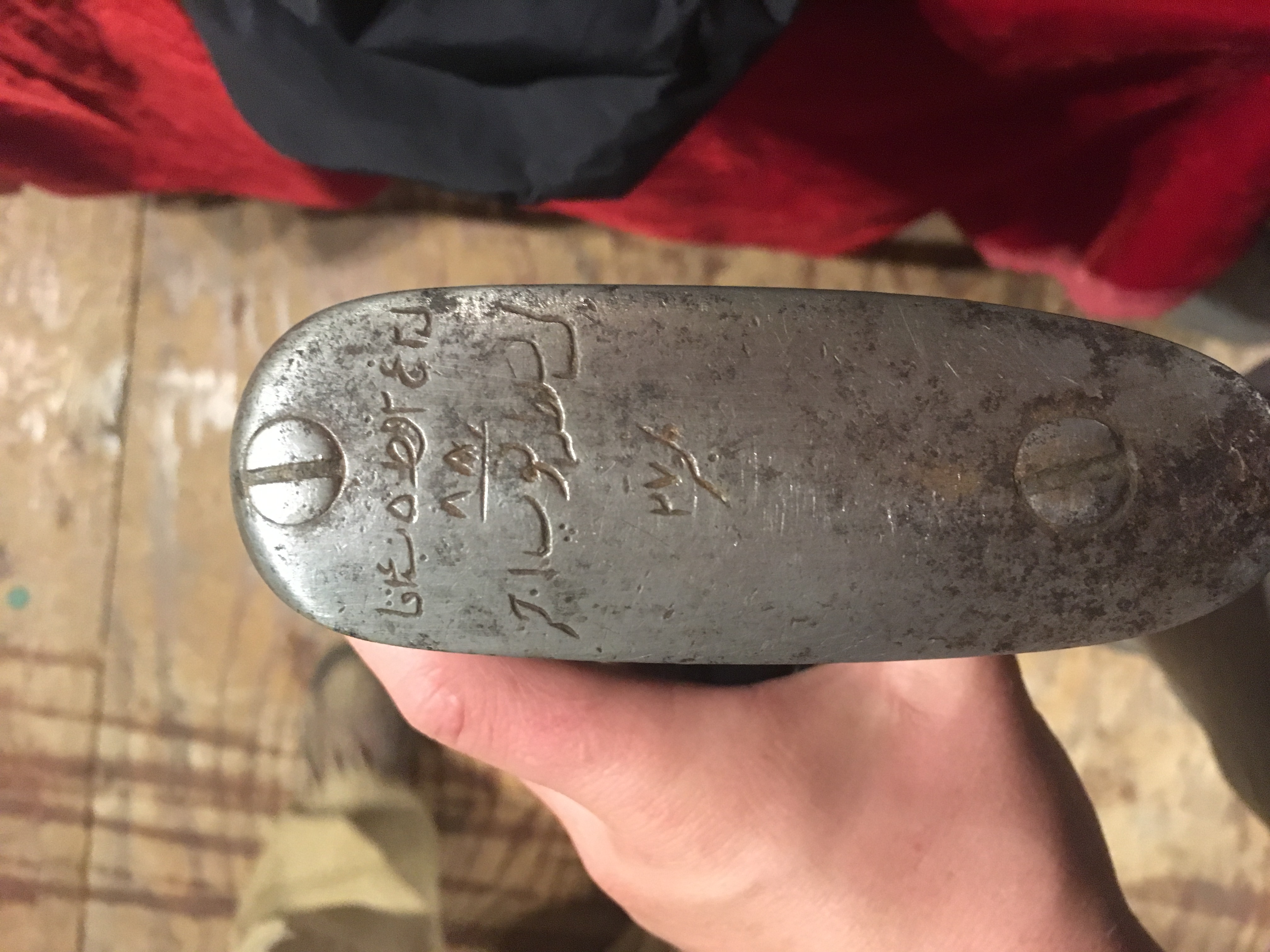
There was a time when anything that came out if Afghanistan was considered a “fake” Khyber Pass copy. Well, today we know this is simply not true. The British crown with the help Emir Abdur Rahman set up a modern arms and munitions factory in Kabul. Called, Mashin Khana by the locals. Today, we know it as the Kabul arsenal.
The Kabul machine works is a little-known and often very misunderstood producer of small arms. However, due to our recent involvement and presence in the region, products of this Armory are now making their way to the collectors Market in the United States. Often, when these rifles are encountered, they are Miss labeled as Khyber Pass made knock-offs and tossed aside as junk. This however could not be further from the truth. They are in fact rare and very under-appreciated firearms.
It is estimated that, between 5 and 8000 of each type of Martini-Henry variants may have been produced. Which, seven major types have been identified and classified. Extrapolating from there puts production figures between 35 and around 56,000 pieces. (V.Easley)
These figures do not take into account attrition, damaged or any rifles that were “lost.” Furthermore, these rifles were frequently scrubbed of there legitimate Kabul arsenal stamps. Then, they were re-stamped to make fake I.C.1 carbines and “Enfield” stamped Martini’s.
This was done by enterprising tribesmen for three reasons. The first being, to take advantage of the world known name and reputation of R.S.A. Enfield. The second, to take advantage of the antique rifle status of pre-1899 dated firearms. And the final, most important reason to go through all this work, to make money. More specifically, to make money off of American servicemen.
Taking these variables into account would put the number of surviving, originally produced examples somewhat lower. It is unknown at this time how many examples are currently in the United States, but one would reasonably assume far less than original production numbers. Making such examples, in my opinion, fairly rare to encounter.
(*NOTE- well these rifles have fake stamps on them to make them into “more desirable” models. They are still fully operational firearms. They are not to be confused with the poorly made and unsafe Khyber Pass knock-offs).
Afghanistan, as we might recognize it today, begin to take shape after the second Anglo-Afghan war. (1878-1880)This was a decisive British victory. From which, they installed a new, far more cooperative Emir, Abdur Rahman. He is considered to be the father of the modern state of Afghanistan. And with a modern State, you need a modern Army, and to have a modern Army so, you must have modern Small Arms. And the capability to produce them indigenously. All of which, the Emir was far too aware of.
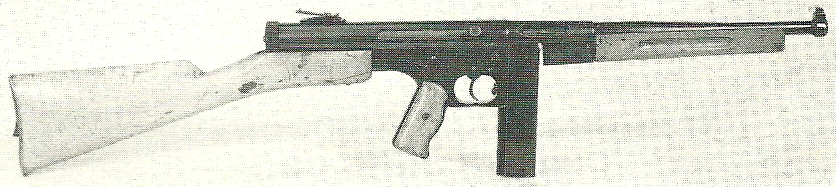
There is a one of a kind Thompson submachine gun variant that remains hidden from the public eye for more than fifty years at the National Firearms Centre in the United Kingdom (NFC catalog reference page here). The so-called “Experimental Egyptian Thompson” caused a lot of confusion and rumors to spread about Auto Ordnance and Kilgore Manufacturing Company for years but the mysterious Thompson’s mystery was finally resolved.
This is the picture of the Egyptian Thompson, and before I get into the details of the “Silah” (weapon, in Arabic, the more you know!), here is what was written on a small arms enthusiast’s website–
“An Egyptian-manufactured Thompson submachine gun copy made in the early 1950’s. The barrel is an original Thompson barrel made by Auto Ordnance Corp. but everything else was made in an Egyptian state factory. It is of poor quality. Interestingly, the body is cylindrical rather than rectangular, and the cocking is on the right side.”
According to the description, Auto Ordnance was in one way or another, involved with this Egyptian prototype, but according to an article written in Small Arms Review, “The Kilgore Manufacturing Company, Westville Ohio” by an author named “Tom Davis, Jr”, that’s not the case at all. Initially, the article mentions a book written by Thomas B. Nelson called “The World’s Submachine Guns” where he mentions the weapon in question and calls it “Experimental Egyptian Thompson”, that it was produced in the early 1950’s and had an Auto Ordnance markings on the top of the receiver!
The author of the article goes ahead and proves that Auto-Ordnance wasn’t involved and there are no markings for the company on the receiver whatsoever. He mentions a British firearm research known as John Cross who checked the weapon out in the NFC who had the following to say on the weapon as the article quotes him-
“This submachine gun is very crudely made. There are no markings or numbers of any sort on any part of the gun. The gun pictured in Mr. Nelson’s book is indeed the same gun as on display at the National Firearms Centre. There is no background information on this gun at the Centre. However, a careful study of the Register of Firearms at the Centre indicates the acquisition would have been in the 1956 timeframe, around the exact time of the Suez Campaign of 1956…”
Along with additional pictures posted on the article’s website for the dismantled receiver, we can safely presume that indeed, Auto-Ordnance had nothing to do with this Thompson.
Mr. Cross went ahead describing the weapon down to its smallest detail-
“The buttstock appears to be sawed off from an Italian Carcano rifle and has a poorly fitted alloy No. 4 butt plate. The foresight is similar to the Thompson Model M1A1 but homemade, and the rear sight is taken from some old military rifle, possibly a Martini. There is no provision for semi-automatic fire. It contains only two Thompson parts, the magazine and barrel – which is screwed only hand tight into the receiver. The extractor and the front part of the reduced diameter of the bolt have been brazed on the rear section of the bolt and then badly case hardened in an open furnace. The firing pin is machined into the breech face of what could possibly be the front section of a M1A1 Thompson bolt. Interestingly, the mainspring cap is the sawed-off base of an EC 43 steel .45 caliber ACP casing. The mainspring was either originally not long enough or had broken and had been brazed together. The bolt body consists of a rear section of several sections welded together. The pistol grip is a machined block with the grips made of several sections of 1.5mm steel welded together in the same style as a Lewis gun. Despite appearances, the magazine catch is not from a Thompson gun.”
In classic British humor, he stated the following “As I had not remembered to bring my suit of armour or safety glasses with 1 inch thick glass, no attempt was made to fire this weapon!” The “silah” sounds like a real DIY (Do It Yourself) Middle Eastern firearm, and probably one of the first in the 20th century!
In the end, this was a “Thompson-ish” weapon made and used to fight the Anglo-French occupation of Egypt and as I am Egyptian and therefore biased as hell, unfortunately, I see it as a crude weapon made that is a manifestation of Egyptian willpower to fight back. True, Egypt was invaded and occupied by almost every superpower or major civilization throughout history, but there are Egyptians, who are willing to stand up and fight back although all the odds are against them. On the other hand, you might see whoever made that weapon as a brainwashed patriot who fought for the wrong cause. Perhaps one day I might be able to see the silah in person.
In the interwar period, Iran’s military industry was primarily dominated by the German investments. In 1933, with the German support, Iran established a powder plant in Parchin (25 kilometers to the south-west from Tehran). Starting from 1934, Tehran Military Arsenal started assembling Mauser rifles from parts kits imported from the Czechoslovak Republic with only stock being locally made. Later they started manufacturing these rifles in Fritz Werner factory which was another plant built by Germans. There was also an ammunition plant and Krupp artillery shell manufacturing plant established in Sultanabad. In 1940 Germany built a gas mask manufacturing factory near Tehran. A German and Czech joint company called “Nabar” was building a new plant in one of the districts of Tehran that was supposed to make ZB-26 and ZB-50 machine guns.
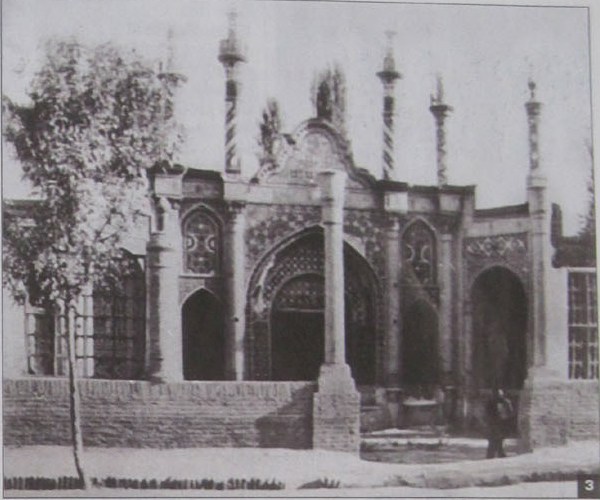
Tehran Arsenal (1887)
Besides the above-described investments in small arms and ammunition manufacturing, Germany had large investments in other segments of the Iranian military industry, too. UK and USSR were concerned with such strong German presence which probably was one of the reasons of the Anglo-Soviet invasion of Iran. Here is an excerpt from the Wikipedia article describing this invasion:
The Anglo-Soviet invasion of Iran, also known as the Anglo-Soviet invasion of Persia, was the joint invasion of Iran in 1941 during the Second World War by the British Commonwealth and the Soviet Union. The invasion lasted from 25 August to 17 September 1941 and was codenamed Operation Countenance. Its purpose was to secure Iranian oil fields and ensure Allied supply lines (see the Persian Corridor) for the USSR, fighting against Axis forces on the Eastern Front. Though Iran was neutral, the Allies considered Reza Shah to be friendly to Germany, deposed him during the subsequent occupation and replaced him with his young son Mohammad Reza Pahlavi.
In 1941 Soviet small arms industry was not in its best shape, to say the least. Many plants were evacuated but hadn’t yet settled in new locations and there was a huge demand for new weapons and ammunition in the frontline. The Soviet Union decided to purchase small arms from its ally nations. Particularly, they were planning to buy from Iran 100,000 rifles, 500 LMGs, 400 medium machine guns, and 15 million cartridges. They were especially interested in buying as much of estimated 8,000 Iranian Maxim machine guns that they could.
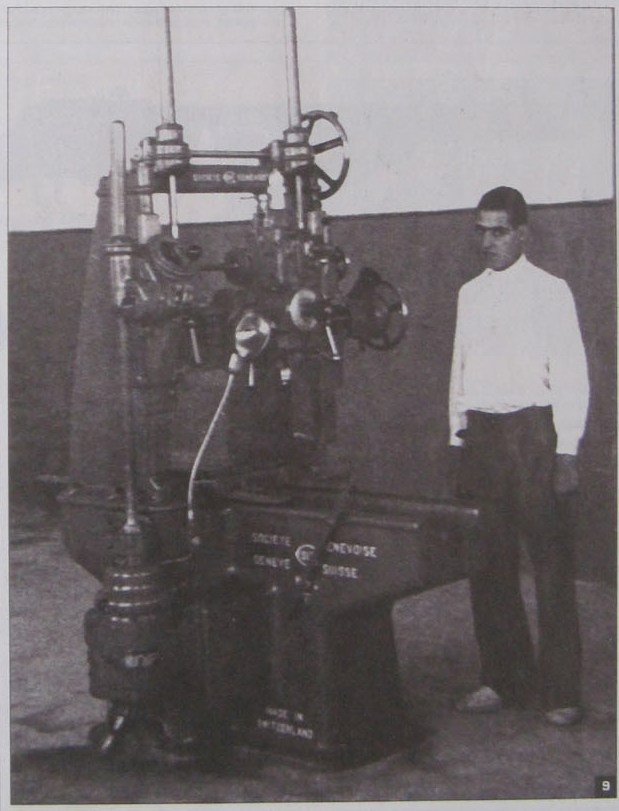
Iranian worker standing next to a Swiss machine
In 1942, the evacuated Soviet plants were already established in new locations and started working. However, the war has been escalating and there were even more losses of personnel and small arms. The demand for small arms was the all-time high. The Soviet Union officials started to think about sourcing more weapons and equipment from their allies. They were initially planning to buy from Iran the Tehran Arsenal, the unfinished machinegun plant, as well as powder and ammunition plants. Later, they decided not to buy them but place orders in Iranian plants, help to finish the machinegun plant construction, deliver equipment, assign specialists and qualified workers to Iran as well as supply the raw materials necessary to fulfill the Soviet orders. As a result of these negotiations, on January 23, 1943, a contract was signed between the two countries.
According to the contract, by January 1944, the Iranian machine gun factory was supposed to have manufactured 30,000 PPSh SMGs each equipped with six box magazines, spare parts and accessories. They were planning to start the manufacturing process in August 1943 with a production rate of 4,000 PPSh SMGs per month. That rate had to be increased to 6,000 SMGs per month. The #367 plant in Vyatskiye Polyany (today’s Molot Oruzhie) which was the main manufacturer of PPSh SMGs, sent the technical drawings and raw materials necessary for accomplishing the manufacturing plan of first two months (8,000 SMGs and 48,000 magazines). According to the contract, Iran could also make these weapons for their own use both during the war and after its end. The only restriction was that it was forbidden to transfer the technology to third countries.
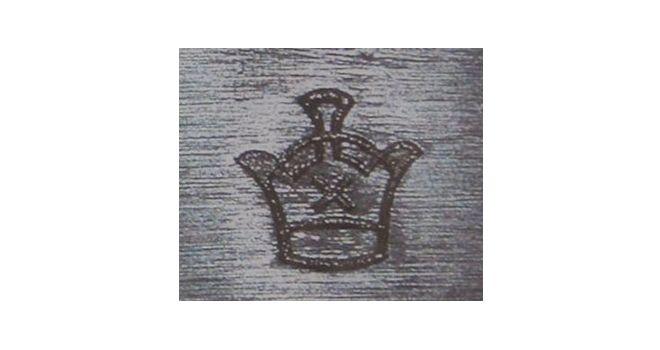
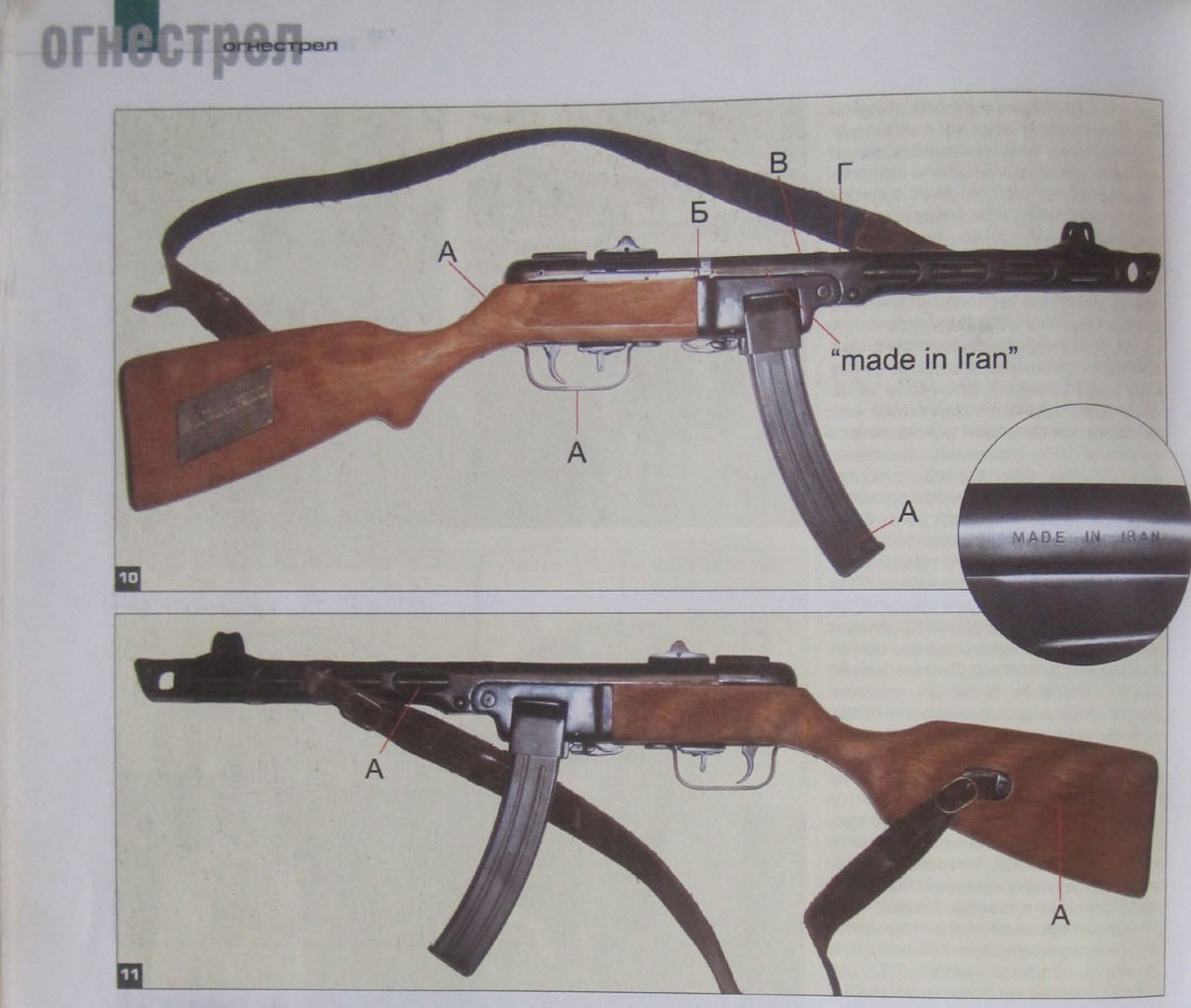
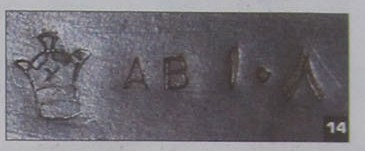
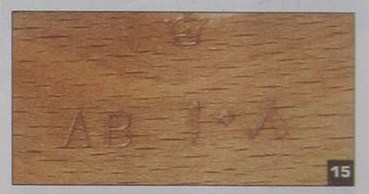
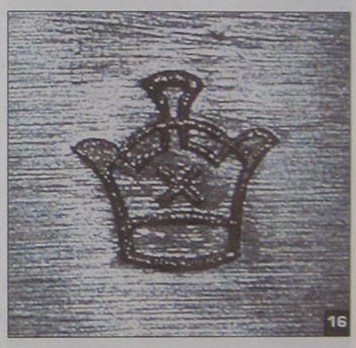
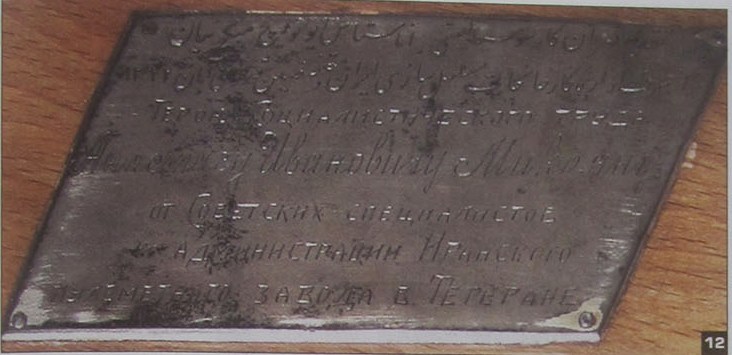
Despite the terms of the contract, the deadlines were not met and there were continuous delays for multiple different reasons. In 1943, only 214 PPSh SMGs were made in the Iranian plant. 11 from these 214 guns were sent to the Main Artillery Directorate of the Red Army as presentation guns for high ranking military and political officials. One of the SMGs was presented to Shah of Iran. The PPSh shown in the images of this article was presented to Anastas Mikoyan, the Minister of Foreign Trade of Soviet Union. These guns were hand finished and had multiple unique markings. The models that were supposed to be supplied to the Soviet army had only the crown on top of the receiver with other markings being identical to the Soviet guns.
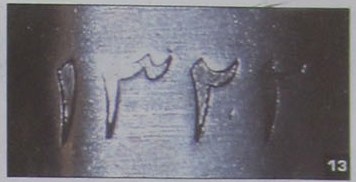
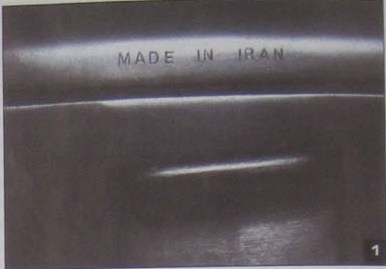
The Iranian-made PPSh presented to Anastas Mikoyan. The arrows with Cyrillic letters show the location of markings. A – serial number and crown; Б – serial number; B – crown; Г – the year of manufacturing. Interestingly, there was also a “MADE IN IRAN” marking in English.Serial number with the crownSerial number and crown on the stockProduction year in Iranian number system on the presentation gun. The symbols stand for 1322 which corresponds to the year of 1943.Closeup view of the “MADE IN IRAN” markingCloseup view of the crown markingPlaque on the gun presented to Anastas Mikoyan. The text reads: “To Hero of Socialist Labour Anastas Ivanovich Mikoyan from Soviet specialists and administration of Iranian machinegun plant in Tehran”
The production of these Iranian PPShs never met the set deadlines and it is unknown how many of them were supplied to the Soviet Union (various sources have various numbers). Reportedly, Iran made some PPShs for their own needs after the war, but there are no confirmed numbers either. The Iranian PPSh presented to Anastas Mikoyan is kept in the Central Armed Forces Museum of Russian Federation located in Moscow, Russia.
Sources:
Davidov B.V. (December 2005). “PPSH – Made in Iran”. “Mir Oruzhiya” Magazine.