Pakistani SSG’s Rifles Function as “Prayer Barrier”

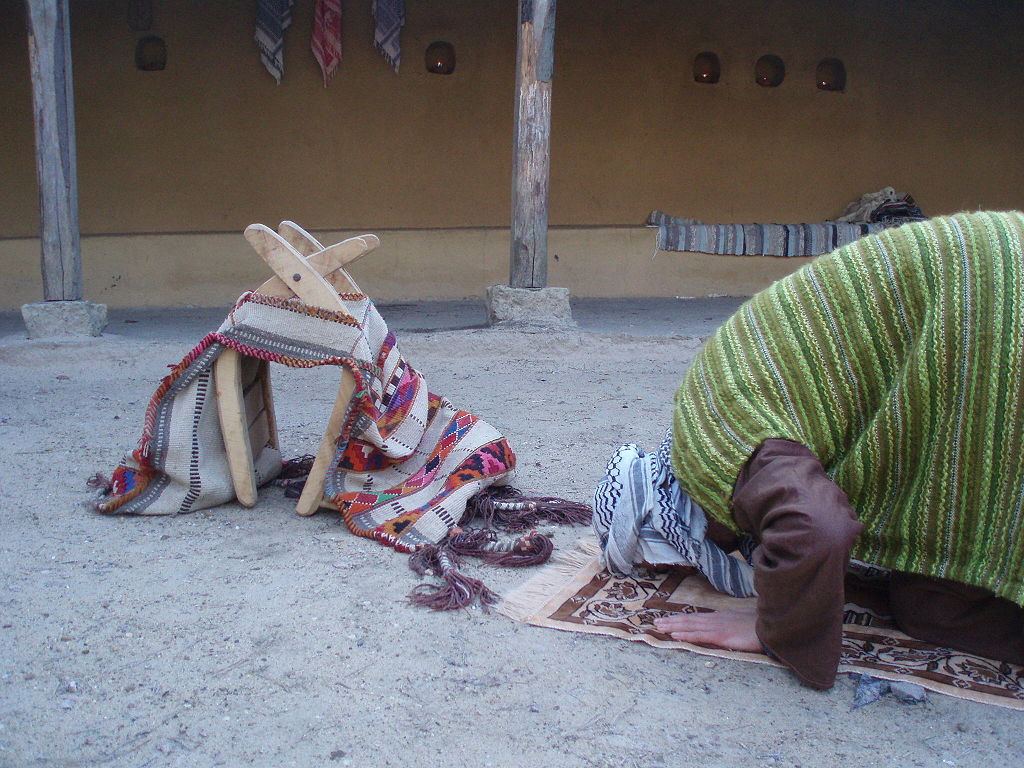
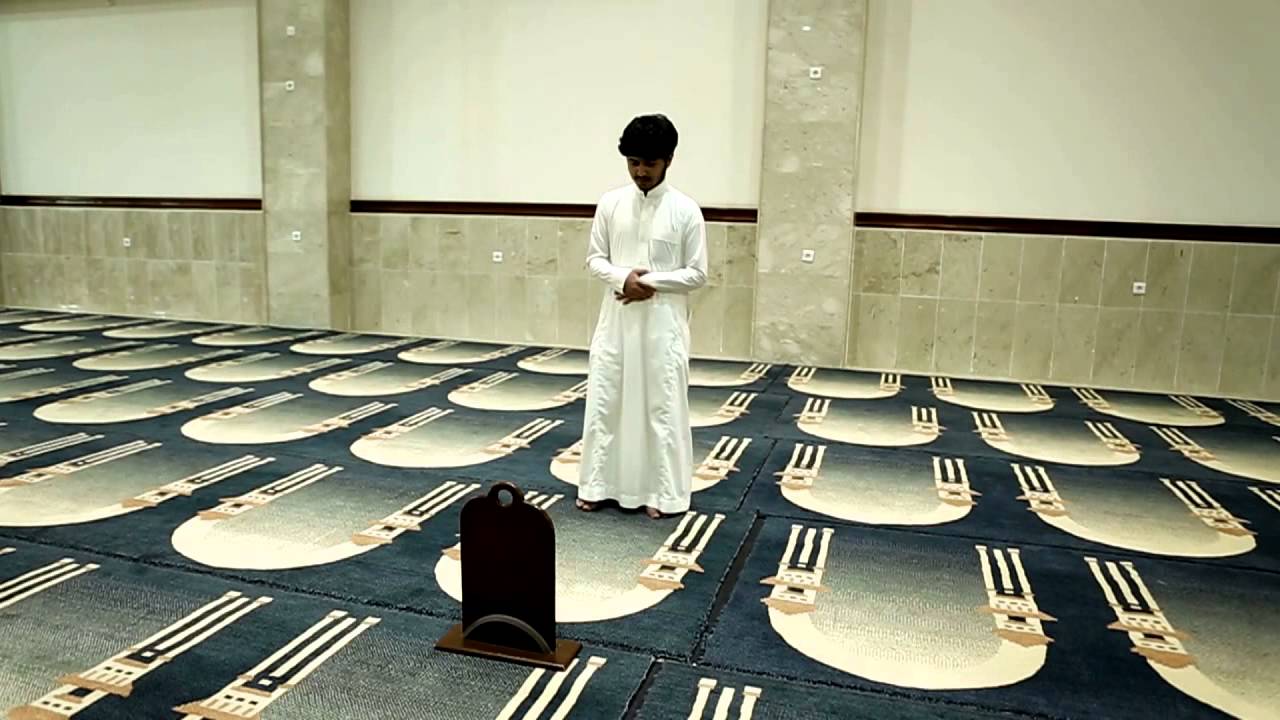
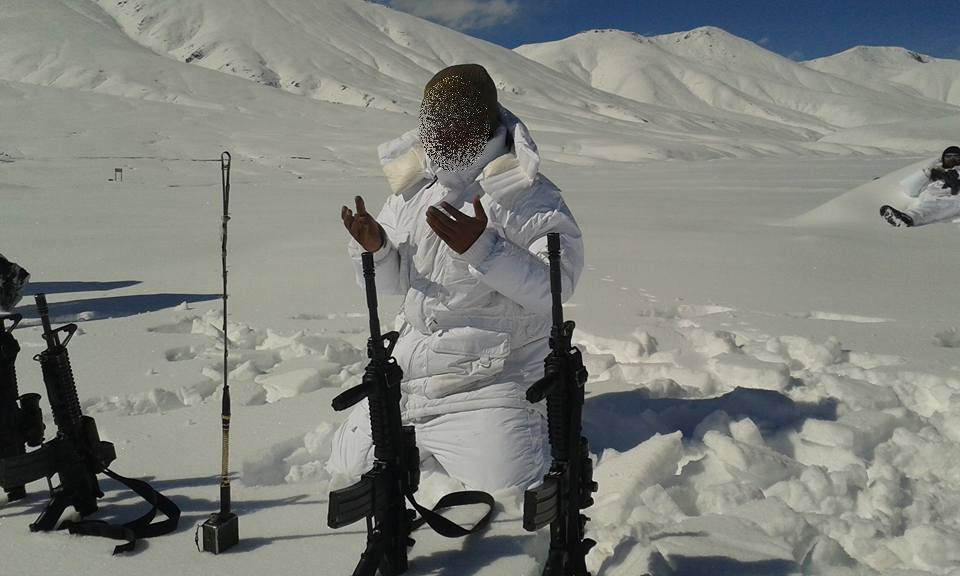
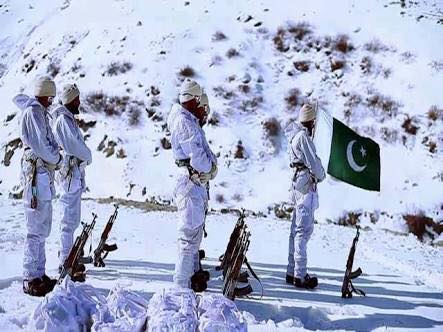
Recent photographs of Pakistan’s Special Service Group have surfaced in which members of the group are conducting mountain warfare training in the snow. Of particular interest is of the group conducting their Salat, or daily prayers. The prayers themselves aren’t so much as interesting as is what the soldiers are doing with their weapons. The M4s and in another picture, Kalashnikov patterned self-loading rifles are stuck into the snow in front of the soldiers praying, butt first.

Although not really utilized today throughout the Islamic world, the practice dates back to the early Islamic period where one would place an object in front of them so other people would know not to walk in front of them during their salat. Specifically, it is called a Sutrah, or سترة in Arabic, meaning screen, or cover. There are some Hadiths on the topic but again it isn’t in wide use today.

Wikipedia lists two Hadiths in particular–

Sahl ibn Abu Hathmah narrated: إذا صلى أحدكم إلى سترة فليدن منها لا يقطع الشيطان عليه صلاته The Prophet said: When one of you prays facing a sutrah he should keep close to it, and not let the devil interrupt his prayer.

The Messenger of Allah said: لا تصل إلا إلى سترة، ولا تدع أحداً يمر بين يديك، فإن أبى فلتقاتله؛ فإن معه القرين Pray facing a sutrah, and let no one cross in front of you while praying. If he insists, then prevent him by force because he is accompanied by shaitan.

Another resource on the topic is listed here for those fluent in Arabic.

Taliban Raid on Afghan Militia Post Reveals Modern Small Arms Inventory

Recently disclosed photographs supplied to Silah Report have suggested that the local GoIRA supported militias are armed with more than the standard Kalashnikov self-loading rifles often seen throughout the country. One example of these forces is the Afghan Local Police, or ALP. Although these forces are seen as cost-effective, many local Afghans compare them to the days of the War Lords that roamed the country in the Civil War.

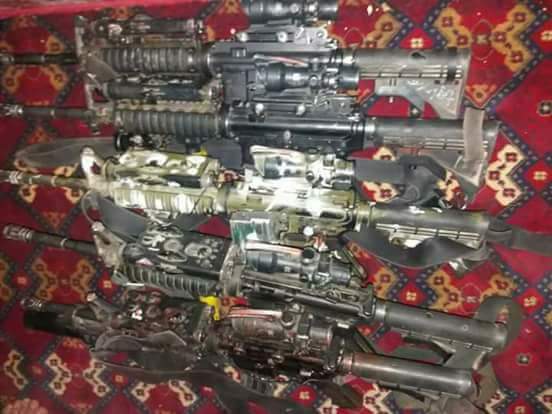
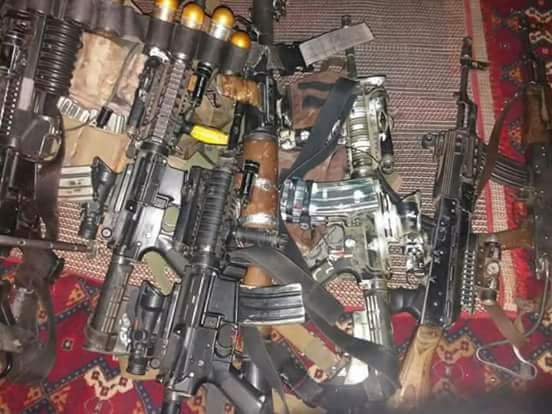
The photograph below depicts five 5.56x45mm NATO M4-patterned carbines in configurations that are identical to that of the ANA Commandos. This includes the AN/PEQ-2 TPIAL mounted at the 12 o’clock position on the Picatinny rail, the Trijicon 4x RCO day optic, the MaTech BUIS, and even the spray painted rifle in the center. Also present is a 40x46mm NATO M203 UBGL mounted to the carbine at the bottom. Notice on the painted carbine the coupled STANAG magazine inverted from a usual “rounds up” position.

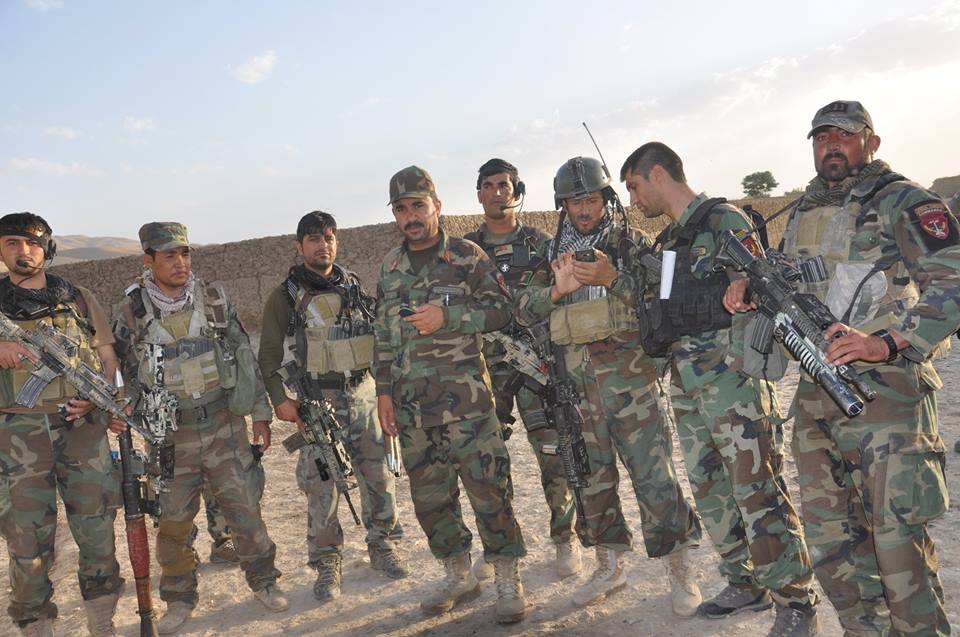
As indicated by this photograph, a small arms inventory such as this is consistent with what the ANSF Commandos are generally issued.

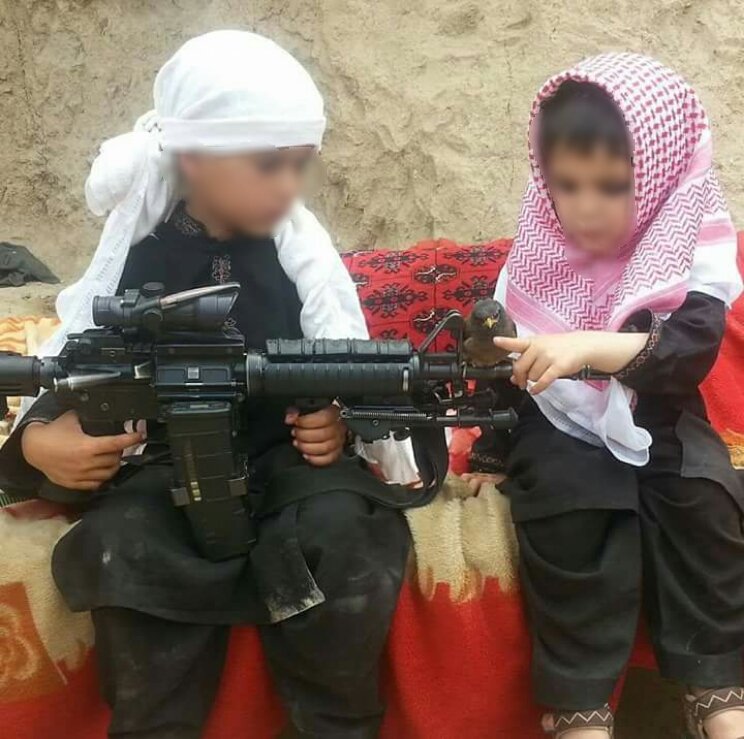
This photograph was provided by the same source and features a similar magazine coupling technique as illustrated above. What appear to be UTG rail covers and what is most likely a Harris bipod copy appear to be third party modifications from the standard issue. Myna Bird perched on the 6-inch barrel comes unissued.

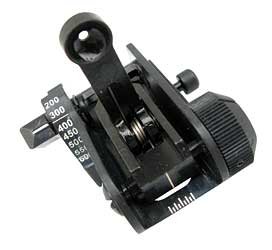
MaTech BUIS as in use.

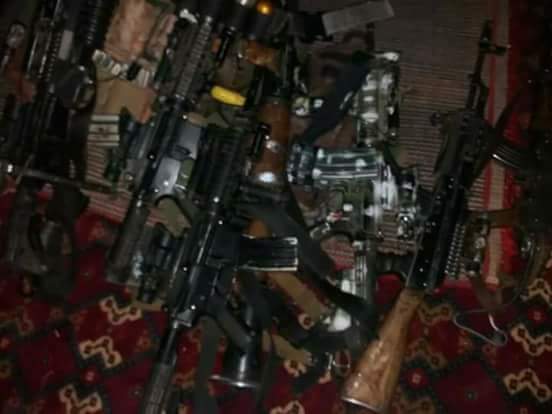
However in this angle present are Streamlight TLR Picatinny mounted weapon lights, in addition to Kalashnikov patterned rifles, which are rarely in use by ANSF Commandos, if at all. Although rare, there are some TLRs that have been spotted among the group.

Although contextual information about the photographs are scare, a source has suggested that the militia checkpoints are perhaps funded by a shadow entity with a large supply budget. Such as the “Kandahar Strike Force” that was indeed set up by the CIA. In Afghanistan, this is immediately assumed to be the “CIA”, but until we have further information, we cannot venture more into the origins of these carbines.

Palestinian Authority “Returns” Israeli CAR15 (Sans Bolt) after Patrol Attacked in West Bank

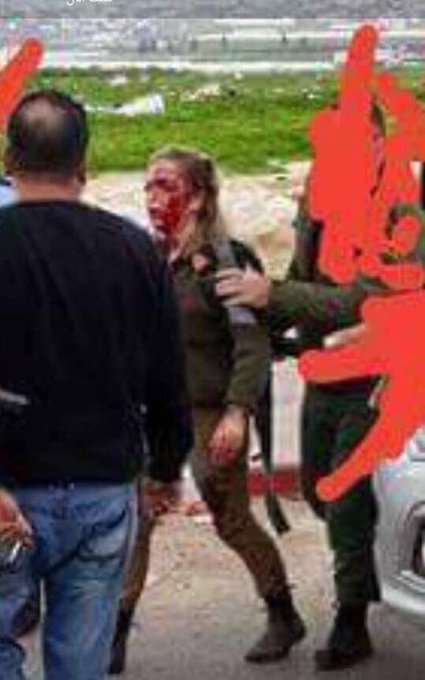
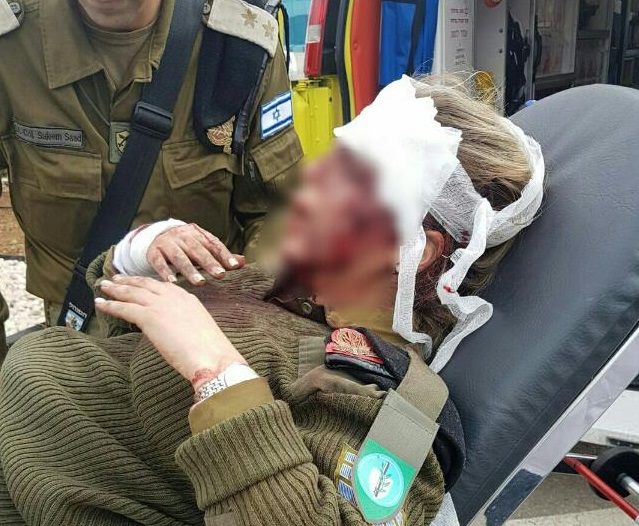
An Isreali Defense Forces patrol was attacked with several members severely beaten before an armed Palestinian Authority element came to their aid in the vicinity of Jenin, West Bank. From the Alemeiner-

The two soldiers, a man and a woman, were lightly to moderately injured. Images of the female soldier’s bloody face circulated on social media after she was injured by shattered windshield glass. She was evacuated to a hospital in Afula.

Video from the attack shows the mob haranguing and attacking the soldiers as they cried out.

An initial investigation found that the soldiers had been misdirected to the Palestinian city by the Waze navigation app on their journey from Shavei Shomron in Samaria to Afula in the Jezreel Valley.

A Palestinian Authority policeman intervened to protect the Israeli soldiers, ultimately firing into the air to disperse the crowd. Over 100 members of the PA security forces were called out to escort the soldiers to safety and return their jeep to Israel, according to a PA security official interviewed by the Jerusalem Post, who also said that the effort was made both to protect human life and prevent Israeli reprisals against Jenin.

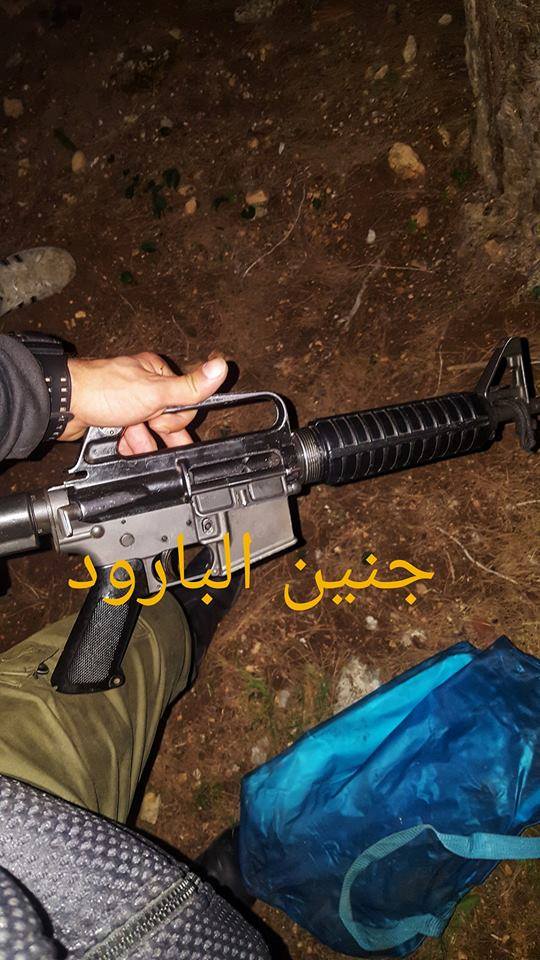
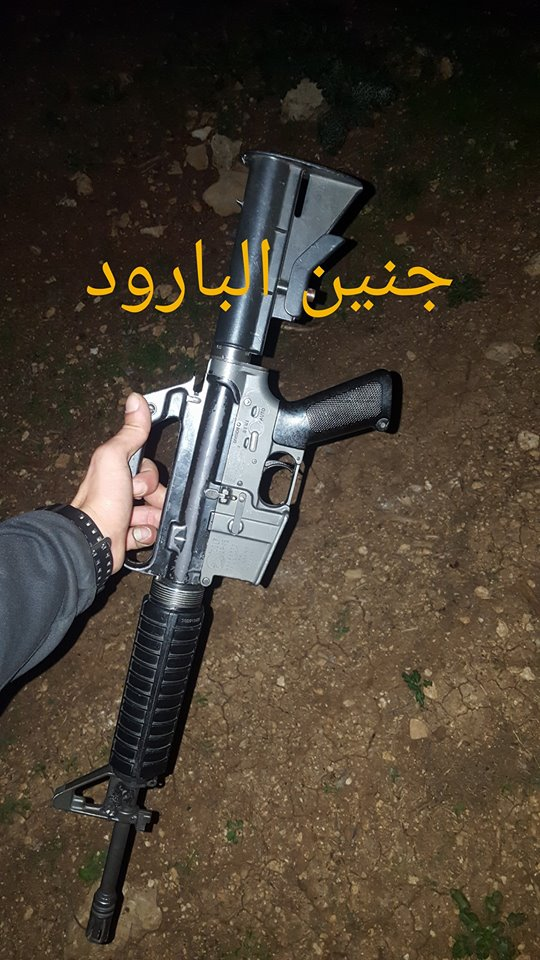
Various Palestinian social media outlets have released images of a Colt CAR15 that appeared to have been returned to IDF forces after the encounter. The IDF has made extensive use of U.S. CAR15s, M16A1s, M16A2s, and even M4s for a number of decades, currently supplementing the IWI Tavor now in service with frontline troops.

From Gaza Now, a Palestinian social media account–

بعد محاصرة الشاب الفلسطيني الذي استولى و تمكن من إغتنام سلاح مجندين جيش الاحتلال .

#عاجل : أجهزة أمن السلطة الفلسطينية تسلم الاحتلال الإسرائيلي السلاح الذي استولى عليه الفلسطينيين في مدينة #جنين اليوم .

#صور: مسربة للسلاح قبل تسليمه لجيش الاحتلال

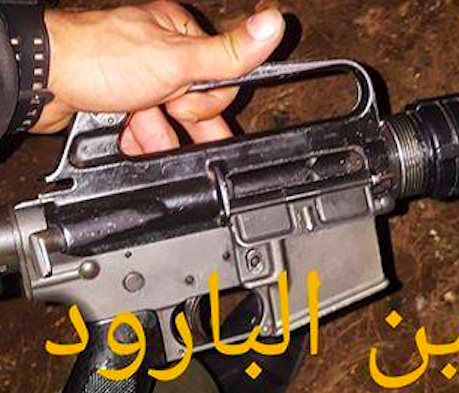
Notice the earlier A1 forward assist and A1 rotary dial rear sight. In addition, notice the shorter telescoping stock which is signatory of the CAR15 series. Also note that the upper and the lower receiver don’t match, possibly indicating that the two parts were interchanged throughout the life of the rifle.

But more interesting than the rifle is the fact that the bolt and charging handle appears to be missing from it. This could have been intentional on the part of the Palestinians who captured the rifle.

The Israeli soldiers appear to have taken a beating but fortunately are still alive. They probably could do with a remedial land navigation course, and not rely on Waze to get from one tactical objective to another.

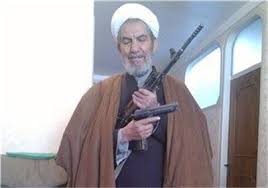
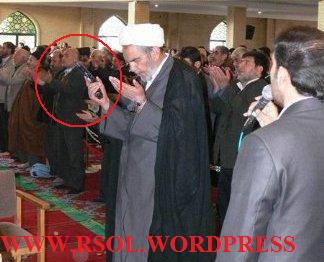
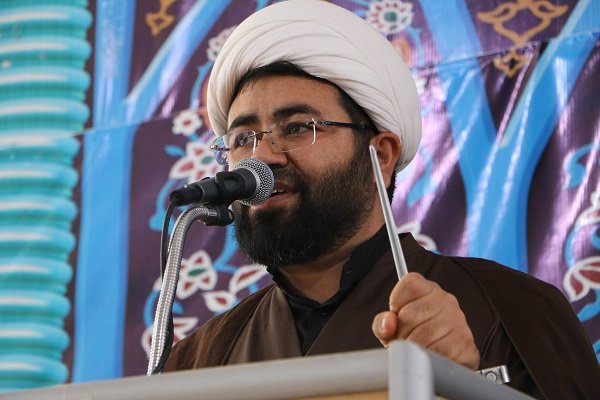
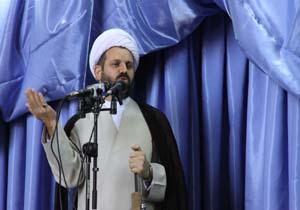
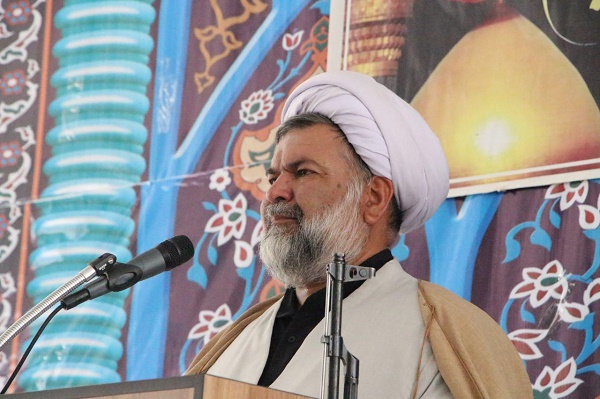
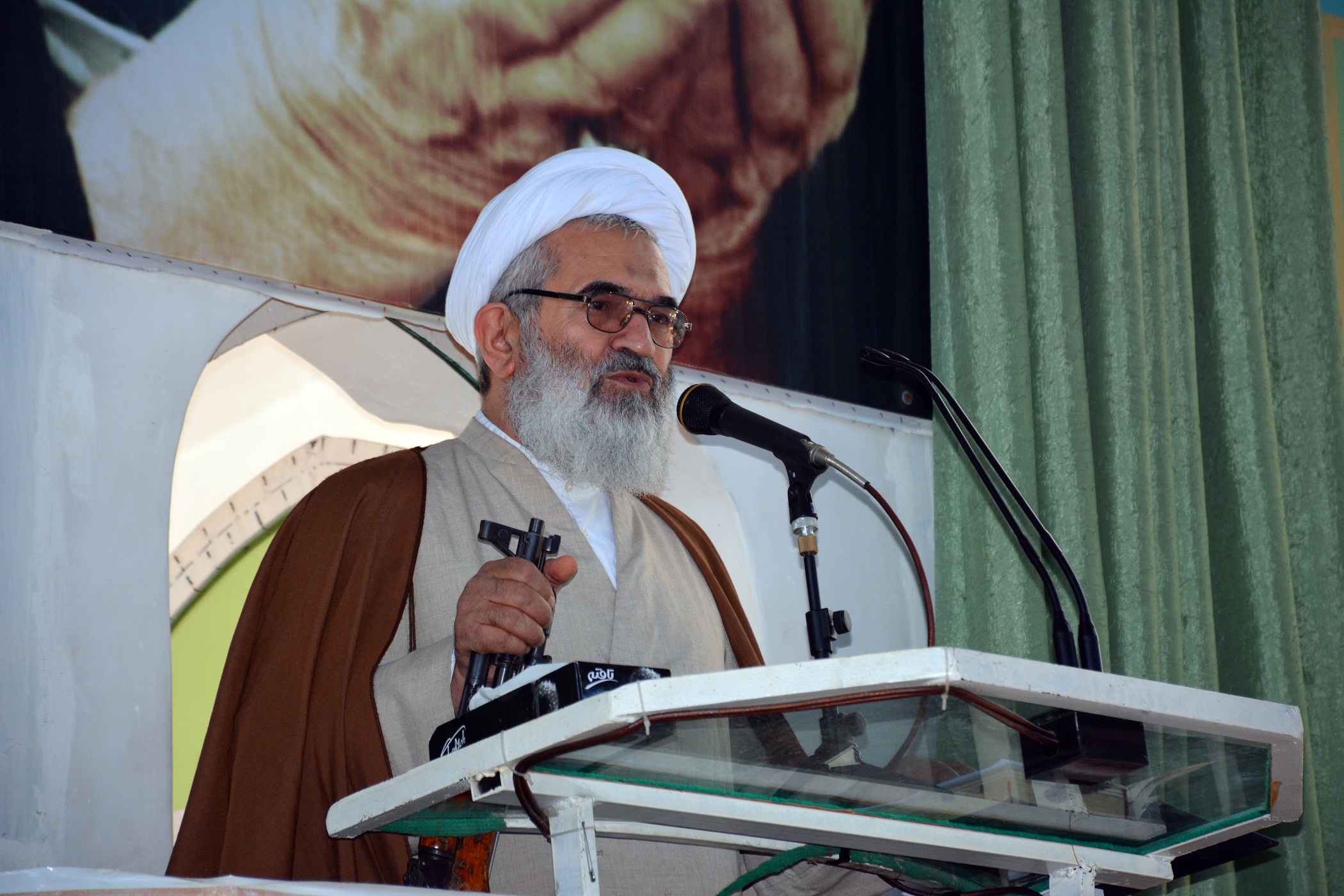
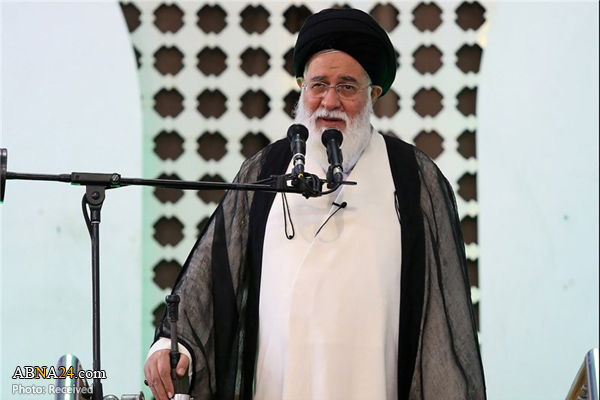
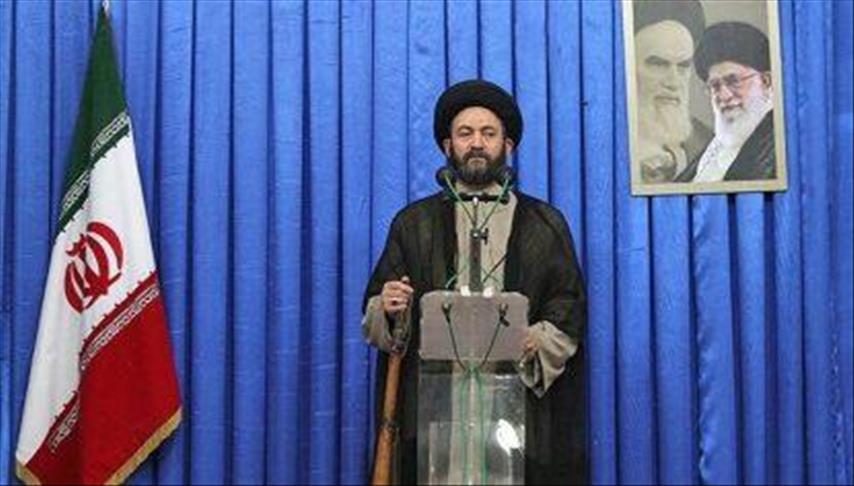
The Odd Case of Iranian Imams Holding the “Weapon of the Day” During Khutbah Prayer Sermons

In a previous article on Silah Report authored by Ali Parsa and generously donated by him from his website Aliparsa.com, Ali specifically mentioned an interesting practice done by Iranian Shi’a Imams during Friday Khutbah Prayer services. Imam’s in Iran are known to hold on to various rifles while giving their Khutbah sermons. Ali mentions that this comes from a Sunnah of the Prophet Muhammad (ﷺ) where it mentions that the Prophet always held the “Weapon of the Day” while giving his own sermons. Going into a little searching I found this paragraph on Islam QA that gives some background behind this-

In a tradition recorded by Imam Abu Dawood, it is narrated that the companion, Hakam bin Hazn Al Kulfi (RA) said, ‘We witnessed Juma with the Prophet (SA), and while standing (to deliver the khutba), he was leaning on a staff or bow. (Abu Dawwood – Chapter of a person who delivers a khutba and leans on a bow). Based on this narration, scholars have stated that holding the staff while delivering the khutba is commendable, as it was a practice of the Prophet (SA). In this regard, the great jurist, Allama Shami recorded the following: – ‘Certainly taking the staff is a Sunnah just as standing’. (Raddul Mukhtar).

Now, I’m not nearly as versed in the Sunnah as Iranian Shi’a clerics, but in this instance it makes no mention of a “Weapon of the Day”, which Imams in Iran appear to interpret as meaning whatever primary weapon is issued that is used to defend the Islamic Republic of Iran. That is certainly one interpretation of “Weapon of the Day”, perhaps similar how a “Uniform of the Day” is in many armed forces regulations around the world informing troops what uniform to wear. The explanation above refers to a “Staff”, which the Prophet appears to simply mean something to lean on, gain physical support from, and show to emit a sense of authority in front of a congregation. We have similar examples of Prophet Moses’s staff and there are other religious texts that reference a staff as well.

A key note to mention here is that this practice is only adhered to in the Islamic Republic when it comes to gripping actual firearms during the Khutbah sermons. It doesn’t appear to even exist in other Shi’a dominated countries or countries under Iranian influence to the extent that it does in Iran.

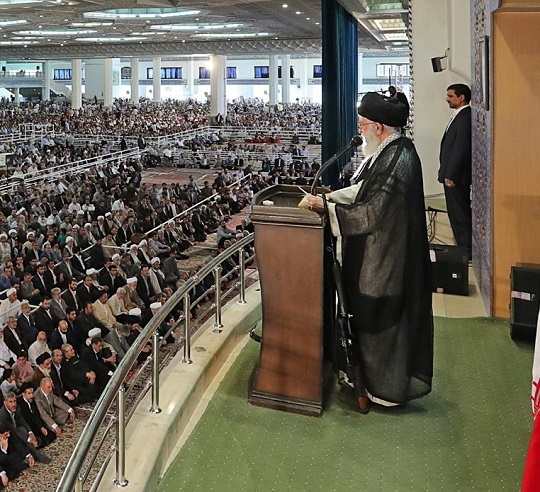
Now, going back to sort of the entire reason why Silah Report exists (apart from general small arms & light weapons analysis), is that we serve to make sense of these cultural phenomena when it comes to the intersection of small arms and the regions we are interested in. A prime example is this Blaze post in 2015 that is entitled “Can You Spot What Iran’s Khamenei Was Holding During His Speech on the Nuclear Deal? The Mainstream Media Ignored It”.

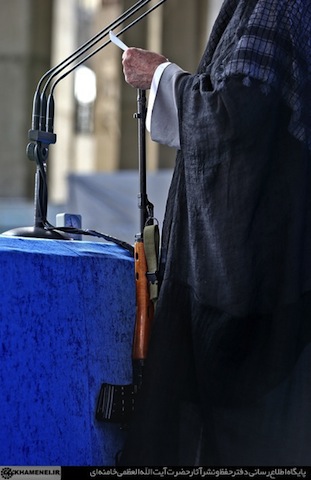
The post goes to great length to try and psychoanalyze the geopolitical ramifications of Imam-i-Khamenei gripping what is most likely a Chinese export copy of the 7.62x54r mm SVD Dragunov marksman rifle.

The article mentions that-

To drive home the point, the supreme leader’s official website posted a close up photo captured from beside the podium of the gun which even showed the magazine jutting out

…

But the most potent sign of all reflecting his message – the gun balanced under his left hand holding his speech notes – was left unmentioned.

It’s unlikely that if the speech had been given by an American or any Western politician that this scene setting detail would have been overlooked, especially given the hotly debated issue of guns.

The AP’s website had this photo of Khamenei holding the gun, but it was not mentioned in the copy in the accompanying article

By now, I hope readers of this article will realize the odd stance that The Blaze is taking on this Dragunov. Of course the Iranian media didn’t mention it because this is in fact actually a completely routine practice done by Imams at every organizational level throughout the religious hierarchy in Iran. Should the Iranian media have thoroughly mentioned the microphone in front of Imam-i-Khamenei’s face as well?

Now, this post isn’t to slander a conservative news outlet for getting something wrong. Any viewpoint from any source at all that is worthy of correcting in a cultural, historical, or social light will be equally scrutinized. This one just so happened to stand out as a prime reason why we at Silah Report are dedicated to our jobs at hand, to fill this void of historical and cultural knowledge by analyzing the technical with the cultural.

For more information on other Imams holding small arms during sermons, check out this Farsi language post on the topic, literally discussing what certain Imams prefer to hold during their Khutbahs.

From the post, in Farsi-

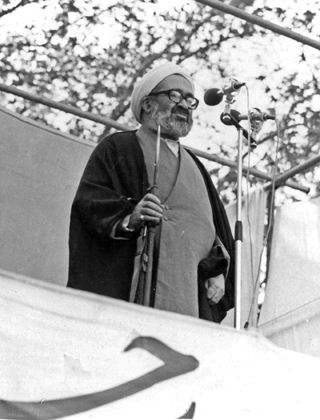
به گزارش پارسینه، برکف گرفتن سلاح توسط امام جمعه، سنتی است اسلامی که ریشه در صدراسلام دارد، نمادی از آمادگی دفاعی در برابر دشمنان اسلام حتی در محراب و محل نماز، بعد از پیروزی انقلاب اسلامی، مرحوم آیت الله طالقانی که با حکم امام خمینی، احیاگر سنت نماز جمعه بود، بار دیگر این سنت اسلامی را زنده کرد. آیت الله طالقانی در برابر پیشنهاد برخی از انقلابیون که به وی پیشنهاد کردند از شمشیر به عنوان سلاح خطیب امام جمعه استفاده کند، این پیشنهاد را رد کرد و “سلاح روزآمد و مدرن” را به دست گرفت.

در اوایل انقلاب اسلامی، سلاح ژ-3 تفنگی بود که امامان جمعه تهران و شهرستانها در حین ایراد خطبه جمعه به دست می گرفتند که در سالهای بعد، اسلحه از رده خارج “برنو” جای ژ3 را گرفت.

در میان ائمه جمعه، آیت الله حسنی امام جمعه ارومیه به داشتن سلاح های متعدد از جمله کلت و گرینوف در نماز جمعه شهرت دارد و معمولا بر خلاف ائمه جمعه دیگر از سلاح کلاشینکف در محراب نماز جمعه استفاده می کند.

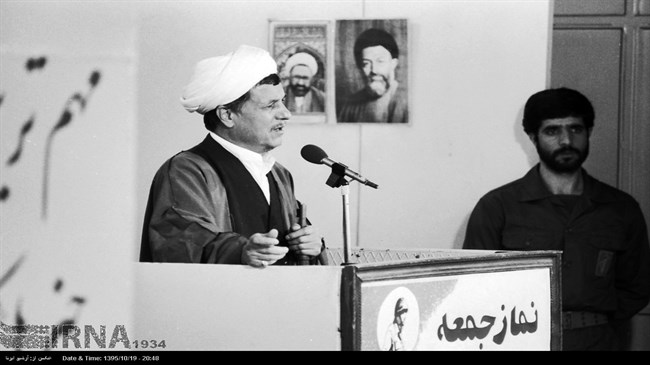
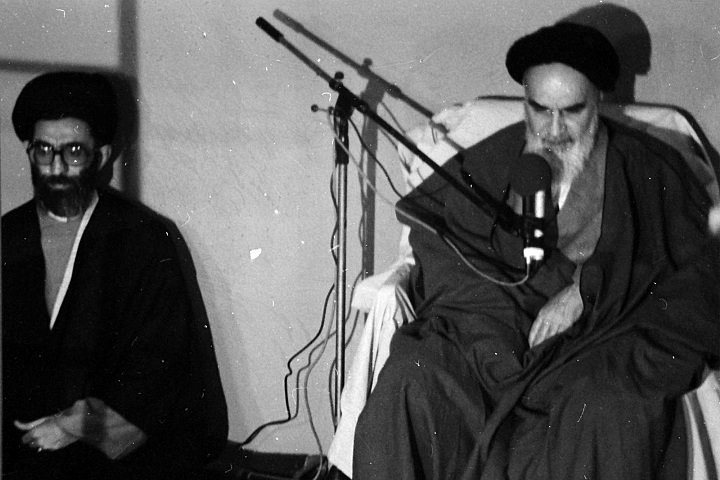
As a quick sidenote by scanning photographs online, it doesn’t appear that the initial Supreme Leader of Iran, Imam-i-Khomeni adhered to the practice. Although it should be noted that senior Imams during his time did partake in it, as evidenced in the black and white photographs above.

Tabuk Sniper Rifles Turn up in Baghdad Small Arms Cache

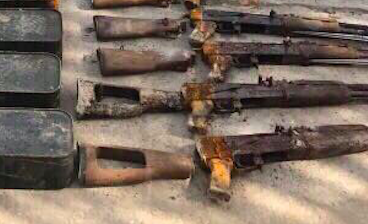
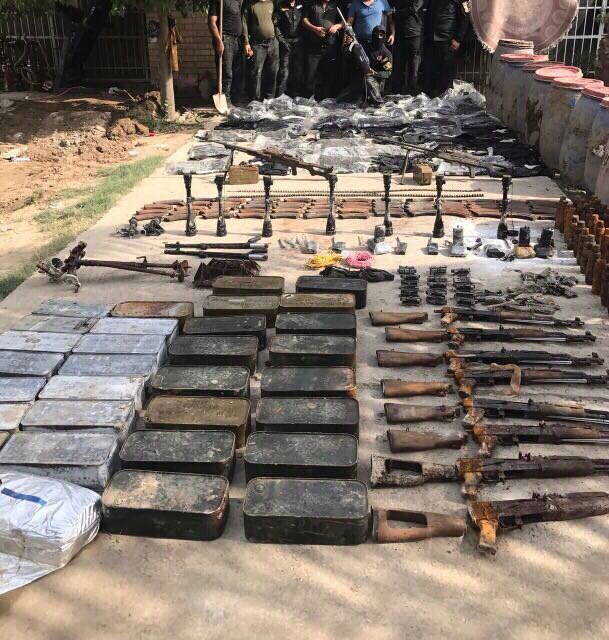
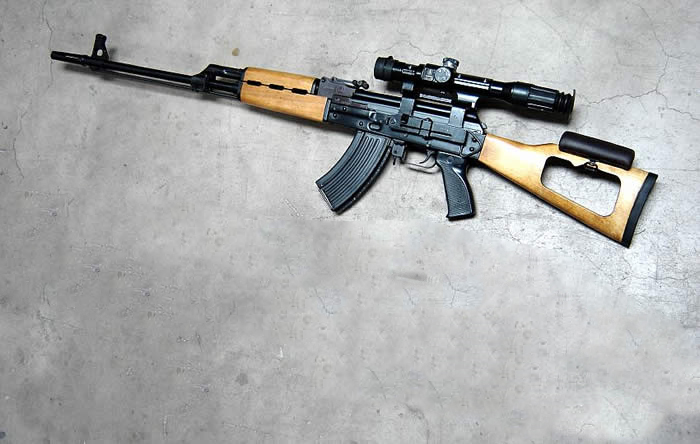
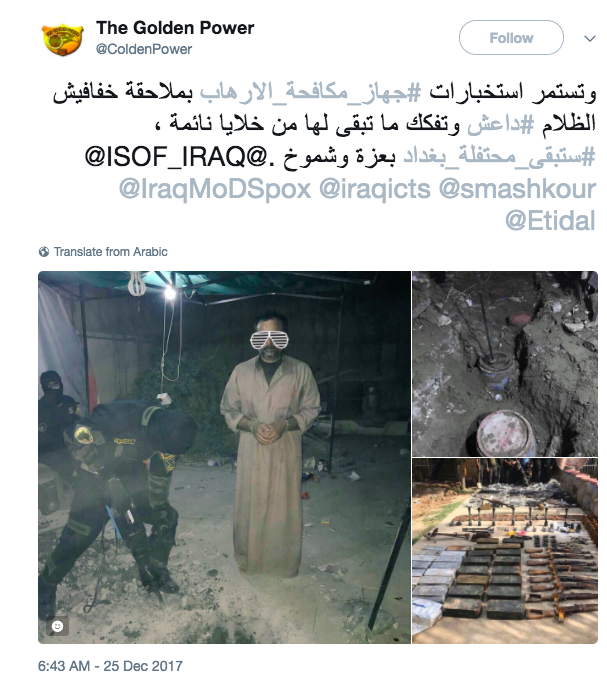
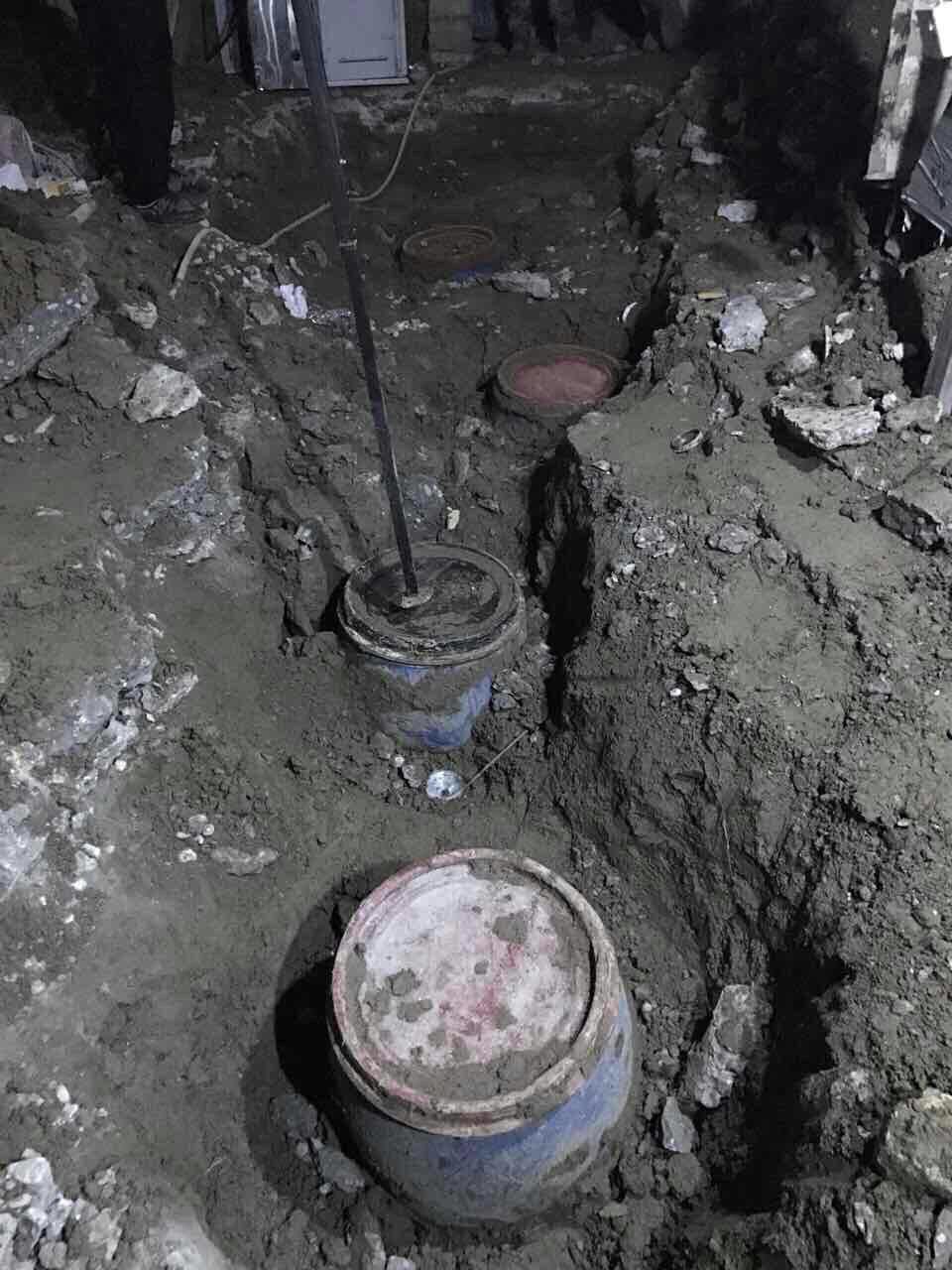
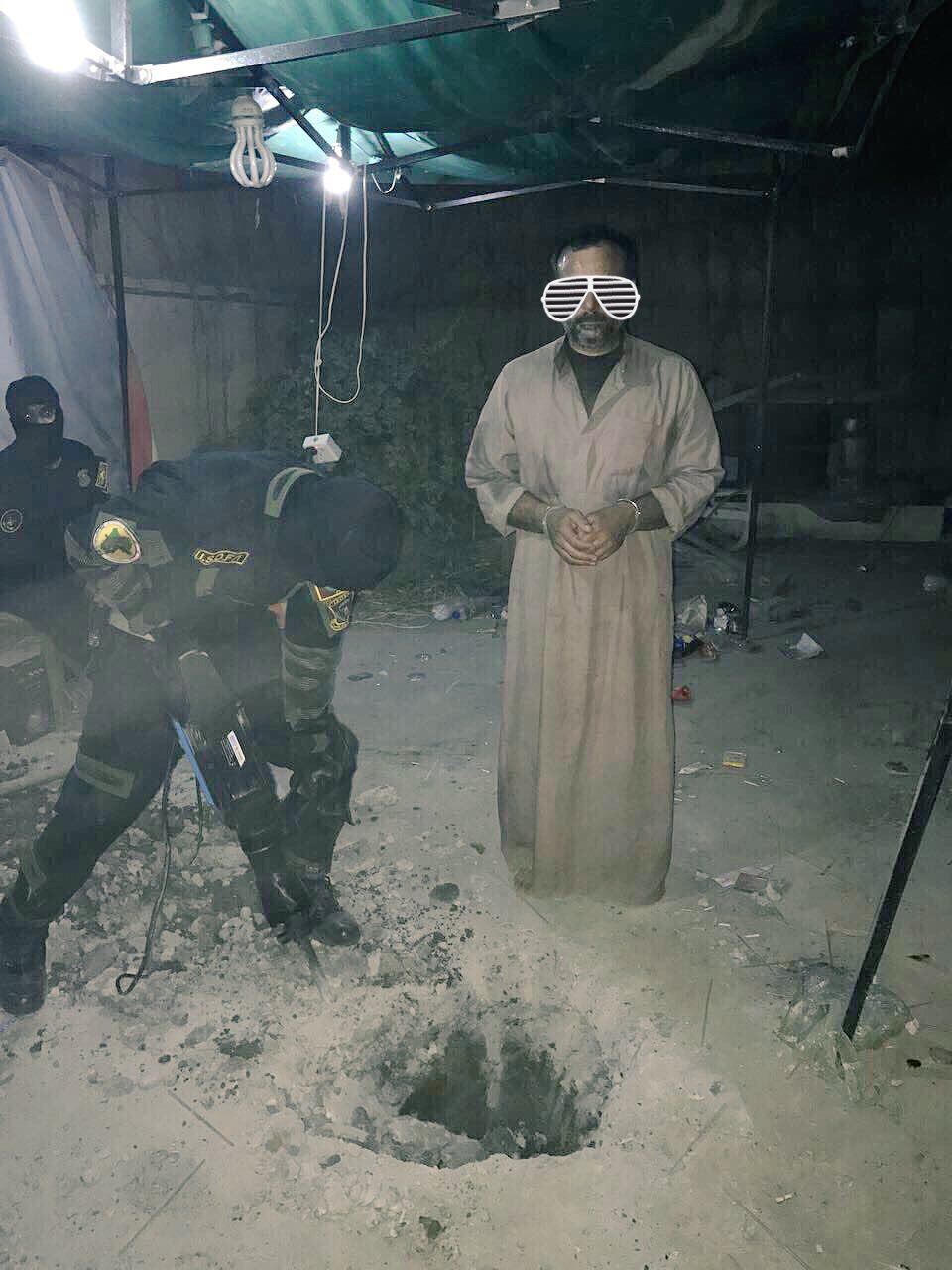
At a recent weapons cache that was turned up by Iraqi Counter-Terrorism Forces in Baghdad, what appears to be two Iraqi Tabuk Sniper rifles were among the rifles discovered in the buried cache. The Tabuk Sniper is uniquely identified by the cutout in the rear stock. Based on the Yugoslavian M70, the Tabuk sniper is a variant of the standard Tabuk rifle with full wooden stock, and the shorter version with a folding stock. It is unique among designated marksmen rifles in that it is chambered in 7.62x39mm, a round not known for its accuracy in the years it was adopted and used.

The two Tabuk Snipers in this photograph are distinguished by the aforementioned stocks and the three vents in the wooden handguard. On the above rifle there does seem to be some doubt as the receiver looks to be milled instead of stamped due to the magazine cut out portion. In addition, it is difficult to tell if the pistol grips are plastic or wooden, a key identification point about the Tabuk and M70 series. The stocks themselves are actually reversed, you are looking at the left side of the stock when it should have been the right side if aligned properly with the rifle.

The Twitter account “The Golden Power” shared the images.

The First Exhibition Drill Soloist in the U.S. was an Arab

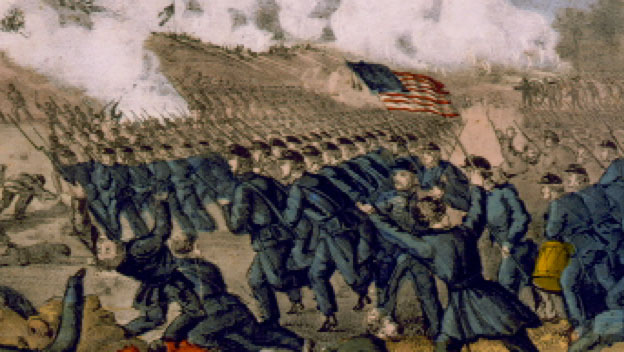
The elaborate activity known as exhibition drill within the United States is quite unique in its execution. It evolved out of a want to push the envelope when it comes to Drill and Ceremony (shortened to D&C) competitions. For many decades, militaries all over the world have held D&C competitions, even down to the academy cadet level. The United States was no different, with the tradition possibly originating from Prussian General Friedrich Wilhelm von Steuben, who is credited with teaching D&C to American troops at Valley Forge during the Revolutionary War. However, it was only within the last century that competitions took on a more flashy or exhibition flare, with both armed and unarmed portions. The reasons for this could be many, but the author speculates that it has to do with D&C becoming less important on the battlefield and more of a measure of a unit’s discipline in the rear. For example, doing exhibition drill in the 1800s would probably be met with stern disappointment, because this was still the age where actual battles were won and lost due to a unit’s ability to maneuver in formation on a battlefield.

Today exhibition drill teams exist at every level from High School JROTC programs, Collegiate level ROTC programs, Military ceremonial units such as the Marine Corps’ Silent Drill Platoon, and even professional performance teams such as New Guard America. One of their performances is shared below.

But back to origins. The general beginnings of what we now know to be called “exhibition” drill are claimed to be a cadet unit called “Pershings Rifles” still active today at a university in Nebraska. Whether or not this cadet unit performed anything near to what would be labeled as exhibition, the research isn’t very clear. But the general consensus is that modern exhibition drill really took off in the years following the Vietnam War, growing to a huge network today.

However, before the Pershing Rifles, there was Hajji Sherif/الحاج شريف (normally colloquially as Hadji Cheriff). This name was most likely a stage name or something an American audience could easily pronounce. The first part, Hadji/Hajji is indicative of this man making the Haj pilgrimage to Mecca, and the second part Cheriff/Sherif, means “Noble” in Arabic. Although Sherif might have been apart of the man’s name, it really doesn’t give us much as to his family name, what part of the MENA region he was from, etc…

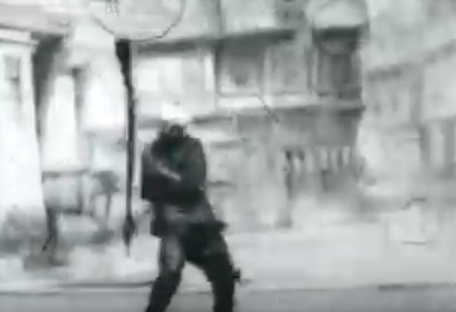
This video clip that was copyrighted by Thomas Edison in 1899 (he also had another clip of Hajji Sherif performing a dance at the inventor’s studio) specifically label Sherif as the “Arabian” Gun Twirler and recorded at what is believed to be the Midway Plaisance during during the World’s Columbian Exposition of 1893, taking place in Chicago. It shows Sherif effortlessly spinning what appears to be a muzzleloading Model 1855 Springfield .58 Caliber rifle.

The only other known video (described earlier) of him is also online-

But in this short movie that would have been aired or published as a silent movie, we see exactly what goes on today on exhibition drill decks across the United States. As the drill website, The Nationals notes–

[He is performing] a basic aerial toss (two, 1-1/2 over-hand thrown from the firing hammer) and also an over the shoulder technique with a rather remarkable display of over-the-head drill (OTH), and ends right after an under the leg inverted spin.

This film’s description from the Library of Congress reads as such–

A bearded man performs a rifle twirling act on a stage with a painted backdrop of a city street corner. He wears a white turban and a dark two-piece costume of tunic and baggy pants that narrow at the knees; perhaps the costume of an Arab infantryman. The tricks he performs include throwing the spinning rifle in the air and catching it; twirling the gun in front of him, above his head, behind his back, to the side of his torso, and under his leg; and twirling the rifle as he switches hands.From Edison films catalog: An interesting exhibit by Hadji Cheriff, of the original Midway Plaisance. Twirls his rifle over shoulder, behind back, under leg, both hands and one hand. 50 feet. $7.50.

50 feet is in reference to the overall physical length of the roll if you were to purchase it for $7.50 at the time of the short’s airing at the turn of the century in 1899.

But what else do we know of Hajji Sherif, and what is he doing? We have this description of him from IMDb–

Hadj Cheriff was both an Arabian knife juggler and an acrobat. He had little to do with filmmaking of any sort, as his debut was in the 1894 Edison short film “Hadj Cheriff” which features him performing part of his act in Edison’s Black Maria studio. Cheriff later appeared in another Edison film, “Arabian Gun Twirler” from 1899. These two shorts are apparently the only films he took part in; thus, Cheriff remained a minor part in filmmaking.

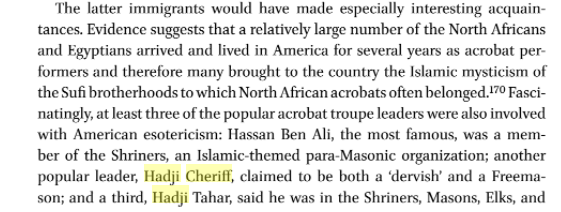
We have these references in The History of Conversion to Islam in the United States Vol II, which suggest that Sherif was a circus performer, and might have been Egyptian, and even a Sufi. Some Sufi religious orders are quite known for various practices that put them in a trance-like state, most famously the Whirling Dervishes but they number very little even in Turkey. From the book-

In 1890 we also have a clipping from a circus advertisement that clearly lists him as a “Gun Juggler”–

New York Clipper, July 19, 1890, pp. 291, 294, 295, 301, 304…. Hadji Cheriff, Arabian gun juggler

The real question that I think is important to answer as researchers is where did Hajji Sherif get the idea of twirling an unloaded rifle to entertain a crowd? One body of thought is that it might have come from his Sufi roots (if he was Sufi to begin with). Another distant train of thought is that it might be related to Yowla/اليولة, which is a traditional dance routine practiced in the Gulf Countries today, but can be traced back many years. Although not often using full-size rifles (imitation ones are used), and often using swords, there could be a connection. An important here is that traditional Yowla puts much more emphasis on the dance rather than skill with the rifle. The third option is that Sherif came up with the idea on his own of course.

Traditional Yowla performance-

https://www.youtube.com/watch?v=PUvX-1g9F7M

This is an example of Yowla with muzzleloaders today, similar to what Sherif would have had-

https://www.youtube.com/watch?v=cTFcMfPT22Q

Beretta and Sako Presence at Turkmenistan Independence Day Parade

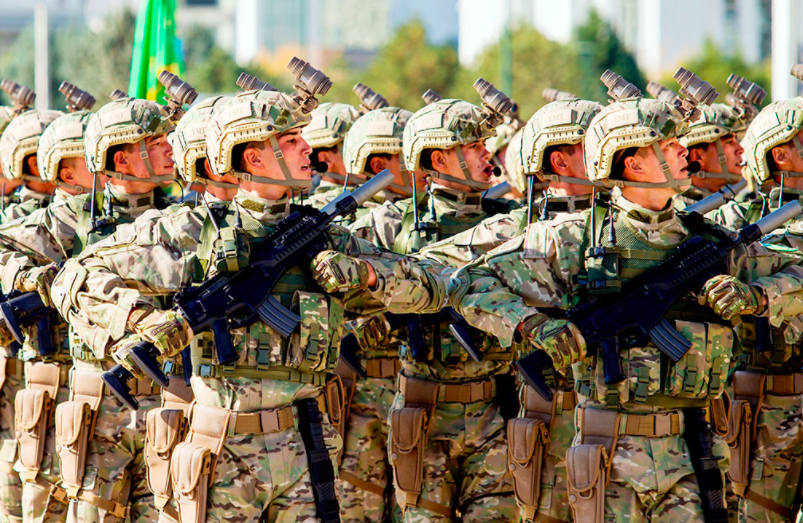
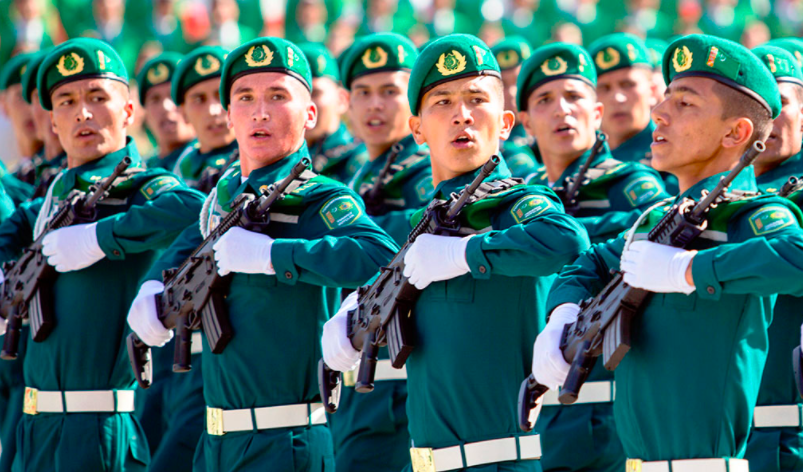
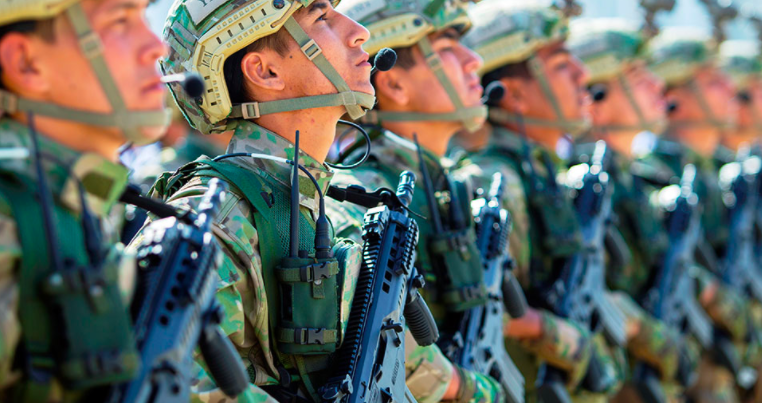
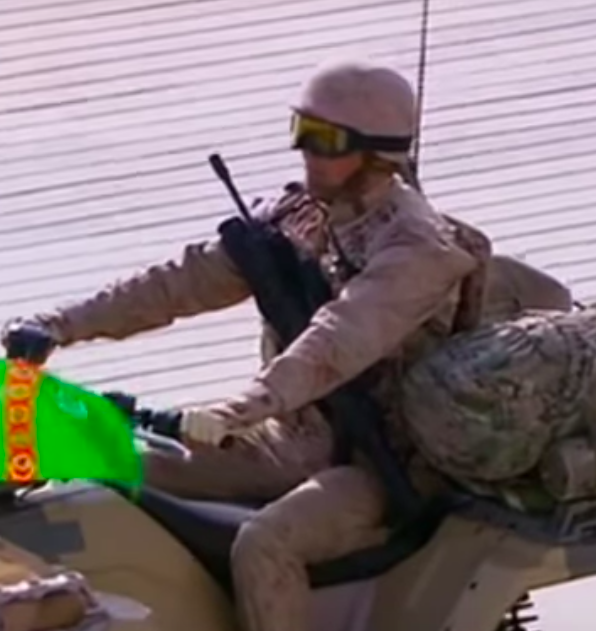
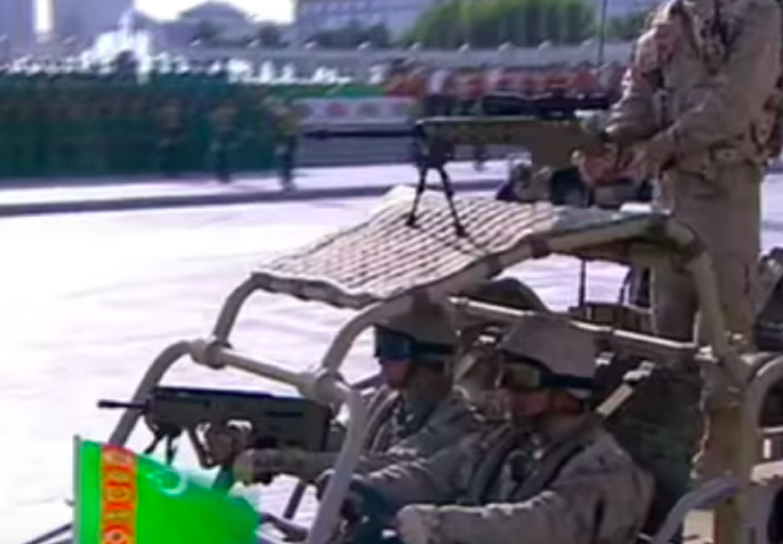
At this year’s 26th anniversary of the Independence of Turkmenistan, Beretta and Beretta owned Sako came out in large numbers among the small arms on parade. Of course, the Beretta 5.56x45mm NATO ARX160 took center stage among both the line troops and special operations component, with the SF component also being armed with IWI 5.56x45mm NATO Tavor TARs.

21st Century Asian Arms Race had this to say about the current rearming of the small Central Asian state–

Turkmenistan is often lampooned for its bizarre civic culture that combines national symbols with its leader’s personality cult. But judging by the recent military parade in Ashgabat, Turkmenistan’s armed strength is for the sole purpose of territorial defense. Unlike North Korea, Turkmenistan doesn’t pose a threat to global peace. It’s also trying to crawl out of an economic mess caused by its reliance on energy exports.

Neither does Ashgabat appear to have regional ambitions. On the contrary, it faces a grave threat from its border with Afghanistan where militants tied to either the Taliban or ISIS are active. In the greater scheme of things, Turkmenistan’s imperative is balancing its aspirations with the looming strength of China, India, Iran, Russia and Turkey.

Yet even if it’s overshadowed by larger countries in its neighborhood, when it comes to mass calisthenics, very impressive rifle drills, and costumed Turkmen archers trotting on horseback, Turkmenistan makes sure it surpasses its neighbors in pageantry.

Along with the ARX160s, there were some mounted with Beretta’s accompanying 40x46mm low-velocity GLX-160 UBGL.

And a designated Marksmans variant.

It appears that Turkmenistan has also purchased the IWI Negev light machine gun as well.

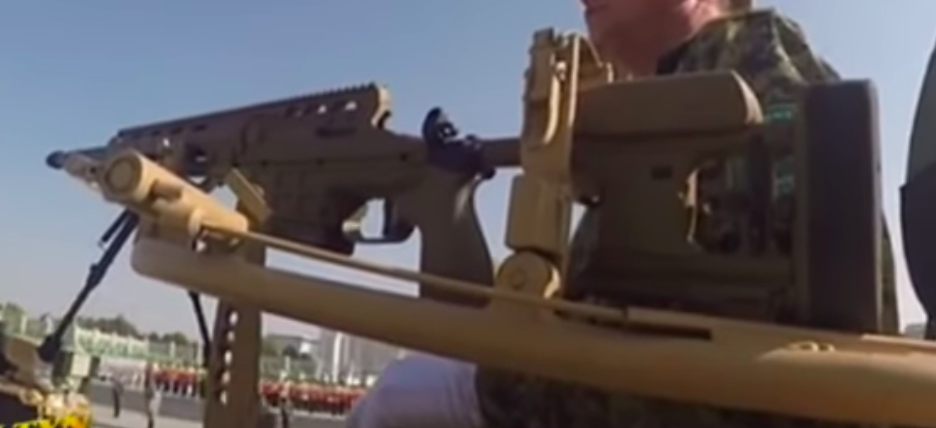
But the other significant update was with the precision rifles, that of Sako TRG M10s. These are probably chambered in 7.62x51mm NATO but could be in .338 Lapua Magnum. They were shown in a tan finish.


A Closer Look at Iran’s Barrett M107 Copy, the Hoveizeh

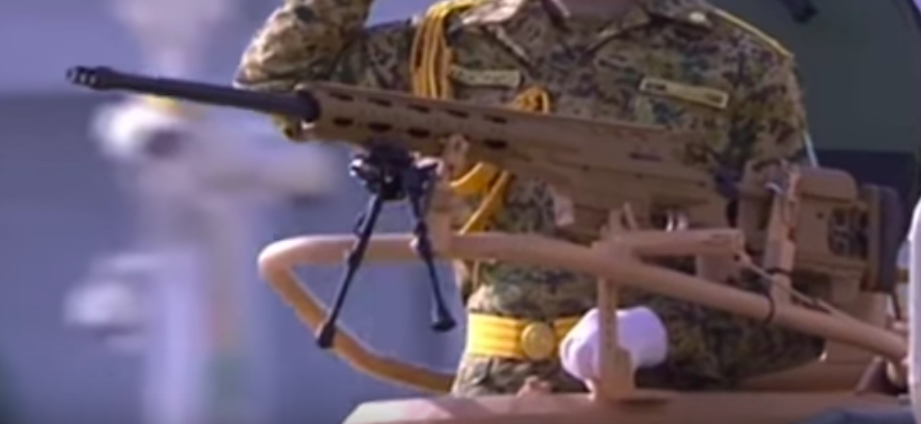
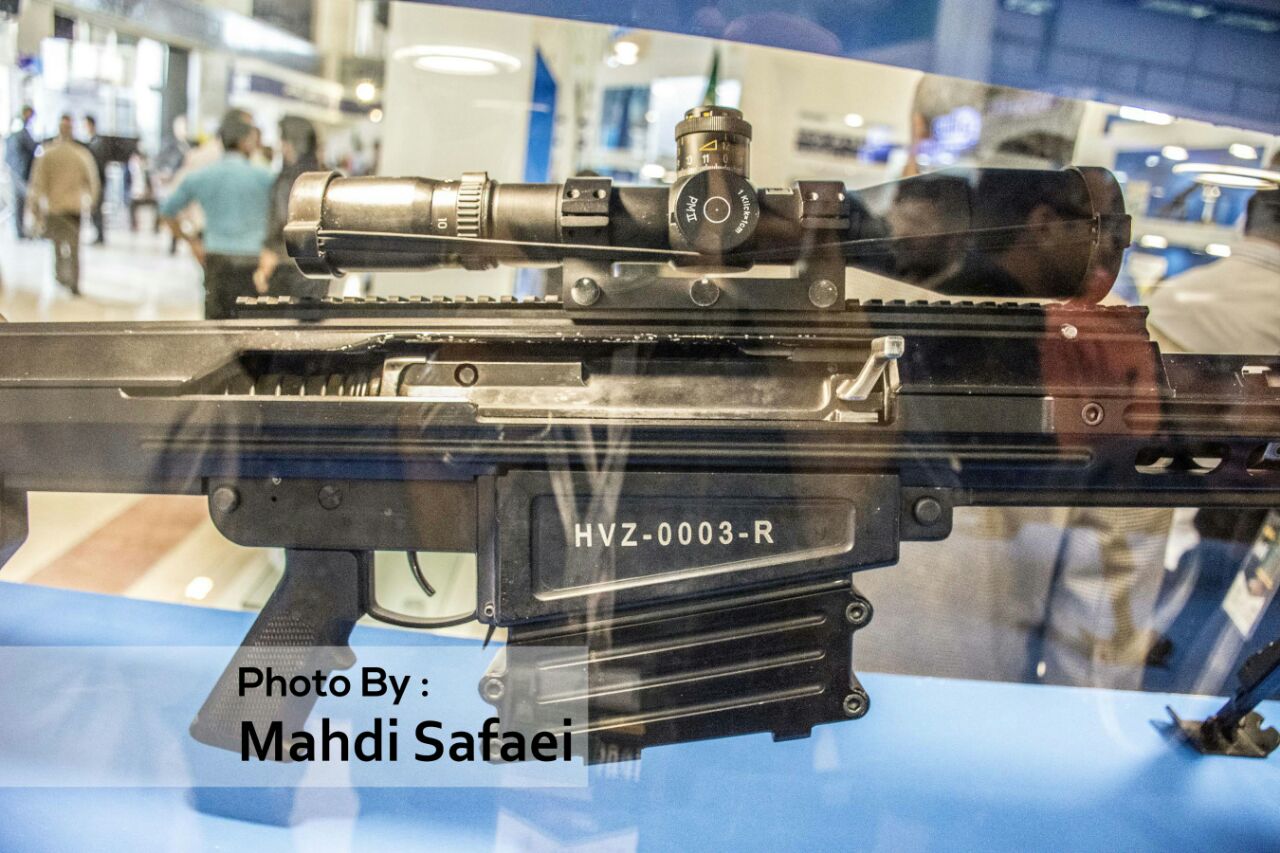
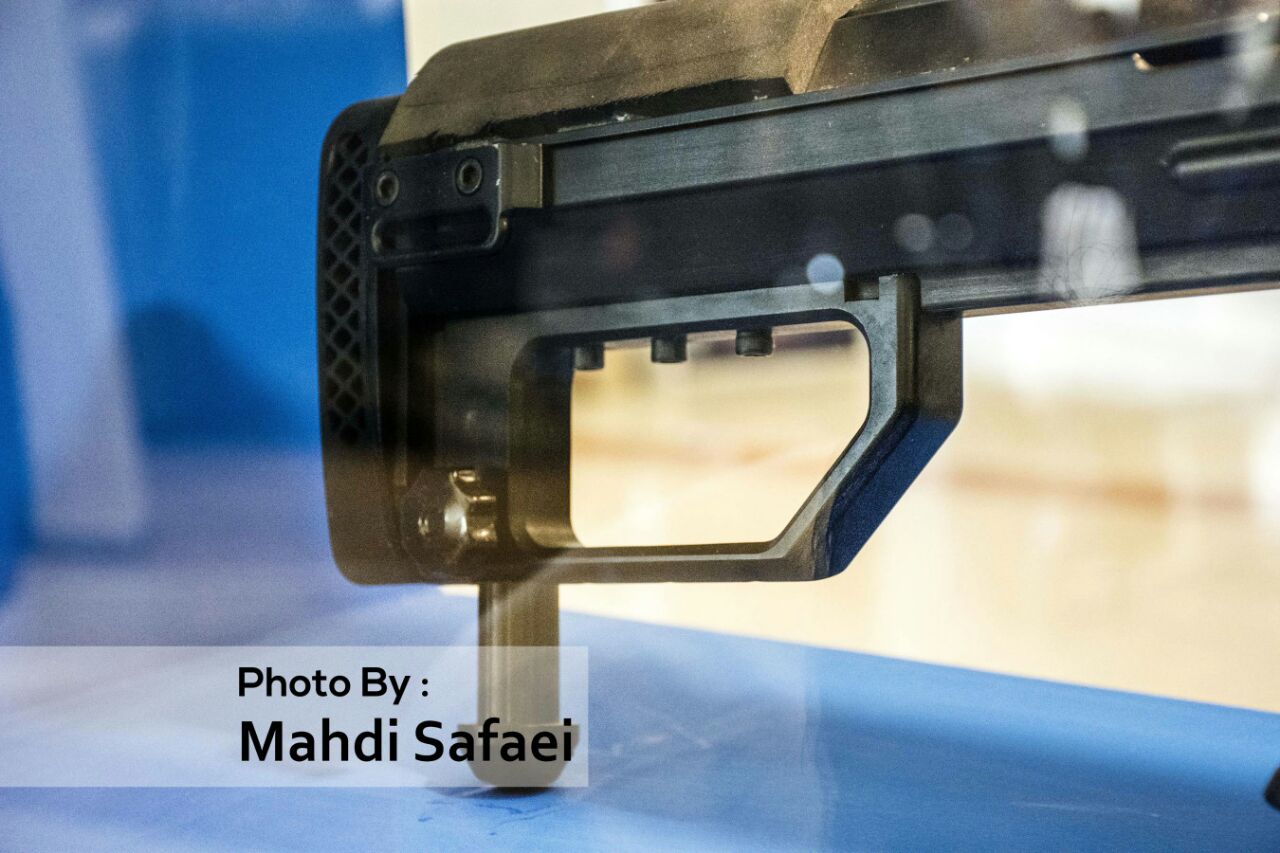
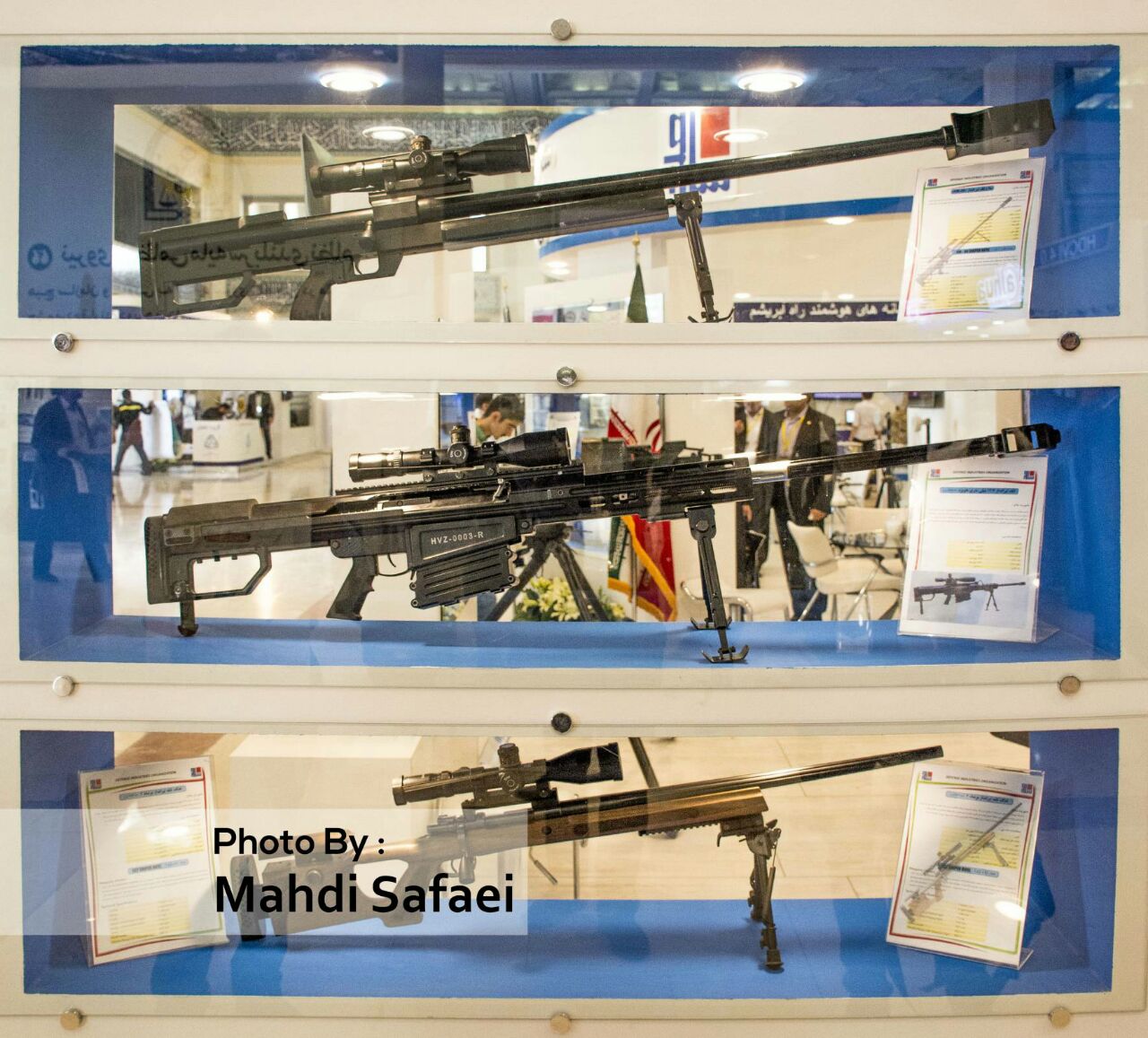
IPAS 2017 in Iran brought with it the introduction of the .50 BMG Hoveizeh anti-material rifle. Thanks in part to a popular Iranian Telegram channel we’re able to take a much closer look at the rifle and exactly what the Defense Industries Organization duplicated, and what was added. From what we can tell, the general layout and operating mechanism of the U.S. Barrett M107 was copied, but some of the exterior features of the weapon weren’t. One difference was the magazine which appears to be a polymer shell held together with screws, not unlike some Airsoft designs.

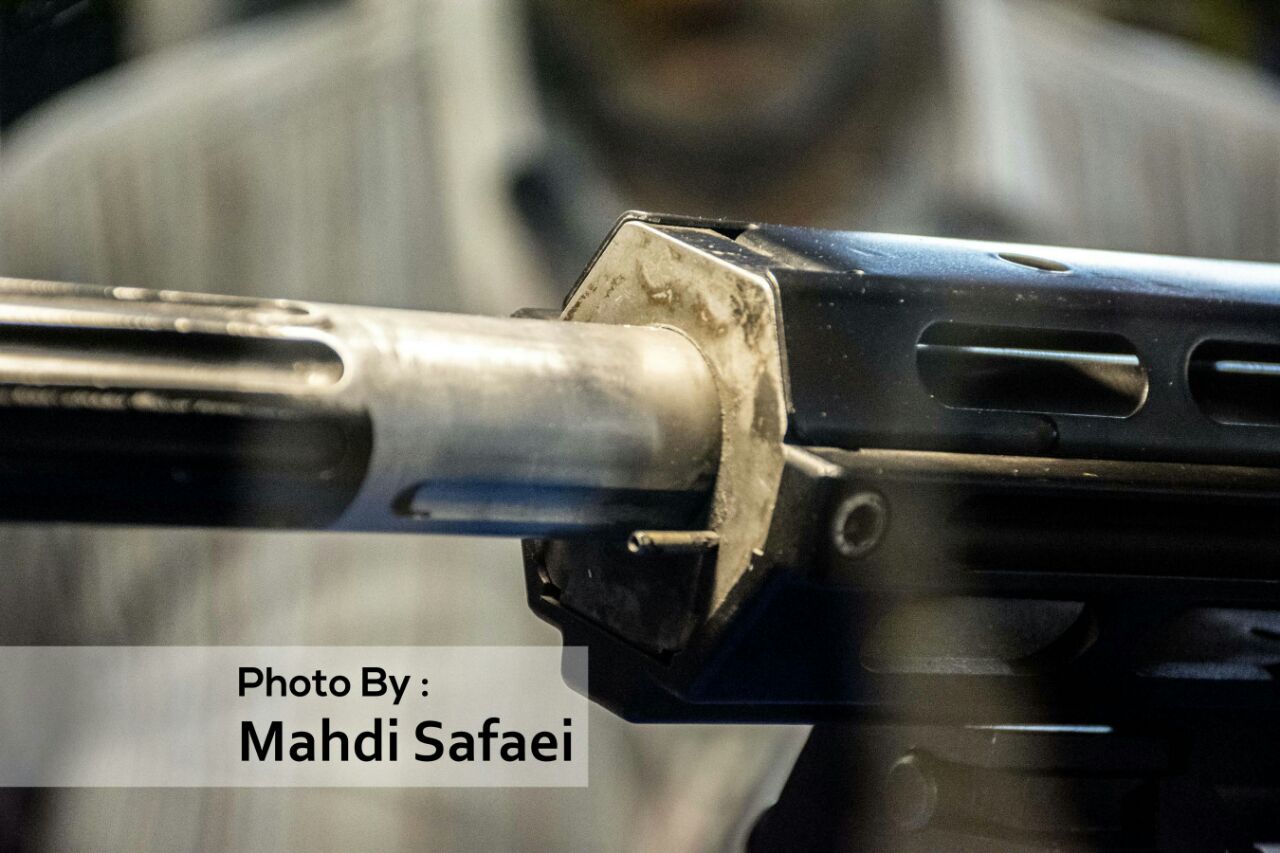
In this photograph the barrel bushing has an extra pin protruding from it that we don’t know the purpose of yet. Notice what appears to be a hex screw holding the upper frame to the receiver. In addition notice the flutes down the barrel.

The sling swivel appears to be on a sliding arrangement where a user might be able to loosen the screws of the swivel and tighten them back down where it fits the best. However, the monopod and rear gripping surface looks to be stationary with the three screws anchoring it to the receiver of the rifle. 

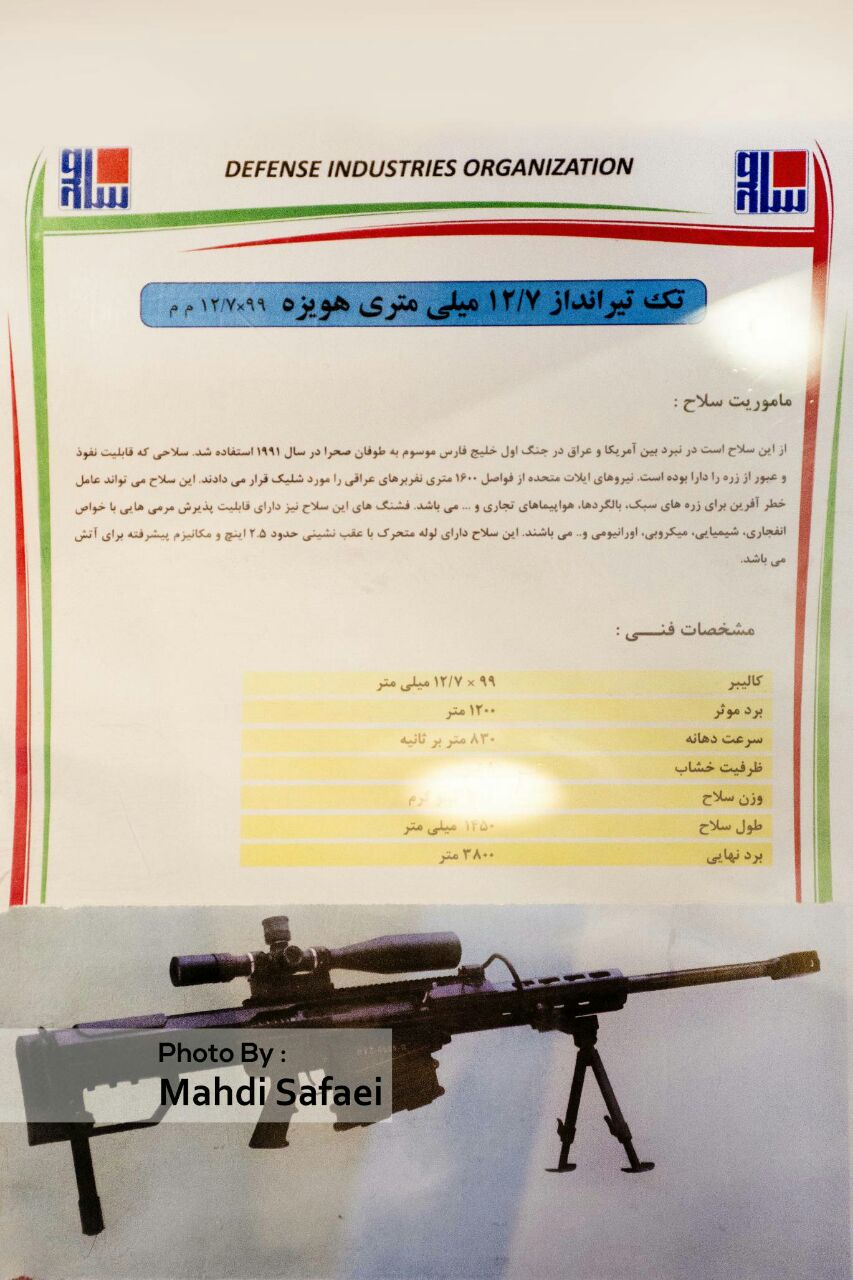
Notice the different bipods mounted on the rifle in the leaflet compared with the bipods mounted at the defense exhibition

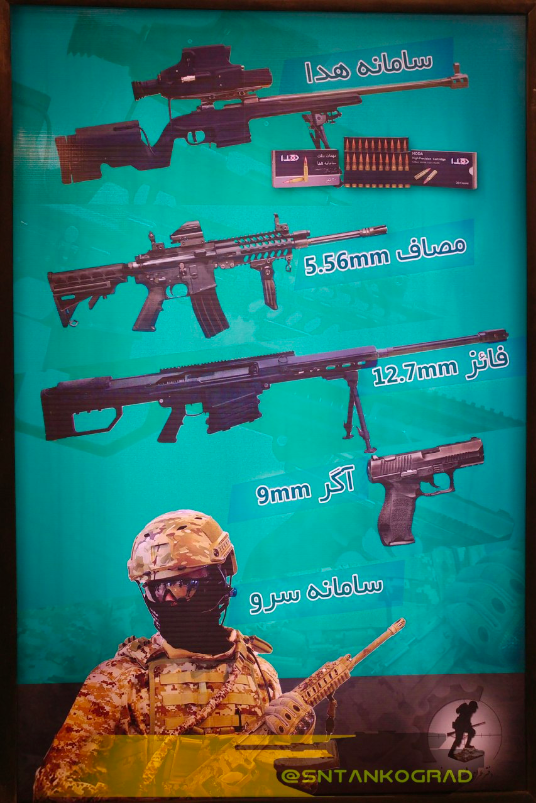
A point of controversy lies in the name of the rifle itself. The majority of online material, show leaflets, and even abbreviated on the rifle itself on the magazine well is هویزه, however in this leaflet we clearly see the name, فائز printed next to the rifle.

Improvised Replica Firearms from the West Bank

In my previous article, we examined the Palestinian homemade Carlo submachine gun in use in the West Bank.

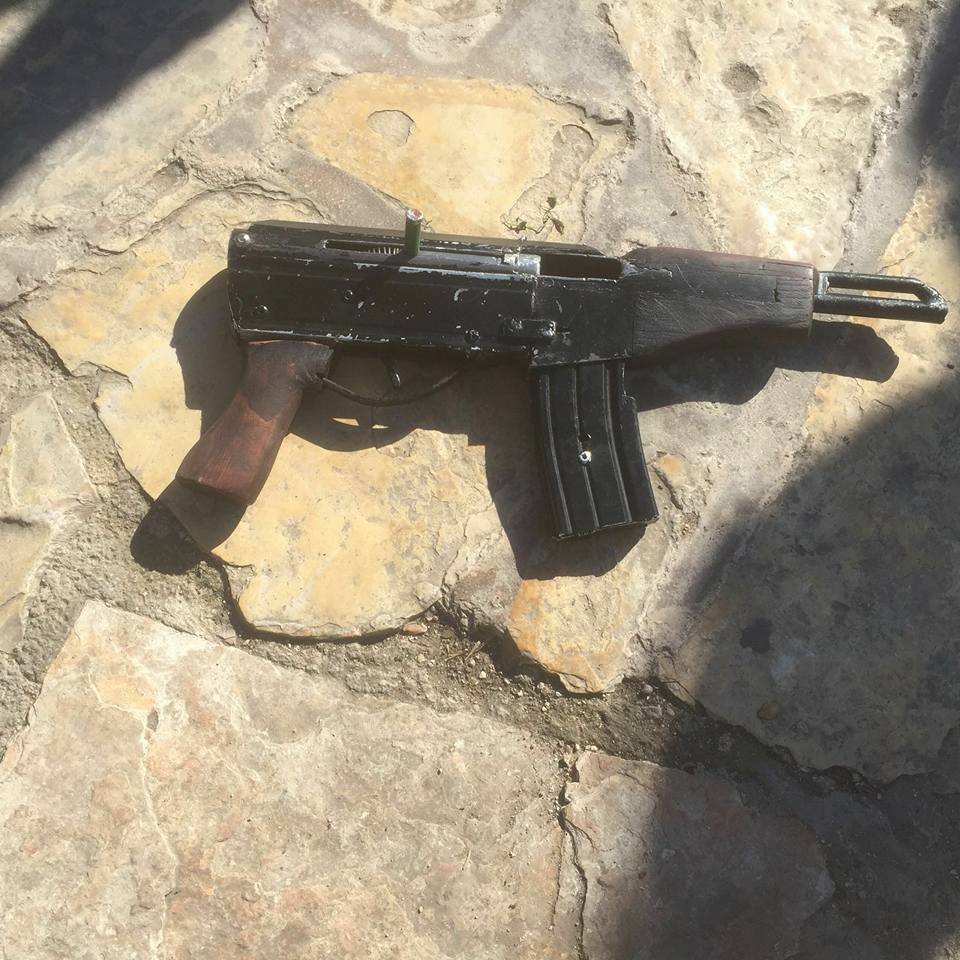
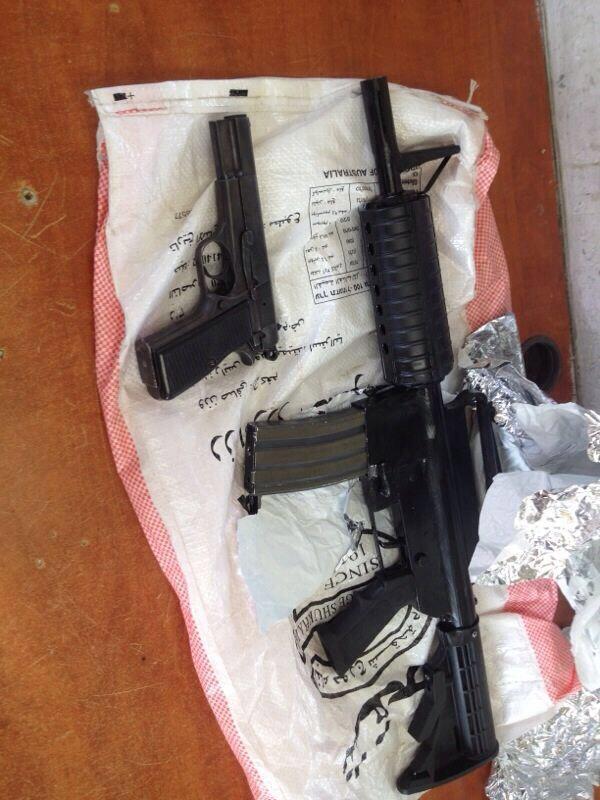
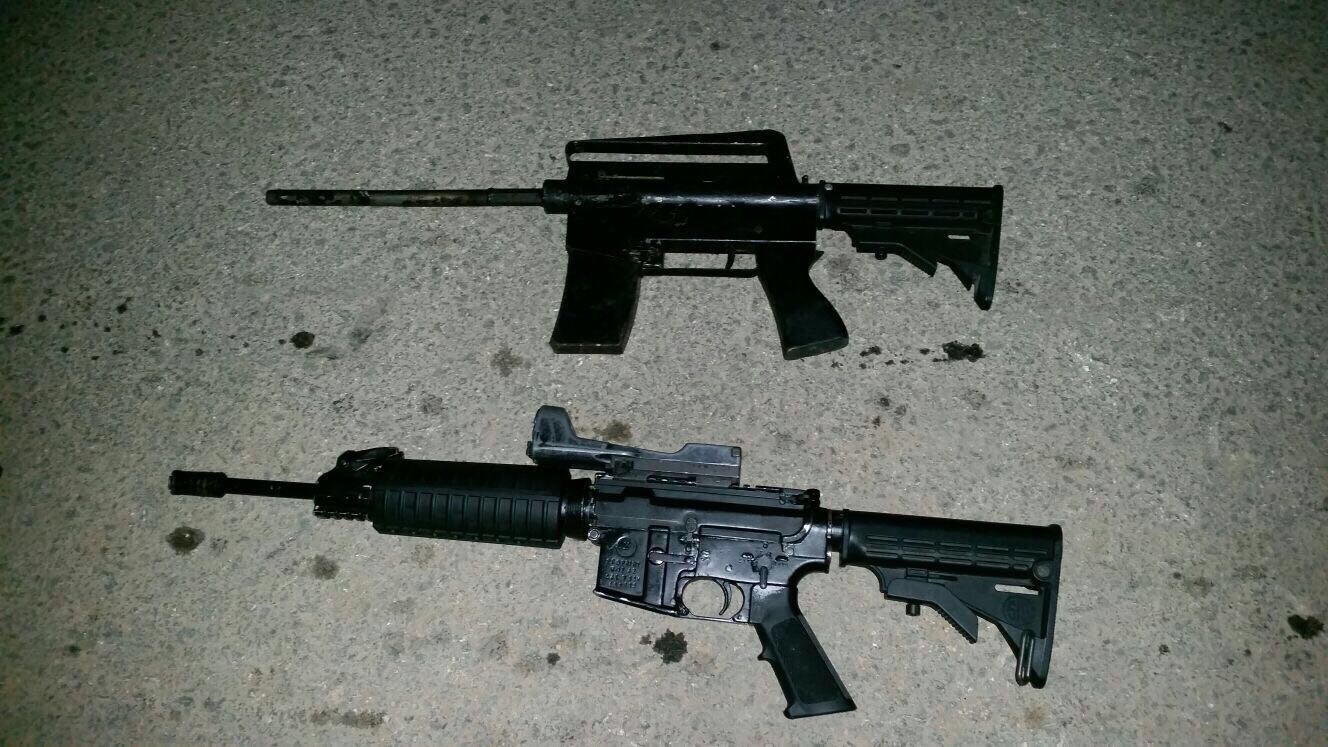
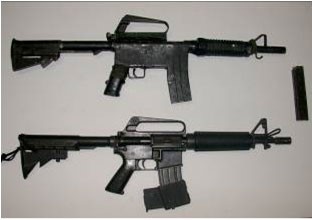
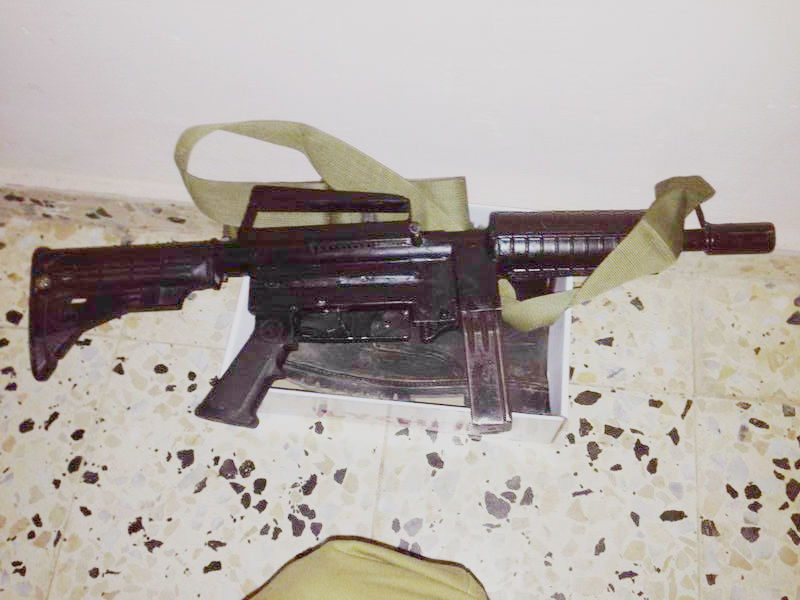
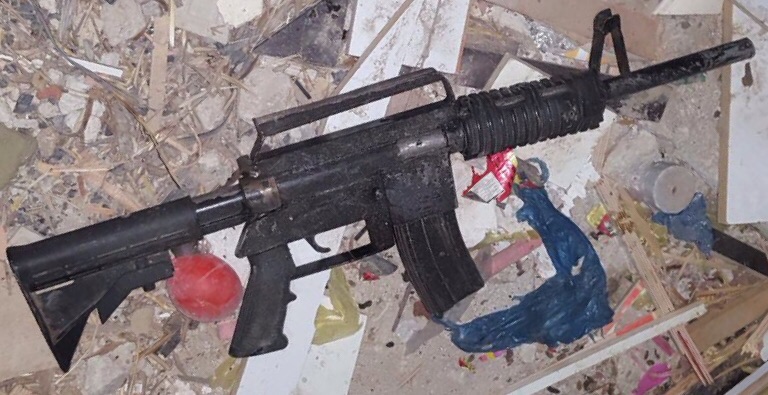
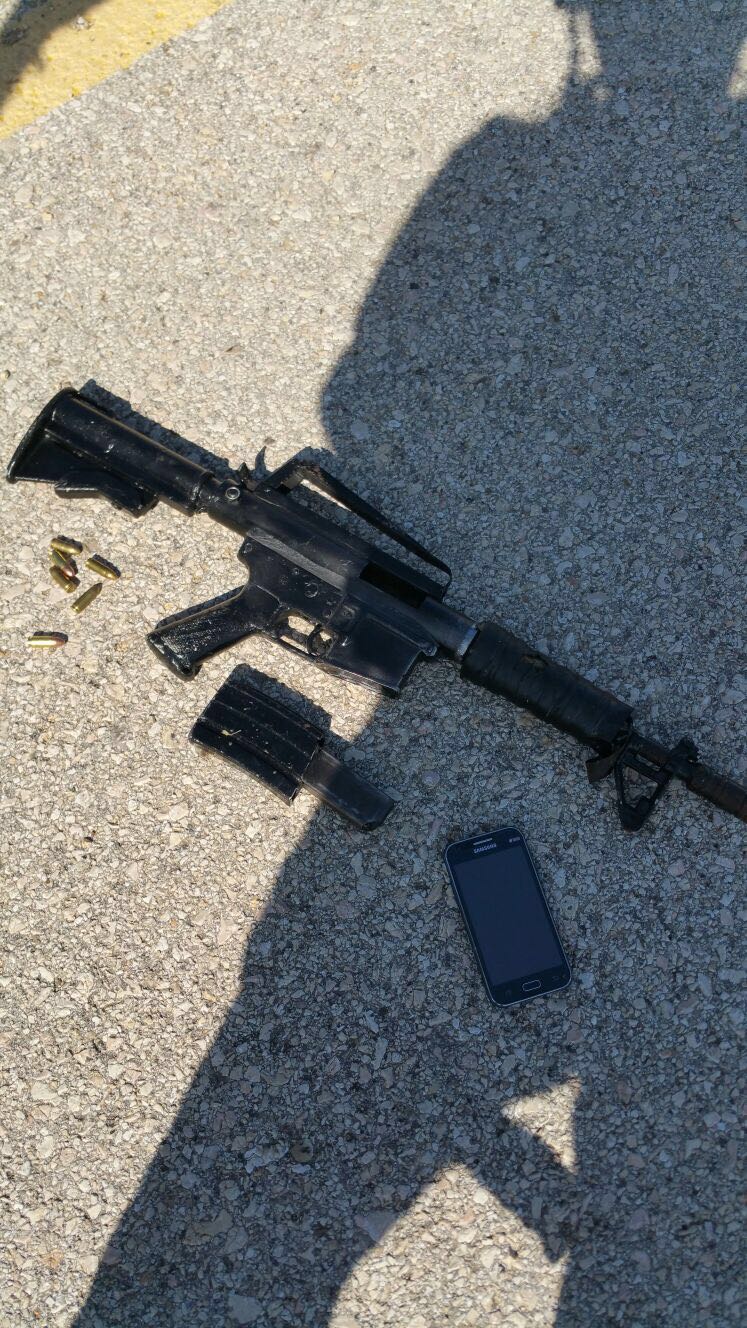
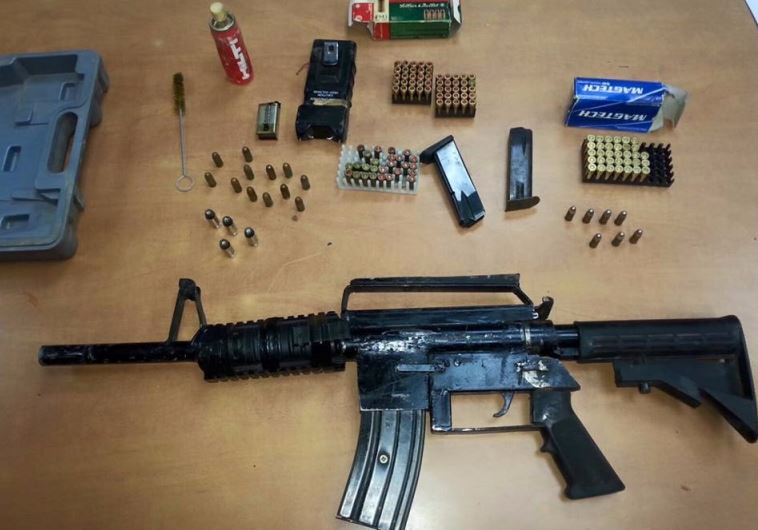
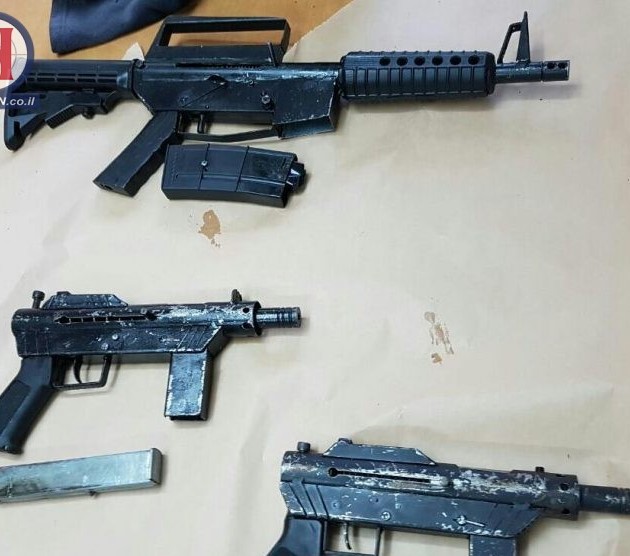
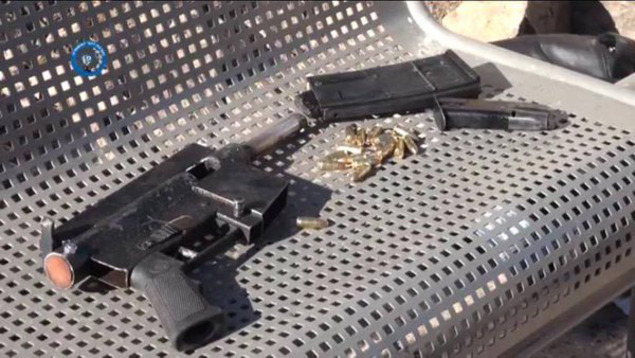
This article will examine the design and use of improvised firearms among Palestinians in the West Bank, that are otherwise known as “Replica” Carlo’s due to their similarity in appearance to the M4s and M16 rifles in use throughout Isreal that the designs are replicating. The majority of these weapons are 9x19mm NATO, fully automatic only, magazine fed, open bolt designs that are improvised from underground manufacturers that use machinery and materials purchased on the black market or outright stolen. Due to the variance in production and origins, there is no set standard of appearance for these weapons. Rather there is a general consensus that the appearance is identical to an M4 or M16 from afar, but that there are significant differences between individual models.

Motives for Producing Replicas and the Cultural Context

Availability

The prime reason to manufacture the Carlo is to resemble as closely as possible an M-16 or M-4 is the availability of furniture and magazines in Israel and the West Bank. Both guns were and still are a major part of the Israeli armament, used by the IDF, police, civil guard etc… Because of this availability of parts, Armalite based designs are favored when theft becomes an option.

From a manufacturing point of view, it makes sense to design your gun to match the existing furniture and magazines already available than to manufacture them along with the gun.

Status and Prestige

Guns have a significant role in the Arab tradition, centuries of existence in lawless regions made it essential to own weapons for self-defense and as a deterrence against other tribes who were also armed themselves with whatever they could get their hands on.

Although civilian gun ownership is largely restricted and banned by both Israel and the Palestinian Authority many Arab families in the West Bank and Israel are determined to keep their arsenals and enlarge them as much as possible.

Alongside the practicality of owning a gun the guns are symbols of status and wealth. A family or an individual that can afford high-end weapons rather than a homemade one enjoy prestige over those who compromise with the local workshop products.

Acquiring a real military grade firearm might be expensive and the common garden variety Carlos are too widespread. The Carlo replicas are a way to bridge that gap, have a more expensive and awe-inducing gun without the cost of acquiring the M4 that the replica is based on.

Imitating Popular Palestinian Figures

Many in the Arab population view the terror organizations and terrorists as freedom fighters and role models, naturally, there are those who want to imitate these heroes and want to have their guns be as identical to those who they admire. If the genuine guns and ammo are out of reach then the replicas become the alternative, relatively cheap and available supplies of ammunition to practice and show off. It is then easy to understand why some workshops making the replicas make great efforts to produce almost identical copies.

Infiltration

It has been speculated that the M4 replicas could be used for terror attacks against Israeli civilians or IDF soldiers. Due to the apparent shape of the replicas being similar to the M16 service rifle used by the IDF. This will confuse soldiers and security guards, mistaking the identity of terrorists as IDF soldiers, making them hesitate to shoot.

A fair theory, however, none of the individuals caught with these replicas has ever been caught with an IDF uniform to match the gun. Currently, the records show that after numerous attacks done by Carlo wielding terrorists none were carrying any replicas. All of the photos released by IDF and police spokesmen show a regular Carlos.

Stolen or Lost Weapons and Magazines

An obvious source for both guns and their magazines are various stocks of small arms already existing in Israel. IDF, police, border guards, private security, armed civilians and many other groups are armed with M16s and M4s. This creates an abundance of stock from which guns and magazines can be acquired, by searching IDF training areas or breaking into a police officer’s home for example.

Commercial market

Several Israeli companies, such as FAB and CAA, known in the U.S. commercial gun market for their products, are also producing and selling M16 and M4 furniture in Israel. Many IDF soldiers individually choose to upgrade their weapons at their own expense. Such equipment is sold regularly and without any background checks and it stands to reason that some of the replicas are using such legally purchased furniture.

Paintball and Airsoft Replicas

There were some on Israeli gun web forums who speculate that paintball and airsoft replicas could be the source for the Carlos replicas’ receivers.

Indeed such guns could be cannibalized to provide the Carlo replica receivers.

The 9x19mm NATO ammunition produces less pressure than intermedium cartridges do so the light structure of the paintball and airsoft might withstand the additional pressure.

However, thought technical plausible, photos taken of captured Carlos or those surface in the Arab social media don’t indicate that paintball and airsoft are used.

The replicas’ ‘receivers’ all appear to be workshop made with all the typical welding seams, rivets and out of proportions dimensions.

Embedded Magazine

Curious readers might wonder how open bolt 9x19mm submachine guns are fed with 5.56x45mm NATO STANAG magazines.

The answer is simple, the craftsmen making the guns mimic the real guns embed pistol or Uzi 9x19mm magazine inside the real STANG magazines.

Similar to Matryoshka dolls, these magazines are inside of the weapon with few exterior modifications to the STANG magazine.

Those rivets hold the inner magazine in place.

Outside of the weapon the inner magazine is revealed protruding out of the STANAG housing magazine.

Such arrangement of small caliber magazine housed inside bigger caliber magazine shell is unusual but not unique, for example, the Philippines Armscor M16 22 is a 22LR semi-auto rifle dressed as an M16A1 with a matching STANAG size magazines containing 22LR magazines inside
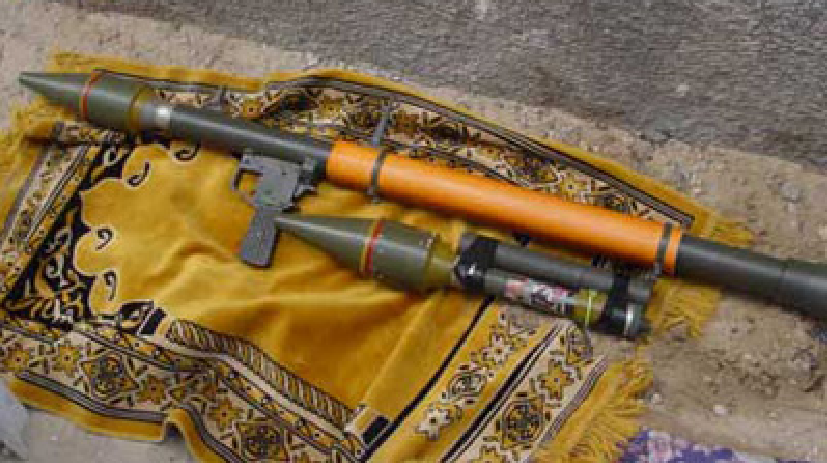
Yassin RPG – The Underground RPG of Gaza

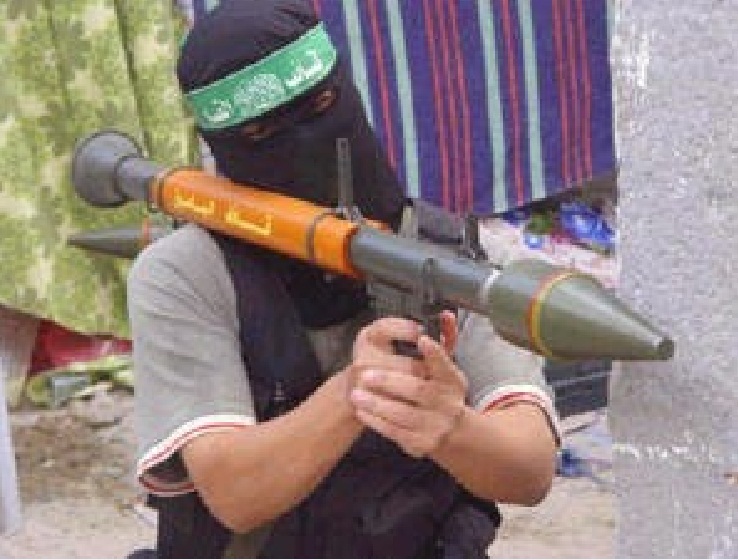
Due to the Arab-Israeli conflict in Palestine, Hamas with its military wing al-Qassam brigades has developed their own tools of war in order to preserve self-sufficiency in order to not be affected by the blockade made on Gaza strip.

This article will spotlight on one of the more interesting craft produced rocket launchers in Gaza , which is literally underground since their production facilities are protected in underground bunkers from IDF air raids and artillery strikes.
It is designed and manufactured by Hamas, but they distribute the launchers to other resistance troops working in Gaza, including Fatah and the PFLP (Popular Front for Liberating Palestine).

History

The weapon is named after Sheikh Ahmed Yassin, the founder and the spiritual leader of Hamas who was assassinated by Hellfire missiles shot from an Israeli AH-64 Apache Helicopter gunship on March 22, 2004, at the age of 67.

It was designed by Adnan al-Ghoul who was also assassinated by an Israeli air strike on October 21st, 2004.

Characteristics

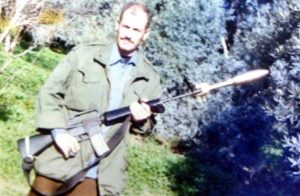
The Yassin RPG is a unique design that resembles the RPG-2 combined with RPG-7 with some improvised design features, From RPG-2 it took the launching tube design and the warhead external shape and the rocket motor which are very simple, but to improve the performance they added some features from the RPG-7 such as the nozzle at the launcher’s rear to deflect recoil generated by launching the rocket, they also added a rocket booster to be attached to the propelled grenade to extend it’s range, and the internal shaped charge of the warhead is enhanced as well.

The manufacturing process occurs in underground workshops using ordinary shop tools, but the conception and engineering of the weapon seem to have a high degree of sophistication and professionalism given the lack of technology of the design.

In Action
According to the continuous improvements of armor in Israeli armored vehicles, the RPG is believed to be not effective against them. However, Saladin brigades (the military wing of the Popular Resistance Committee in Gaza) claimed to destroy a Merkava Mk.3 MBT by targeting a weak point of the tank. Yet, the weapon is very effective against brick fortifications and soft-skinned armor as it can penetrate a 21 cm steel plate from 150 meters.

Specifications 

Model : Yassin RPG

Designer : Adnan al-Ghoul

Type : Anti-Tank, Anti-Personnel

Place of Origin : Gaza, Palestine

Manufacturer: al-Qassam brigades, R&D unit

In Service: 2004 – Current

Weight : 7 kg (15 lbs)

Length : 95 cm (37″)

Caliber: 40 mm rocket engine ; 85 mm warhead

Muzzle velocity: 295 m/s

Effective range: 300 m

Sights: Iron sights

Differences between RPG-2 (top) and RPG-7 (bottom)
Yassin RPG featuring the combination of RPG-2 and RPG-7