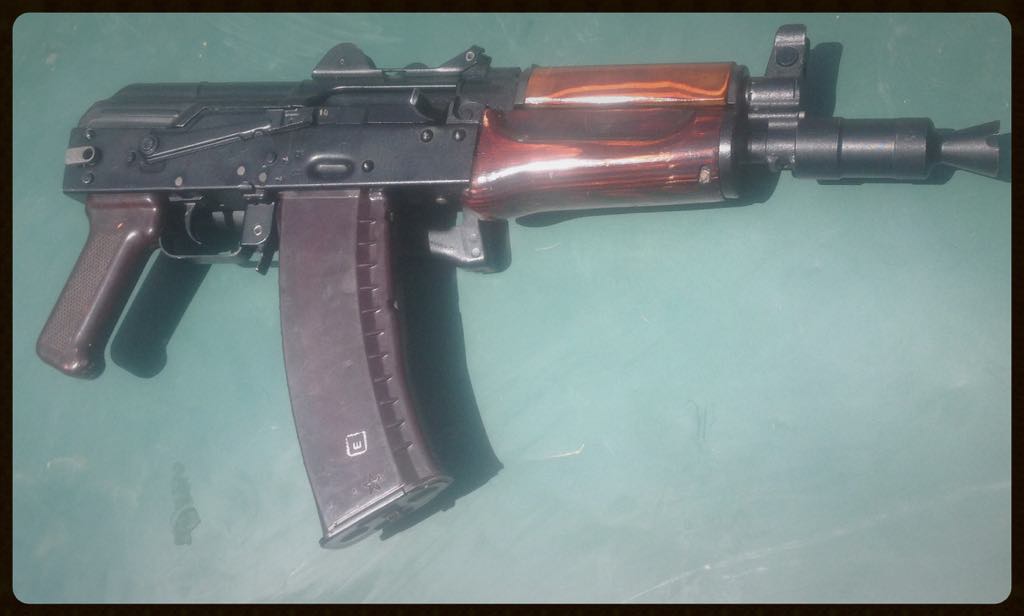
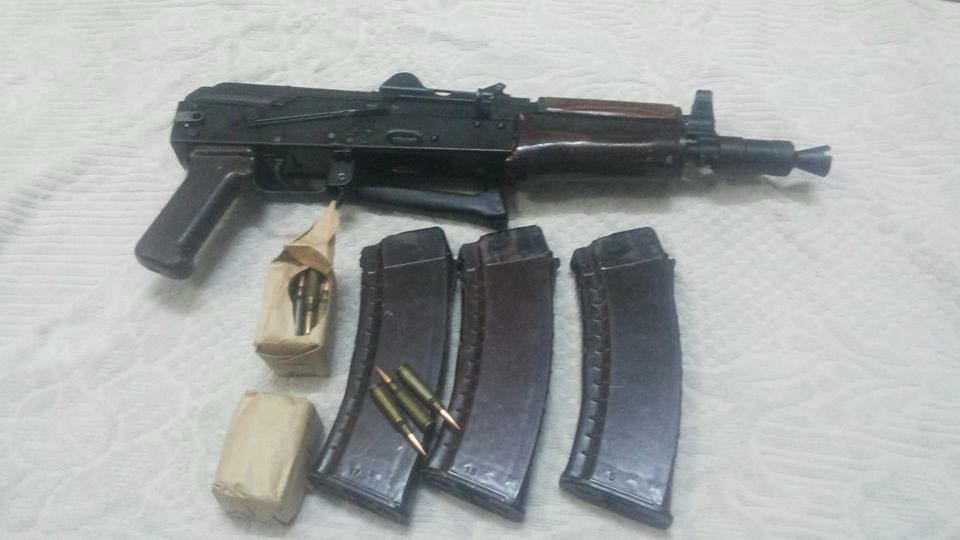
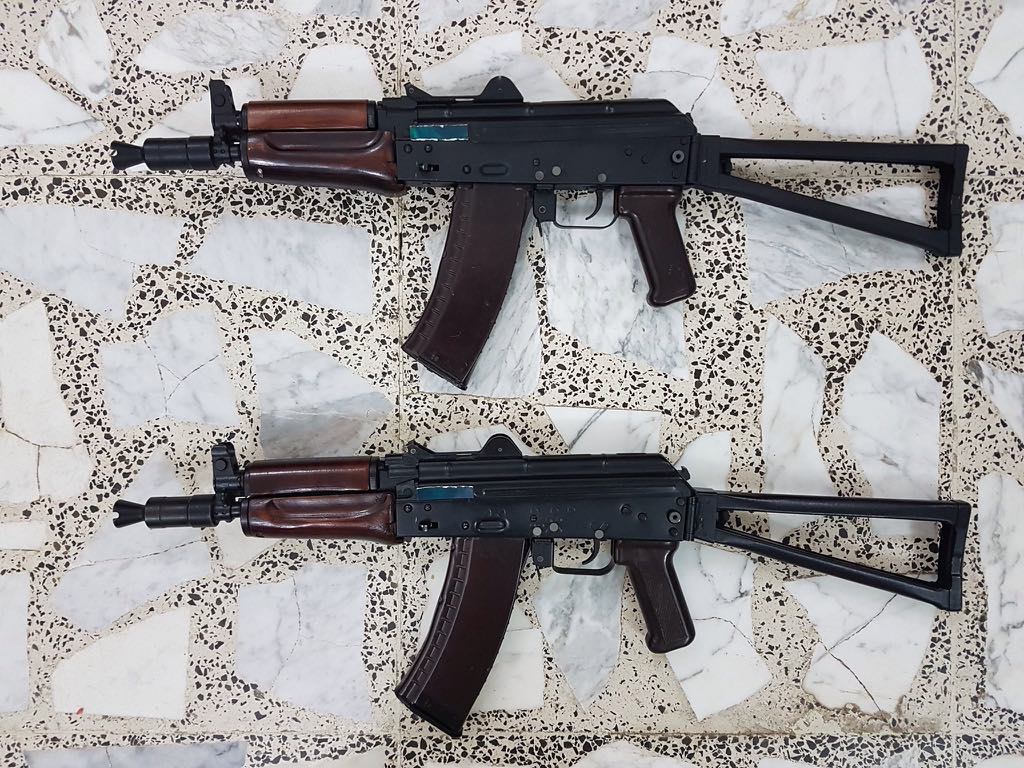
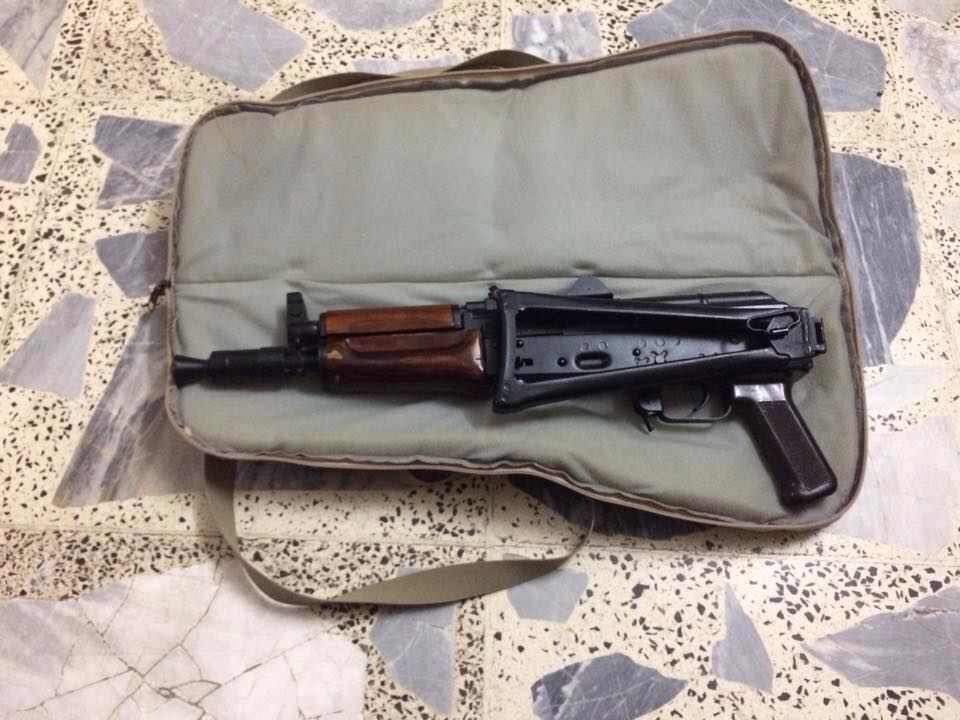
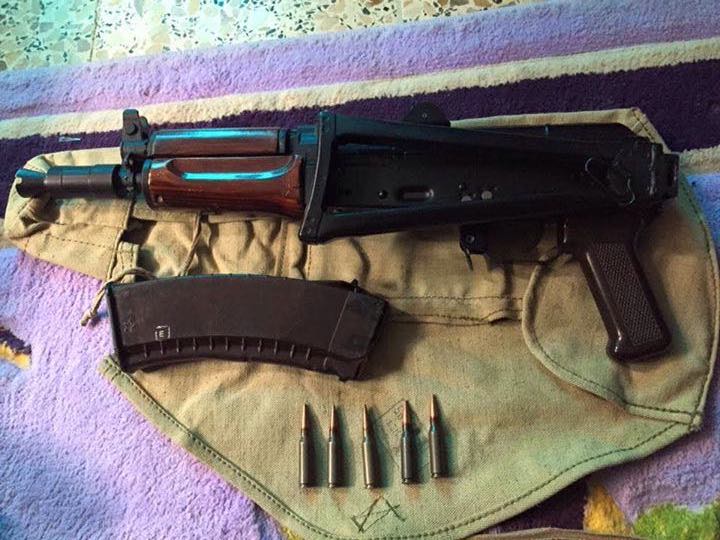
This article has been submitted to SR by a loyal friend and fellow small arms enthusiast in Iraq, discussing some of the proliferation of the AKS74U “Krinkov” within Iraq and Lebanon, in addition to its use in the region.
The AKS74U is often called the little beast in Iraq. Many people spoke about it’s history, action, production, development, etc. But I want to speak about two main topics: First is AK74 in general and AKS-74U within contemporary history in the Middle East. The second topic is AKS74U history and variants in Iraq.
In the Middle East, the AK47 platform had a long history since the 1950s as most of the countries supplied their armies with it either from USSR or other manufacturers (Polish, Bulgarian, Chinese, etc… ) but as I mentioned it was AK47 that was mainly in use until the Syrian conflict in 2011 and the Russian role in 2015 when the AK74 was introduced in significant numbers from the Russian forces and also from some ISIS members who came from Chechen or other former Soviet territories. The version is mostly AK74s with some AKS74Us in very small numbers.
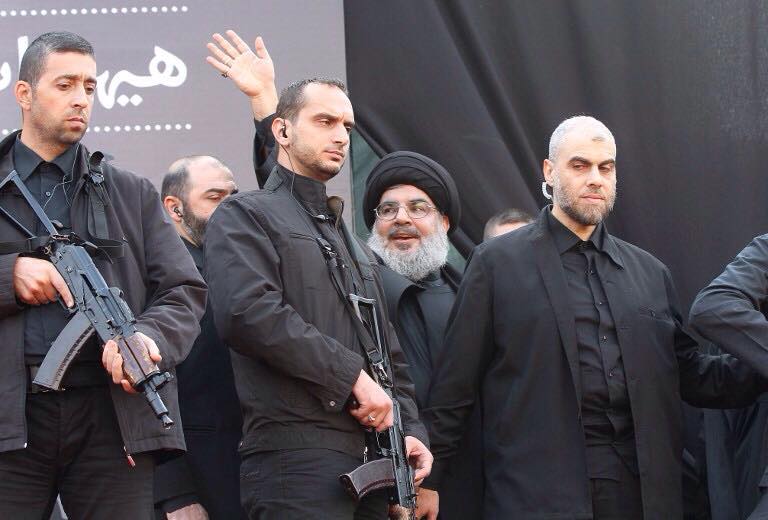
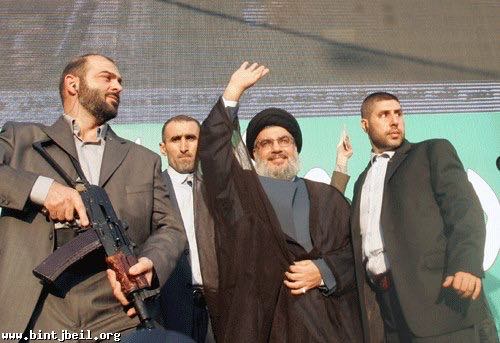
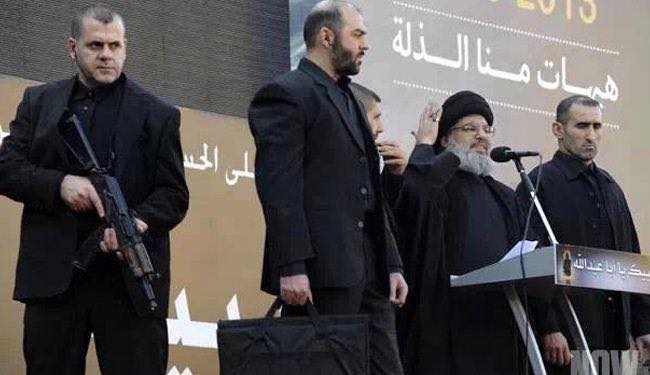
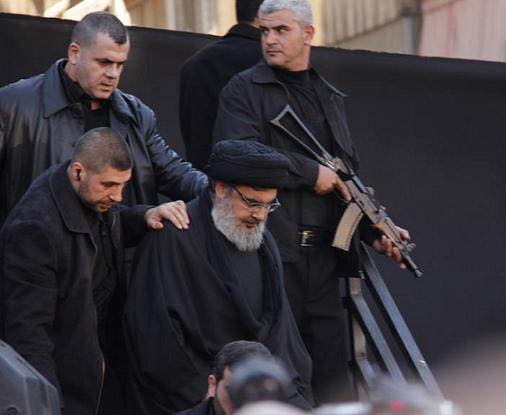
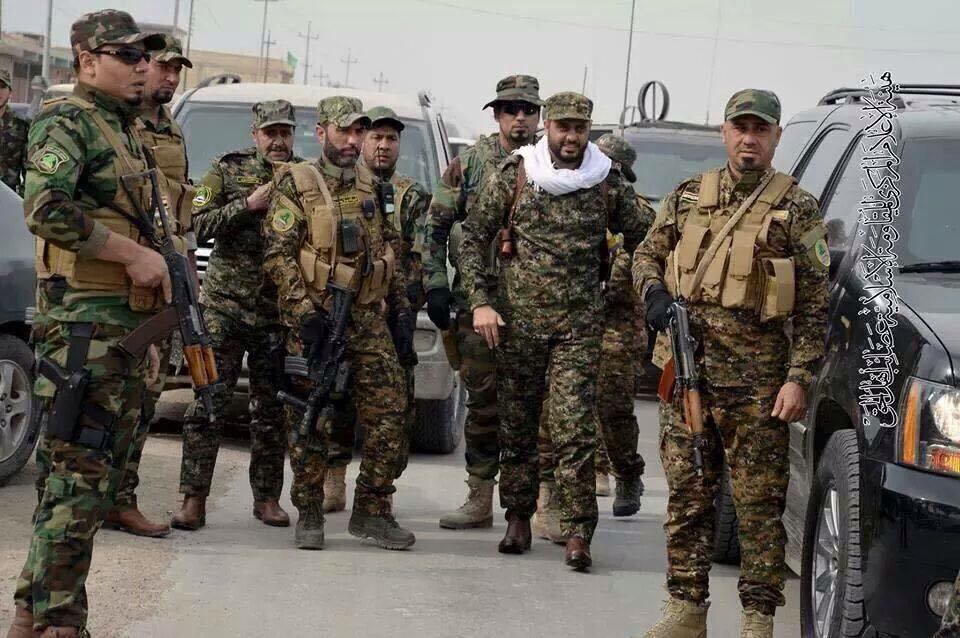
Lebanon had a little history with AKS74U as Mr.Hasaan Nasrallah’s (leader of Lebanese Hezbollah party ) bodyguards use it as their main firearm , there are is some information that Mr.Hasaan Nasrallah sent a couple of hundred of Krinkovs to the Iraqi section of the Hezbollah party after liberating Takrit from ISIS in April 2015 as a gift to Iraqi fighters who showed bravery in the battlefield.
In Iraq, many Krinkovs found their way to the black market either from the Lebanese gift or from smuggling through unknown routes, the main difference among those is that the Lebanese Krinkovs were 1987 and 1988, never fired with 2 spare mags (in most of these cases) but the others were earlier production 1986 and 1985.
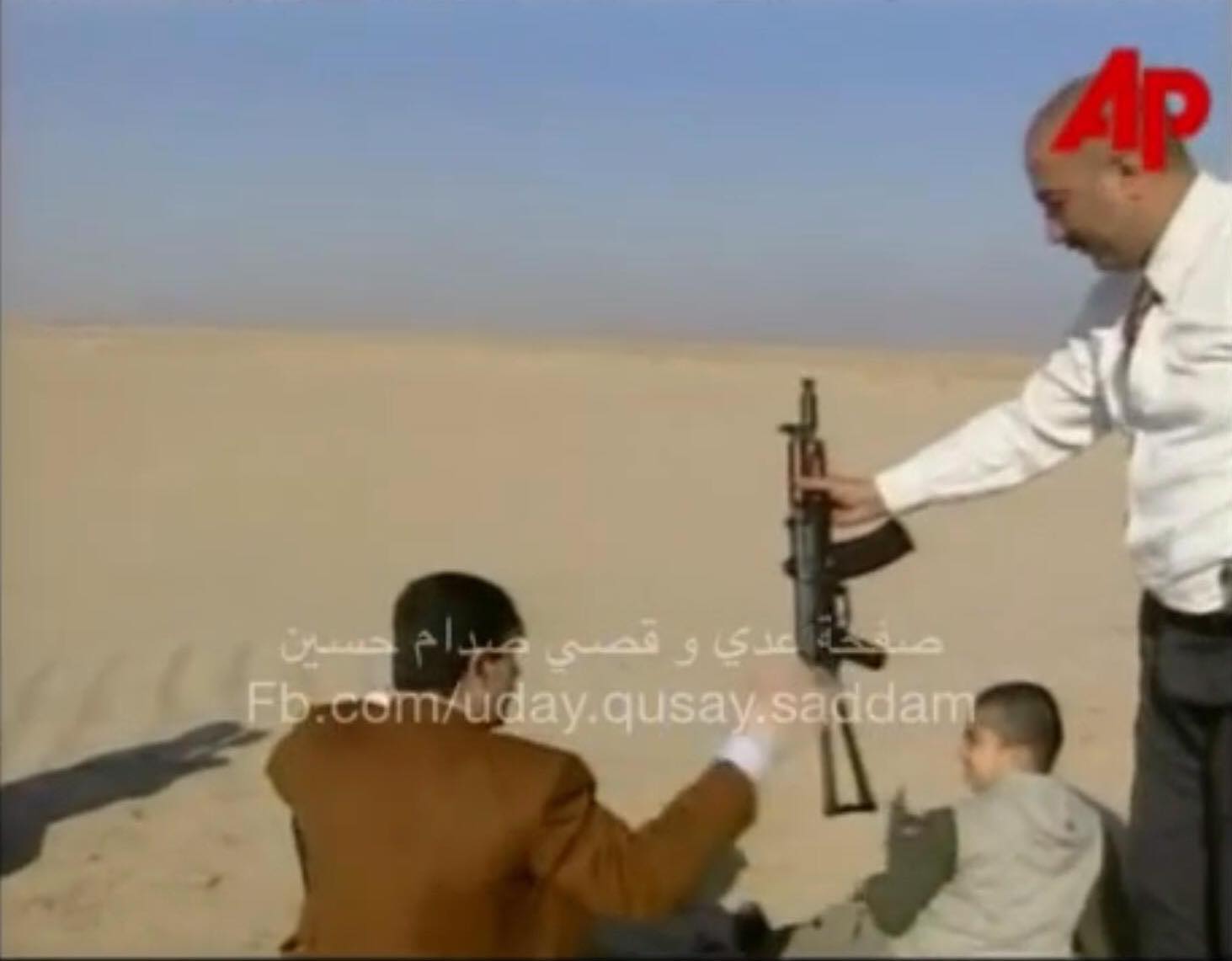
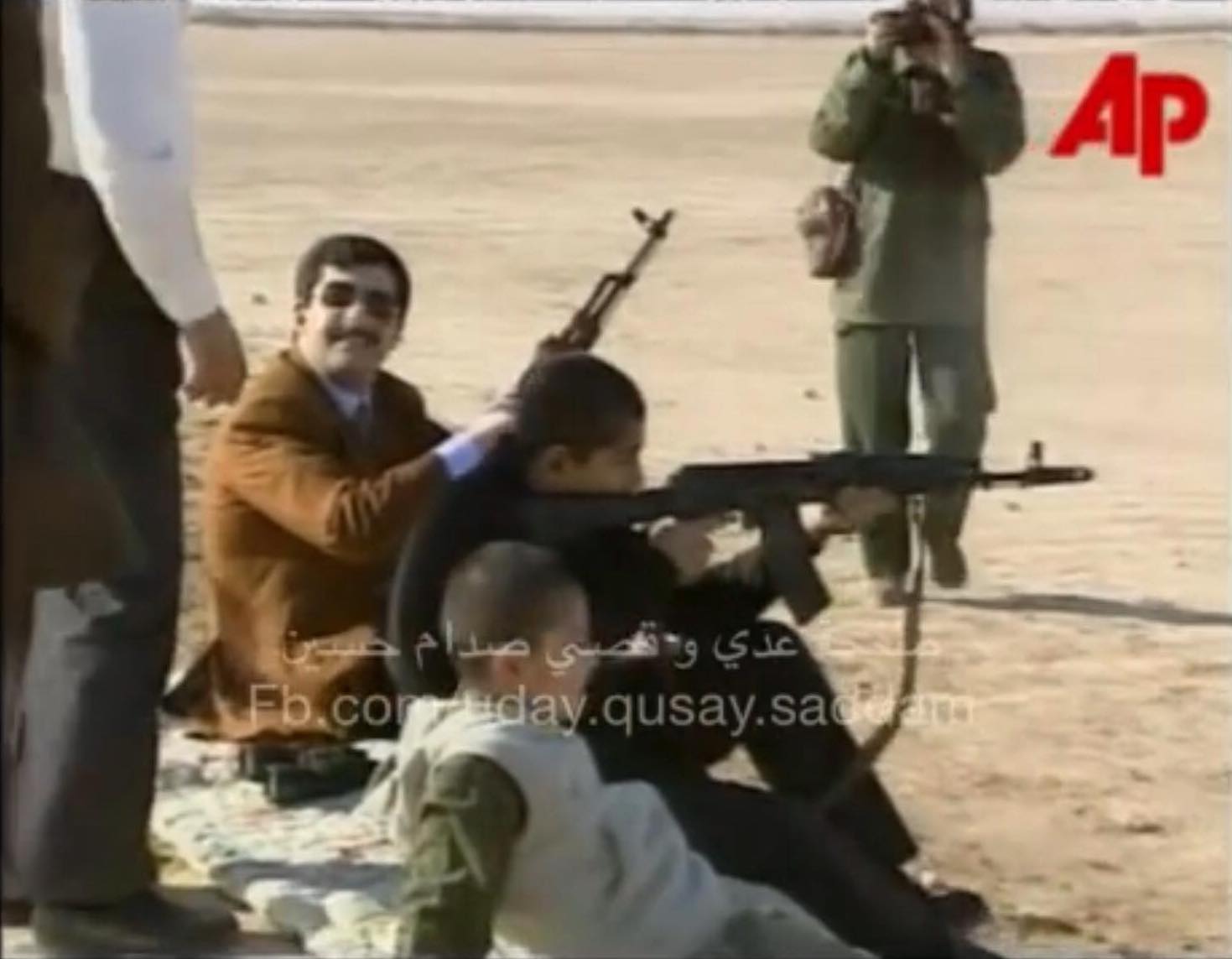
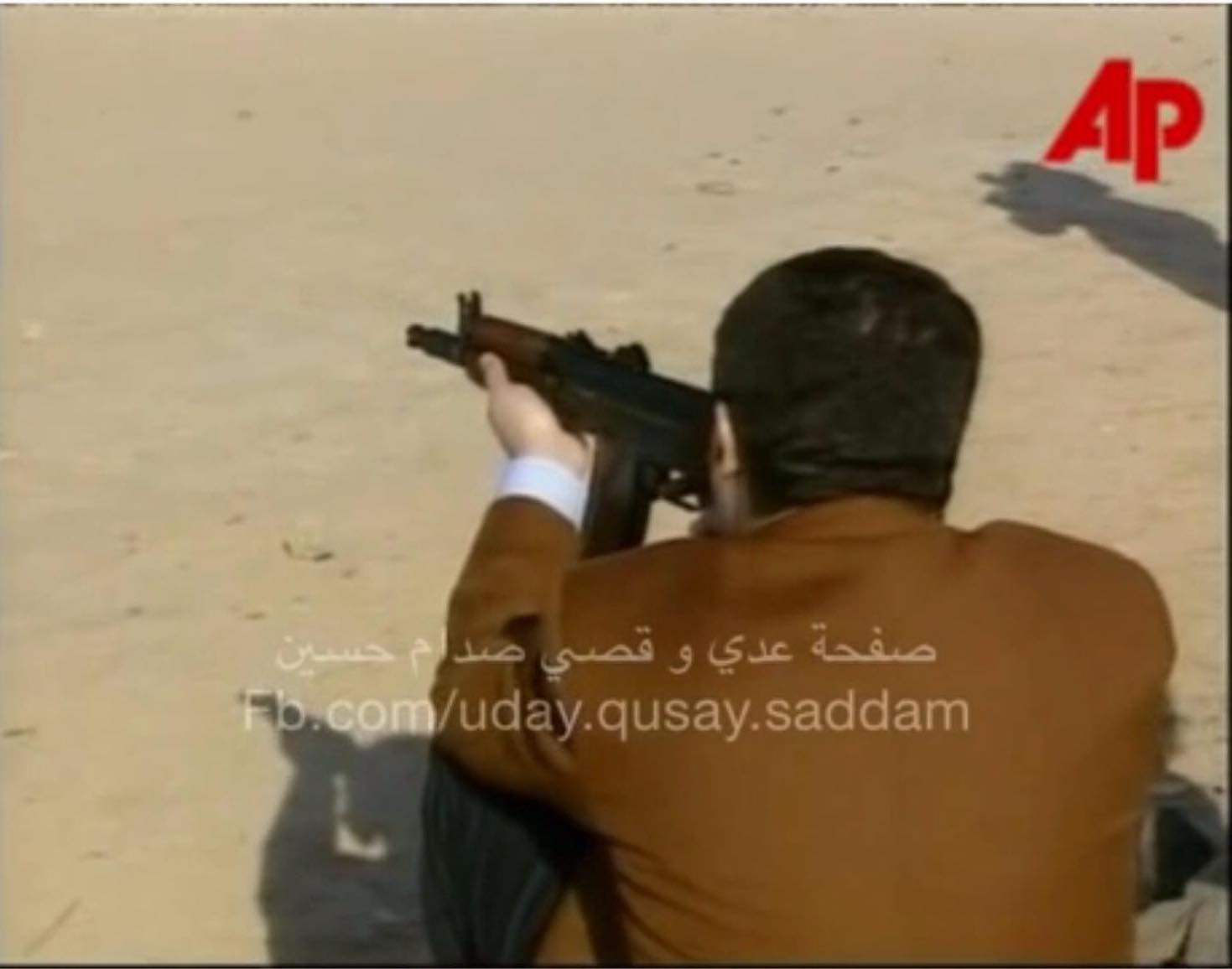
After the United States took down Saddam Hussein in 2003, a videotape was leaked showing Saddam’s son, Qusay, shooting Krinkovs with his son, Mustafa. The video is recorded in the late 1990s or early 2000s when I can be sure that it was a special order with other AK74s.
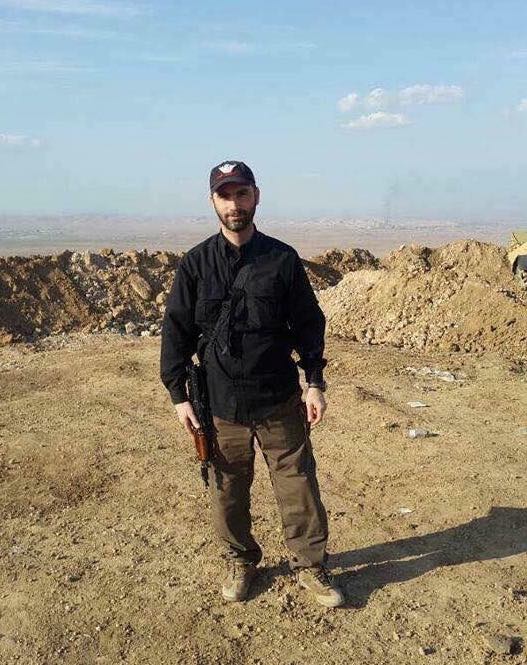
I think the number of Krinks in Iraq is less than one thousand pieces which is not used by the official government military or police forces but used by some politicians and Muslim clerk’s bodyguards. In addition to private individuals who can offer about $4000-5000 to own “The Beast”
At Silah Report we’re very thankful for the opportunity to be present on the Podcast, and are proud of the small community of writers and readers that believe in what we find fascinating and interesting. Thank you.
Keeping it Quiet is a series of articles by the Twitter account Everest65. First published on the webpage Calibre Obscura, he has been extremely generous in allowing Silah Report to republish his findings here. Content has been lightly edited. This is the concluding article.
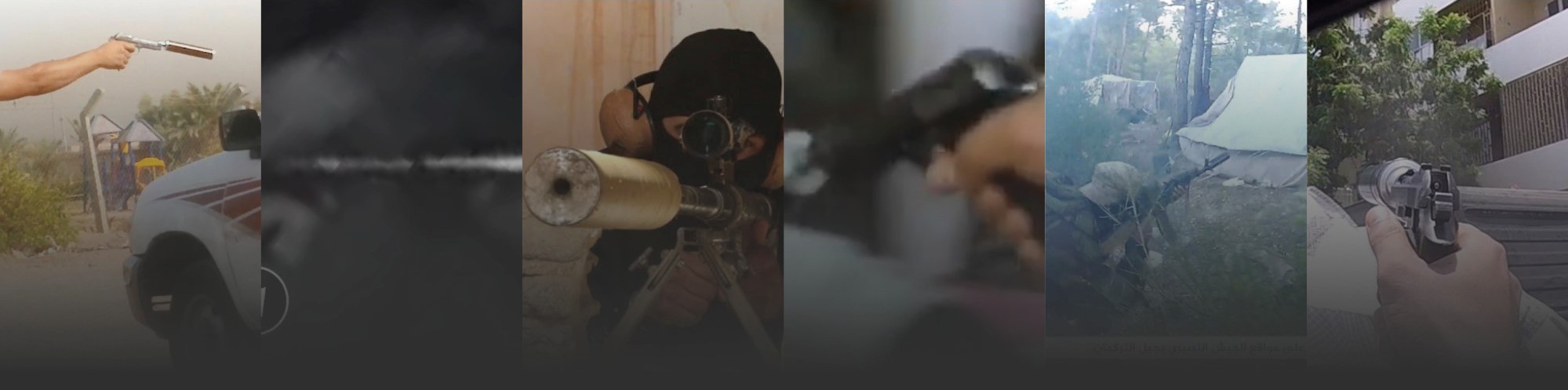
The use of suppressors by various actors should be viewed not through the technical lense of their attributes and calibers, but rather the broader strategic realities that lead to suppressors being of use to non-state groups, and their particular needs. As ISIS returns to destabilization and chaos-inducing efforts with its loss of ground and numbers, the use of attacks such as these will increase, as well as the use of suppressed weapons in them. This is also reflected in the YPG’s recent operations against Turkish/FSA forces in Afrin and surrounding areas- attempts to degrade the operational control of their opponents. This trend may be down to observe of ISIS’ successful use of this model of operation, but either way looks to be effective. Suppressed Pistols and IEDs look to be a large part of both of these campaigns, with ISIS in particular reverting to this tactic against multiple foes, HTS most recently, alongside more conventional attacks. The YPG has also shown suppressed medium range “sniper” operations, though in the western sense this looks closer to DMR use. It’ll be interesting to observe these trends when the coming Idlib battle(s) happen- will Rebel and Islamist groups revert to more insurgent-style tactics such as these? If so, we can expect to see more suppressors in use and a greater insight into their design and capabilities.
The uses of a suppressor (Typically in pistol calibers) when in the hands of insurgent or militant hands are multiple; a suppressor obviously reduces sound signature, which will reduce the speed and accuracy of any potential interdiction or counter-operation, and means that an operation using firearms can remain covert. If removing outposts, isolated small groups or sentries is the goal of the operation, then use of suppressors means that the chance of detection is lower. Another use is very close range, such as the executions indoors we see ISIS carry out. Suppressors also greatly remove muzzle flash and make militants harder to see in low light conditions, again meaning night time or evening operations can more effectively use the element of surprise and remain undetected.
A forum participant nicknamed “Obaid al-Baghdadi” recounted an attack by two jihadis on an Iraqi military barracks in the al-Saidia district of Baghdad where silenced weapons were used prior to an unnoticed withdrawal. “They perpetrated the operation quietly. The [other Iraqi soldiers] didn’t find out the two were shot until lunchtime. May God grant the two jihadis heaven and beautiful virgins,” says al-Baghdadi.
If the physical advantages of suppressor use in covert operations are clear, then there is another important factor- morale-wise. The idea of suppressors being a “James Bond” type of device remains very strong across the world- it’s commonly believed the continuing restrictions on their purchase in the United States (Remaining an NFA item) are at least partially down to the image of them being a whisper-silent assassination device.
The thought of a silent assassin stealthily picking off lone or isolated outposts cannot be discounted as a useful attribute for these groups, particularly when attempting to gradually erode the territorial and societal control of a state over an area (Who are probably using conscripts), cannot be discounted, even if the actual reality is that suppressors merely make pistol shots less detectable not whisper-silent. A covert operation using multiple pistol caliber weapons (Such as the MP5, and Pistols) follows a similar approach to those carried out by Western SOF, and is sure to mean an increased response time from the adversary, be it a state or a rival group.
The use of suppressors in the case of their use on the Battlefield is different to their use in a covert fashion, but their benefits are just as evident, if not more so.
“There are virtually no instances where an ambushed unit actually sees the enemy,” Scales, a Vietnam War veteran, said. “Both sides shoot at flashes and sounds.”And most firefights are at night.
If a soldier’s weapon is quieter than the enemy’s, and the enemy can’t see the muzzle flash, the soldier has the advantage, Scales said.
This quote is from this great article from the Military Times in the context of the United States Marine Corps and Army expanding the use of suppressors, but it does apply to their use by irregular forces too.
It later touches on the use of communication, too. The use of suppressors greatly enhances the ability to communicate coherently without raising the voice dramatically- if the attackers are carrying out covert assassinations, then this certainly assists with interrogation and coordinating the operation. I have yet to find any reliable source on the exact amount that improvised suppressors can actually reduce the sound signature, but assuming a similar Db reduction to commercial suppressors (Indeed, observing ISIS’ manufacturing process, this seems entirely possible) of 20-35 Db, they would certainly be effective for this. The video first touched on in 2012 shows this clearly. Firing an unsuppressed weapon indoors can cause permanent hearing damage. Sound waves rebound in the close confines of buildings, sending them directly back and onto the eardrum. These very close circumstances can be an ideal application for a suppressor to keep this to a minimum. However, I believe this is a minimal application in our context, as unsuppressed weapons are used very very commonly by all actors in Syria, Iraq and similar theatres. Overall, suppressors merely add a higher time for the opponent to detect, respond to and neutralize, especially if they are badly or barely trained, such as the SyAA.
An important question is the implications for the West and other Counter-Terror organizations and the capabilities of actors they are likely to face. Urban Battlefields like those seen in Raqqa, Mosul and so on pose challenges that are decidedly different to the slower-paced, longer range combat that western forces have enjoyed recently, with the technology gap now closer than before, though most combat remains at range. How Western troops deal with multiple high-intensity Raqqa-style battles is outside of the purview of the author, but the use of common, effective suppressors in kill holes and CQB simply add another difficult angle to targeting irregular opponents. The use of suppressed rifles in fast assassinations such as those shown by HTS against the Assad Regime in Latakia show an effective and rapid ability to cause costly damage and to erode overall perceived control of an area. Though we are yet to see this kind of tactic and equipment in wide use against Western forces, and Western forces are likely to have superior perimeter control and procedures, this tactic will only become more defined over time.
I am very new to this, having been inspired by many on the OSINT/Weapon ID/etc scene on Twitter. Many thanks to all of you- (Too many to list!) for providing such useful information and a real window into so many conflicts and peoples across the world.
Sources:
Please @ or message me on Twitter for sources/urls for screenshots/events etc.
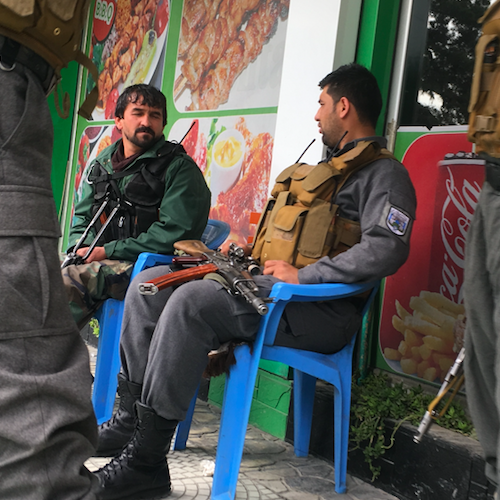
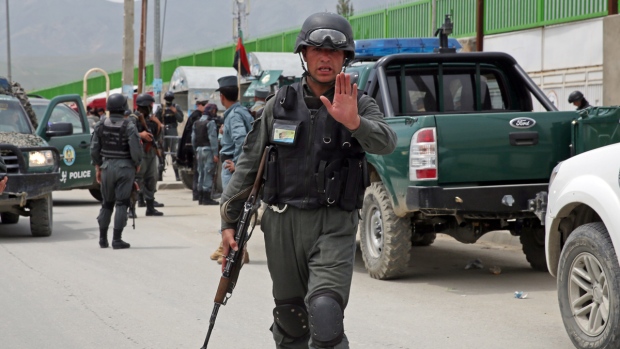
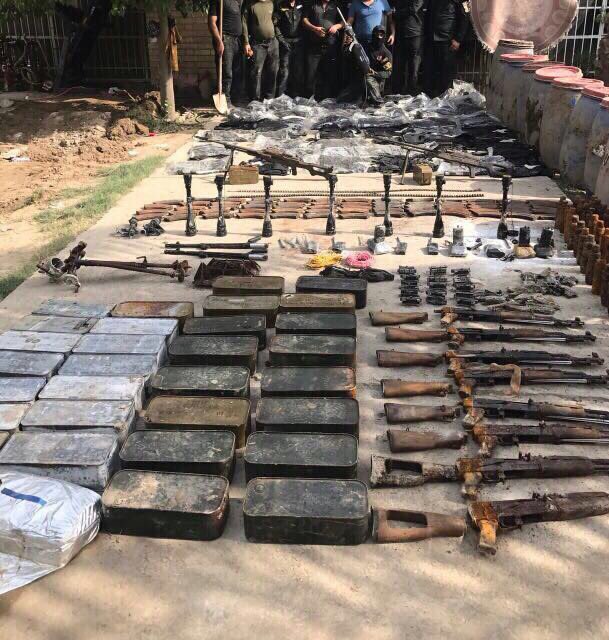
The office has received documents against 14 officials of the ministry over the loss of 105 AK-47 guns, 18 missiles, 80 mortars and 5,000 machine gun bullets.
Two of those accused employees have fled, two of them are in detention and 10 others have been released on bail, Attorney General’s Office spokesman Jamshid Rasuli told TOLOnews.
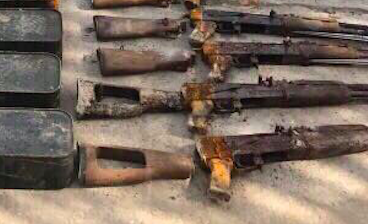
The nomenclature appears to have gone through some translation confusion when it comes to “missiles” and “mortars”. Kabuli Police certainly don’t use mortars so it would appear that missiles might mean RPG-7 launchers and mortars might be the PG-7 rockets for them. Machine gun bullets might also be a bit of a confusion because why would a thief make out with 105 AKM rifles but no 7.62x39mm ammunition to go with? If indeed these are 7.62x54mmR “Machine Gun Bullets”? Either way, on the current black market those AKMs sell for over a thousand dollars a rifle.
Two significant thefts of small arms within the Ministry of Interior are certainly not good news. It would appear that both of these might purely be financially black market driven rather than the work of an insurgent organization such as the Taliban or ISIS-K. Either way, both involved internal cooperation and were not by a forced or armed nature of attack.
A report on Television One has revealed that 70 firearms and a number of cameras capable of operating at night (possibly meaning infrared capabilities) have been stolen from a central Police armory in Kabul. The article inferred that the firearms were possibly being smuggled to Pakistan but this isn’t known as of yet.
منابع خبرداده اند که هفتاد میل جنگ افزار از یک ذخیرگاه مهمات پولیس در کابل دزدی شده است.
منابع امنیتی که نخواستند نام شان فاش شود از دزدی شدن هفتاد میل جنگ افزار و سه دوربین در ذخیرگاه های مهمات پولیس در کابل خبر داده اند.
این جنگ افزارها شامل تفنگچه ها و دوربین های شب بین بوده که از یک بخش حمایوی پولیس در کابل دزدی شده است.
بر بنیاد گفته های منابع، چندین تن از سوی وزارت داخله در پیوند به این رویداد بازداشت شده اند.
با وجود تلاش های زیاد وزارت امور داخله نخواست در این باره ابراز نظر کند، اما یک مقام وزارت داخله به تلویزیون یک این موضوع را تایید کرده گفت، بررسی ها درباره این موضوع جریان دارد.
Firearms being stolen from a central police repository is somewhat alarming, especially that observing that it has happened the day before Now-Ruz, or the Persian New Year. There is the possibility that maybe the theft was to supply a possible attack in the upcoming festivities but this is most likely not the case as the firearms stolen were mostly handguns. This is most likely a case of lax regulations right before the holiday and an insider taking advantage of them. Similar to many other attacks and thefts within the Afghan government, this was most likely an inside job possibly helped by a corrupt official.
“Krinkov”, where does it come from and how have we gotten to it? There are a number of theories about it, some truer than others, but we’ll examine each one, and I will provide what I have come up with so far.
The first theory is that it is Russian. At face value, this could seem true, by simply hearing the word “Krinkov” to a non-Russian speaker, it might sound Russian. However, this is by far, not the case at all. Tim from Military Arms Channel has an excellent dialogue on this, explaining that the Russians have an entirely different nickname. I’ll take an excerpt from Maxim Popenkers site, World Guns:
Since its introduction the AKS-74U, unofficially known as a “Ksyukha” (variation of a Russian woman name) or “okurok” (cigarette stub)
In addition from Max’s book Assault Rifles, we have this entry:
Since its introduction the AKS-74U, unofficially known as a “Kysusha” (a variation of a Russian female Ksenia), “Suka” (bitch), “Suchok” (small tree branch) or “Okurok” (cigarette stub)
And this is Tim from Military Arms Channel, explaining some of that from the Russian side.
Tim is correct in his explanation of what Russians would call it, but the biggest problem I have with his explanation is that he completely dismisses the role of the Afghan Mujahaden, saying that it is a “nonsense word”. In addition, he speculates that maybe the first AKS74U taken off a Russian who was named Krinkov. The theory doesn’t hold any weight because for one, Krinkov isn’t a Russian name or in any sort of Russian vocabulary. Also, the fact that Pashtun speaking Mujahideen could speak or even read Russian is very, very rare, many of them being illiterate in their own language of Pashtu (illiteracy is an extremely large problem even in current day Afghanistan/Peshawar, and was much more so in the early 1980s). Furthermore, the circumstances of the Mujahideen capturing weapons from the Russians involved very little live prisoners. We’ll get into this in a bit as well, but for the overwhelming majority of the time, the AKS74U was issued to helicopter and armored vehicle crew members. Contrary to popular belief, the amount of Russians captured in Afghanistan during the war, and the amount of Russians fleeing to the Mujahideen side was extremely low as well. Most of the time, the only way Mujahideen could get their hands on Soviet equipment was through disabled vehicles wherein the Russian occupants would already be dead, or through the corrupt selling of Russian arms to the Mujahideen by either Russians themselves, or Afghan government troops.
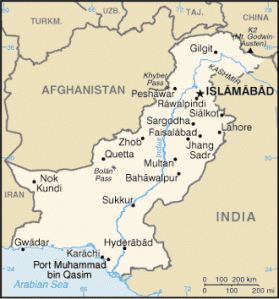
Most of the Mujahideen and Pashtun speakers that would have contributed to the name “Krinkov” would have been near Peshawar and in the eastern regions of Afghanistan.
The second theory is much more recent, but it originates from a gun shop in Naples, Florida. The shop was called “Krinks” and was run by a certain Paul Mahoney, who in the early 1990s was one of the first AK builders in the States to really take advantage of deactivated AKS74U kits, and put them together. The quality of them left much to be desired, but the fact of the matter is that the first mass producer of “Krink” kits in the United States was this guy Paul Mahoney with his gunshop “Krinks”. This might have certainly been one of the reasons why the name started to gain in popularity in the States, but it doesn’t help us at all in the actual etymology of the name.
My problem in the whole name origin is that we constantly see this theme of loosely attributing it to the Mujahideen, but yet there hasn’t been a single effort to get right to the source and really examine how that name might have even come about. Maybe it is ethnocentrism, maybe it is on account of laziness, maybe it is just accepting the status quo and not moving on. Either way, I’m going to present evidence that points to that fact that the name is actually a Pashtu word that has entered into our vocabulary, and is a testament to a twist in linguistics in the Pashtu language.
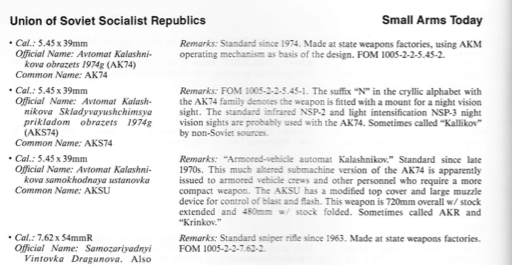
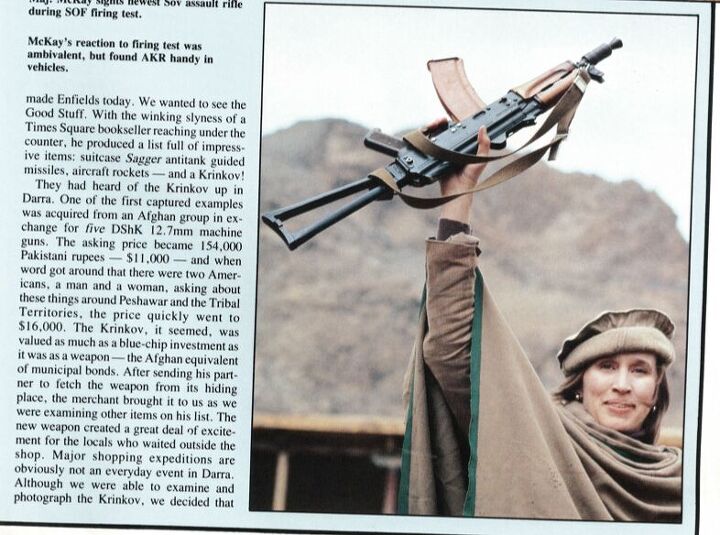
To begin with, we have to examine how the existence of this carbine became known about in the United States. I’ve often heard the claim that Soldier of Fortune magazine was the first entity to bring knowledge about the AKS74U, and even the AK74 to the West. I think this claim is more of a support for Soldier of Fortune’s reputation than any actual truth. Because just by looking at the facts, the famous Soldier of Fortune article that was run about the AK74 was in 1982, and the article about the AKS74U was in the July 1984 edition of the magazine. Looking at Jane’s Infantry Weapons from that era, and before, we see entries for the AKS74U, Sometimes labeling it as an AKSU 74, an AKSU and also as an “AKR”. This name most likely originates from Ian V. Hogg, as he was tied in with various intelligence circles at the time, that somehow came up with AKR. We still see this name in 1989, with Edward Ezell’s book, Small Arms Today.
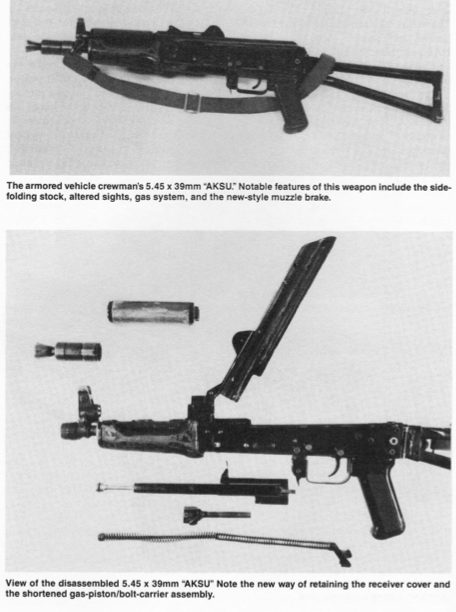
Above is from Small Arms Today, and below is from “The AK47 Story“, both by the late Edward Ezell. Above he refers to it as the AKR/Krinkov, and below the “AKSU”. Both published in the late 1980s
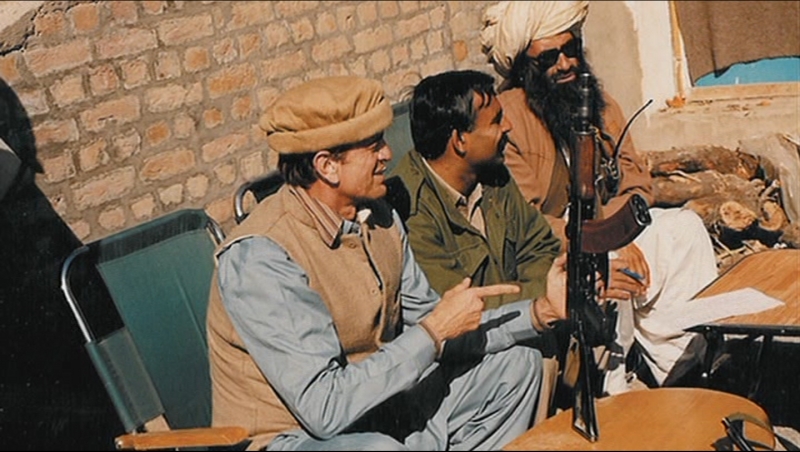
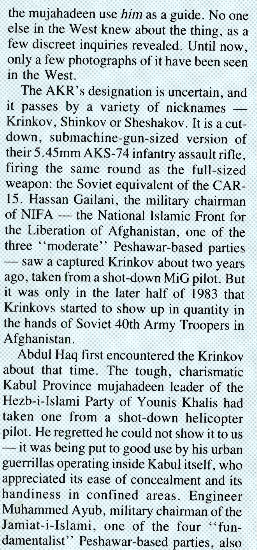
But going on to who actually deserves the credit of “discovering” the AkS74U, we have a sentence from the July 1984 edition of Soldier of Fortune, in which David Isby does an entire article about reviewing this new carbine, while he and an American Army Major are in Pakistan. He claims that initial knowledge of the carbine is from Ian Hogg, who in turn heard about it from a certain Peter Jouvenal. This guy was a video journalist, who has been in and out of Afghanistan since the late 1970s, and is extremely important because he captured one of the only video shots of Taliban leader Mullah Omar in person.
Below is the text from the Soldier of Fortune article detailing the origins and name of the AKS74U.
Peter Jouvenal, right, with Osama bin Laden. Probably the actual “discoverer” of the AKS74U in the West.
Within the Soldier of Fortune article, David Isby takes the name from the Afghans he was with. However, he mentions two other names “Shrinkov” and “Shesakov”. These two names are also important, but because of the linguistics involved, I’ll get to that in a second.
As mentioned earlier, the difference between this article, and any other article on the internet, is that I’m going to the actual source of the name, which is from the Pashtu speaking peoples of eastern Afghanistan, and Pakistan. The name is not a “nonsense” word, it is a Pashtun word. I’ll start this off by showing a clip from a movie called Son of a Lion. Quite an interesting movie, it was made by an Australian EMT on his own dime, after 9/11, going to Peshawar and filming a storyline about a young boy who works in the arms trade but really wants to go to school to become educated. The culture and language displayed in the movie are phenomenal, but from a firearms perspective, it gives us an in-depth look at the arms trade in Peshawar. Apart from a few actors, the rest of the movie is completely shot amid the markets and daily life of the North West Frontier Province of Pakistan. There aren’t any “props” or staged settings. The locations are real, and so are the small arms portrayed. But in it, we have this one scene where the main character takes a “Krinkov” out to a customer to test fire it. He also mentions the connection with Osama bin Laden.
https://youtu.be/KzN1-M37RiY?t=17m40s
Now, to understand why the reference to Osama bin Laden was even mentioned, we have to understand a little behind why the AKS74U became prominent among first the Mujahaden, and then today among families of status. As mentioned previously, the weapon was only ever issued out to crew members of helicopters and armored vehicles. Contrary to popular belief, this wasn’t a favorite of the Spetsnaz at all, although it originally started out as a proof of concept for Soviet Special Forces. It was quickly ditched for the AKS74 because the longer barrel proved to be better in the vast distances that the Spetsnaz found themselves operating in. This from an interview that I conducted with Marco Vorobiev, a Spetsnaz Veteran of the Afghan war.
Miles Vining- I noticed in some of your talks that you don’t have much love for the AKS74U?
Marco- Well its alot of fun. Lets talk about it from a far away point here. The gun is a tool in a toolbox to complete a certain job. And the job could be a regular contact fight, lets say 500-400 meters, to include maybe clearing houses or compounds. So from that regard you want something small, maybe be able to use it in close quarter combat, something really, easy to handle, easy to maintain. Well that is fine, considering if you are a police officer going through a house. It shoots 5.45 as well, so thats good for wounding. On the other hand, as a carbine, you need to be able to hit targets out to 300 meters. You can do that with an AKS74, no problem, even with an M4. But the AKSU? You might if you spray half a magazine in that particular direction. But I even have one, I shoot it for fun, I get a big old smile on my face. It’s fun to shoot, it’s just like rrrrrrrrrrp, almost like a little toy so to speak. Mikal Kalshanikov himself told me that he loved it, although he was a very anti 5.45 guy, but he was a big fan of the AKSU for some reason. But you put yourself in an actual gunfight, with people screaming everywhere, trying to get comm up, you taste the metal of adrenaline in your mouth, and now you are trying to pick out targets in the distance… it’s really hard with that gun. We were always trying to get rid of it for the AKS74.
Thus, the weapon was strictly for crew members. And if we look at the context of the Soviet-Afghan War, the biggest hinderances for the Mujahideen, were the Hind attack helicopters, and the BMPs. In fact, if you look through Soviet photographs of the war, there is much evidence to attest to this, with helicopter crews even having thigh holsters carrying their AKS74Us. Thus, taking one of these monsters out of the fight would be one enormous victory for a small band of fighters, but more importantly, proving that you took one down would show everyone how brave or good you were. And what better way to prove it than to take a weapon that only these troops would have on them, an AKS74U? It not only proves that you were competent, but it also gives you something to defend yourself with. Even in the Soldier of Fortune article, we see just how rare and sought after these things were, even rising in price after word was passed around that an American was looking for one in Peshawar.
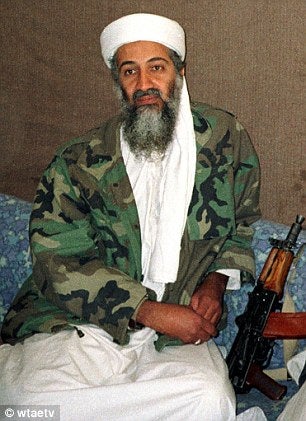
Now, Osama bin Laden claimed back to his Yemeni and Saudi buddies back home that he fought in the Soviet-Afghan War. But the actual truth of the matter is that he probably was never near any of the fighting, most likely staying in a rear echelon capacity, directing funds and supplies to the front (if he even did that). But, on his return to the area in the mid-1990s, we have a multitude of pictures of him, with an AKS74U by his side in the camera frame. This was very deliberate, to the point of the gun sellers in Peshawar even telling the customer that “This is the Osama gun”. Although Osama never took down a Soviet armored vehicle or Hind, the fact that he was carrying the carbine showed a status symbol, and he was able to identify much more easily with local Pashtuns who didn’t understand his Saudi background but absolutely understood his choice of weapon.
The placement of that AKS74U in the camera frame is entirely on purpose.
Somewhat off track, but this is important to understand how the name came to be, because even today, the AKS74U occupies a very lofty position as a status symbol in eastern Afghanistan and Peshawar.
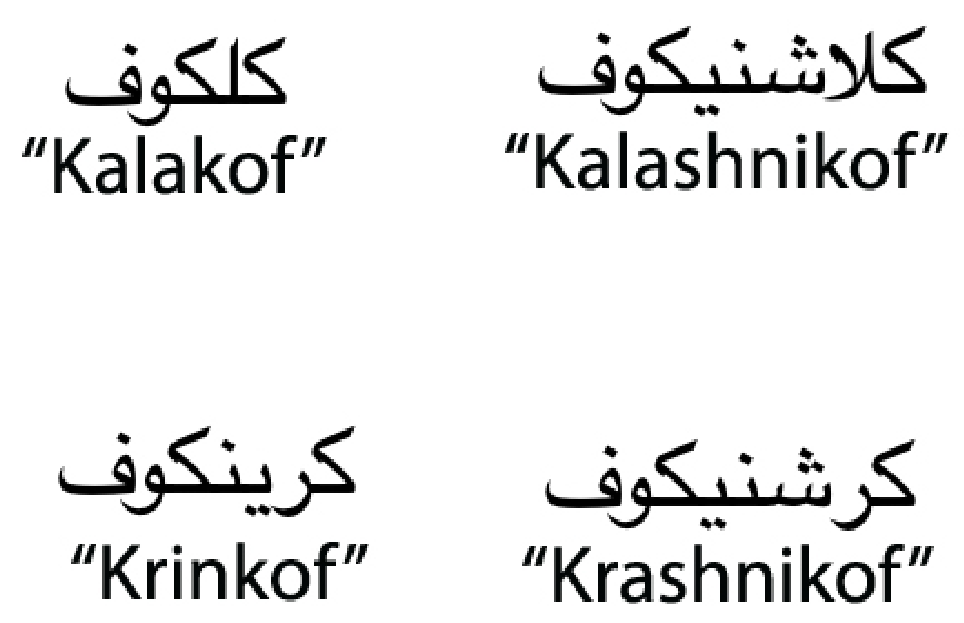
A close Afghan contact from Jalalabad mentions two names for the AKS74U, the first one which is popular in Jalalabad, is “Kalakov” and the second one is “Krinkov”. If you hear somewhat of an “F” sound at the end of the word, that is because there isn’t any “V” consonant in Pashtu, speakers instead using an “F” or a “W” sound to simulate a “V”. Now, remember what David Isby said the other names for the carbine were? “Shrinkov” and “Shesakov”? Using a little knowledge of the Pashtu language, the names pair up to be the same word. There are two dialects of Pashtu, the southern, or Kandahari, and the eastern, or the Nangahari. So looking at this words, “Krinkov” and “Shrinkov” are actually the same word, just pronounced differently, while “Kalakov” and “Shesakov” are a little more different, but dropping the “la” sound, the words are also the same.
From the full form of the word on the right, going into the nickname for the AKS74U on the left, the differences between the top and bottom are in different Pashtu areas of speaking.
But how exactly did these words come about? As my friend mentioned, adding an “ov” to any word makes it Russian-ized in Pashtu. So that explains the last part of the word, and the first part is probably a bit of vocabulary added on, to signify the importance of the AKS74U as a status symbol. Because it isn’t just any old “Kalashnikov”, its a “Krinkov”, and you know I got it from that Hind I blew out of the sky a week ago. Another tidbit that my friend brought up after the camera was off, is that for some reason, in Jalalabad, the Pashtuns refers to the Kalashnikov rifle as that, a “Kalashnikof”. However, in other parts of eastern Afghanistan, the same name is actually pronounced “Krashnikof”. And this might actually be the truest jump to “Krinkof”, as going from “Kalashnikof” to “Kalakof” is very similar, as is going from “Krashnikof” to “Krinkof”. In both cases, the “L” in the first one, and the “R” sound in the second one are maintained in their nickname for the short rifle.
I hope this was an informative article and was able to really get to the point of “Why do we call it this?”. If anything, the most important part of all of this, is that the word isn’t a made up, nonsense word, but instead has very important historical and cultural attributes and an etymology that comes from a defining moment in history. There is much evidence to point to the fact that Afghanistan might just have been the straw that broke the Soviet Unions back, and this word directly came out of that struggle. In addition, it is a Pashtun invention, and is still very much alive and well in eastern Afghanistan and Peshawar.
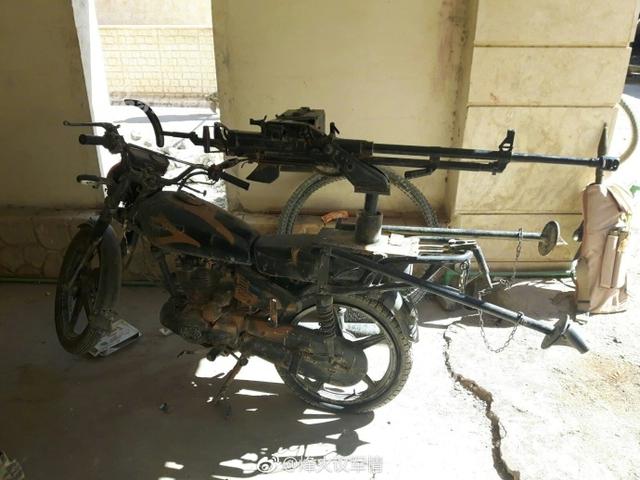
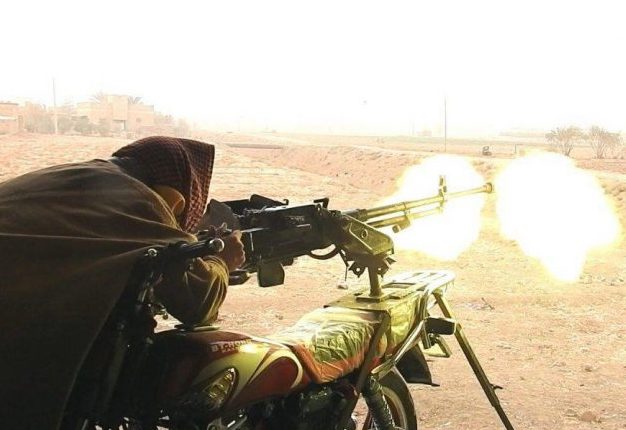
Notice how the bipod legs fold onto the back rack of the motorcycle while the Chinese 12.7x108mm Type 87 is pointed to the rear to be transported easier. Now, it would appear that any driver on the motorcycle would have to push the machine gun to the left or right while he is driving it
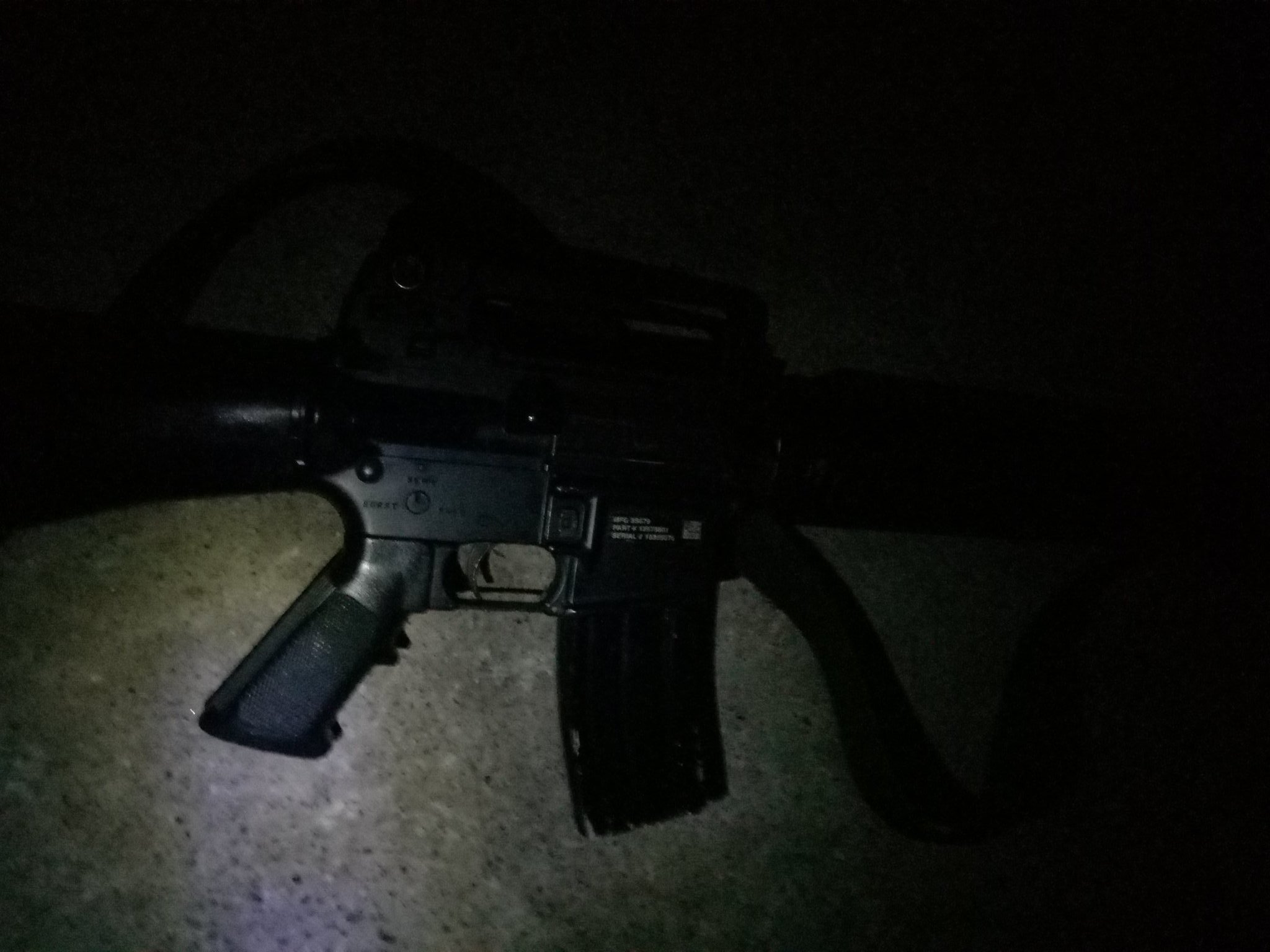
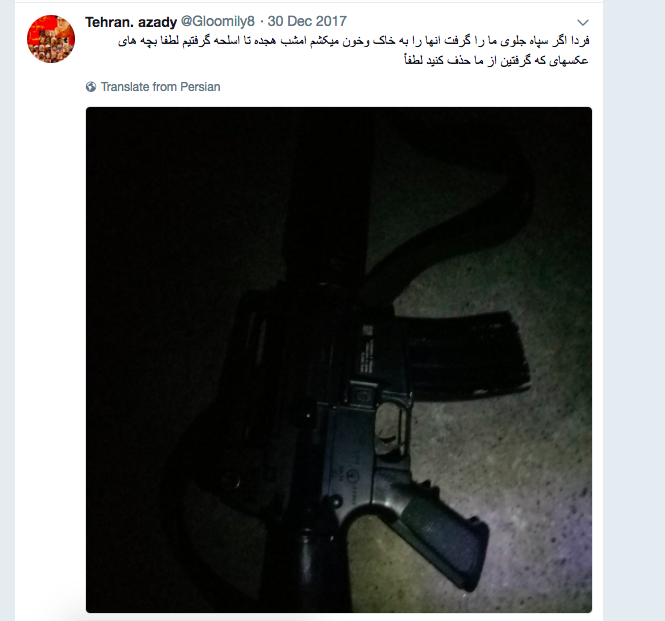
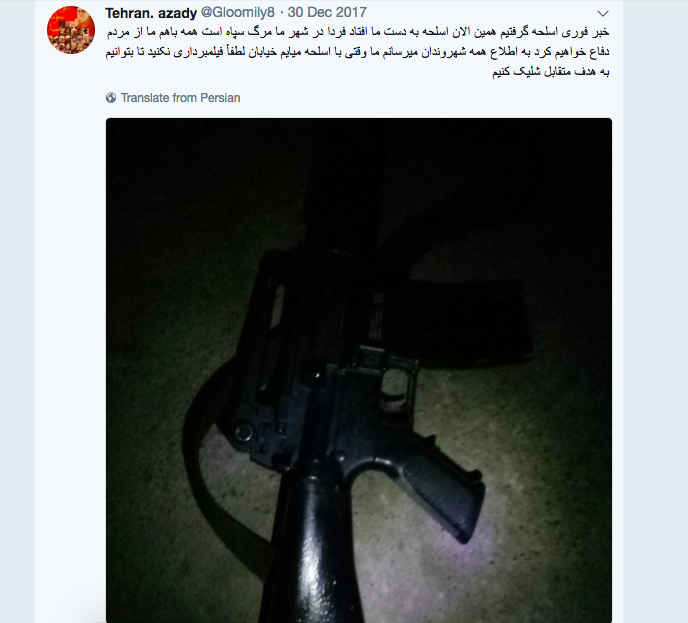
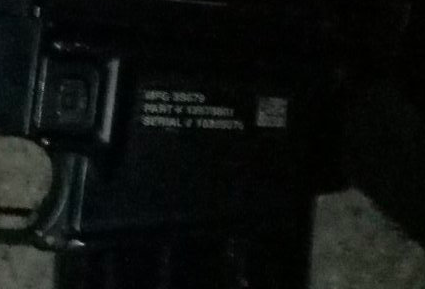
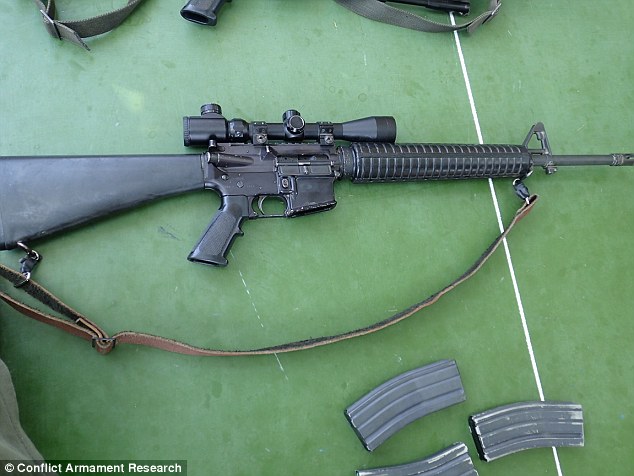
A Twitter account by the name of Tehran. azady/@Gloomily8 (Free Tehran) has posted two posts and accompanying photographs on their page depicting what appears to be an FN Herstal, former U.S. Government 5.56x45mm M16A4 Service Rifle. It is not known or confirmed if the image is actually from Tehran for that matter, but a cursory Google Image Search revealed this Twitter account appears to have been the first online poster of this particular photograph. It would also appear that these photographs are actually screenshots from a motion picture, due to the apparent movement of the light source.
Neither post makes much mention of the weapon and is more concentrated on what is going to be happening or will be planned to happen in the future in regards to the protests.
Notice the SKU imprint-
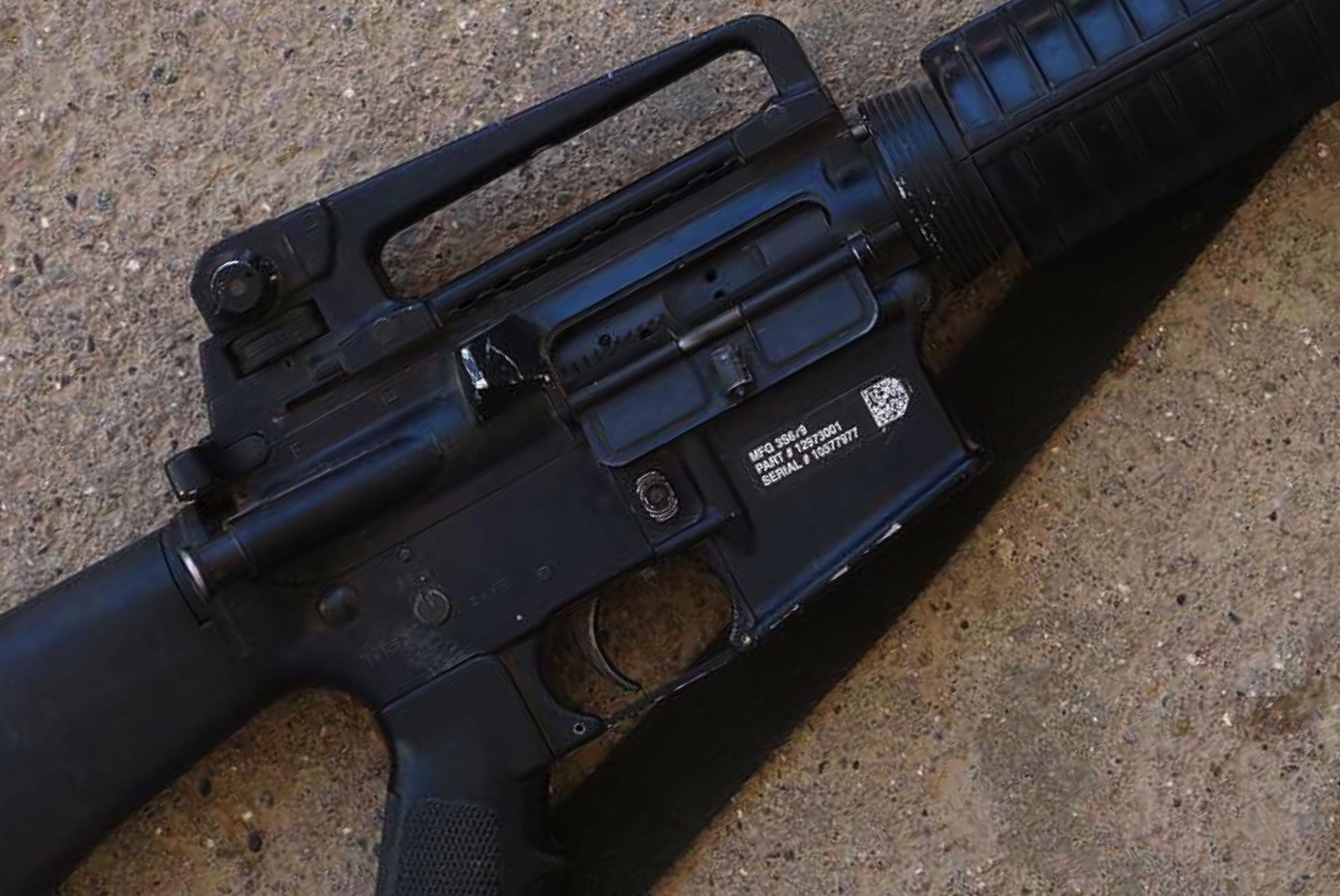
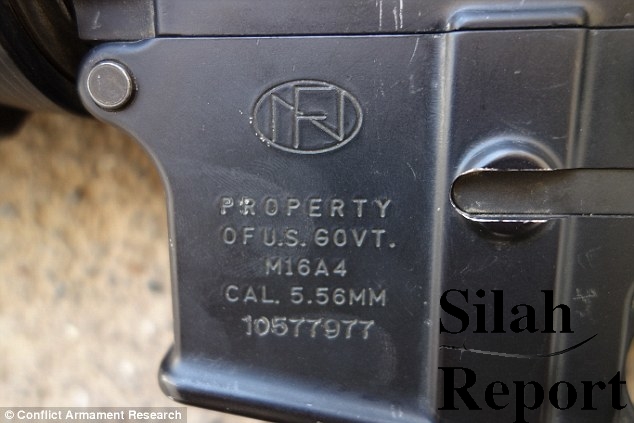
It would appear that this M16A4 is most likely diverted from U.S. Foreign Military Sales to Iraq. What could possibly confirm this is the design of the handguard. We know it is an M16A4 due to the M1913 Picatinny Rail a part of the upper receiver, of which an “A2” carrying handle is fastened to. What is being left out however, is the design of the handguard. If it is a Knight’s Armament “A4” handguard, it would be a very rare sight indeed. But most likely it is an “A2” style with the circular handguards and vertical vent ports. The “Hybrid” M16A4/A2 rifles were previously sold to the Iraqi Army-
And were subsequently seen/captured by the so-called Islamic State-
Source- Conflict Armament Research ReportSource- http://www.dailymail.co.uk/news/article-2749197/ISIS-arming-US-military-hardware-wage-jihad-Middle-East-seizing-weapons-Syrian-rebels-Iraqi-soldiers.htmlSource- http://www.dailymail.co.uk/news/article-2749197/ISIS-arming-US-military-hardware-wage-jihad-Middle-East-seizing-weapons-Syrian-rebels-Iraqi-soldiers.html
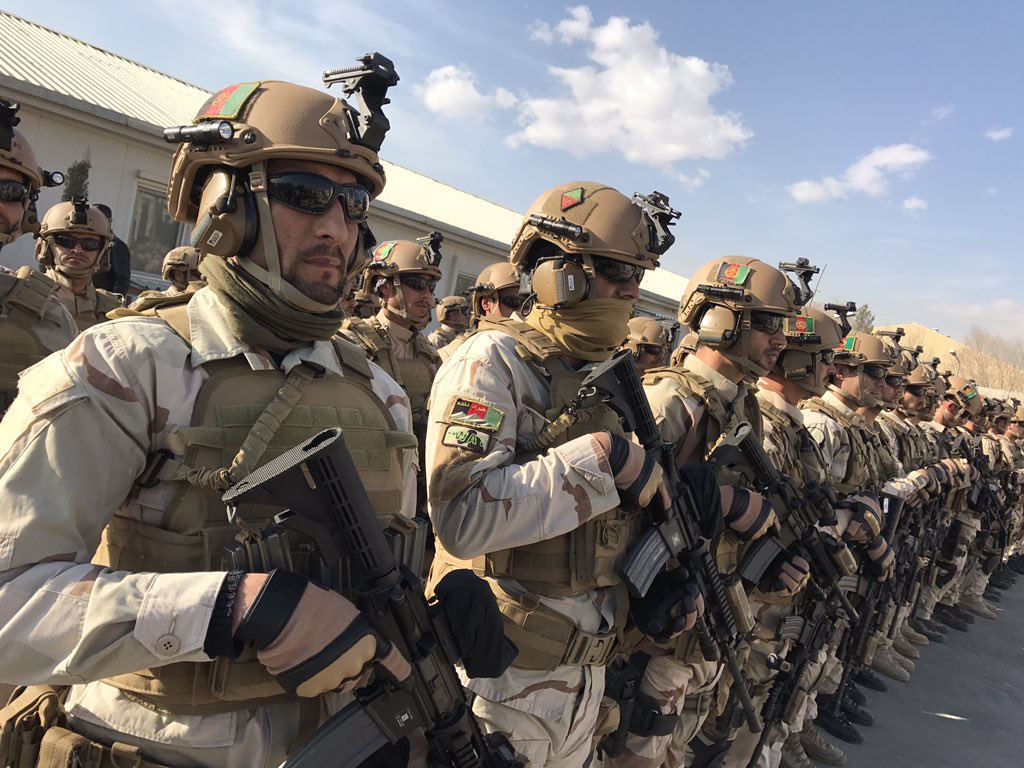
It should be noted that M16A4s are in service in Afghanistan with the Ministry of the Interior, in addition to M4/M4A1s are in service with numerous Afghan forces as well. But the amount in service in Afghanistan doesn’t seem to be proportional to the amount of M16A4s with the Iraqi Army, or circulating on the Iraqi black market.
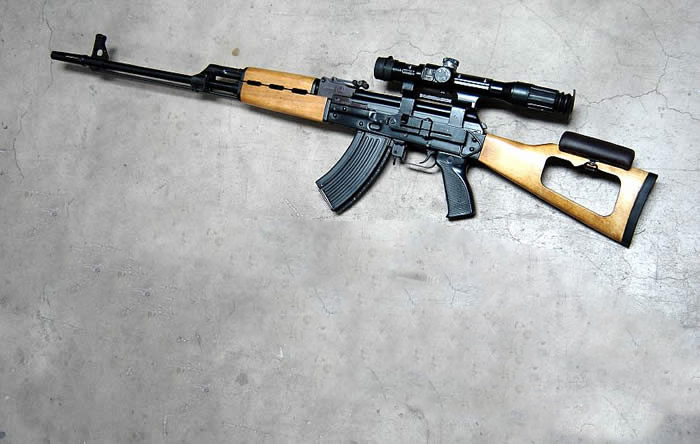
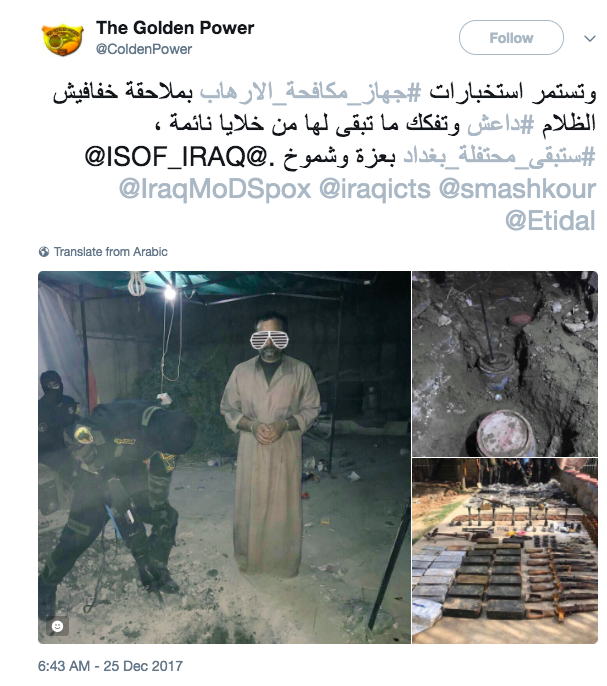
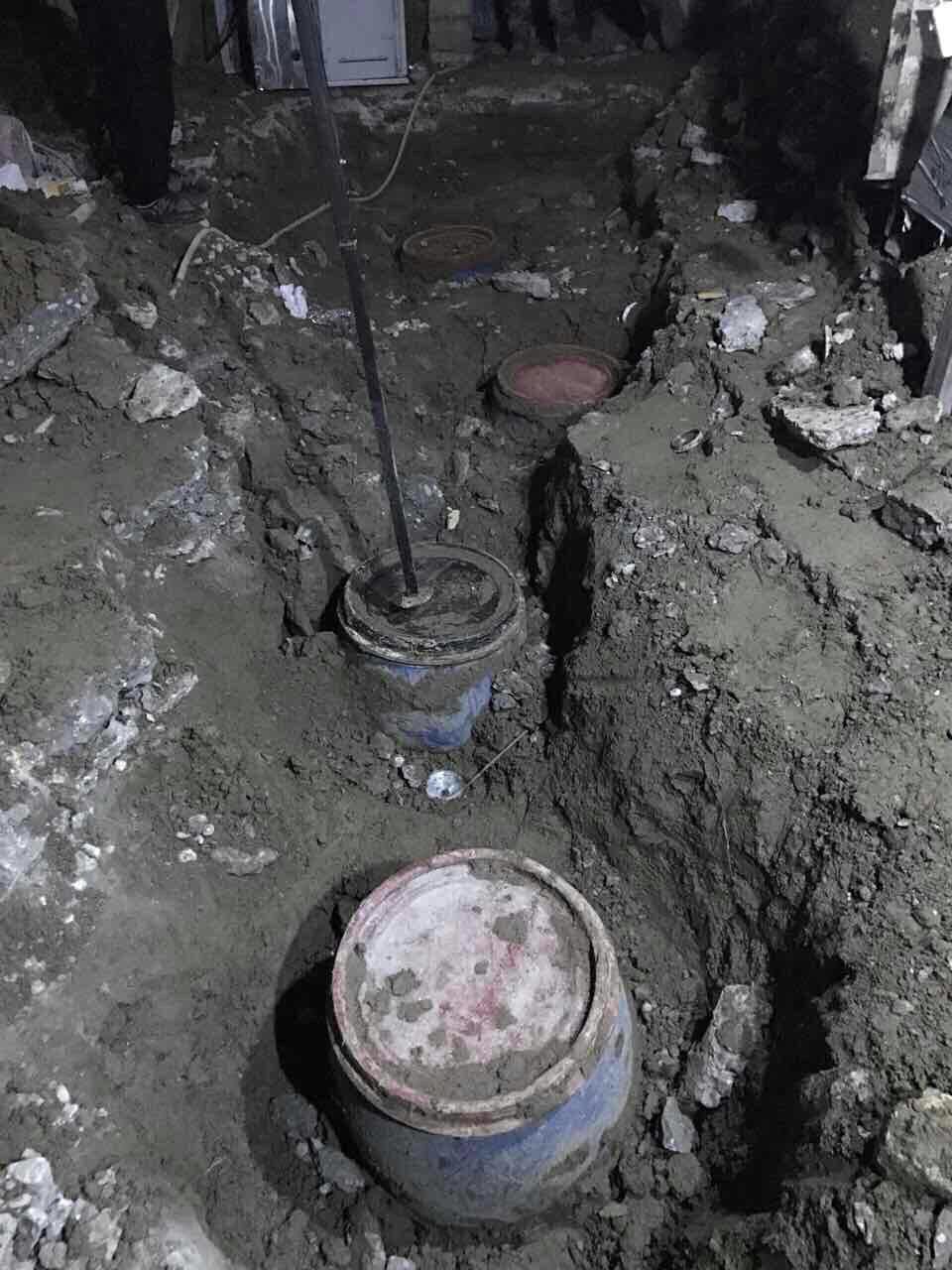
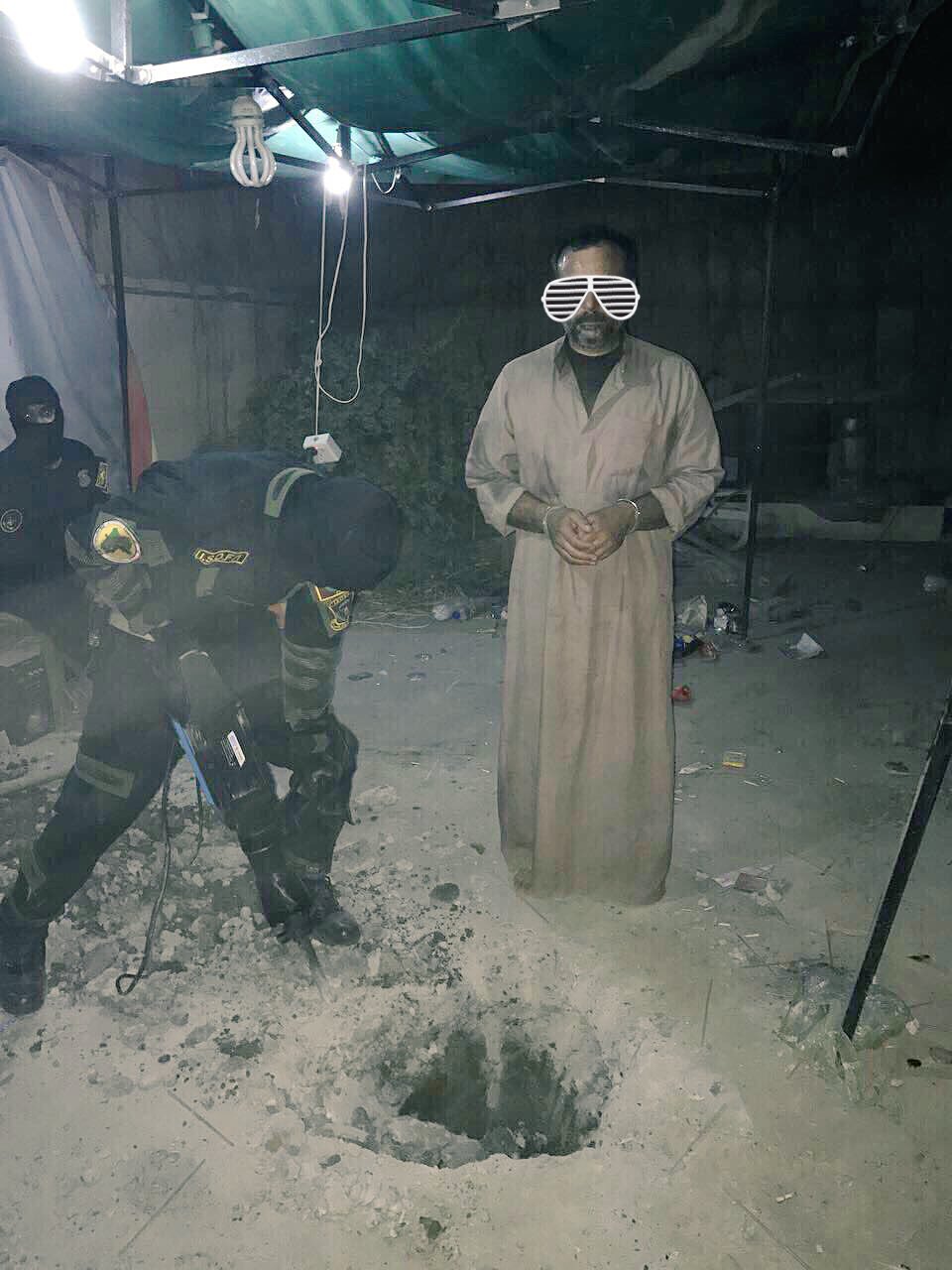
At a recent weapons cache that was turned up by Iraqi Counter-Terrorism Forces in Baghdad, what appears to be two Iraqi Tabuk Sniper rifles were among the rifles discovered in the buried cache. The Tabuk Sniper is uniquely identified by the cutout in the rear stock. Based on the Yugoslavian M70, the Tabuk sniper is a variant of the standard Tabuk rifle with full wooden stock, and the shorter version with a folding stock. It is unique among designated marksmen rifles in that it is chambered in 7.62x39mm, a round not known for its accuracy in the years it was adopted and used.
The two Tabuk Snipers in this photograph are distinguished by the aforementioned stocks and the three vents in the wooden handguard. On the above rifle there does seem to be some doubt as the receiver looks to be milled instead of stamped due to the magazine cut out portion. In addition, it is difficult to tell if the pistol grips are plastic or wooden, a key identification point about the Tabuk and M70 series. The stocks themselves are actually reversed, you are looking at the left side of the stock when it should have been the right side if aligned properly with the rifle.
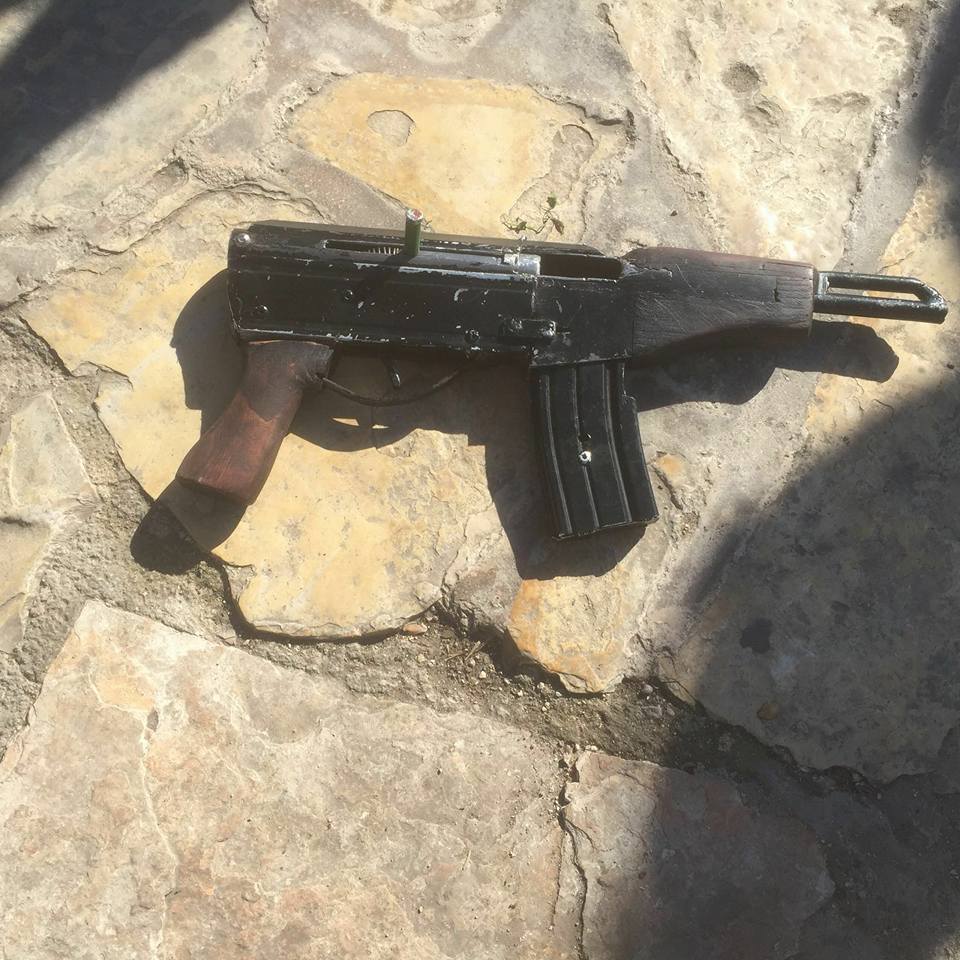
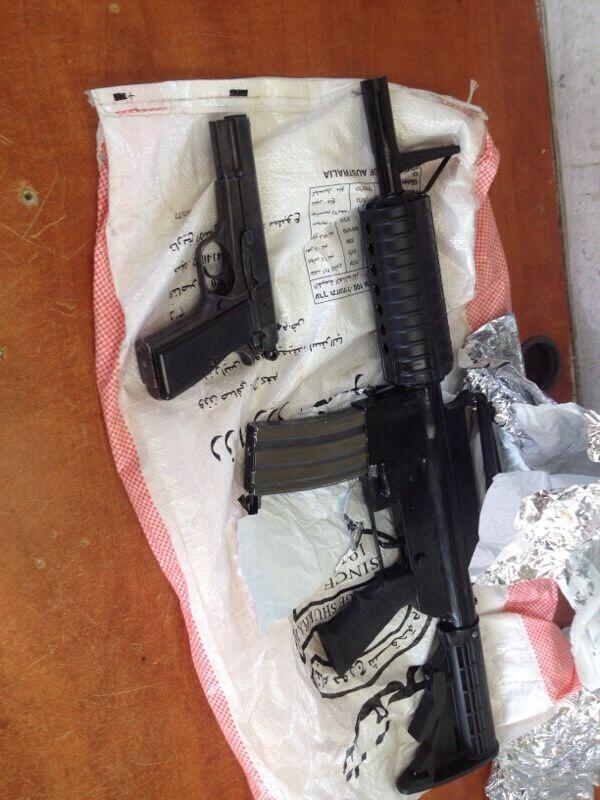
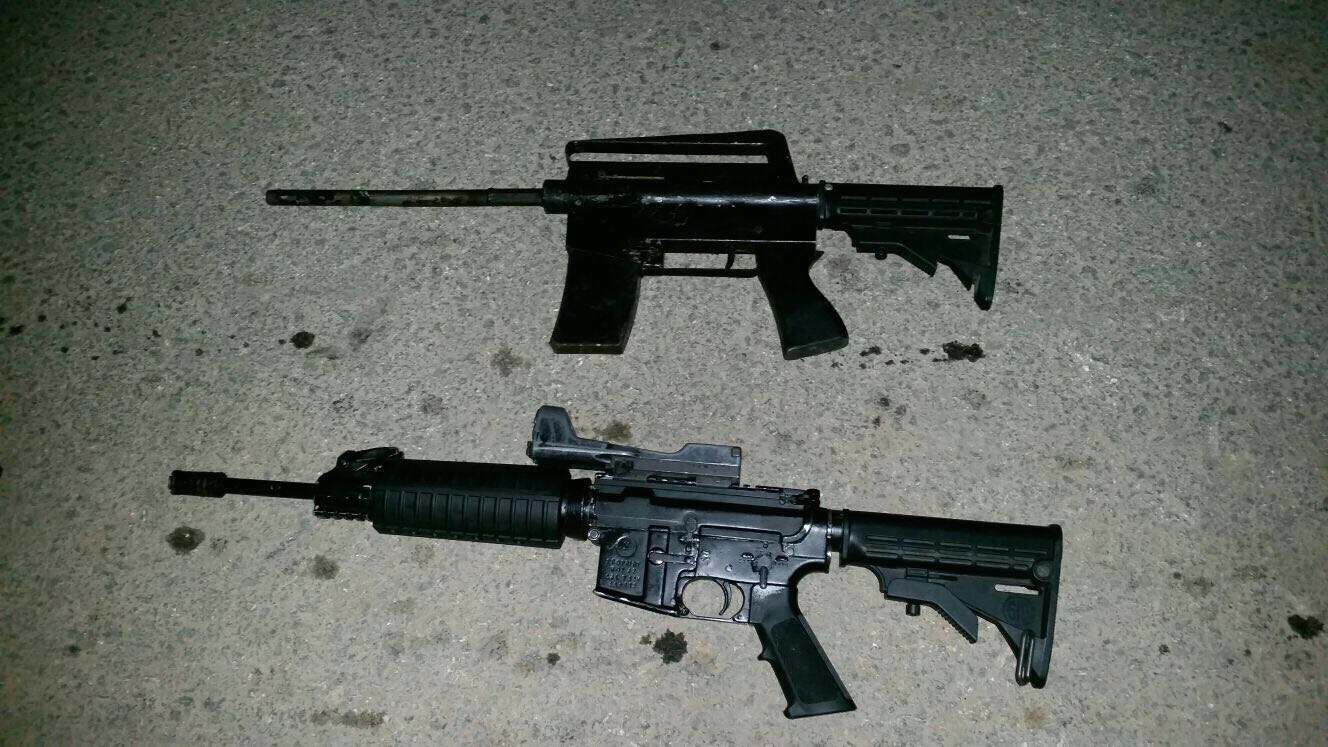
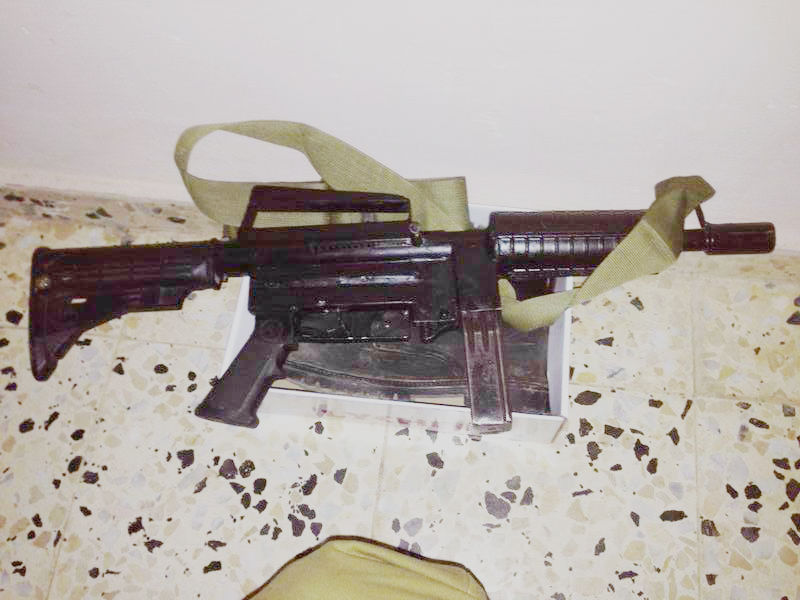
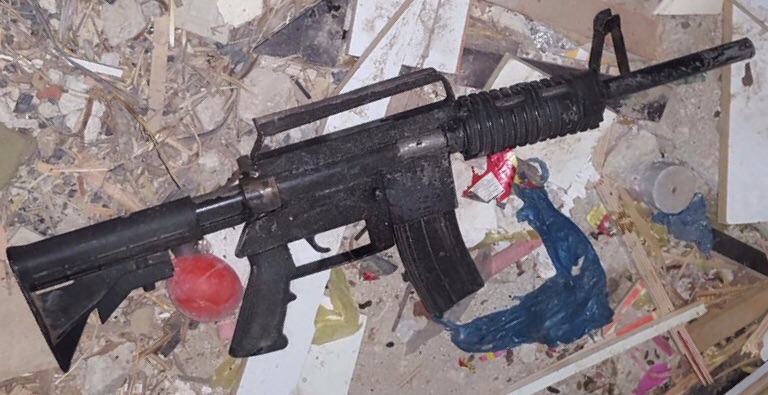
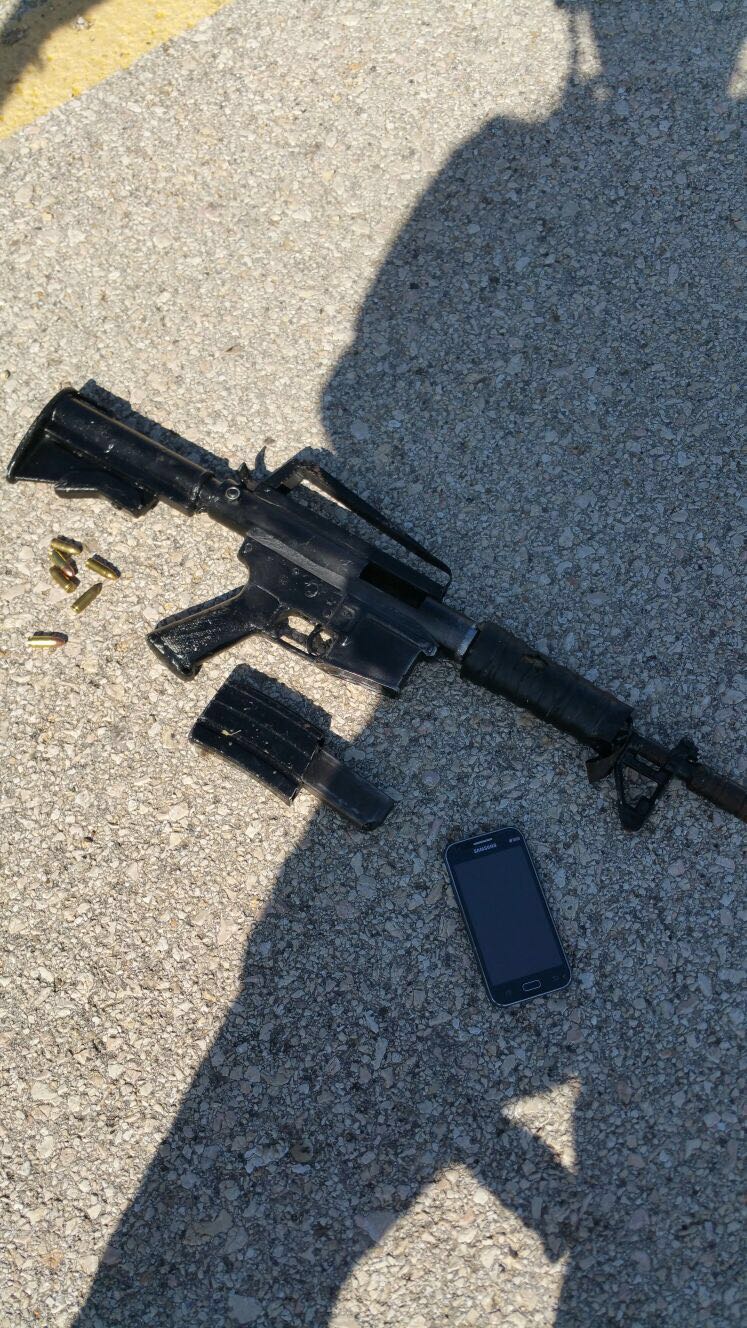
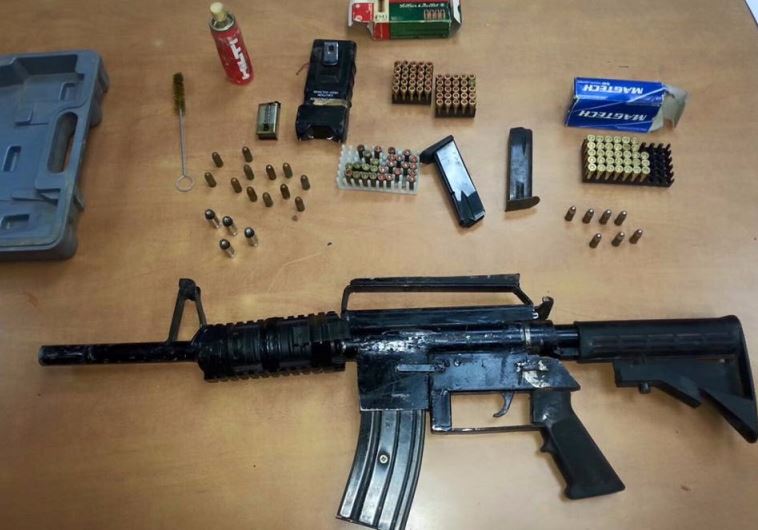
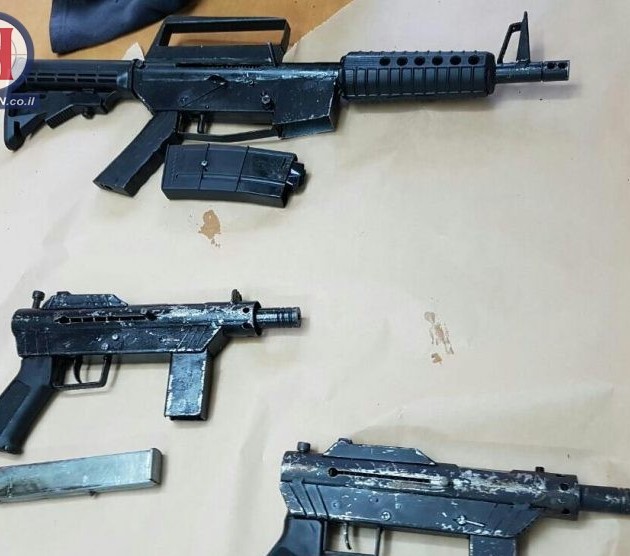
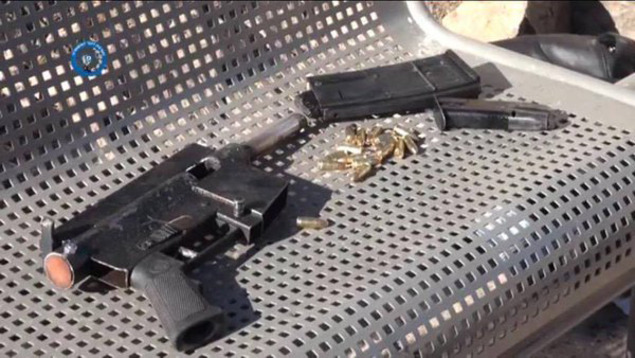
This article will examine the design and use of improvised firearms among Palestinians in the West Bank, that are otherwise known as “Replica” Carlo’s due to their similarity in appearance to the M4s and M16 rifles in use throughout Isreal that the designs are replicating. The majority of these weapons are 9x19mm NATO, fully automatic only, magazine fed, open bolt designs that are improvised from underground manufacturers that use machinery and materials purchased on the black market or outright stolen. Due to the variance in production and origins, there is no set standard of appearance for these weapons. Rather there is a general consensus that the appearance is identical to an M4 or M16 from afar, but that there are significant differences between individual models.
Motives for Producing Replicas and the Cultural Context
Availability
The prime reason to manufacture the Carlo is to resemble as closely as possible an M-16 or M-4 is the availability of furniture and magazines in Israel and the West Bank. Both guns were and still are a major part of the Israeli armament, used by the IDF, police, civil guard etc… Because of this availability of parts, Armalite based designs are favored when theft becomes an option.
From a manufacturing point of view, it makes sense to design your gun to match the existing furniture and magazines already available than to manufacture them along with the gun.
Status and Prestige
Guns have a significant role in the Arab tradition, centuries of existence in lawless regions made it essential to own weapons for self-defense and as a deterrence against other tribes who were also armed themselves with whatever they could get their hands on.
Although civilian gun ownership is largely restricted and banned by both Israel and the Palestinian Authority many Arab families in the West Bank and Israel are determined to keep their arsenals and enlarge them as much as possible.
Alongside the practicality of owning a gun the guns are symbols of status and wealth. A family or an individual that can afford high-end weapons rather than a homemade one enjoy prestige over those who compromise with the local workshop products.
Acquiring a real military grade firearm might be expensive and the common garden variety Carlos are too widespread. The Carlo replicas are a way to bridge that gap, have a more expensive and awe-inducing gun without the cost of acquiring the M4 that the replica is based on.
Imitating Popular Palestinian Figures
Many in the Arab population view the terror organizations and terrorists as freedom fighters and role models, naturally, there are those who want to imitate these heroes and want to have their guns be as identical to those who they admire. If the genuine guns and ammo are out of reach then the replicas become the alternative, relatively cheap and available supplies of ammunition to practice and show off. It is then easy to understand why some workshops making the replicas make great efforts to produce almost identical copies.
Infiltration
It has been speculated that the M4 replicas could be used for terror attacks against Israeli civilians or IDF soldiers. Due to the apparent shape of the replicas being similar to the M16 service rifle used by the IDF. This will confuse soldiers and security guards, mistaking the identity of terrorists as IDF soldiers, making them hesitate to shoot.
A fair theory, however, none of the individuals caught with these replicas has ever been caught with an IDF uniform to match the gun. Currently, the records show that after numerous attacks done by Carlo wielding terrorists none were carrying any replicas. All of the photos released by IDF and police spokesmen show a regular Carlos.
Stolen or Lost Weapons and Magazines
An obvious source for both guns and their magazines are various stocks of small arms already existing in Israel. IDF, police, border guards, private security, armed civilians and many other groups are armed with M16s and M4s. This creates an abundance of stock from which guns and magazines can be acquired, by searching IDF training areas or breaking into a police officer’s home for example.
Commercial market
Several Israeli companies, such as FAB and CAA, known in the U.S. commercial gun market for their products, are also producing and selling M16 and M4 furniture in Israel. Many IDF soldiers individually choose to upgrade their weapons at their own expense. Such equipment is sold regularly and without any background checks and it stands to reason that some of the replicas are using such legally purchased furniture.
Paintball and Airsoft Replicas
There were some on Israeli gun web forums who speculate that paintball and airsoft replicas could be the source for the Carlos replicas’ receivers.
Indeed such guns could be cannibalized to provide the Carlo replica receivers.
The 9x19mm NATO ammunition produces less pressure than intermedium cartridges do so the light structure of the paintball and airsoft might withstand the additional pressure.
However, thought technical plausible, photos taken of captured Carlos or those surface in the Arab social media don’t indicate that paintball and airsoft are used.
The replicas’ ‘receivers’ all appear to be workshop made with all the typical welding seams, rivets and out of proportions dimensions.
Embedded Magazine
Curious readers might wonder how open bolt 9x19mm submachine guns are fed with 5.56x45mm NATO STANAG magazines.
The answer is simple, the craftsmen making the guns mimic the real guns embed pistol or Uzi 9x19mm magazine inside the real STANG magazines.
Similar to Matryoshka dolls, these magazines are inside of the weapon with few exterior modifications to the STANG magazine.
Those rivets hold the inner magazine in place.
Outside of the weapon the inner magazine is revealed protruding out of the STANAG housing magazine.
Such arrangement of small caliber magazine housed inside bigger caliber magazine shell is unusual but not unique, for example, the Philippines Armscor M16 22 is a 22LR semi-auto rifle dressed as an M16A1 with a matching STANAG size magazines containing 22LR magazines inside