Keeping it Quiet Part 4: Conclusions

Keeping it Quiet is a series of articles by the Twitter account Everest65. First published on the webpage Calibre Obscura, he has been extremely generous in allowing Silah Report to republish his findings here. Content has been lightly edited. This is the concluding article. 

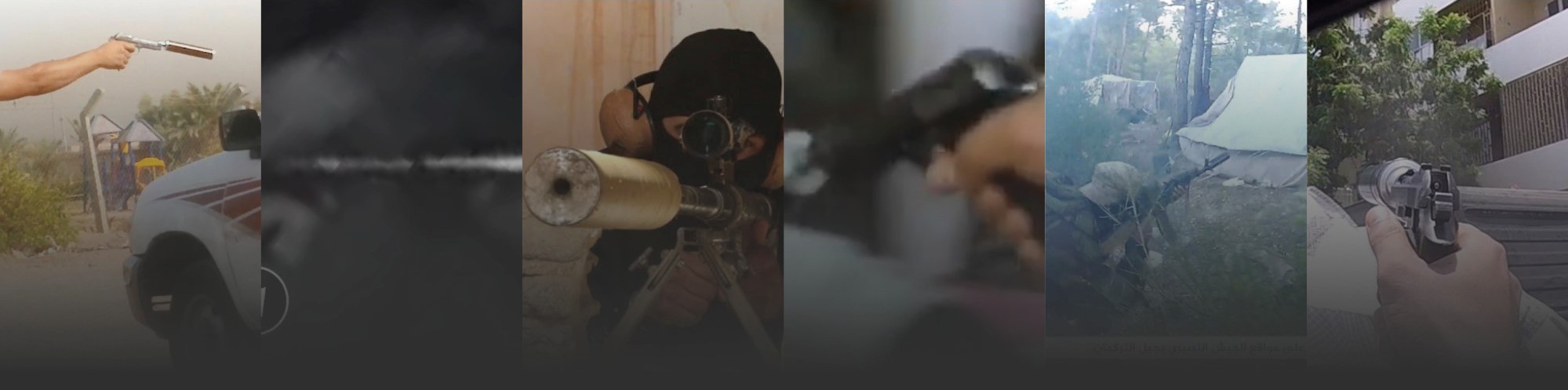
The use of suppressors by various actors should be viewed not through the technical lense of their attributes and calibers, but rather the broader strategic realities that lead to suppressors being of use to non-state groups, and their particular needs. As ISIS returns to destabilization and chaos-inducing efforts with its loss of ground and numbers, the use of attacks such as these will increase, as well as the use of suppressed weapons in them. This is also reflected in the YPG’s recent operations against Turkish/FSA forces in Afrin and surrounding areas- attempts to degrade the operational control of their opponents. This trend may be down to observe of ISIS’ successful use of this model of operation, but either way looks to be effective. Suppressed Pistols and IEDs look to be a large part of both of these campaigns, with ISIS in particular reverting to this tactic against multiple foes, HTS most recently, alongside more conventional attacks. The YPG has also shown suppressed medium range “sniper” operations, though in the western sense this looks closer to DMR use. It’ll be interesting to observe these trends when the coming Idlib battle(s) happen- will Rebel and Islamist groups revert to more insurgent-style tactics such as these? If so, we can expect to see more suppressors in use and a greater insight into their design and capabilities.

The uses of a suppressor (Typically in pistol calibers) when in the hands of insurgent or militant hands are multiple; a suppressor obviously reduces sound signature, which will reduce the speed and accuracy of any potential interdiction or counter-operation, and means that an operation using firearms can remain covert. If removing outposts, isolated small groups or sentries is the goal of the operation, then use of suppressors means that the chance of detection is lower. Another use is very close range, such as the executions indoors we see ISIS carry out. Suppressors also greatly remove muzzle flash and make militants harder to see in low light conditions, again meaning night time or evening operations can more effectively use the element of surprise and remain undetected.

A forum participant nicknamed “Obaid al-Baghdadi” recounted an attack by two jihadis on an Iraqi military barracks in the al-Saidia district of Baghdad where silenced weapons were used prior to an unnoticed withdrawal. “They perpetrated the operation quietly. The [other Iraqi soldiers] didn’t find out the two were shot until lunchtime. May God grant the two jihadis heaven and beautiful virgins,” says al-Baghdadi.

Jamestown.org, 2008

If the physical advantages of suppressor use in covert operations are clear, then there is another important factor- morale-wise. The idea of suppressors being a “James Bond” type of device remains very strong across the world- it’s commonly believed the continuing restrictions on their purchase in the United States (Remaining an NFA item) are at least partially down to the image of them being a whisper-silent assassination device.

The thought of a silent assassin stealthily picking off lone or isolated outposts cannot be discounted as a useful attribute for these groups, particularly when attempting to gradually erode the territorial and societal control of a state over an area (Who are probably using conscripts), cannot be discounted, even if the actual reality is that suppressors merely make pistol shots less detectable not whisper-silent. A covert operation using multiple pistol caliber weapons (Such as the MP5, and Pistols) follows a similar approach to those carried out by Western SOF, and is sure to mean an increased response time from the adversary, be it a state or a rival group.

The use of suppressors in the case of their use on the Battlefield is different to their use in a covert fashion, but their benefits are just as evident, if not more so.

“There are virtually no instances where an ambushed unit actually sees the enemy,” Scales, a Vietnam War veteran, said. “Both sides shoot at flashes and sounds.”And most firefights are at night.
If a soldier’s weapon is quieter than the enemy’s, and the enemy can’t see the muzzle flash, the soldier has the advantage, Scales said.

This quote is from this great article from the Military Times in the context of the United States Marine Corps and Army expanding the use of suppressors, but it does apply to their use by irregular forces too.

It later touches on the use of communication, too. The use of suppressors greatly enhances the ability to communicate coherently without raising the voice dramatically- if the attackers are carrying out covert assassinations, then this certainly assists with interrogation and coordinating the operation. I have yet to find any reliable source on the exact amount that improvised suppressors can actually reduce the sound signature, but assuming a similar Db reduction to commercial suppressors (Indeed, observing ISIS’ manufacturing process, this seems entirely possible) of 20-35 Db, they would certainly be effective for this. The video first touched on in 2012 shows this clearly. Firing an unsuppressed weapon indoors can cause permanent hearing damage. Sound waves rebound in the close confines of buildings, sending them directly back and onto the eardrum. These very close circumstances can be an ideal application for a suppressor to keep this to a minimum. However, I believe this is a minimal application in our context, as unsuppressed weapons are used very very commonly by all actors in Syria, Iraq and similar theatres. Overall, suppressors merely add a higher time for the opponent to detect, respond to and neutralize, especially if they are badly or barely trained, such as the SyAA.

An important question is the implications for the West and other Counter-Terror organizations and the capabilities of actors they are likely to face. Urban Battlefields like those seen in Raqqa, Mosul and so on pose challenges that are decidedly different to the slower-paced, longer range combat that western forces have enjoyed recently, with the technology gap now closer than before, though most combat remains at range. How Western troops deal with multiple high-intensity Raqqa-style battles is outside of the purview of the author, but the use of common, effective suppressors in kill holes and CQB simply add another difficult angle to targeting irregular opponents. The use of suppressed rifles in fast assassinations such as those shown by HTS against the Assad Regime in Latakia show an effective and rapid ability to cause costly damage and to erode overall perceived control of an area. Though we are yet to see this kind of tactic and equipment in wide use against Western forces, and Western forces are likely to have superior perimeter control and procedures, this tactic will only become more defined over time.

Credits:

Assistance: @JakeHanrahan, @ShakiraSecurity, @HKamaan, @AbraxasSpa, @iBRABO_com

Translation: @Mortis_Banned, @AlMasalim13

I am very new to this, having been inspired by many on the OSINT/Weapon ID/etc scene on Twitter. Many thanks to all of you- (Too many to list!) for providing such useful information and a real window into so many conflicts and peoples across the world.

Sources:

Please @ or message me on Twitter for sources/urls for screenshots/events etc.
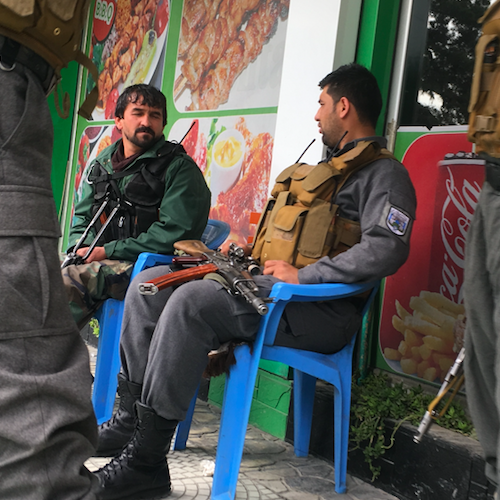
Small Arms Theft Kabul Edition (Again)

Tolo News has recently reported on a small arms theft from within the Interior Ministry’s headquarters compound in the northern part of Kabul by the international airport. This comes after another major small arms theft that occurred in March of this year. From the news report-
The office has received documents against 14 officials of the ministry over the loss of 105 AK-47 guns, 18 missiles, 80 mortars and 5,000 machine gun bullets.

Two of those accused employees have fled, two of them are in detention and 10 others have been released on bail, Attorney General’s Office spokesman Jamshid Rasuli told TOLOnews.

The nomenclature appears to have gone through some translation confusion when it comes to “missiles” and “mortars”. Kabuli Police certainly don’t use mortars so it would appear that missiles might mean RPG-7 launchers and mortars might be the PG-7 rockets for them. Machine gun bullets might also be a bit of a confusion because why would a thief make out with 105 AKM rifles but no 7.62x39mm ammunition to go with? If indeed these are 7.62x54mmR “Machine Gun Bullets”? Either way, on the current black market those AKMs sell for over a thousand dollars a rifle.

Two significant thefts of small arms within the Ministry of Interior are certainly not good news. It would appear that both of these might purely be financially black market driven rather than the work of an insurgent organization such as the Taliban or ISIS-K. Either way, both involved internal cooperation and were not by a forced or armed nature of attack.

Recent Turkish Tactical Bolt Action Rifles of 2018

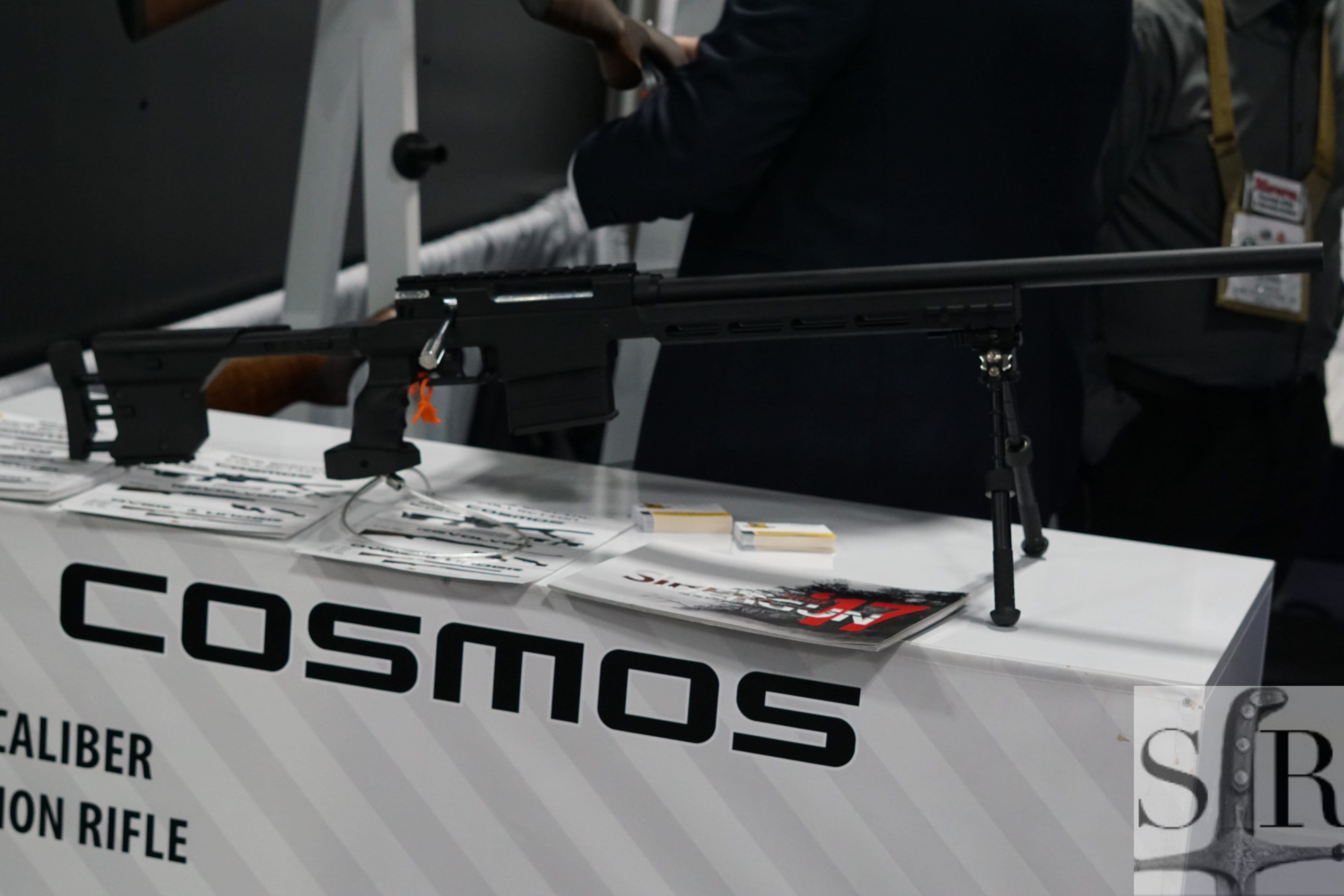
The Turkish bolt action rifles market is probably the most emerging segment of the country’s small arms industry. Every year, Turkish companies introduce new models of bolt action rifles designed both for the hunting and tactical applications. Earlier we reported about the Yazicilarav’s Cosmos bolt action rifle. Today we’ll take a brief look at two other Turkish bolt action rifles designed for the military/LE/tactical use.

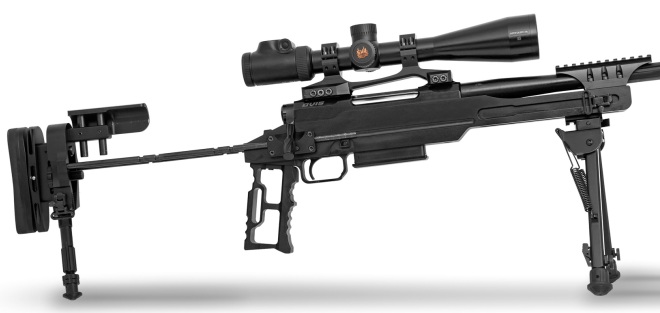
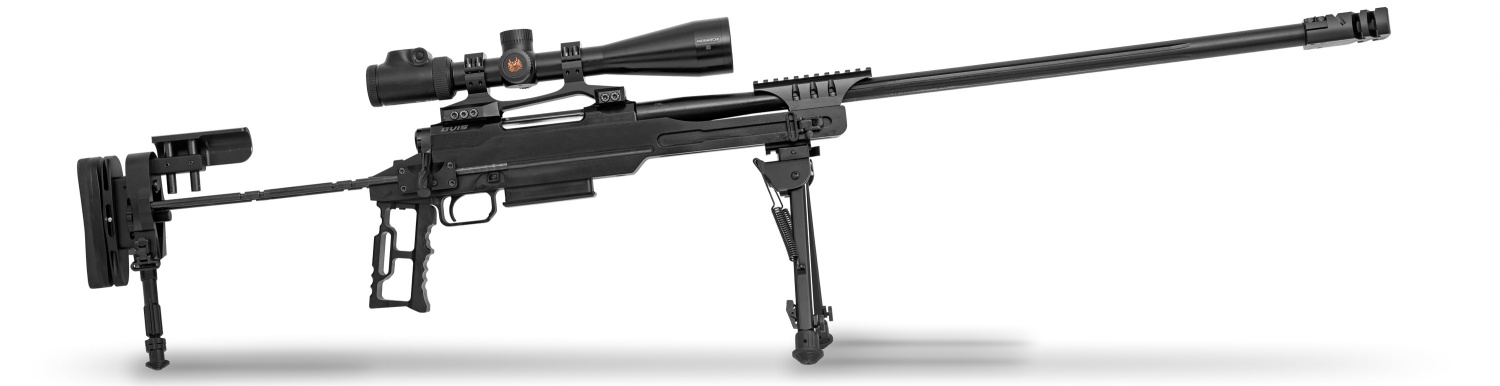
Huglu OVIS Tactical Black

Turkish bolt action tactical rifles (5)

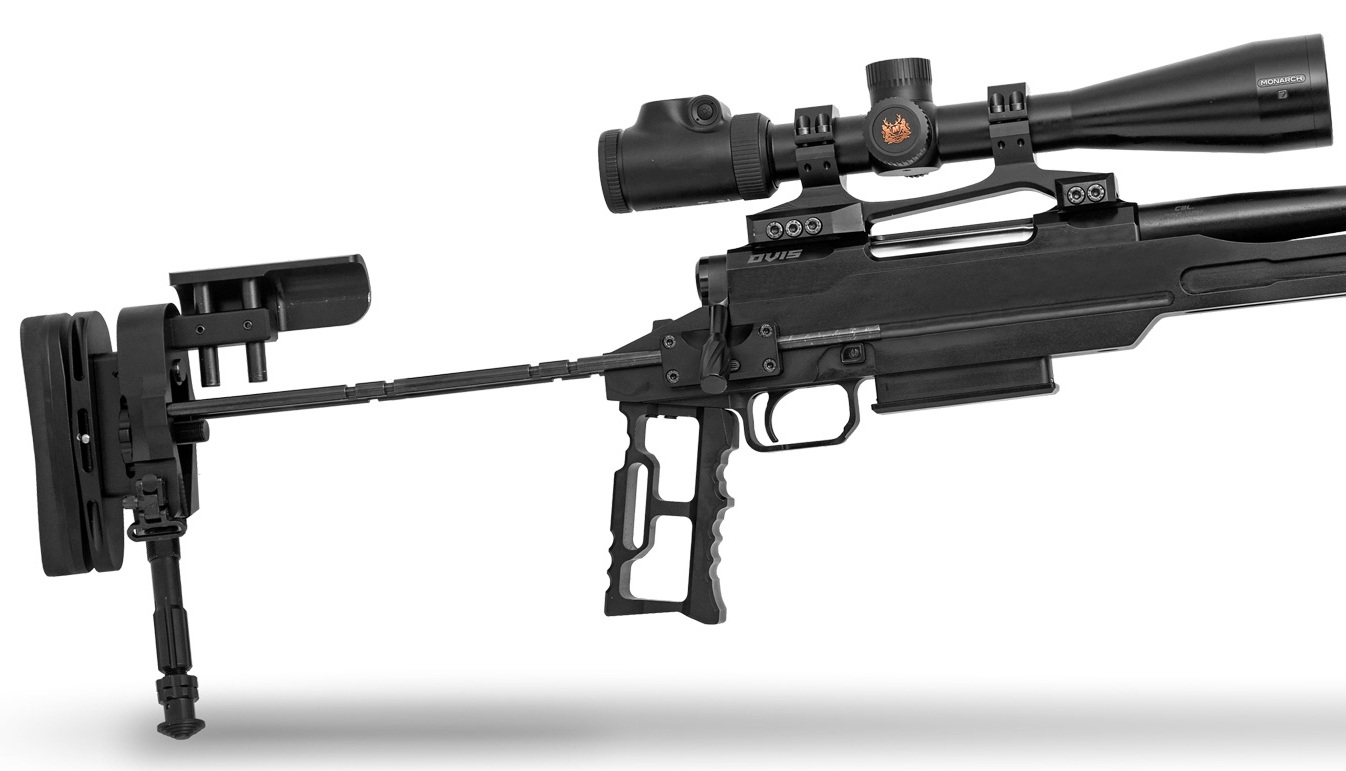
The OVIS Tactical Black rifle is designed by the Turkish company called Huglu. It features a skeletonized pistol grip, 6-lug bolt, adjustable trigger, collapsible wire stock, adjustable cheek rest and monopod. The rifle is chambered in .308 Winchester. It is fed from 5-round detachable box magazines. The free-floated barrel is 71 centimeters long (28″) and comes with an installed muzzle brake. The overall weight of this rifle is 7.5 kilograms (about 16 lbs 8 oz).

Turkish bolt action tactical rifles (7)

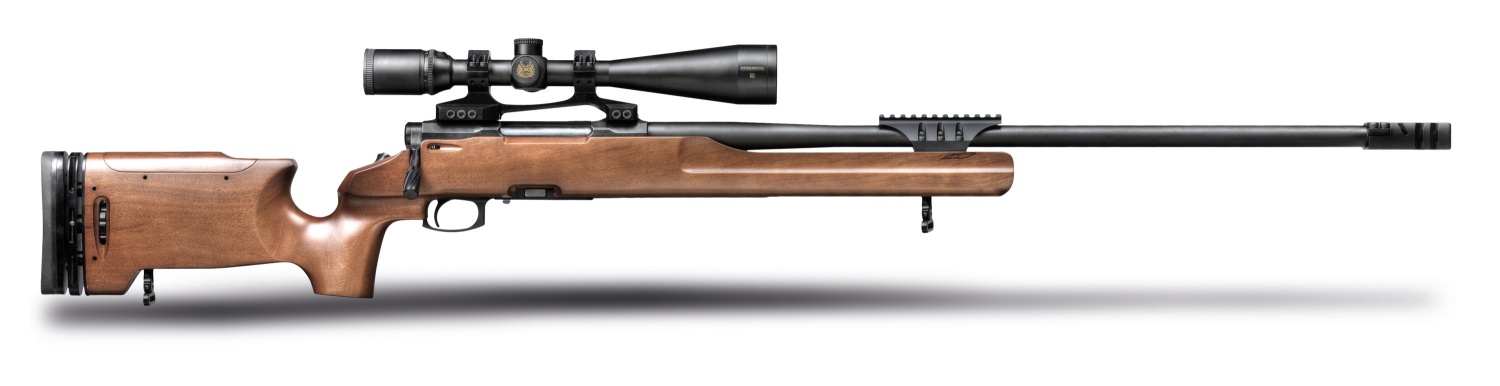
Hugku also makes a version of this rifle with a wooden stock. This iteration is called Huglu OVIS Tactical. You can see its image embedded below.

Turkish bolt action tactical rifles (4)


Ata Arms ASR308

Turkish bolt action tactical rifles (1)

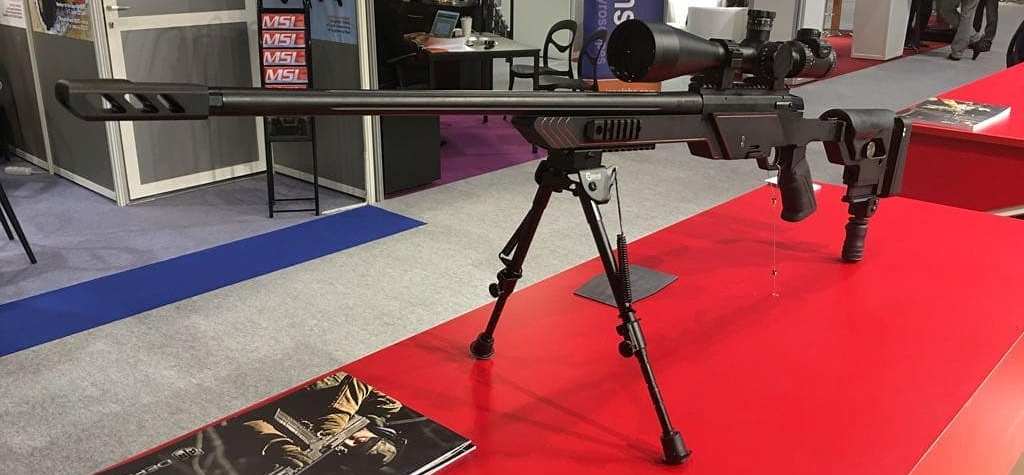
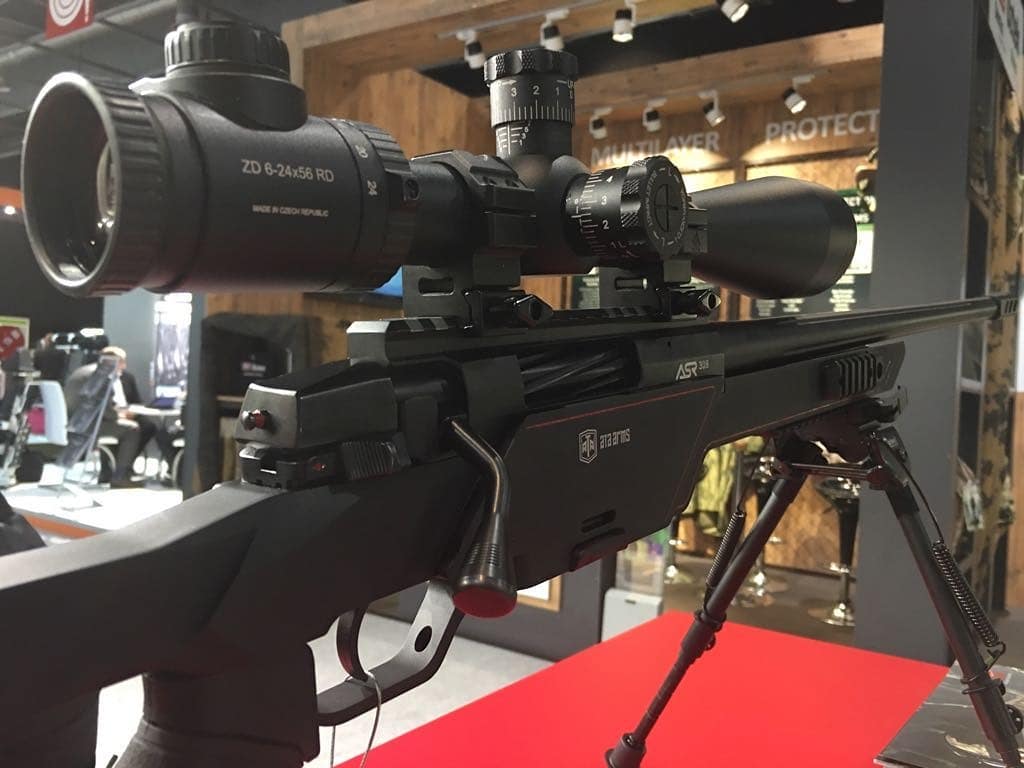
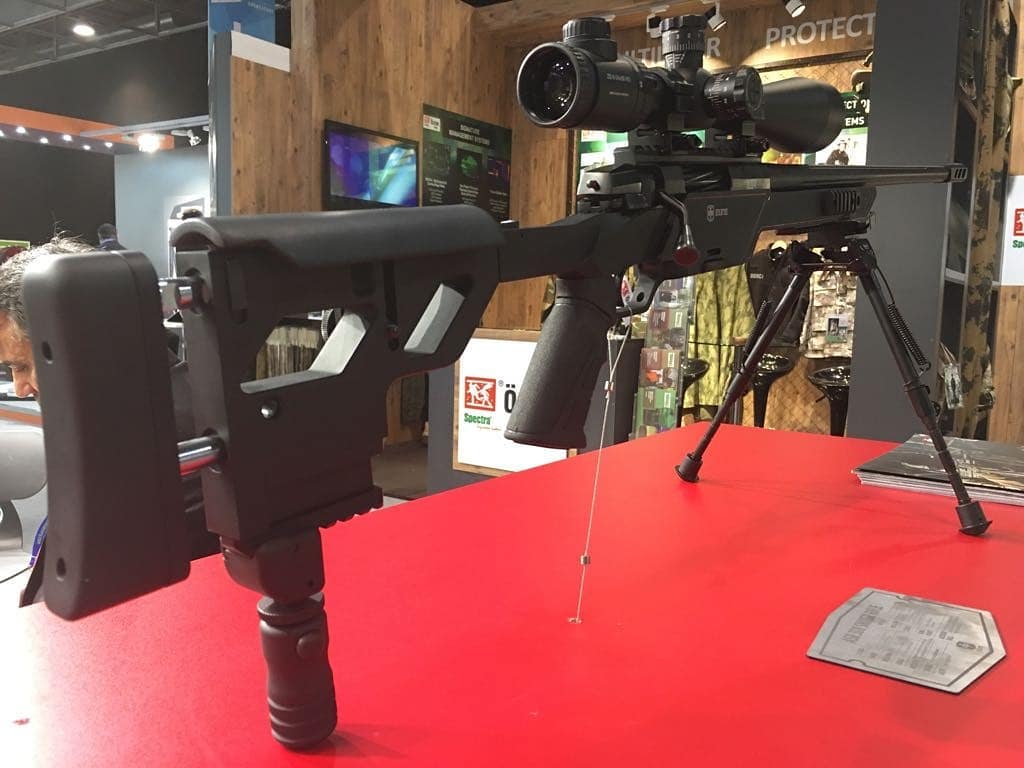
Another Turkish bolt action rifle made by Ata Arms was introduced at the recently held Eurostatory 2018 arms exhibition. Presumably, the action of the ASR308 rifle is identical to or based on the Ata Arms Turqua rifle.

Turkish bolt action tactical rifles (3)

Judging by the images published on the manufacturer’s social media pages, we can tell that the chassis of this rifle has a fixed stock with adjustable length of pull and cheek rest height. The barrel is free floated and has a three-port muzzle brake. The rifle is fed from detachable box magazines and it is most likely chambered in .308 Winchester. ASR308 has a Picatinny rail on top of the receiver for mounting a scope. There are also small rails located on 3, 6 and 9 o’clock positions of the forearm and another rail on the stock for mounting a monopod.

Turkish bolt action tactical rifles (2)


Images from www.huglu.com.tr, www.facebook.com/ataarmstr

Assorted Firearms Observed in Oman

This guest post was written by Christopher Cowan, an avid reader and supporter of Silah Report.

In reviewing material for an article about the Martini-pattern rifles I came across several other pictures I took unrelated to the subject of that article. These include several photos taken at the National Museum as well as Nizwa Sooq.

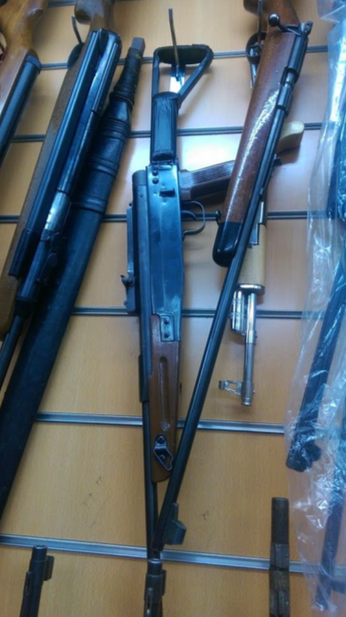
A Chinese .177 caliber BAM-3 airgun on display for sale at Nizwa Sooq. Possibly a Chinese airgunPhoto by author.
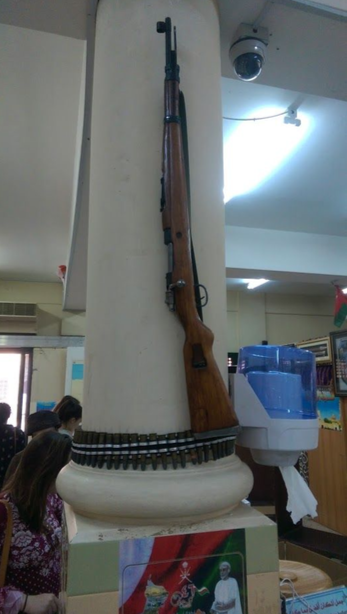
Zastava M48-pattern rifle on display in Nizwa Sooq. Note the non-corresponding Martini-Henry cartridge belt. Photo by author.
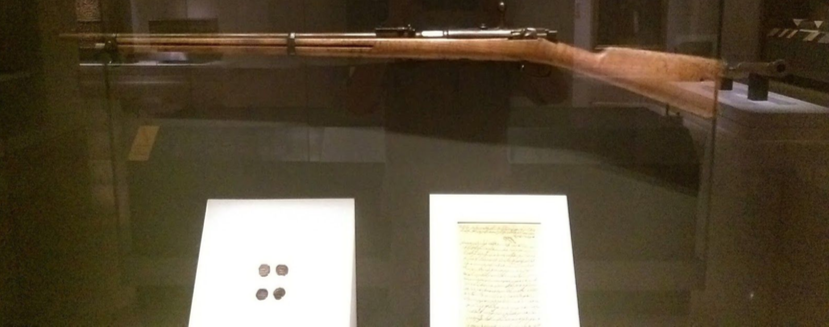
A Turkish Mauser Rifle Model 1887 originally produced in Germany in 1890 or 1891. Rifle features Turkish production markings and year according to museum description. Photo by author.
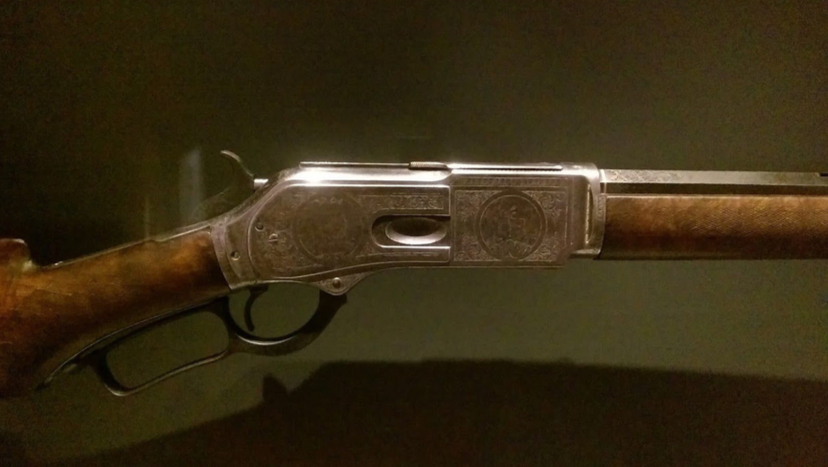
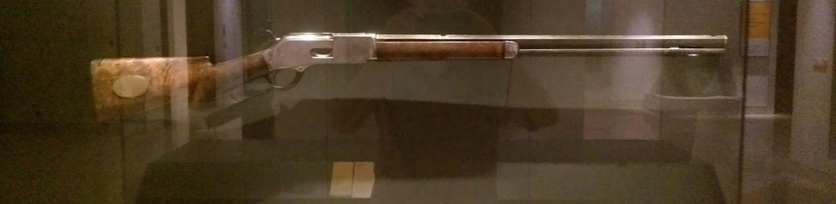
A Winchester 1876 Deluxe Model gifted by President Chester Allen Arthur to Sultan Sayyid Turki bin Said al-Busaied, Sultan of Muscat and Oman. According to the museum description, “the rifle features a nickel frame engraved with scenes of hunting and wild animals.” The rifle also features a walnut stock affixed with a brass label which reads “Presented by Chester A. Arthur President of the United States to His Majesty SEYUD TOORKEE EN SEYOUD Sultan of Muscat in token of friendship.” Photo by author.
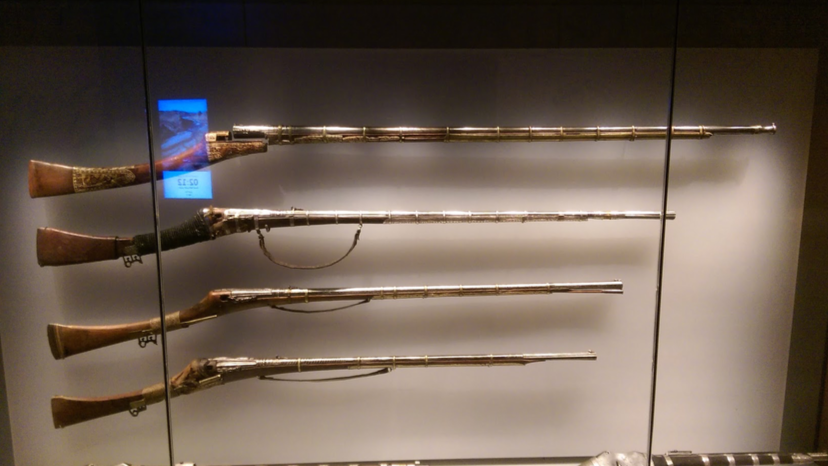
Assorted patterns of matchlock muskets. Photo by author.

The Voice of the Gun in Central Asia

This guest post was written by Marcello Fantoni, an avid reader and supporter of Silah Report.

“The question is not about the weapon, but the spirit in which you use it.”(1)

For those raised within the dichotomous paradigm of Westphalian war and peace, war is the end of sociability, the exhaustion of every social recourse. Likewise, when that war is over, and sociability is said to return the memories of fracture become encased in temporal and Cartesian distinctions, the material culture of conflict sequestered to the appropriate sterile cases in the vaults of armouries and museums. Yet, conflict is inherently and inescapably sociological (2). It is the birth of a new form of sociability, on the level of both the individual and the collective, and this is a relationship in which the material culture of conflict retains an agency beyond the moment of fighting itself. It is not a relic but becomes the assurance against repeat and symbolic of the new addition to the cultural history and citrisis of a society. We have seen time, and again that material culture is good for thinking, feeling and expression, even eating and drinking (3), but we must, however, remember that it is also for fighting.

Conflict and the conceptualising, organisation and negotiation of it are shaped by the society which engages in it, and the community itself in is turn influenced by it. Conflict and its material culture become inexorable parts of the society’s post-conflict identity, having a fundamental impact on the ordering of the post-conflict reality (4). In this change, the material culture which provided the means to act for the individual attains a symbolic position. It may bestow both a new social life and physical death. Through the analysis of how specific weapons have come to be identified with cultures and the role of conflict in that culture, we shall see that those weapons are far more than the nefarious amalgamations of elements, but intrinsic parts in the development, manipulation and organisation of a society from both the emic and etic perspective. The thick sociological (5) description of the tools which both create and destroy sociability. The voice of the gun.

In Central Asia and the Caucuses, firearms have become ingrained in the identity of societies, for many as a response to the years of oppression under successive regimes, but also as part of customary law and social differentiation. But, the adoption of these weapons also reflects the rebirth of an often constructed martial tradition and ideology which often idealises of a fictive golden historical age as a central rallying point for future conflicts. Military traditions are written deep into their histories, and those histories are contained in the weapons which come to symbolise them. In Chechnya and Dagestan, the APS Stechkin machine-pistol has replaced the Shalt Kama traditional dagger and is illustrative of the independence movements of the 1990s and early 2000s as a high-status prestige item linked to the presidential guard of Dudayev and Maskhadov. But, its concealability also reflects the banditry which was born of those same conflicts. For the ethnocultural group of the Cossacks, the traditional Nagaika whip now serves side by side the AK-74M as their identity as an irregular military force is becoming ever more tied to their exploitation as the Russian State’s ready supply of disposable mercenaries and the new Tsar’s enforcers (6). For the cultures of the Northwest Frontier, the AK-74SU and Glock pistols as prestige pieces have usurped the venerable Enfields and Jezails, reflecting both the recent history of the region since 1979 and the preferences of FATA’s ever more discerning customers. Yet, constants remain, the Kukri of the Gurkha and the Kirpan of the Sikhs. Though, for both the colonial manipulation of the, as a “martial race” was born of their use of the 1856 Enfield rifle, which set them apart from the bulk of the British Indian Army who revolted in 1857 over the rumour that the bullets were lubricated with the fat of pigs and cows. Abhorrent to Muslims and high-caste Hindus, but not to the Gurkha and Sikhs.

Through the analysis of the social function and conceptualisation of weapons and those who use them within Central Asian and Caucasian societies, we shall see how they have become inexorably linked to both the past and present of a culture and how it is viewed internally and externally.

Marcello Fantoni can be reached at Marcello.p.a.fantoni@gmail.com

Sources

______________________

(1) Thoreau, H. D. 1860. The Echos of Harper’s Ferry.

(2) Richards, P. 2005  (ed) No Peace, No War: An Anthropology of Contemporary Armed Conflicts. Oxford: James Currey.

(3) Douglas, M. and Isherwood, M. 1979. ‘the world of goods’. London: Allen Lane.

(4) Hallpike, C. R. 1973 Functionalist interpretations of primitive warfare, Man (n.s.) 8/3, 451-70

(5) Geertz, C. 1973. ‘The interpretation of cultures’. New York: Basic Books.

(6) RFE/RL. 2018. Cossack Fighter Laments Russian ‘Utilization’ Of Mercenaries In Syria. https://www.rferl.org/a/syria-Russian-mercenaries-cossack-shabayev–interview/29056934.html. Retrieved 03/05/18.

Suggested Readings.

•    Jersild, A. 2002. Orientalism and empire, North Caucasus Mountain Peoples and the Georgian Frontier, 1845-1917.  McGill-Queen’s University Press.

•    Bourgois, P & Scheper-Hughes, N (2004) ‘Introduction: Making Sense of Violence.’ In Scheper-Hughes, N & Bourgois, P (eds) Violence in War and Peace: An Anthology. (Oxford, Blackwell, 2004)

•    Lee. E. W. 20110. Warfare and culture in world history. New York University Press.

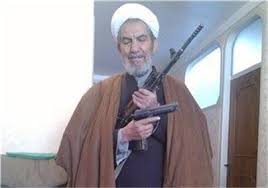
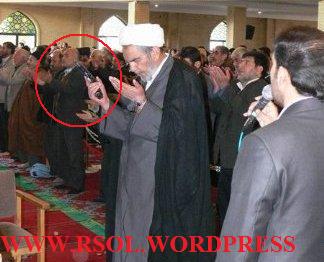
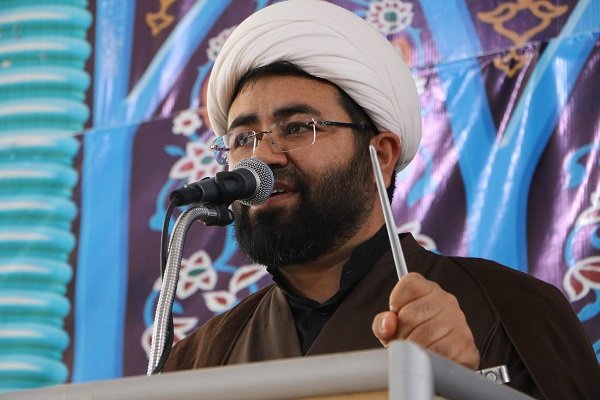
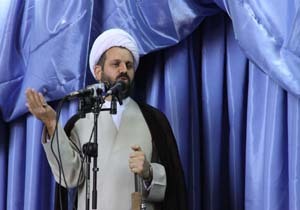
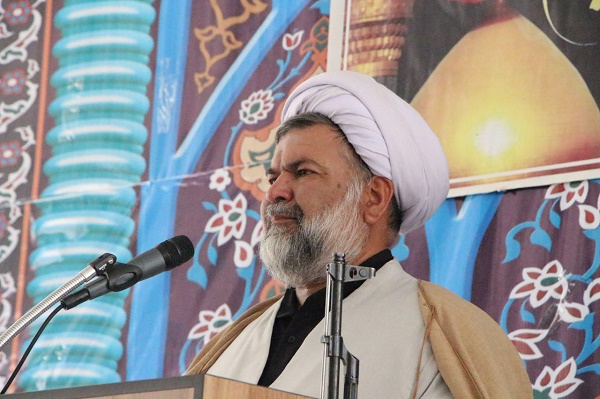
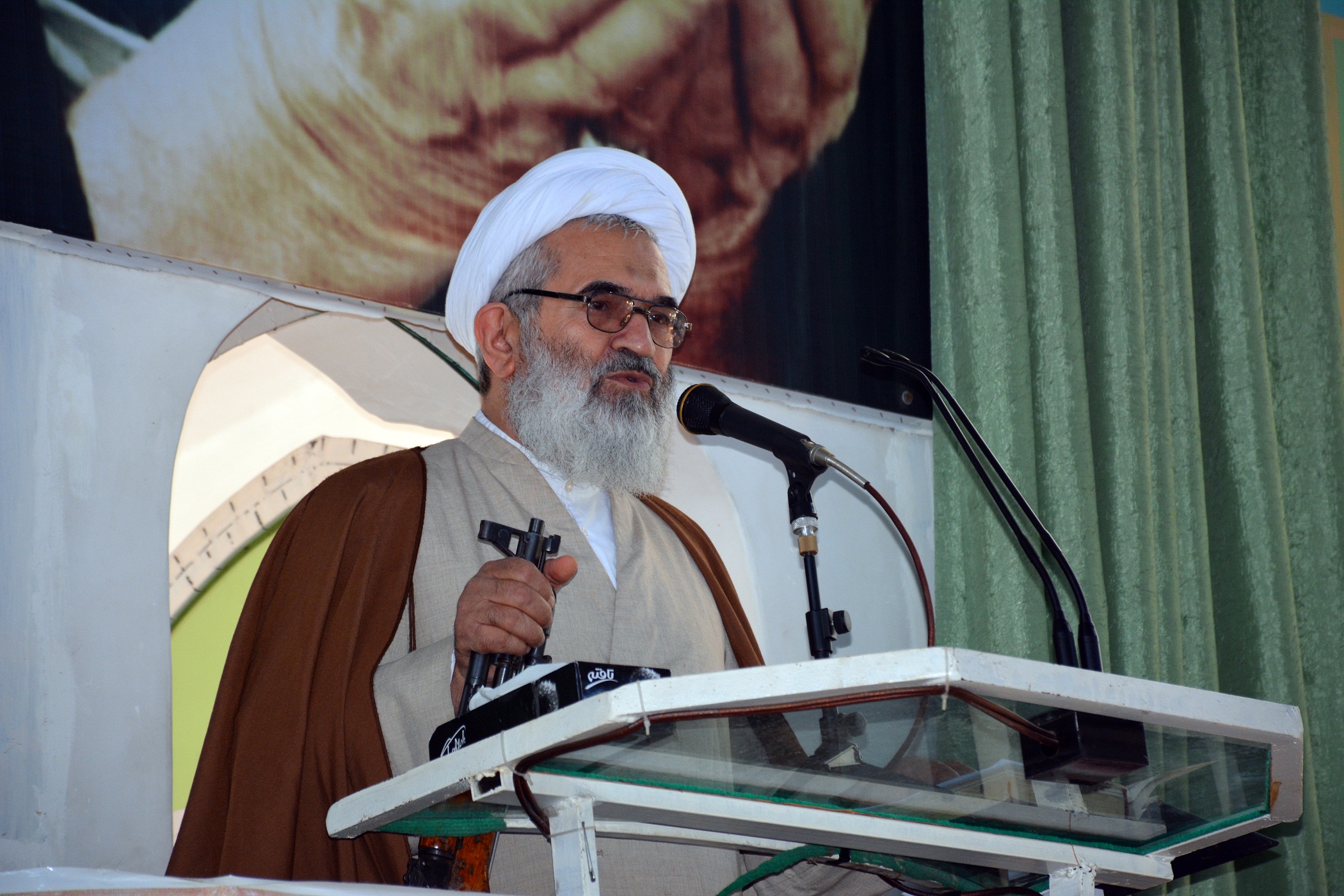
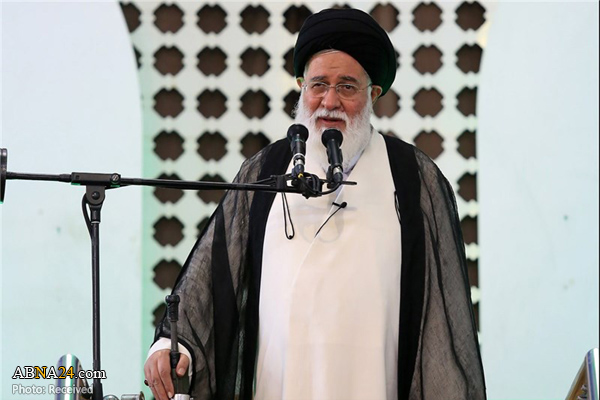
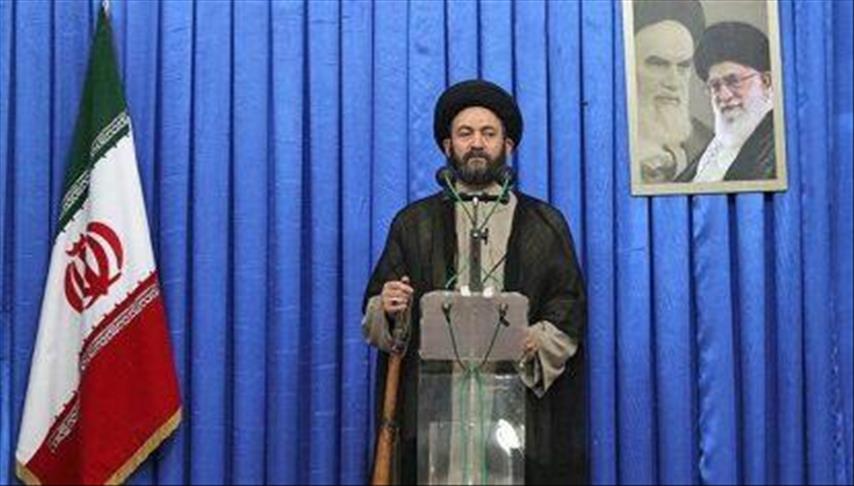
The Odd Case of Iranian Imams Holding the “Weapon of the Day” During Khutbah Prayer Sermons

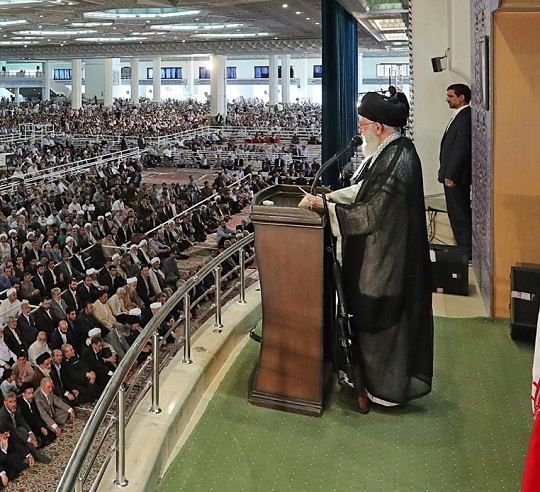
In a previous article on Silah Report authored by Ali Parsa and generously donated by him from his website Aliparsa.com, Ali specifically mentioned an interesting practice done by Iranian Shi’a Imams during Friday Khutbah Prayer services. Imam’s in Iran are known to hold on to various rifles while giving their Khutbah sermons. Ali mentions that this comes from a Sunnah of the Prophet Muhammad (ﷺ) where it mentions that the Prophet always held the “Weapon of the Day” while giving his own sermons. Going into a little searching I found this paragraph on Islam QA that gives some background behind this-

In a tradition recorded by Imam Abu Dawood, it is narrated that the companion, Hakam bin Hazn Al Kulfi (RA) said, ‘We witnessed Juma with the Prophet (SA), and while standing (to deliver the khutba), he was leaning on a staff or bow. (Abu Dawwood – Chapter of a person who delivers a khutba and leans on a bow). Based on this narration, scholars have stated that holding the staff while delivering the khutba is commendable, as it was a practice of the Prophet (SA). In this regard, the great jurist, Allama Shami recorded the following: – ‘Certainly taking the staff is a Sunnah just as standing’. (Raddul Mukhtar).

Now, I’m not nearly as versed in the Sunnah as Iranian Shi’a clerics, but in this instance it makes no mention of a “Weapon of the Day”, which Imams in Iran appear to interpret as meaning whatever primary weapon is issued that is used to defend the Islamic Republic of Iran. That is certainly one interpretation of “Weapon of the Day”, perhaps similar how a “Uniform of the Day” is in many armed forces regulations around the world informing troops what uniform to wear. The explanation above refers to a “Staff”, which the Prophet appears to simply mean something to lean on, gain physical support from, and show to emit a sense of authority in front of a congregation. We have similar examples of Prophet Moses’s staff and there are other religious texts that reference a staff as well.

A key note to mention here is that this practice is only adhered to in the Islamic Republic when it comes to gripping actual firearms during the Khutbah sermons. It doesn’t appear to even exist in other Shi’a dominated countries or countries under Iranian influence to the extent that it does in Iran.

Now, going back to sort of the entire reason why Silah Report exists (apart from general small arms & light weapons analysis), is that we serve to make sense of these cultural phenomena when it comes to the intersection of small arms and the regions we are interested in. A prime example is this Blaze post in 2015 that is entitled “Can You Spot What Iran’s Khamenei Was Holding During His Speech on the Nuclear Deal? The Mainstream Media Ignored It”.

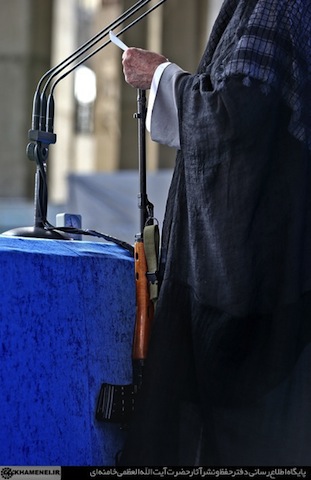
The post goes to great length to try and psychoanalyze the geopolitical ramifications of Imam-i-Khamenei gripping what is most likely a Chinese export copy of the 7.62x54r mm SVD Dragunov marksman rifle.

The article mentions that-

To drive home the point, the supreme leader’s official website posted a close up photo captured from beside the podium of the gun which even showed the magazine jutting out

…

But the most potent sign of all reflecting his message – the gun balanced under his left hand holding his speech notes – was left unmentioned.

It’s unlikely that if the speech had been given by an American or any Western politician that this scene setting detail would have been overlooked, especially given the hotly debated issue of guns.

The AP’s website had this photo of Khamenei holding the gun, but it was not mentioned in the copy in the accompanying article

By now, I hope readers of this article will realize the odd stance that The Blaze is taking on this Dragunov. Of course the Iranian media didn’t mention it because this is in fact actually a completely routine practice done by Imams at every organizational level throughout the religious hierarchy in Iran. Should the Iranian media have thoroughly mentioned the microphone in front of Imam-i-Khamenei’s face as well?

Now, this post isn’t to slander a conservative news outlet for getting something wrong. Any viewpoint from any source at all that is worthy of correcting in a cultural, historical, or social light will be equally scrutinized. This one just so happened to stand out as a prime reason why we at Silah Report are dedicated to our jobs at hand, to fill this void of historical and cultural knowledge by analyzing the technical with the cultural.

For more information on other Imams holding small arms during sermons, check out this Farsi language post on the topic, literally discussing what certain Imams prefer to hold during their Khutbahs.

From the post, in Farsi-

به گزارش پارسینه، برکف گرفتن سلاح توسط امام جمعه، سنتی است اسلامی که ریشه در صدراسلام دارد، نمادی از آمادگی دفاعی در برابر دشمنان اسلام حتی در محراب و محل نماز، بعد از پیروزی انقلاب اسلامی، مرحوم آیت الله طالقانی که با حکم امام خمینی، احیاگر سنت نماز جمعه بود، بار دیگر این سنت اسلامی را زنده کرد. آیت الله طالقانی در برابر پیشنهاد برخی از انقلابیون که به وی پیشنهاد کردند از شمشیر به عنوان سلاح خطیب امام جمعه استفاده کند، این پیشنهاد را رد کرد و “سلاح روزآمد و مدرن” را به دست گرفت.

در اوایل انقلاب اسلامی، سلاح ژ-3 تفنگی بود که امامان جمعه تهران و شهرستانها در حین ایراد خطبه جمعه به دست می گرفتند که در سالهای بعد، اسلحه از رده خارج “برنو” جای ژ3 را گرفت.

در میان ائمه جمعه، آیت الله حسنی امام جمعه ارومیه به داشتن سلاح های متعدد از جمله کلت و گرینوف در نماز جمعه شهرت دارد و معمولا بر خلاف ائمه جمعه دیگر از سلاح کلاشینکف در محراب نماز جمعه استفاده می کند.

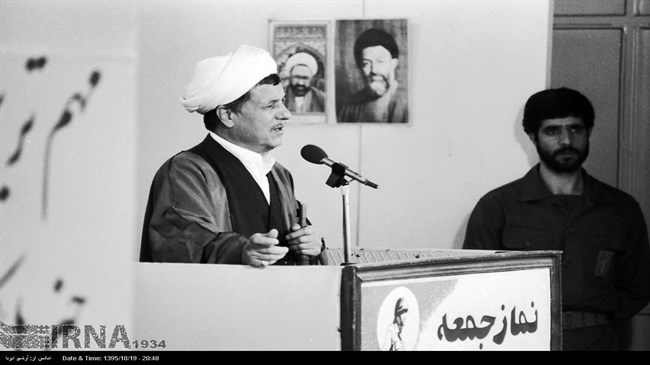
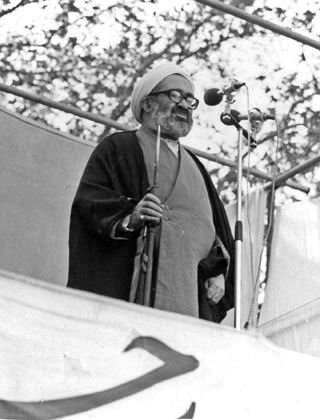
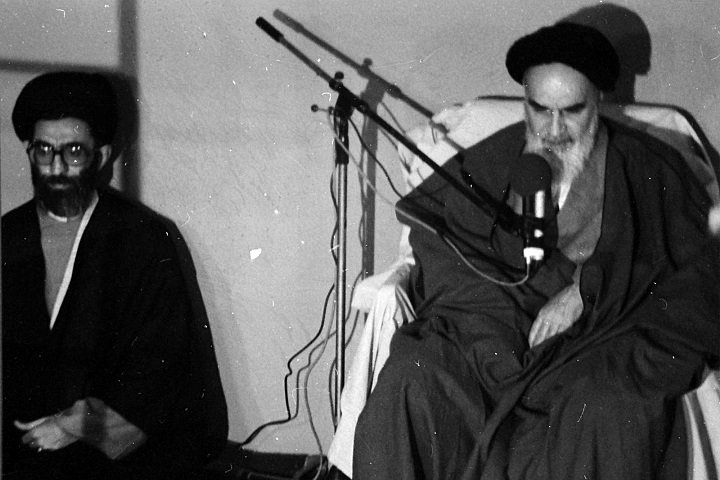
As a quick sidenote by scanning photographs online, it doesn’t appear that the initial Supreme Leader of Iran, Imam-i-Khomeni adhered to the practice. Although it should be noted that senior Imams during his time did partake in it, as evidenced in the black and white photographs above.

Yazicilarav’s Cosmos Bolt Action Rifle at SHOT 2018

The relatively small Turkish company Yazicilarav brought out their Cosmos bolt action rifle to SHOT 2018 this year. The commercial rifle is chambered in .308 Win and .223 Rem. It also comes in a “Camo”, “NATO Green”, or “Black” finish. Although it is marketed as “Multi-Caliber”, this only appears to be in product offerings instead of a true multi-caliber interchangeable barrel. The operating mechanism is very simple, appearing to be a Mauser action, utilizing front bolt lugs to lock the action in place.

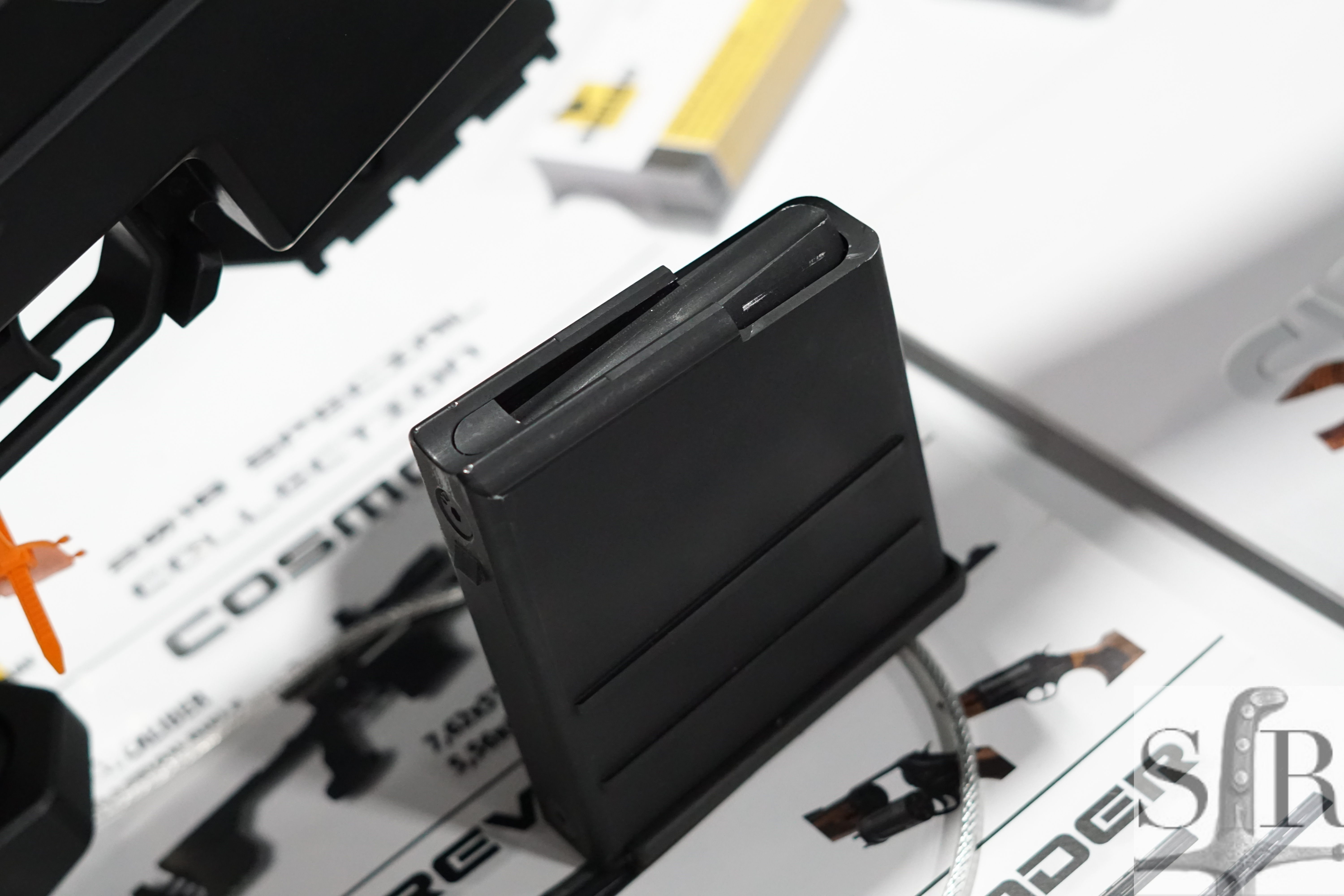
The detachable magazine has a polymer body and uses an ambidextrous magazine release.

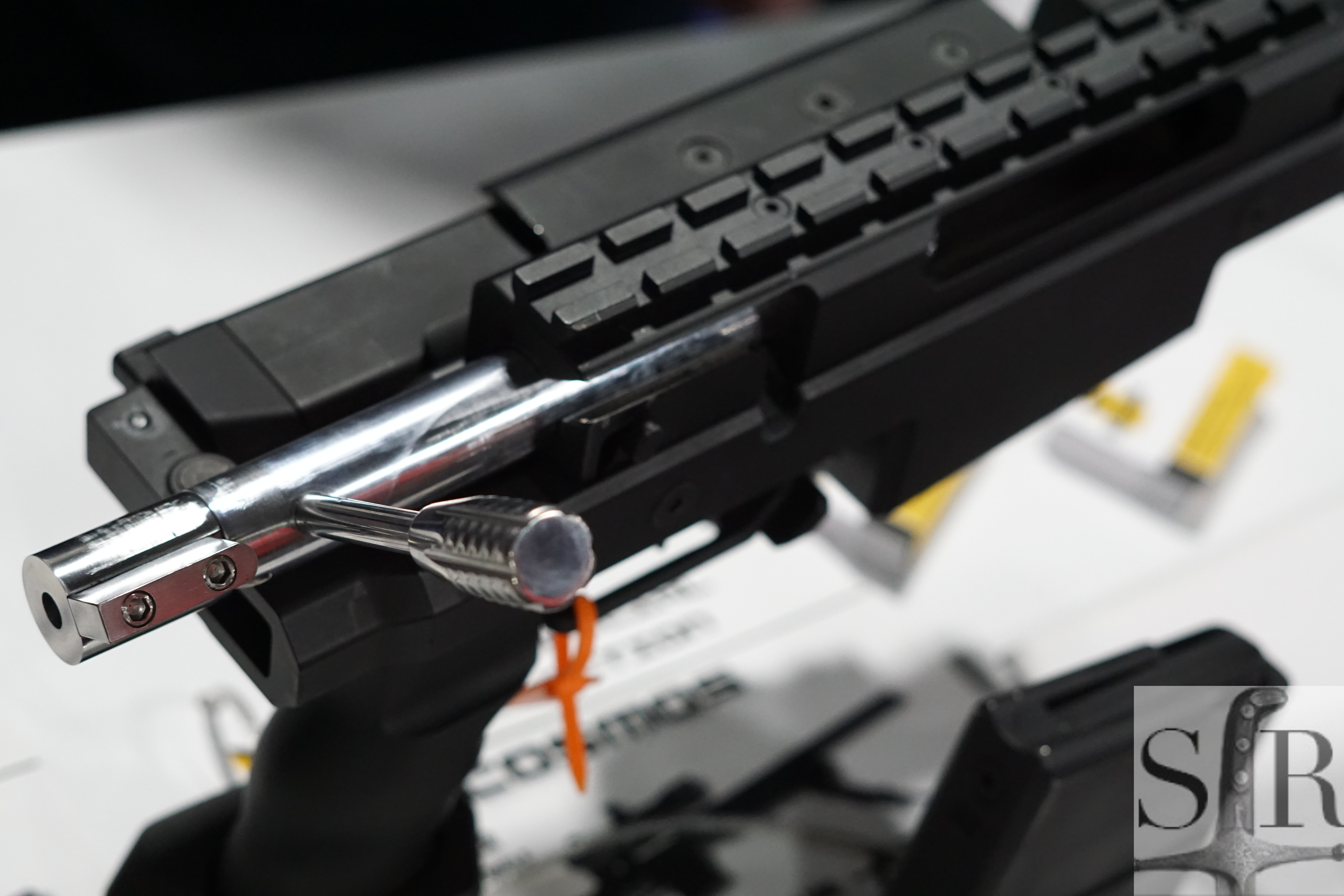
The bolt has a 90-degree throw, has a knurled handle, and is highly polished. The stock can collapse to the left side of the rifle.

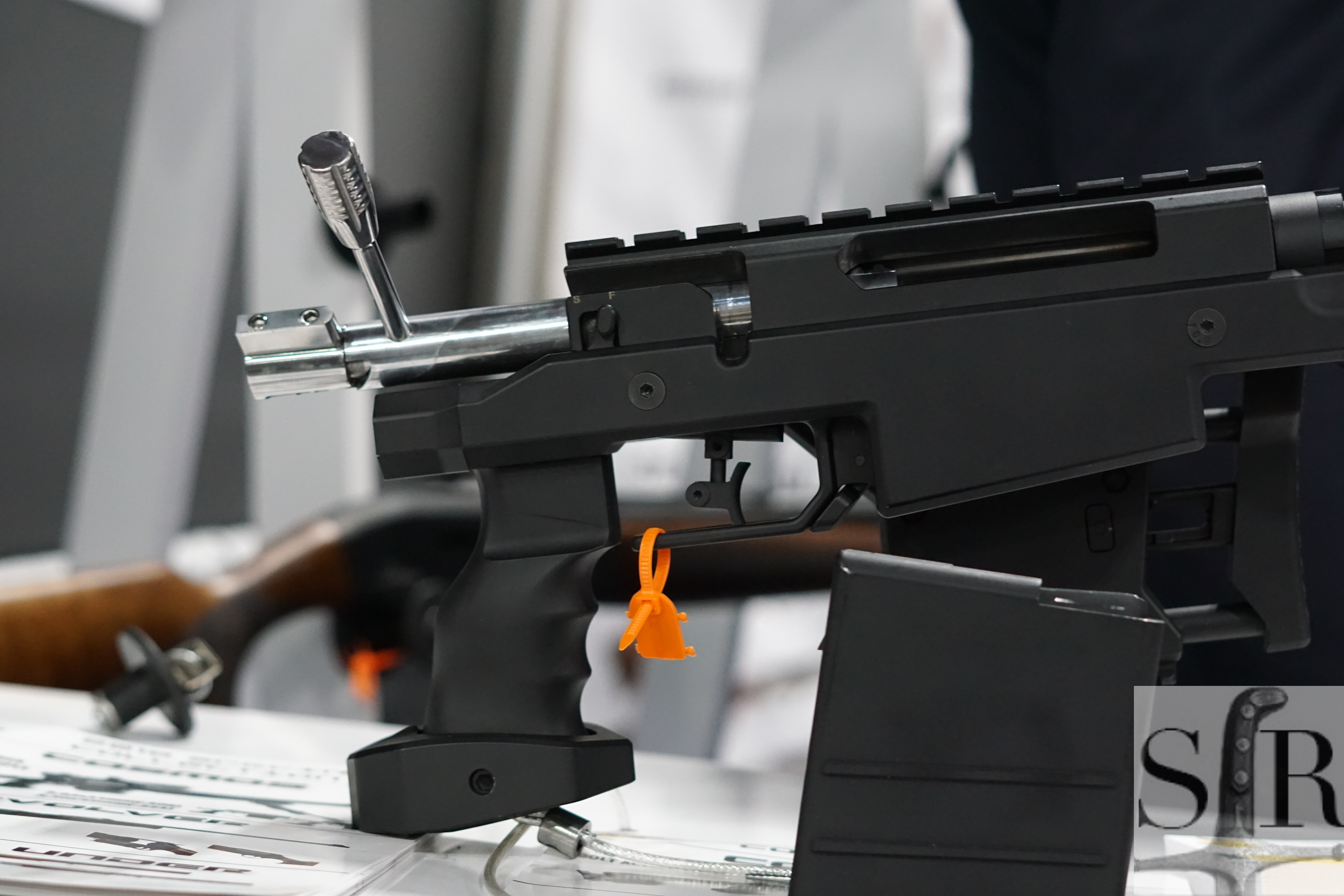
Note the adjustable trigger shoe and the safety. Also note the PSG-1-esque pistol grip.

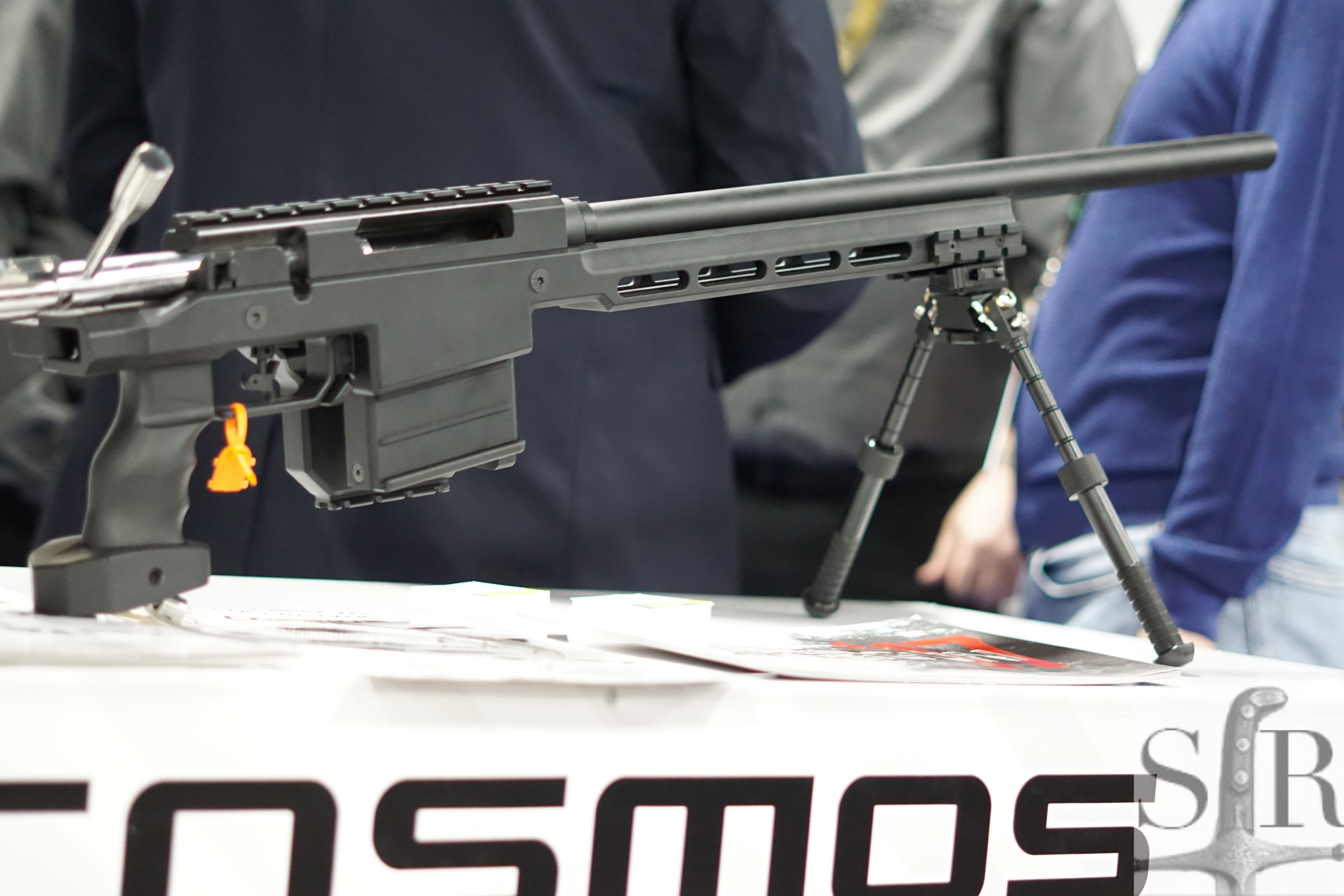
Notice what appear to be M-Lok similar or possibly compatible rail inserts on the handguard, and the Atlas bipods attached to the rifle.

Kral Arms at SHOT 2018

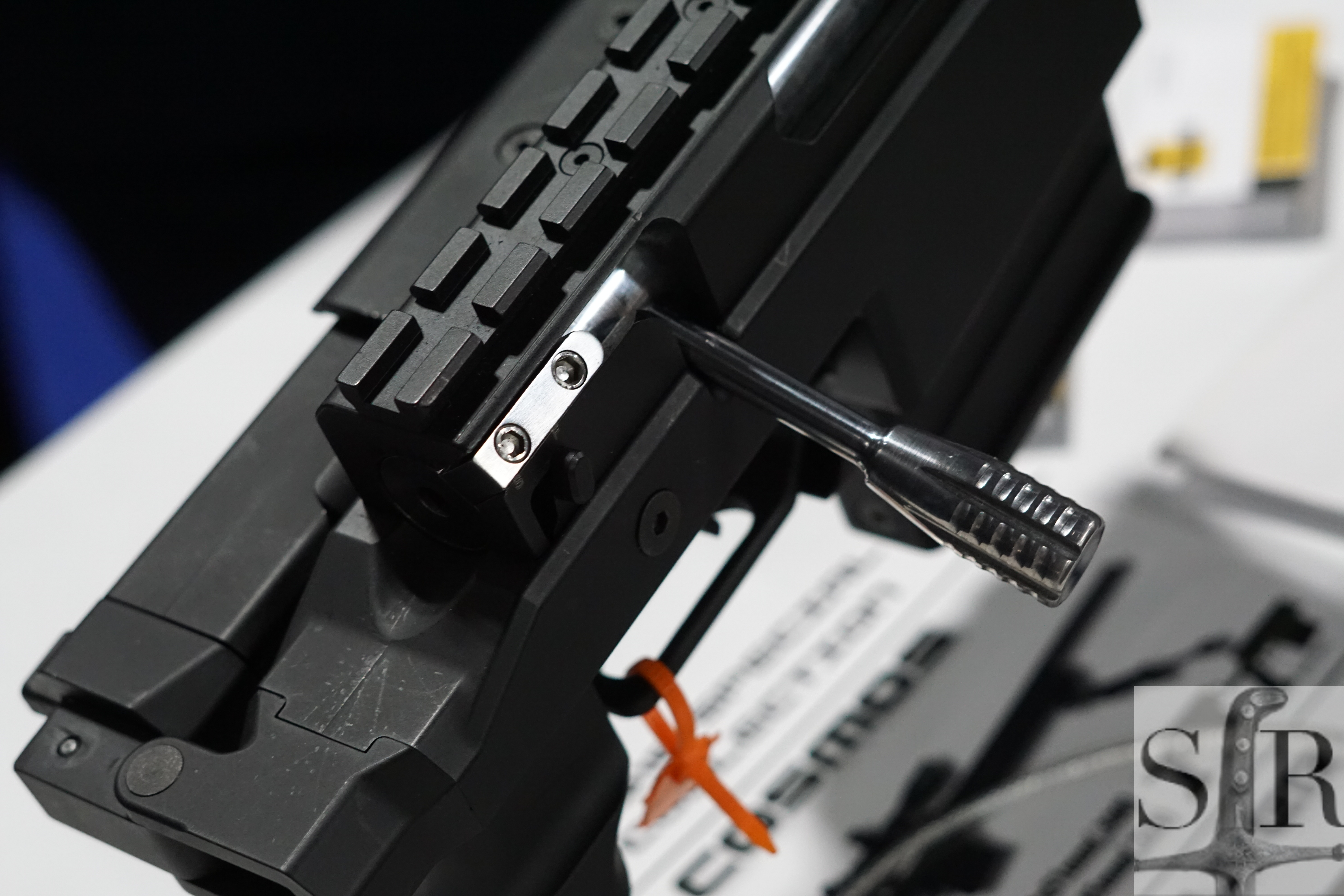
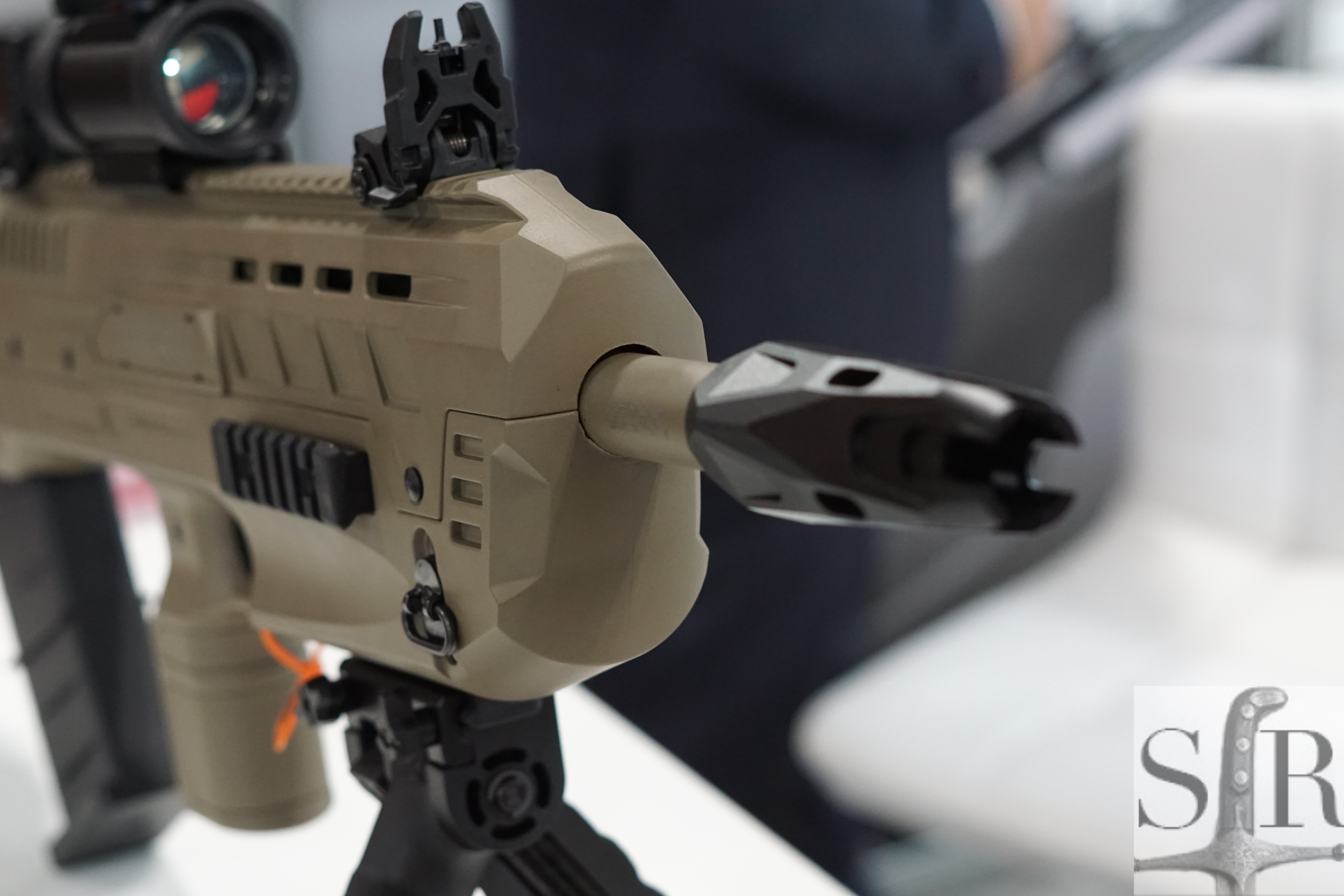
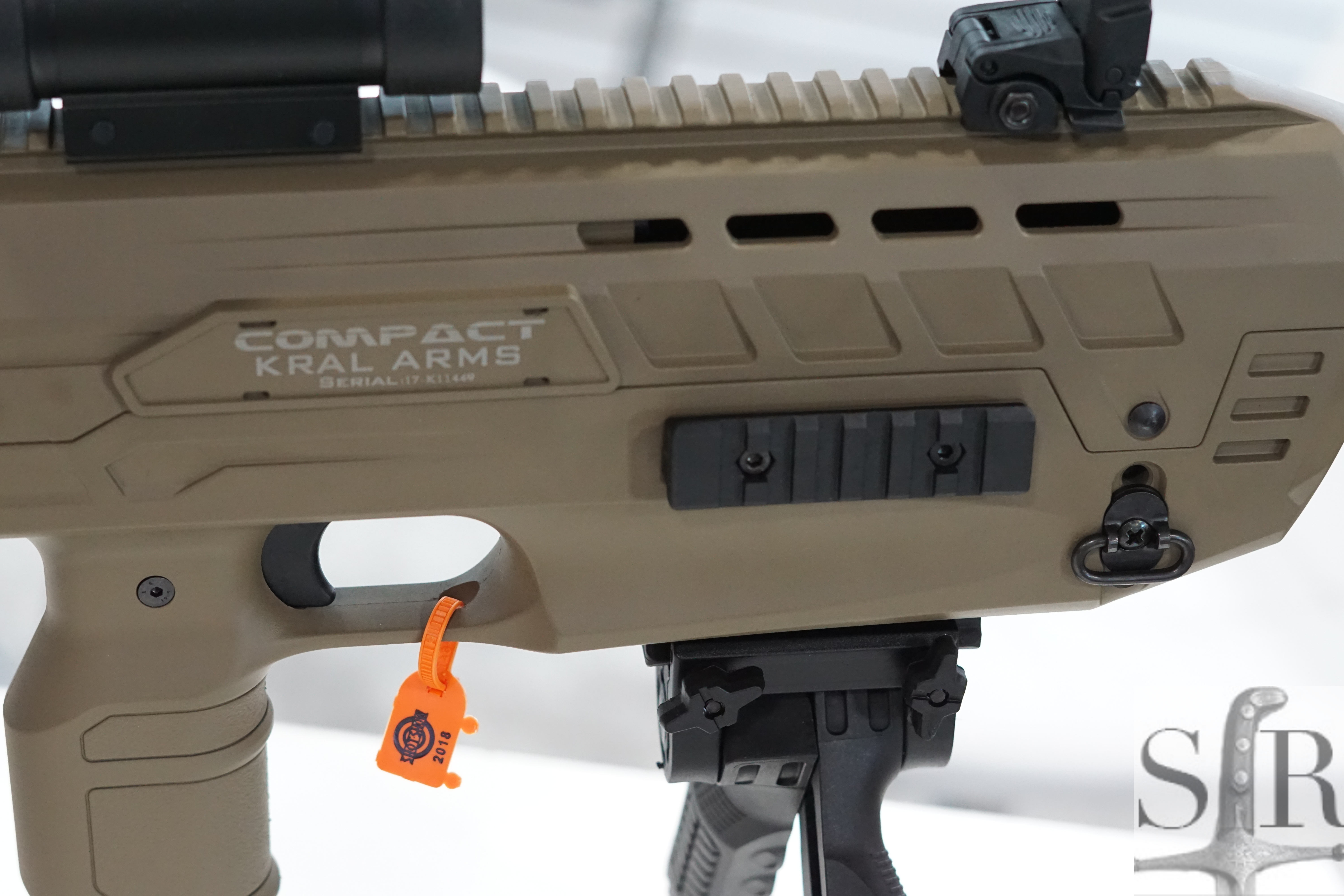
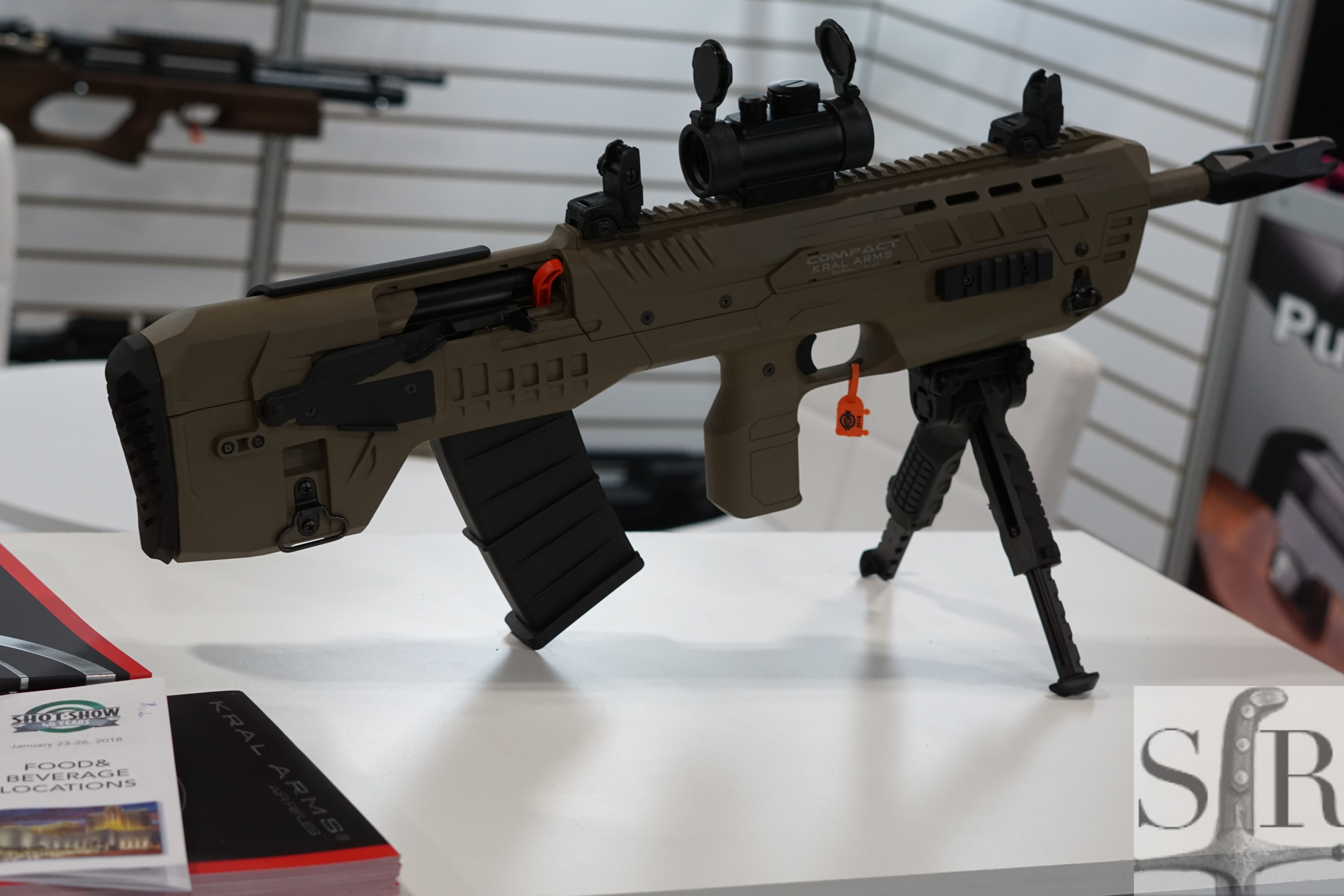
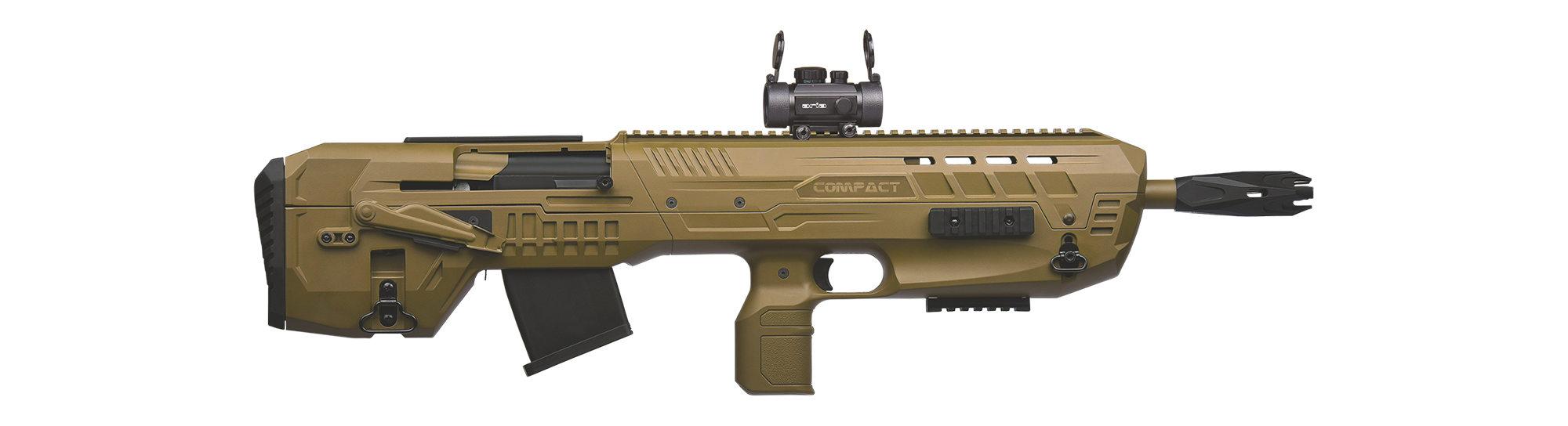
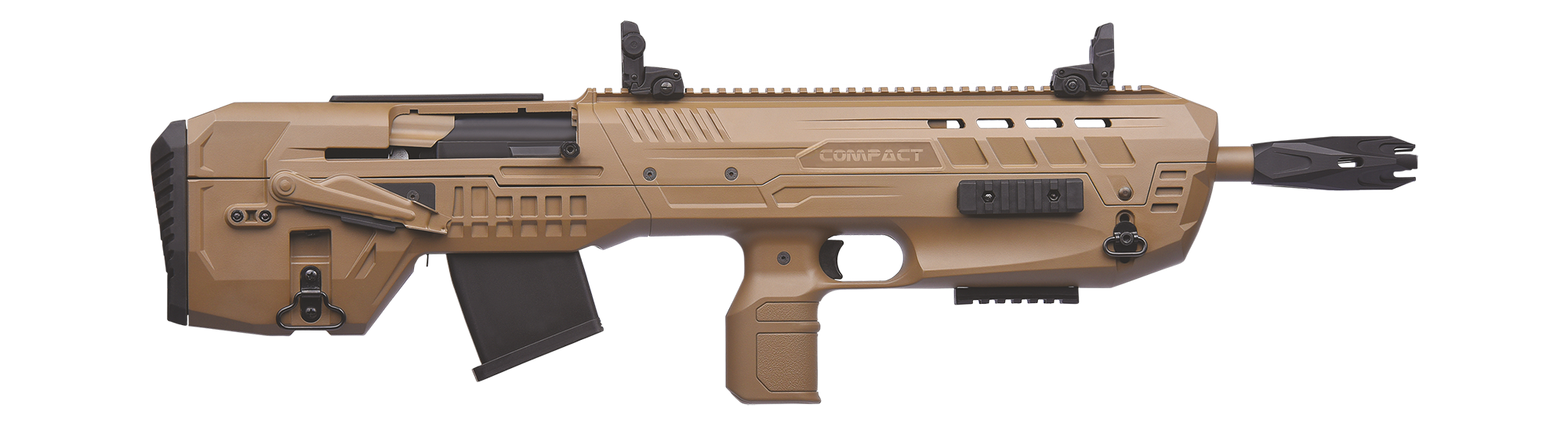
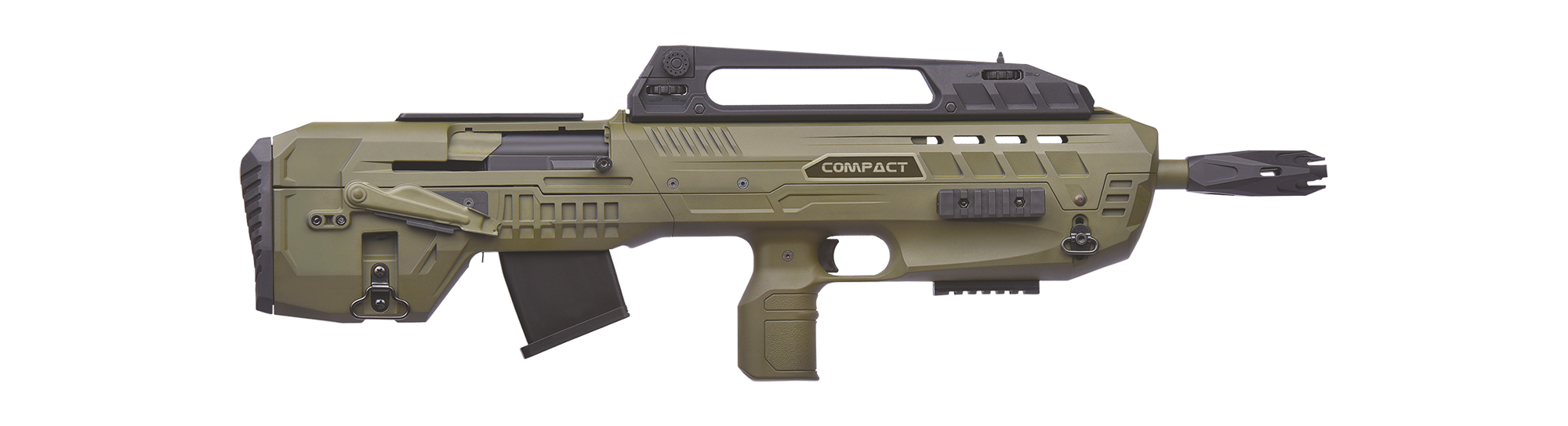
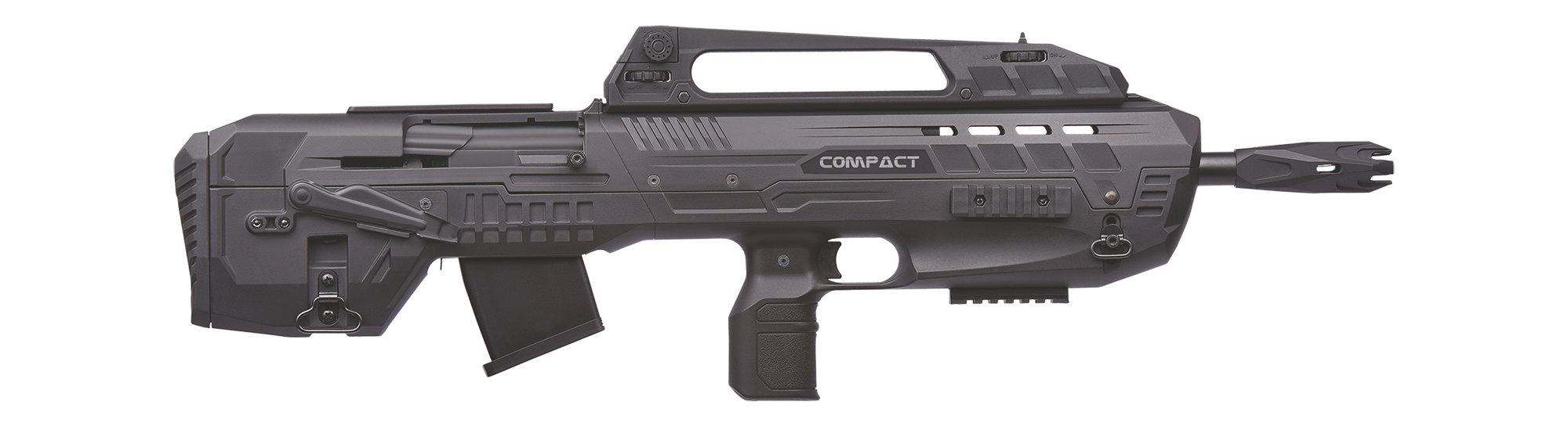
Kral Arms brought out their “Compact” 12 Gauge bullpup semiautomatic shotgun at SHOT 2018 this year. Essentially the “Compact” is the companies previous 12 Gauge XPS Kalashnikov patterned shotgun fit into the polymer frame of a bullpup. It retains the safety lever externally. There is a trigger bar that extends to the Kalashnikov trigger mechanism in the rear.

The shotguns are offered with red dot sights, plain BUIS sights, or an improvised A2 handguard that extends the entire length of the Picatinny optics rail. Magazines offered are either a 2, 5, and 8 shell configuration.

There are four available finishes: Black, Burnt Bronze Cerakoted, Dark Earth Cerakoted, and OD Green Cerakoted.

Specifications are as follows-

  • Caliber

    12 ga

  • Choke

    Tactical Muzzle Brake

  • Chamber

    76 mm

  • Body

    2 + 1/5 + 1/8 + 1 3 Magazines Included

  • Weight

    3.90 kg

  • Length

    78 cm

  • Barrel Length

    47 cm

  • Trigger Range

    41.5 cm

  • System

    Magazine Feed Shotgun

  • Stock

    Tactical Polymer Body Kit

Krinkov: A Pashtu origin

This article was first published with The Firearm Blog on January 18th, 2016. It has been republished on Silah Report with permission of the author.

“Krinkov”, where does it come from and how have we gotten to it? There are a number of theories about it, some truer than others, but we’ll examine each one, and I will provide what I have come up with so far.

The first theory is that it is Russian. At face value, this could seem true, by simply hearing the word “Krinkov” to a non-Russian speaker, it might sound Russian. However, this is by far, not the case at all. Tim from Military Arms Channel has an excellent dialogue on this, explaining that the Russians have an entirely different nickname. I’ll take an excerpt from Maxim Popenkers site, World Guns:

 Since its introduction the AKS-74U, unofficially known as a “Ksyukha” (variation of a Russian woman name) or “okurok” (cigarette stub)

In addition from Max’s book Assault Rifles, we have this entry:

Since its introduction the AKS-74U, unofficially known as a “Kysusha” (a variation of a Russian female Ksenia), “Suka” (bitch), “Suchok” (small tree branch) or “Okurok” (cigarette stub)

And this is Tim from Military Arms Channel, explaining some of that from the Russian side.

Tim is correct in his explanation of what Russians would call it, but the biggest problem I have with his explanation is that he completely dismisses the role of the Afghan Mujahaden, saying that it is a “nonsense word”. In addition, he speculates that maybe the first AKS74U taken off a Russian who was named Krinkov. The theory doesn’t hold any weight because for one, Krinkov isn’t a Russian name or in any sort of Russian vocabulary. Also, the fact that Pashtun speaking Mujahideen could speak or even read Russian is very, very rare, many of them being illiterate in their own language of Pashtu (illiteracy is an extremely large problem even in current day Afghanistan/Peshawar, and was much more so in the early 1980s). Furthermore, the circumstances of the Mujahideen capturing weapons from the Russians involved very little live prisoners. We’ll get into this in a bit as well, but for the overwhelming majority of the time, the AKS74U was issued to helicopter and armored vehicle crew members. Contrary to popular belief, the amount of Russians captured in Afghanistan during the war, and the amount of Russians fleeing to the Mujahideen side was extremely low as well. Most of the time, the only way Mujahideen could get their hands on Soviet equipment was through disabled vehicles wherein the Russian occupants would already be dead, or through the corrupt selling of Russian arms to the Mujahideen by either Russians themselves, or Afghan government troops.

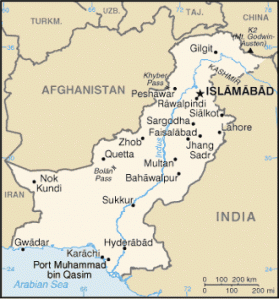
Most of the Mujahideen and Pashtun speakers that would have contributed to the name "Krinkov" would have been near Peshawar, and in the eastern regions of Afghanistan.
Most of the Mujahideen and Pashtun speakers that would have contributed to the name “Krinkov” would have been near Peshawar and in the eastern regions of Afghanistan.

The second theory is much more recent, but it originates from a gun shop in Naples, Florida. The shop was called “Krinks” and was run by a certain Paul Mahoney, who in the early 1990s was one of the first AK builders in the States to really take advantage of deactivated AKS74U kits, and put them together. The quality of them left much to be desired, but the fact of the matter is that the first mass producer of “Krink” kits in the United States was this guy Paul Mahoney with his gunshop “Krinks”. This might have certainly been one of the reasons why the name started to gain in popularity in the States, but it doesn’t help us at all in the actual etymology of the name.

My problem in the whole name origin is that we constantly see this theme of loosely attributing it to the Mujahideen, but yet there hasn’t been a single effort to get right to the source and really examine how that name might have even come about. Maybe it is ethnocentrism, maybe it is on account of laziness, maybe it is just accepting the status quo and not moving on. Either way, I’m going to present evidence that points to that fact that the name is actually a Pashtu word that has entered into our vocabulary, and is a testament to a twist in linguistics in the Pashtu language.

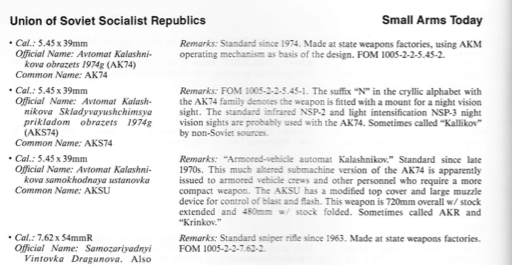
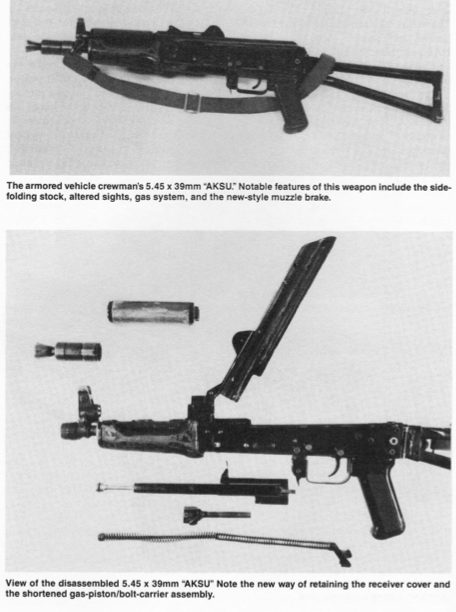
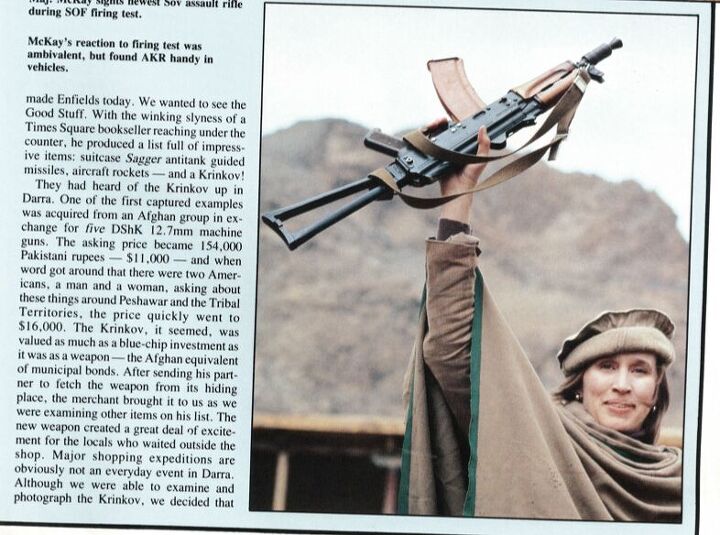
To begin with, we have to examine how the existence of this carbine became known about in the United States. I’ve often heard the claim that Soldier of Fortune magazine was the first entity to bring knowledge about the AKS74U, and even the AK74 to the West. I think this claim is more of a support for Soldier of Fortune’s reputation than any actual truth. Because just by looking at the facts, the famous Soldier of Fortune article that was run about the AK74 was in 1982, and the article about the AKS74U was in the July 1984 edition of the magazine. Looking at Jane’s Infantry Weapons from that era, and before, we see entries for the AKS74U, Sometimes labeling it as an AKSU 74, an AKSU and also as an “AKR”. This name most likely originates from Ian V. Hogg, as he was tied in with various intelligence circles at the time, that somehow came up with AKR. We still see this name in 1989, with Edward Ezell’s book, Small Arms Today.

Screen shot 2016-01-14 at 1.55.10 PM
Above is from Small Arms Today, and below is from “The AK47 Story“, both by the late Edward Ezell. Above he refers to it as the AKR/Krinkov, and below the “AKSU”. Both published in the late 1980s

Screen shot 2016-01-14 at 1.56.16 PM

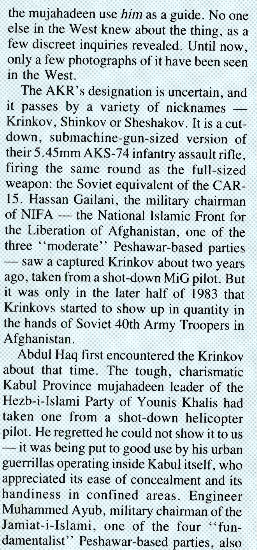
But going on to who actually deserves the credit of “discovering” the AkS74U, we have a sentence from the July 1984 edition of Soldier of Fortune, in which David Isby does an entire article about reviewing this new carbine, while he and an American Army Major are in Pakistan. He claims that initial knowledge of the carbine is from Ian Hogg, who in turn heard about it from a certain Peter Jouvenal. This guy was a video journalist, who has been in and out of Afghanistan since the late 1970s, and is extremely important because he captured one of the only video shots of Taliban leader Mullah Omar in person.

Below is the text from the Soldier of Fortune article detailing the origins and name of the AKS74U.

Screen shot 2016-01-14 at 2.03.17 PMScreen shot 2016-01-14 at 2.03.29 PM

Peter Jouvenal, right, with Osama bin Laden.
Peter Jouvenal, right, with Osama bin Laden. Probably the actual “discoverer” of the AKS74U in the West.

Within the Soldier of Fortune article, David Isby takes the name from the Afghans he was with. However, he mentions two other names “Shrinkov” and “Shesakov”. These two names are also important, but because of the linguistics involved, I’ll get to that in a second.

As mentioned earlier, the difference between this article, and any other article on the internet, is that I’m going to the actual source of the name, which is from the Pashtu speaking peoples of eastern Afghanistan, and Pakistan. The name is not a “nonsense” word, it is a Pashtun word. I’ll start this off by showing a clip from a movie called Son of a Lion. Quite an interesting movie, it was made by an Australian EMT on his own dime, after 9/11, going to Peshawar and filming a storyline about a young boy who works in the arms trade but really wants to go to school to become educated. The culture and language displayed in the movie are phenomenal, but from a firearms perspective, it gives us an in-depth look at the arms trade in Peshawar. Apart from a few actors, the rest of the movie is completely shot amid the markets and daily life of the North West Frontier Province of Pakistan. There aren’t any “props” or staged settings. The locations are real, and so are the small arms portrayed. But in it, we have this one scene where the main character takes a “Krinkov” out to a customer to test fire it. He also mentions the connection with Osama bin Laden.

https://youtu.be/KzN1-M37RiY?t=17m40s

Now, to understand why the reference to Osama bin Laden was even mentioned, we have to understand a little behind why the AKS74U became prominent among first the Mujahaden, and then today among families of status. As mentioned previously, the weapon was only ever issued out to crew members of helicopters and armored vehicles. Contrary to popular belief, this wasn’t a favorite of the Spetsnaz at all, although it originally started out as a proof of concept for Soviet Special Forces. It was quickly ditched for the AKS74 because the longer barrel proved to be better in the vast distances that the Spetsnaz found themselves operating in. This from an interview that I conducted with Marco Vorobiev, a Spetsnaz Veteran of the Afghan war.

Miles Vining- I noticed in some of your talks that you don’t have much love for the AKS74U?

Marco- Well its alot of fun. Lets talk about it from a far away point here. The gun is a tool in a toolbox to complete a certain job. And the job could be a regular contact fight, lets say 500-400 meters, to include maybe clearing houses or compounds. So from that regard you want something small, maybe be able to use it in close quarter combat, something really, easy to handle, easy to maintain. Well that is fine, considering if you are a police officer going through a house. It shoots 5.45 as well, so thats good for wounding. On the other hand, as a carbine, you need to be able to hit targets out to 300 meters. You can do that with an AKS74, no problem, even with an M4. But the AKSU? You might if you spray half a magazine in that particular direction. But I even have one, I shoot it for fun, I get a big old smile on my face. It’s fun to shoot, it’s just like rrrrrrrrrrp, almost like a little toy so to speak. Mikal Kalshanikov himself told me that he loved it, although he was a very anti 5.45 guy, but he was a big fan of the AKSU for some reason. But you put yourself in an actual gunfight, with people screaming everywhere, trying to get comm up, you taste the metal of adrenaline in your mouth, and now you are trying to pick out targets in the distance… it’s really hard with that gun. We were always trying to get rid of it for the AKS74.

Thus, the weapon was strictly for crew members. And if we look at the context of the Soviet-Afghan War, the biggest hinderances for the Mujahideen, were the Hind attack helicopters, and the BMPs. In fact, if you look through Soviet photographs of the war, there is much evidence to attest to this, with helicopter crews even having thigh holsters carrying their AKS74Us. Thus, taking one of these monsters out of the fight would be one enormous victory for a small band of fighters, but more importantly, proving that you took one down would show everyone how brave or good you were. And what better way to prove it than to take a weapon that only these troops would have on them, an AKS74U? It not only proves that you were competent, but it also gives you something to defend yourself with. Even in the Soldier of Fortune article, we see just how rare and sought after these things were, even rising in price after word was passed around that an American was looking for one in Peshawar.

Screen shot 2016-01-14 at 2.31.47 PM

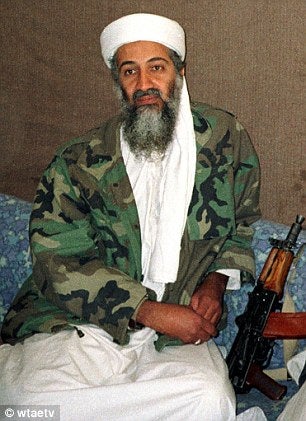
Now, Osama bin Laden claimed back to his Yemeni and Saudi buddies back home that he fought in the Soviet-Afghan War. But the actual truth of the matter is that he probably was never near any of the fighting, most likely staying in a rear echelon capacity, directing funds and supplies to the front (if he even did that). But, on his return to the area in the mid-1990s, we have a multitude of pictures of him, with an AKS74U by his side in the camera frame. This was very deliberate, to the point of the gun sellers in Peshawar even telling the customer that “This is the Osama gun”. Although Osama never took down a Soviet armored vehicle or Hind, the fact that he was carrying the carbine showed a status symbol, and he was able to identify much more easily with local Pashtuns who didn’t understand his Saudi background but absolutely understood his choice of weapon.

The placement of that AKS74U in the camera frame, is entirely on purpose.
The placement of that AKS74U in the camera frame is entirely on purpose.

Somewhat off track, but this is important to understand how the name came to be, because even today, the AKS74U occupies a very lofty position as a status symbol in eastern Afghanistan and Peshawar.

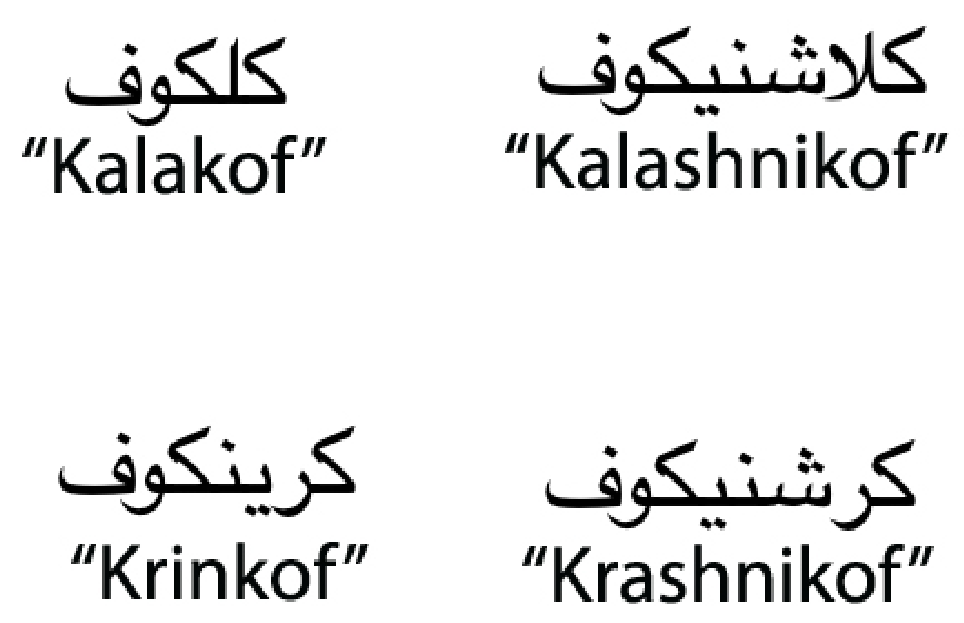
A close Afghan contact from Jalalabad mentions two names for the AKS74U, the first one which is popular in Jalalabad, is “Kalakov” and the second one is “Krinkov”. If you hear somewhat of an “F” sound at the end of the word, that is because there isn’t any “V” consonant in Pashtu, speakers instead using an “F” or a “W” sound to simulate a “V”. Now, remember what David Isby said the other names for the carbine were? “Shrinkov” and “Shesakov”? Using a little knowledge of the Pashtu language, the names pair up to be the same word. There are two dialects of Pashtu, the southern, or Kandahari, and the eastern, or the Nangahari.  So looking at this words, “Krinkov” and “Shrinkov” are actually the same word, just pronounced differently, while “Kalakov” and “Shesakov” are a little more different, but dropping the “la” sound, the words are also the same.

Screen shot 2016-01-16 at 6.05.48 PM
From the full form of the word on the right, going into the nickname for the AKS74U on the left, the differences between the top and bottom are in different Pashtu areas of speaking.

But how exactly did these words come about? As my friend mentioned, adding an “ov” to any word makes it Russian-ized in Pashtu. So that explains the last part of the word, and the first part is probably a bit of vocabulary added on, to signify the importance of the AKS74U as a status symbol. Because it isn’t just any old “Kalashnikov”, its a “Krinkov”, and you know I got it from that Hind I blew out of the sky a week ago. Another tidbit that my friend brought up after the camera was off, is that for some reason, in Jalalabad, the Pashtuns refers to the Kalashnikov rifle as that, a “Kalashnikof”. However, in other parts of eastern Afghanistan, the same name is actually pronounced “Krashnikof”. And this might actually be the truest jump to “Krinkof”, as going from “Kalashnikof” to “Kalakof” is very similar, as is going from “Krashnikof” to “Krinkof”. In both cases, the “L” in the first one, and the “R” sound in the second one are maintained in their nickname for the short rifle.

I hope this was an informative article and was able to really get to the point of “Why do we call it this?”. If anything, the most important part of all of this, is that the word isn’t a made up, nonsense word, but instead has very important historical and cultural attributes and an etymology that comes from a defining moment in history. There is much evidence to point to the fact that Afghanistan might just have been the straw that broke the Soviet Unions back, and this word directly came out of that struggle. In addition, it is a Pashtun invention, and is still very much alive and well in eastern Afghanistan and Peshawar.

Deciphering Colloquial Afghan Names for Popular Small Arms

Silah Report took some time to ask a native Afghan from the province of Mazar-i-Sharif to talk about various colloquial names that Afghans have for popular small arms in use by the Mujahideen and in the modern era. This interview is not verbatim and has been edited for clarification.

SR- Please explain the Dragunov?

Interviewee- So the Russian name Dragunov actually isn’t used in Dari, or in Afghanistan. Instead, we call it “Draz-nuf” (درازنف) In this case, “Draz” (دراز)  Dari means long or lengthy, and that name is given to that rifle due to its overall length being longer than most small arms such the Kalashnikov, Krinkov, and Shinkov. That’s why they call it “Draz-nuf”, the “Draz” for “Lengthy” or “Long”. Likewise, with names like Krinkov, or Shinkov, these are names given to various small arms by the Mujahideen in the Soviet War. They don’t represent the actual Russian name for them.

SR- Was the “Draz-nuf”/Dragunov a special rifle among those who used it? Only choose Mujahids would use it?

Interviewee- I think so because they used it as a sniper rifle due to the optics that came with it. You can focus your target very well and then shoot it. That’s what I have seen in movies as well. But it isn’t as expensive or as sought after as the Krinkov as far as I know. Carrying a Krinkov is sort of a show-off, something a Captain, a commander, would do. Everyone would talk about how “That guy was carrying a Krinkov, or his bodyguards carry a Krinkov”. But that status symbol isn’t the same with the “Draz-nof”.

SR- What are some other names? Such as PKah, Makarov, etc…?

Interviewee- Yes, PKah, they call it by another name of “Grin-nuf”.

SR- What about the RPG?

Interviewee- This is sometimes called a “Rockeet” (راکت) or “Rockeet-Tandaz” (راکت تندز) This is because “Rockeet” is obviously the missile that is fired out of that barrel, and “Andakhtan” is the Dari verb “To Throw” (انداختن) so “Rockeet-Tandoz” is an instrument that is used to throw a “Rockeet”.

SR- What about the .303 Lee Enfield?

Interviewee- We call these “See-Sahd-See-Bor” (  سه صد سه بور) See-Sahd-See means three hundred and three in Dari, meaning the caliber .303, and “Bor” for the diameter of the barrel. I’ve seen these rifles in old people’s houses and people would say “My grandfather carried this”. And “Karabine”, is another kind of gun, but it isn’t a rifle, it is shorter, shooting single rounds instead of automatic fire. We also have “Dushka” for the DShK Heavy Machine Gun.

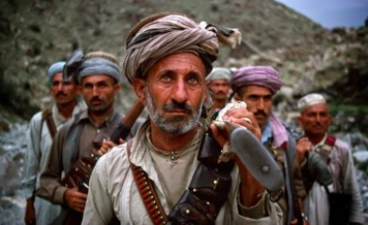
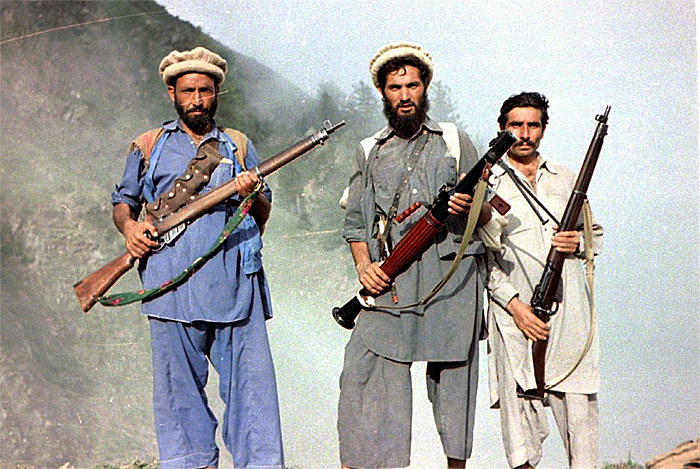
Afghan fighters hide during Soviet bombardment, Jalalabad, Nangarhar, Afghanistan, 1981