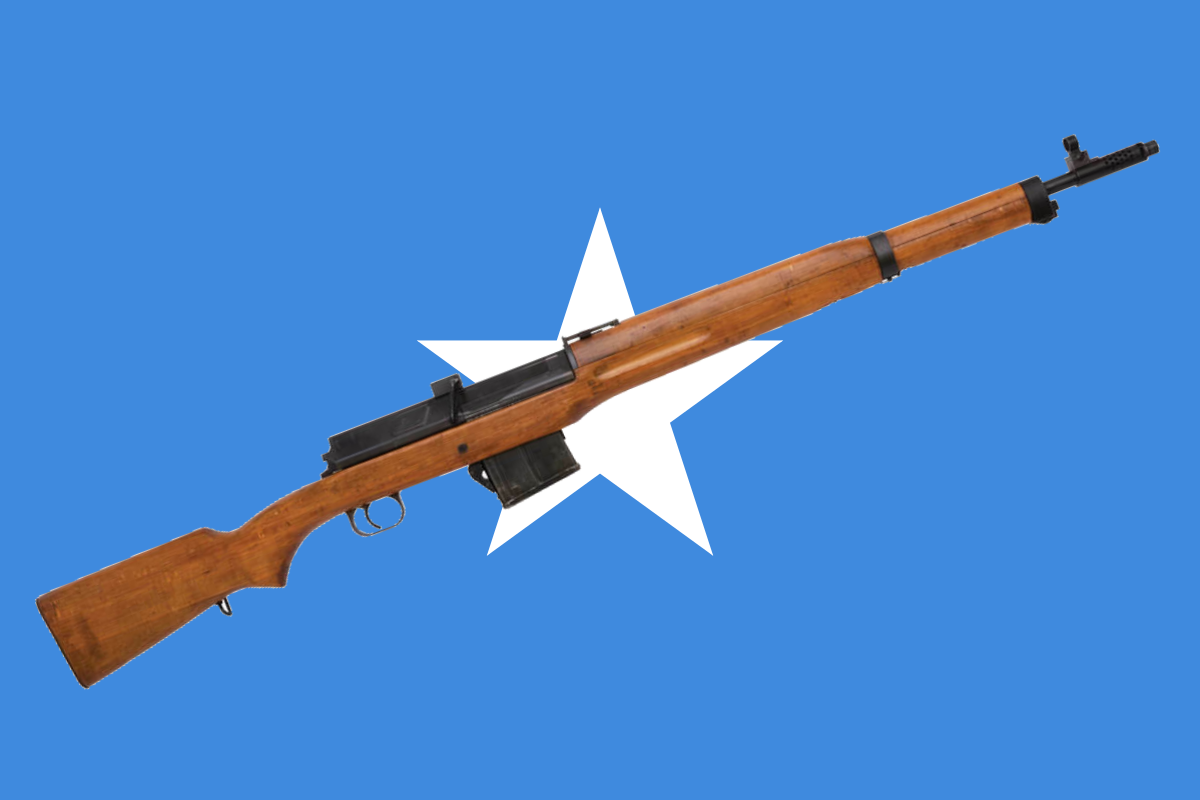
The Hakim self-loading rifle is often thought of as having been symbolic of Egypt’s military presence in the Sinai peninsula during the 1956 War and as a middle ground between its 7.92×57mm FN49 self-loading rifles and later 7.62×39mm Kalashnikov pattern self-loading rifles. However, there exists little evidence that the rifle was used in such capacity by the Egyptians, only a few photographs exist of the Hakim in use in the Sinai, usually in rear echelon or training contexts. Much more evidence suggests that the Hakim was employed heavily in Yemen by both Egyptian soldiers and their Yemeni allies through photographs and Hakim rifles that occasionally surface on the Yemeni market. A further yet unexplored destination and user of Hakim rifles is Somalia and this article will illustrate how evidence suggests that it was actually one of the most prolific users of the Hakim.
World War Two Era Weaponry in the Hands of ISIS in Sinai
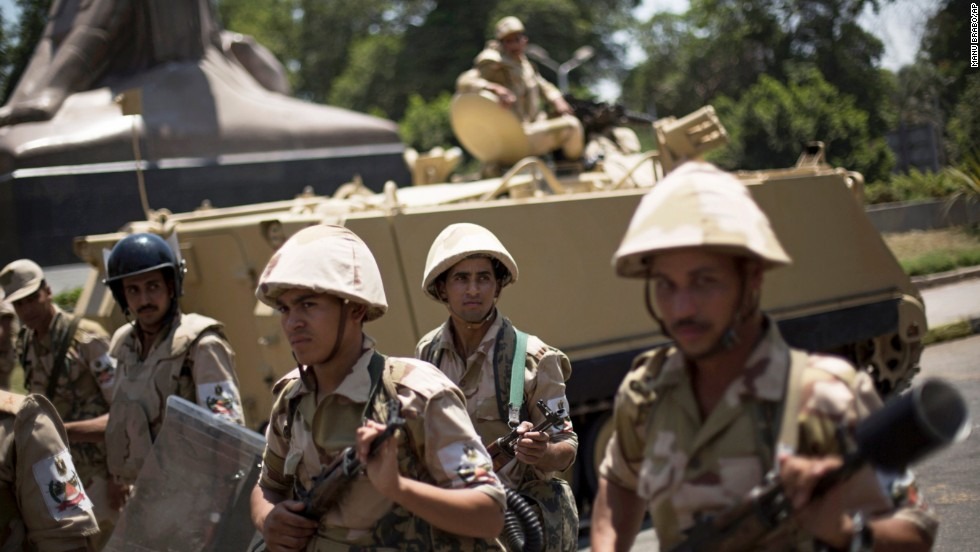
Their is currently an insurgency being fought in Northern Sinai between the Egyptian military and security forces with ISIS’ branch “Wilayat Sainaa” (Sinai Province). We have found materials published by Egypt’s Ministry of Defense and Ministry of Interior that has listed some of the interesting gear and weaponry captured from ISIS. This includes World War Two era weaponry, DIY weapons, and what appears to be a single modified M1 helmet that could possibly have been the property of the Israeli Defense Forces once upon a time (this will be covered in a later article); this brings up the question: how much gear and weaponry were looted from battlefields by the locals during the conflicts between Egypt and Israel. In this article, we will present some of the rather exotic World War Two era weaponry while saving the DIY materials for a future article.
(Note: While World War Two era weaponry is quite a broad term that encompasses firearms still being used by modern-day armies such as the M2 Browning and the DShK heavy machine guns; this article will focus on small arms that are no longer in production, extremely rare to be acquired on the civilian and black markets and are not modern-day replicas.)
Israel’s 7.62×51 Tear Gas Ammo
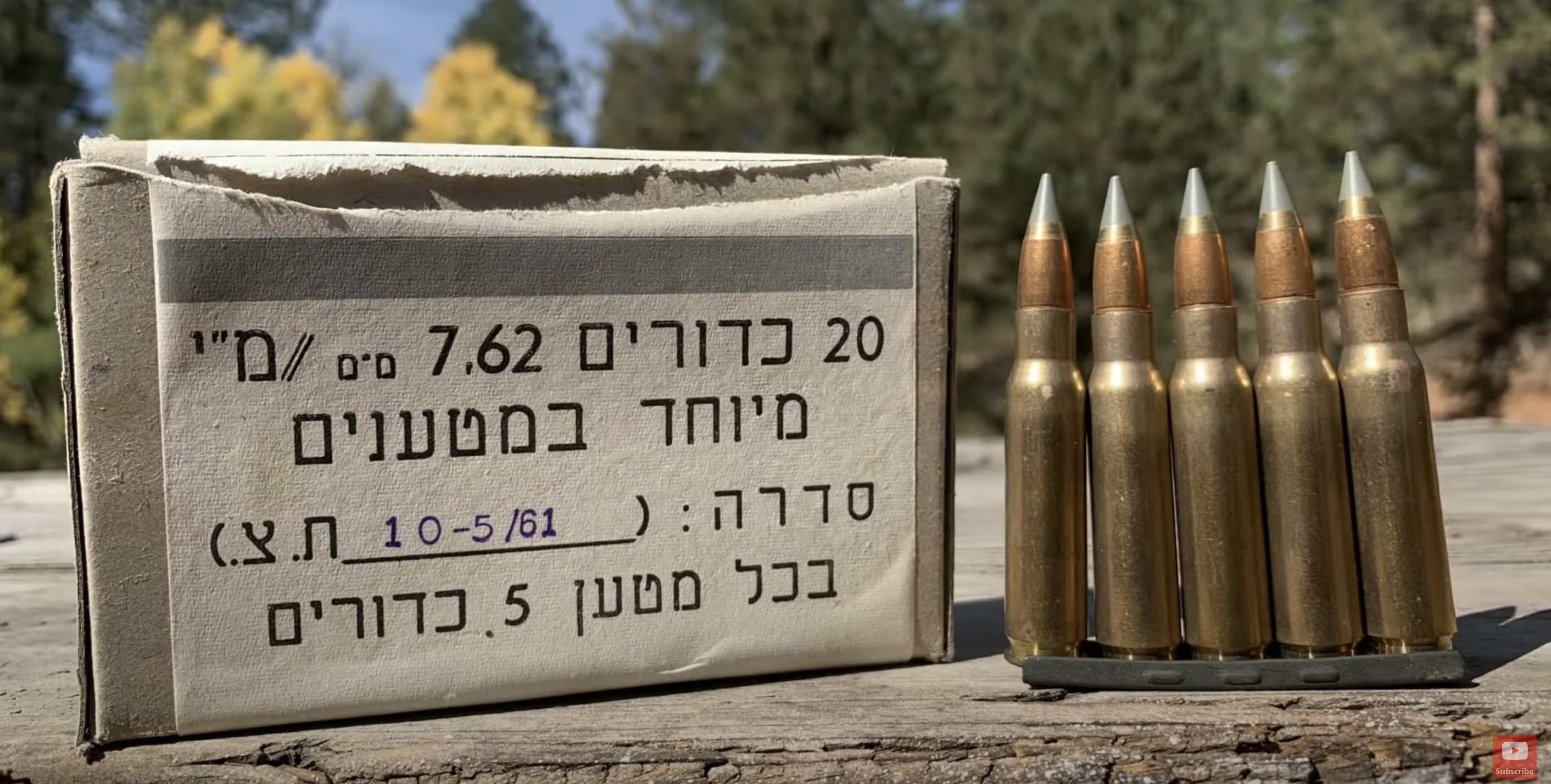
Israeli-made 7.62×51mm tear gas ammo has been available on the US commercial market for a number of years but its exact origins have remained a mystery. In this article we explore what we know, and don’t know, about IMI tear gas ammo.
Silah Report Podcast V33: Iranian Submachine Guns (1941-1979)
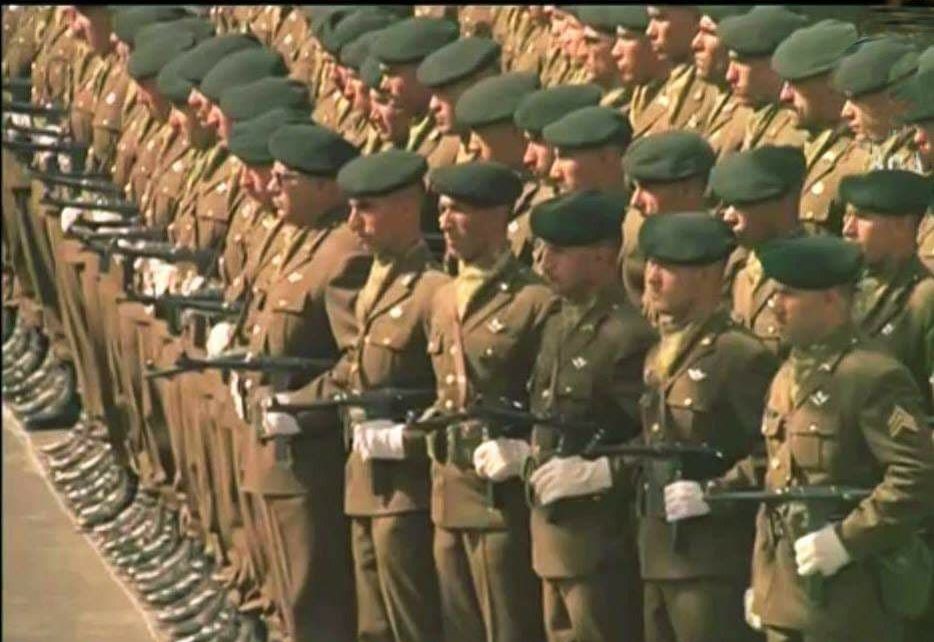
During the rule of Mohammad Reza Pahlavi, the Iranian military and law enforcement were equipped with a variety of submachine guns of Western and Eastern origins. Some were locally produced while others were imported in limited numbers. The main Persian word to describe a submachine gun is mosalsal (مسلسل in the Persian alphabet) which loosely means a ‘small arm that shoots continuously’. Here we will take a close look at examples of submachine guns that were imported or produced locally by the Iranian government during the rule of Mohammad Reza Pahlavi between 1941 to 1979 based on the existing information and photographic evidence. Also included in this article is a podcast interview with the piece’s author Yousef Riazi.
A Legal History Civilian Firearms Ownership in Iraq
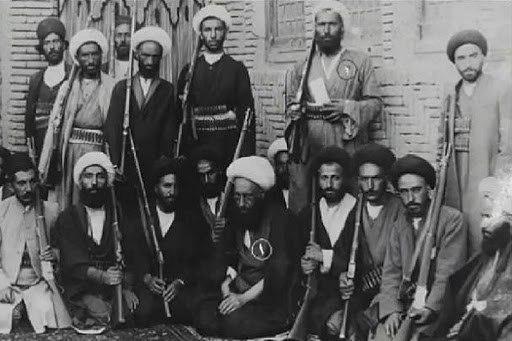
The earliest Iraqi gun act was enacted in 1919 under the British mandate. Although the original text of this act cannot be found two amendments exist for this act. The first amendment for this act was ratified in 1932. It defined the licensing fees for firearms possession, repairing and selling licenses. The fees were 0.375 … Read more
A Modified M3 ‘Grease Gun’ Submachine Gun
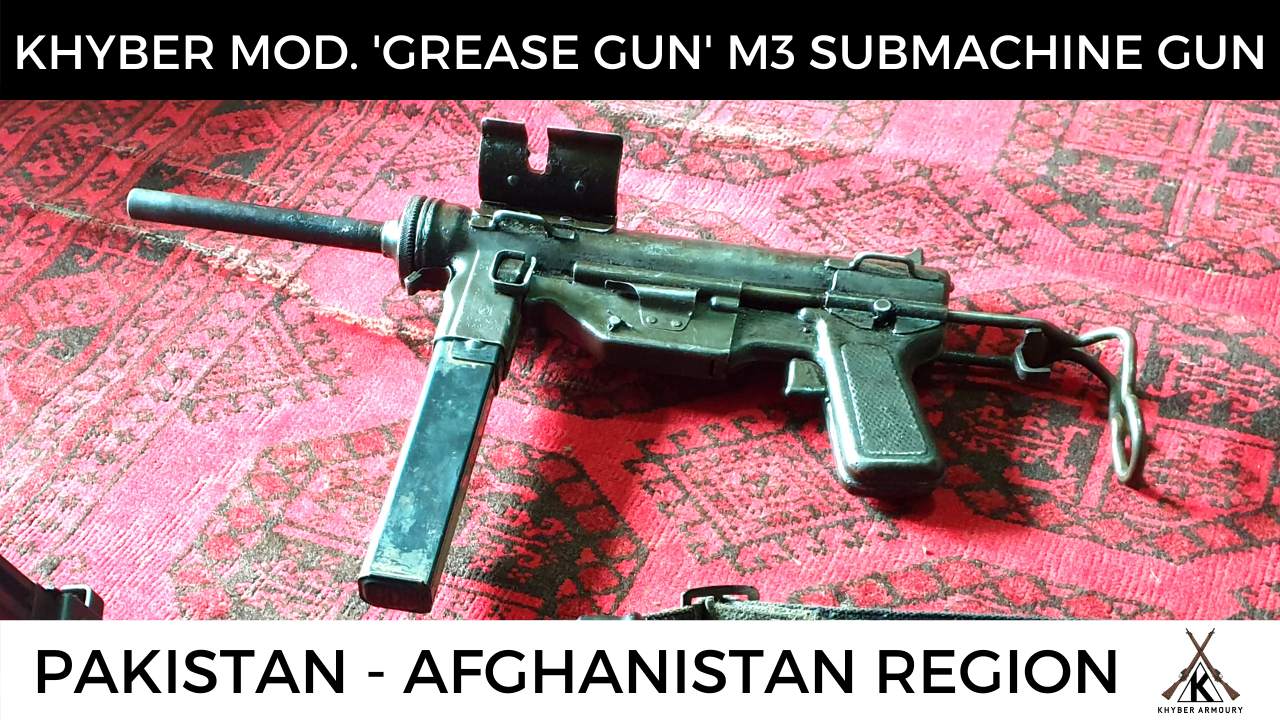
The M3 and M3A1 are a straight blowback submachine gun designs, chambered in the U.S. military’s then standard issue pistol round – .45 ACP cartridge, and designed in the USA. The M3 was first adopted by the U.S. military in a limited capacity in early 1943, eventually supplanting the M1 and M1A1 Thompson submachine guns. Fascinatingly, a significant number have also been seen in the Pak-Afghan Region.
A Sterling Submachine Gun Found In Darra
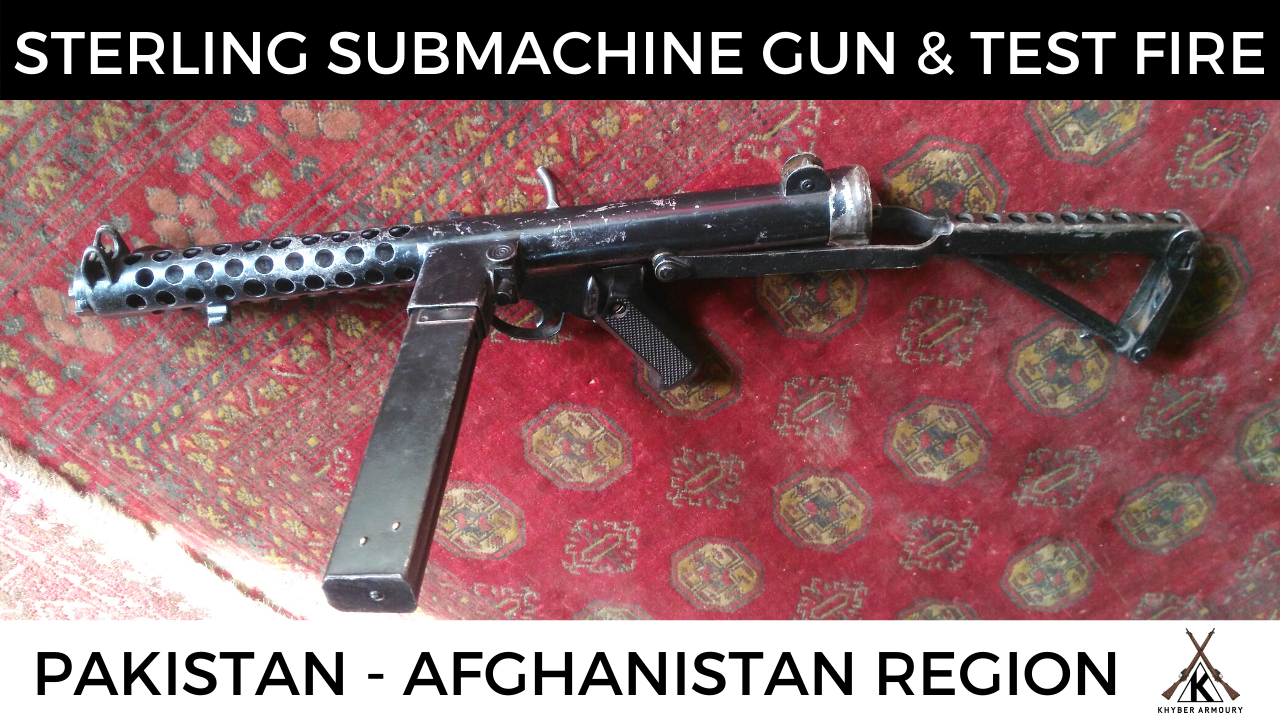
The Sterling submachine gun is a well renowned submachine gun of British design by George William Patchett – the head arms designer at Sterling Armaments Company in Dagenham, England, UK. The weapon is a select-fire, blowback operated submachine gun, utilising advanced primer ignition design and is chambered in the widely used 9×19mm cartridge. It is fondly remembered as a very reliable and rugged platform to this day by its users. It was initially adopted by the UK armed forces starting around 1953 replacing the earlier and more infamous STEN submachine gun and ended up being removed from active service in around 1994, replaced by the 5.56×45mm SA80 self-loading rifle. This platform of SMG has been used by a wide variety of countries across the globe and has also been manufactured by the UK, Canada, India and also Chile.
The Kalashnikovs of Saudi Forces in Yemen – Part 2
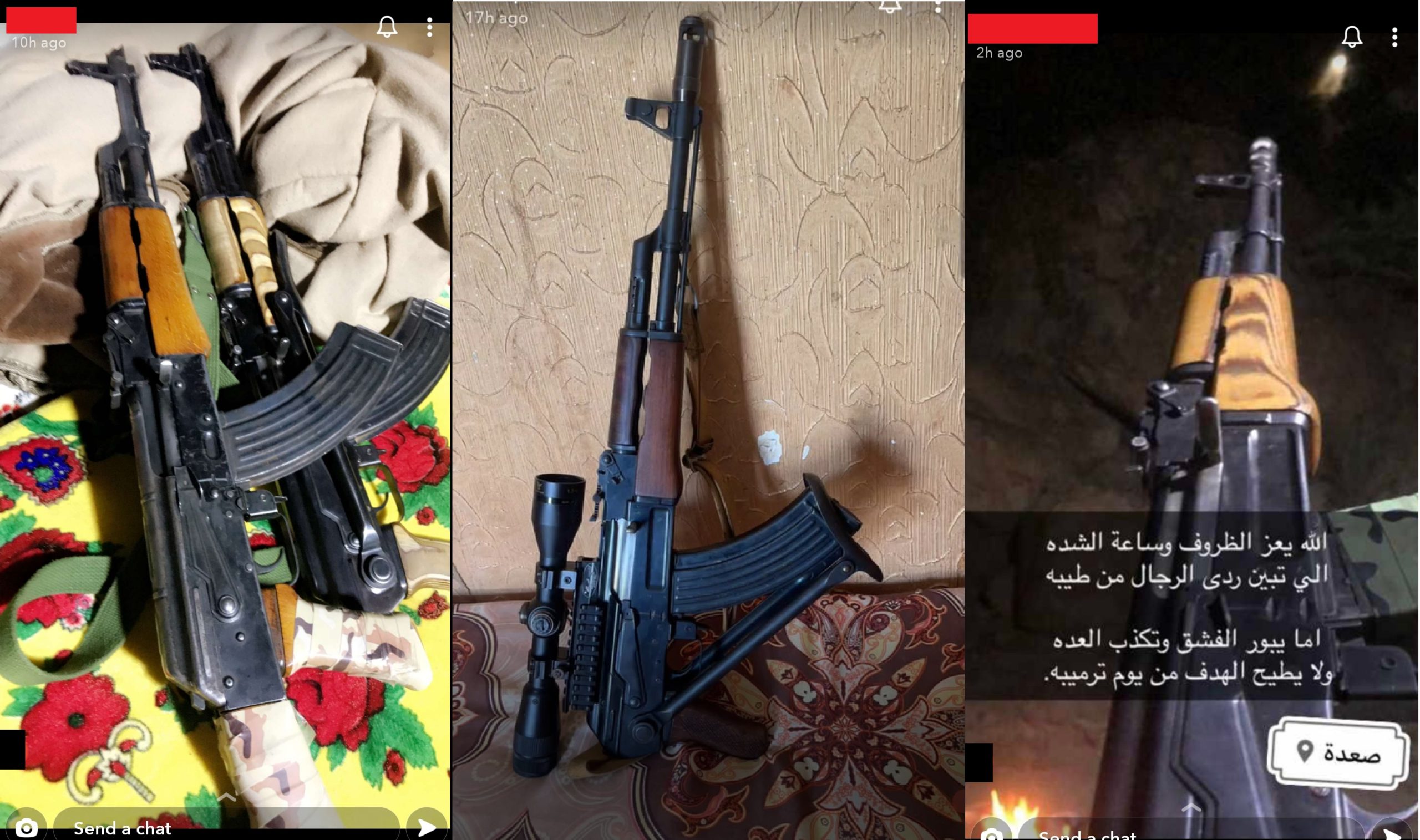
The Saudi military’s various branches utilize a wide variety of small arms, but among those deployed in and along the border with Yemen, derivatives of the Kalashnikov or AK-pattern self-loading rifle are surprisingly some of the most common. In the previous part of this article we examined the AK-pattern rifles in use with the Saudi armed forces. In this concluding part we will look at the various civilian owned AK-patterned self-loading rifles which have been seen in use with Saudi forces. As noted previously, this study draws its data and sources largely from an extensive private image collection provided to Silah Report of open-source social media photos and videos taken by soldiers of the Royal Saudi Land Forces, the Saudi National Guard, and the Saudi Border Guard and is thus able to paint a uniquely representative picture of the weapons they use. Indeed, the data provided showed that Kalashnikov derivatives make up well over half of the assault rifles in the dataset, far outpacing the presence of the Saudis’ signature G36, G3, and AUG self-loading rifles.
The Kalashnikovs of Saudi Forces in Yemen – Part 1
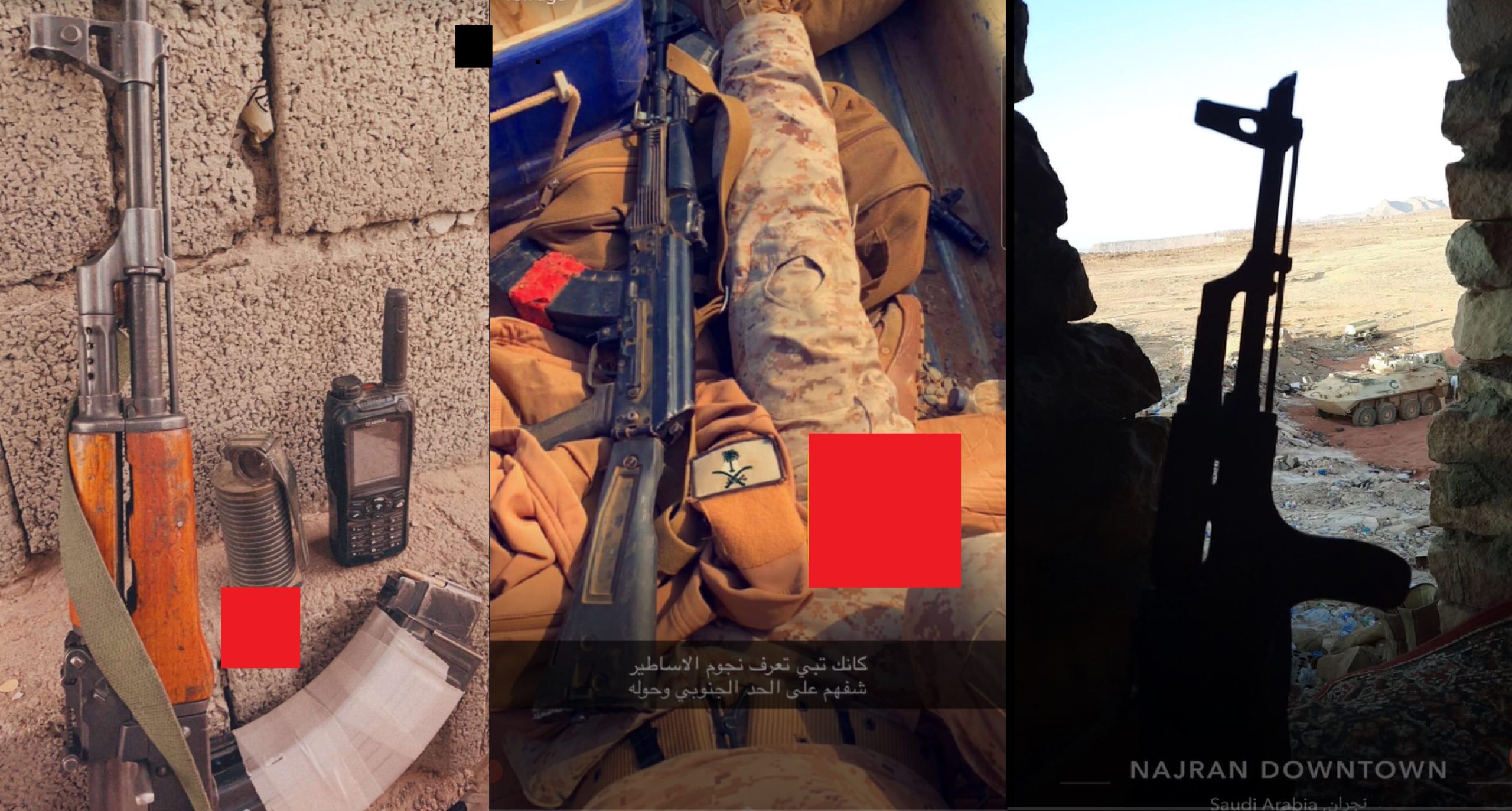
The Saudi military’s various branches utilize a wide variety of small arms, but among those deployed in and along the border with Yemen, derivatives of the Kalashnikov or AK-pattern self-loading rifle are surprisingly some of the most common. This article will explore the different varieties of AK-pattern rifles in use with Saudi forces and how they are used. This study draws its data and sources largely from an extensive private image collection provided to Silah Report of open-source social media photos and videos taken by soldiers of the Royal Saudi Land Forces, the Saudi National Guard, and the Saudi Border Guard and is thus able to paint a uniquely representative picture of the weapons they use. Indeed, the data provided showed that Kalashnikov derivatives make up well over half of the assault rifles in the dataset, far outpacing the presence of the Saudis’ signature G36, G3, and AUG self-loading rifles.
Non-Barrelled Actions – What’s The Point?
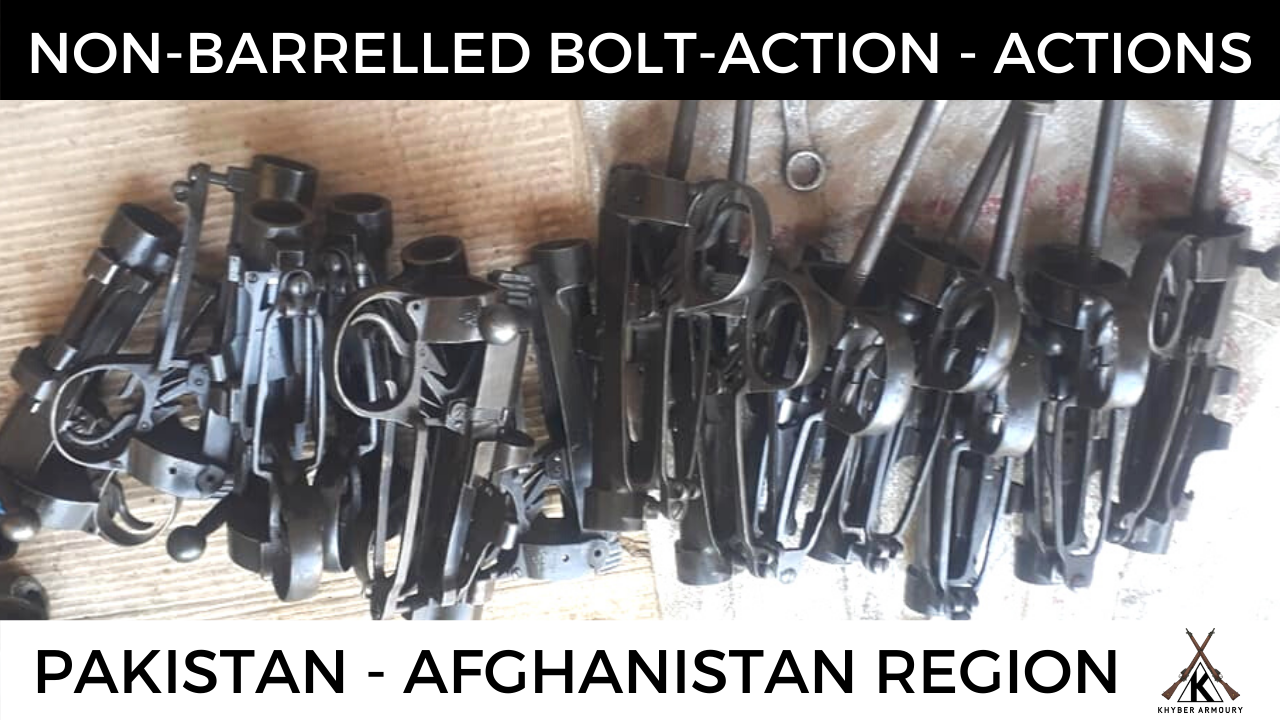
A number of images were shared with us which originate from one of the more famous dealers in the long running manufacturing and arms trading town of the ‘Khyber’ region in Pakistan – Darra Adam Khel. These images showed a bunched-up pile of non-barrelled actions for a number of bolt-action patterns, a dream for many collectors and shooters in places such as Europe and the USA.