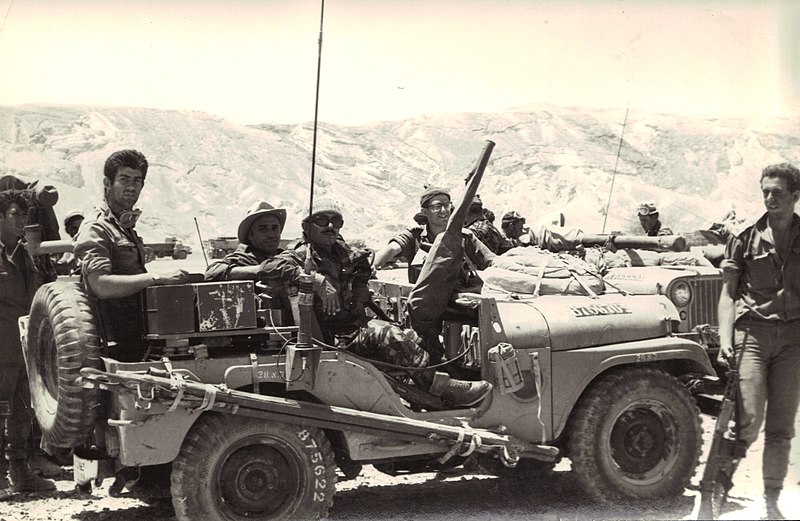
Israel’s infantry tactics had changed drastically since the 1955 Suez Crisis, in which Army Chief of Staff Mosha Dayan focused almost entirely on traditional infantry and airpower, neglecting armor and logistics. The British and French had significant success with armored assaults on Egyptian forces during the Crisis. This proved to Dayan that a strong mechanized infantry and armor corps would be the key to success for Israel in the inevitable future warfare over Sinai. Finkel and other commentators refer to this as the “cult of armored warfare”, which neglected defense for offensive capability entirely.[1] By the time the 6 Day War began, in 1967, Israel’s forces were better equipped but no more well trained than the army had previously been. This would prove to be a major issue.
Light Weapons
Podcast V28: Noori, The Iraqi Gun Engraving Artisan
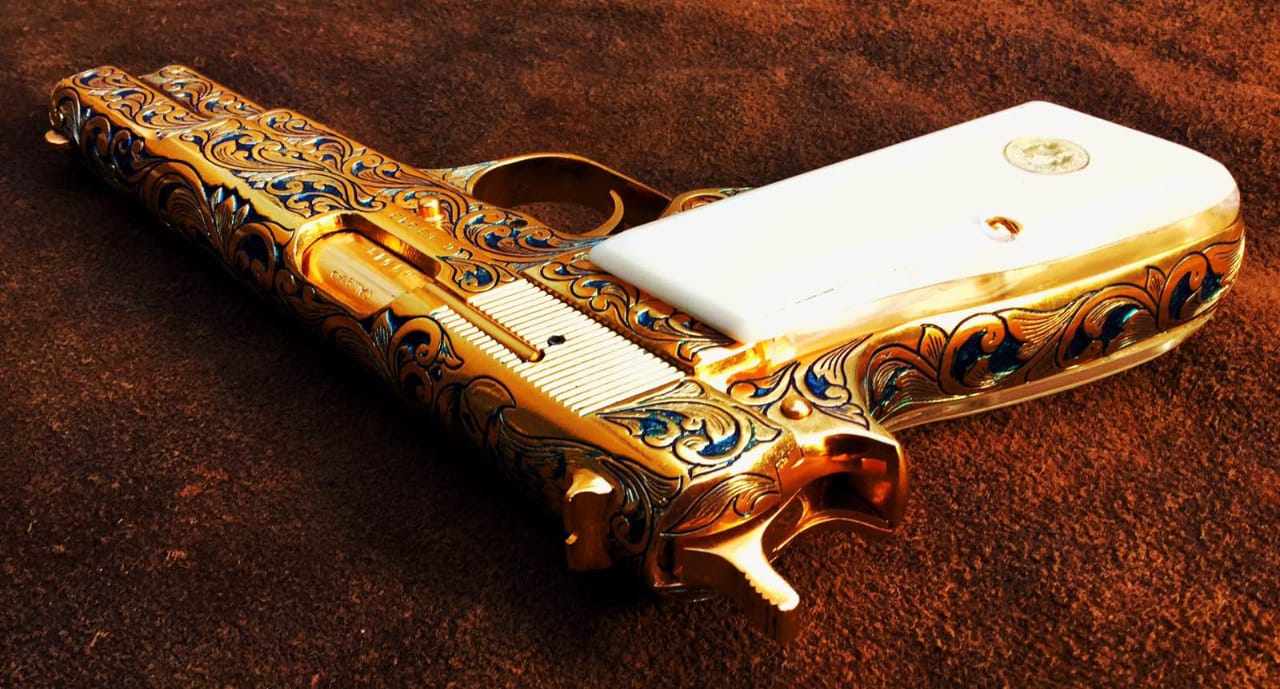
Welcome to the 28th episode of the Silah Report Podcast, we recently had the pleasure of speaking with Noori, an artisan who runs a business of handcrafting decorations on firearms in Iraq. We have covered Noori’s interesting work in past articles here at Silah Report. To say that the quality of his artwork is incredibly professional and its quality is extremely beautiful would be an understatement. In our interview with him, we enquired in-depth abut Iraqi gun culture, his background, how he entered the field, his business in a war-torn country, the challenges he faced and what does think the future holds for him.
The Pistol Caliber AK Submachine Guns of Darra Adam Khel
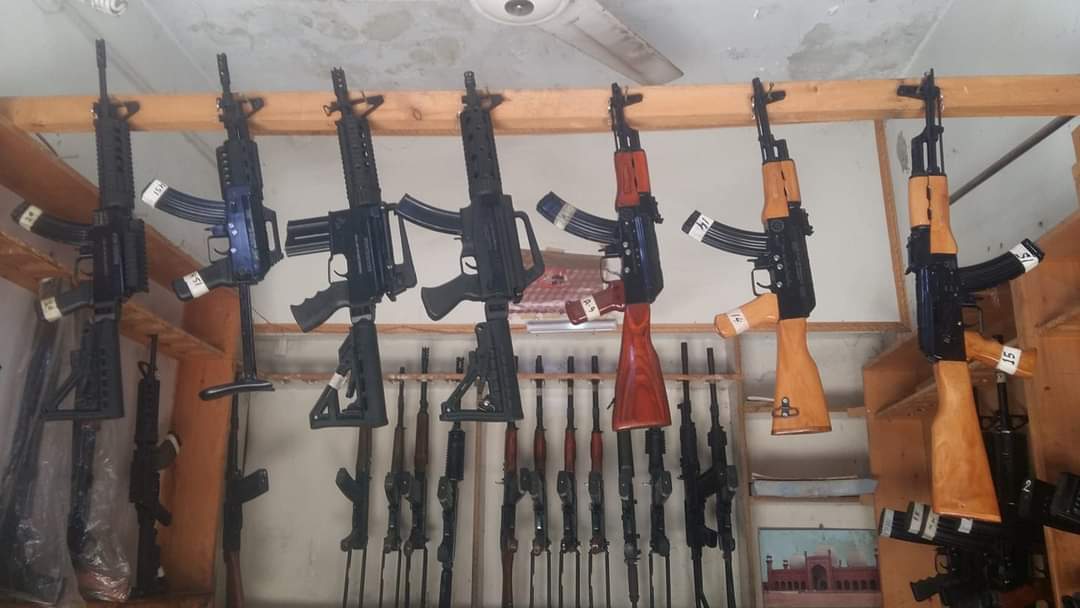
In Pakistan, just as in the US, compact firearms such as submachine guns and carbines chambered in pistol calibre cartridges are a hot ticket. They are also popular in neighbouring Afghanistan. Pistol calibre ammunition is widely available, affordable, manufactured domestically and licenses for firearms chambered in it are relatively easy to acquire. This is a major factor in their popularity. In this article we’ll examine some of the pistol calibre AK-pattern firearms which have grown in popularity in the region in recent years.
Small Arms Crest Symbology: The Syrian Regime
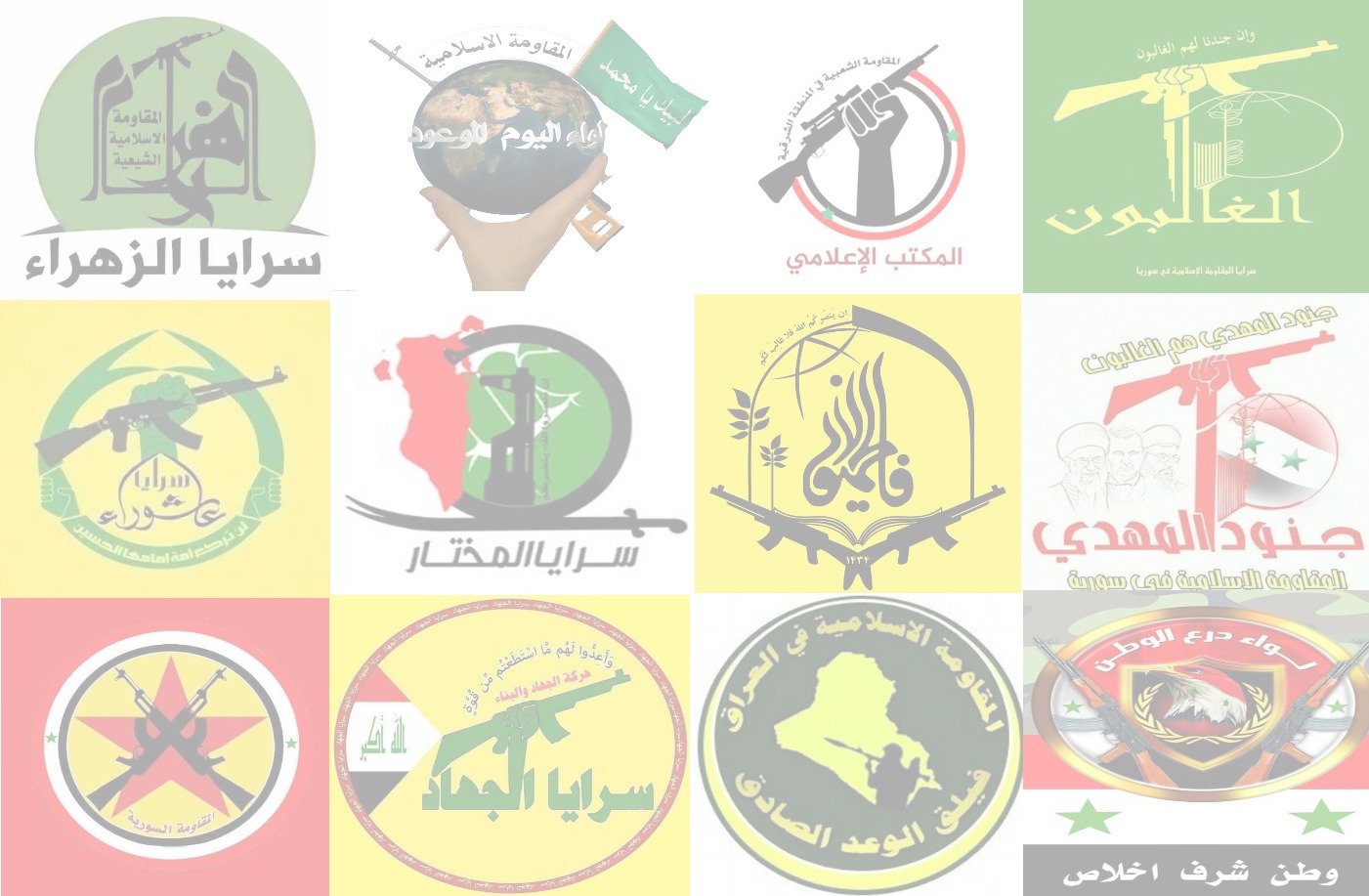
The Syrian Civil War is many things, not least an extremely complex conflict. In this series we examine the imagery used by various groups from across Syria’s political spectrum. In the first part of the series we examined the crests Opposition-affiliated groups and organisations. If you missed the first part of the series you can find it here. In this part we will examine groups affiliated with the Assad Regime and present a statistical overview of the small arms used in their military imagery. You can find the first part of this series here.
Britain’s WW2 PIAT Anti-Tank Weapon In Service With the Haganah In Palestine
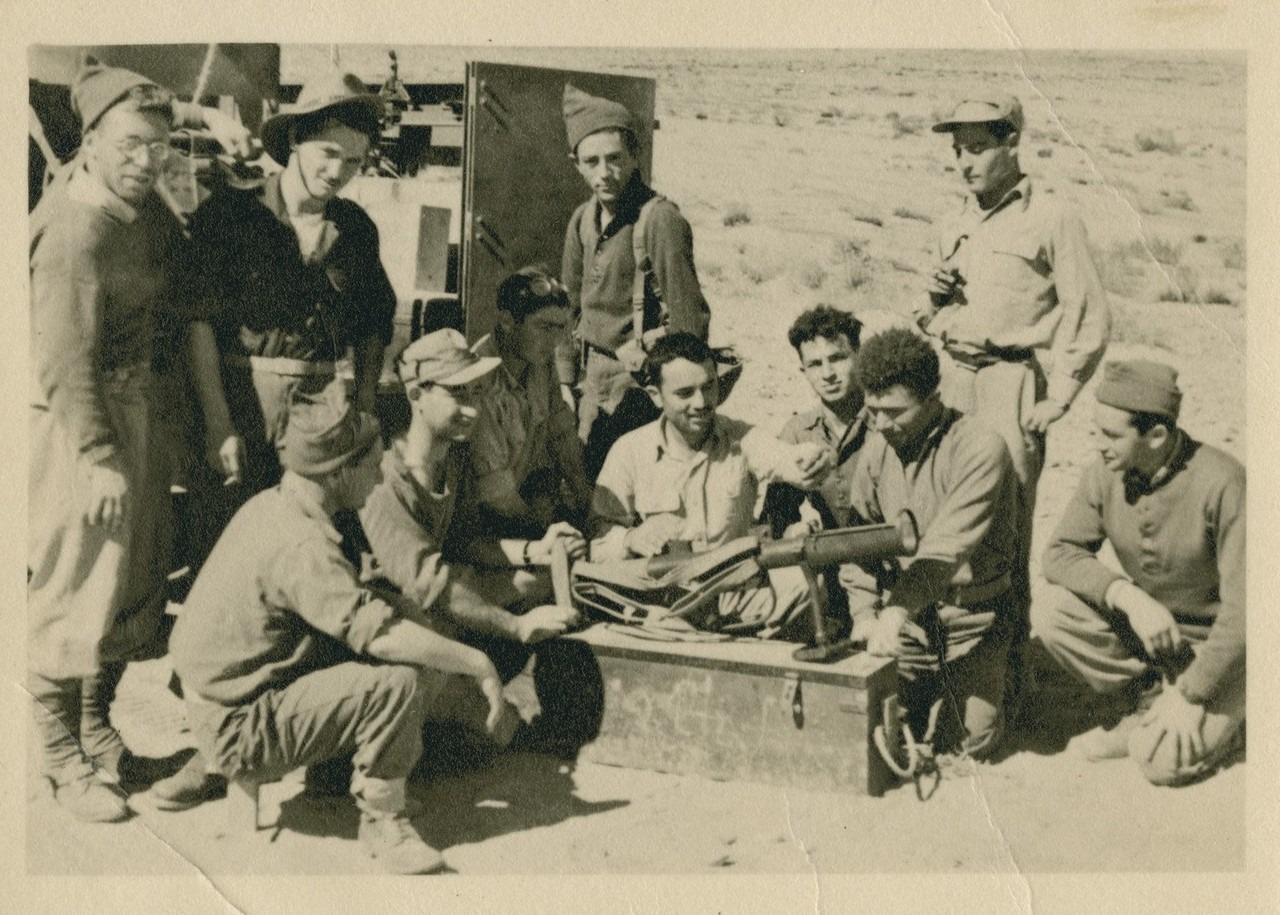
The Projector, Infantry, Anti-Tank or PIAT was Britain’s primary infantry anti-tank weapon during the latter half of the Second World War. Firing a 2.5lbs bomb containing a shaped charge warhead capable of penetrating armour up to 4 inches thick. During the Second World War, it equipped British and Commonwealth troops as well as arming resistance and partisan fighters behind enemy lines in Nazi-occupied Europe. Based on a spigot mortar system of operation it was largely obsolete with the refinement of rocket launched and recoilless rifle systems. Despite increasing obsolescence, it continued to see use after the war. In this article, we will examine its use by the Israeli Haganah during the 1947–49 Arab-Israeli conflict.
Northern Iraq PKK-Weapon Caches of Operation ‘Claw Tiger’
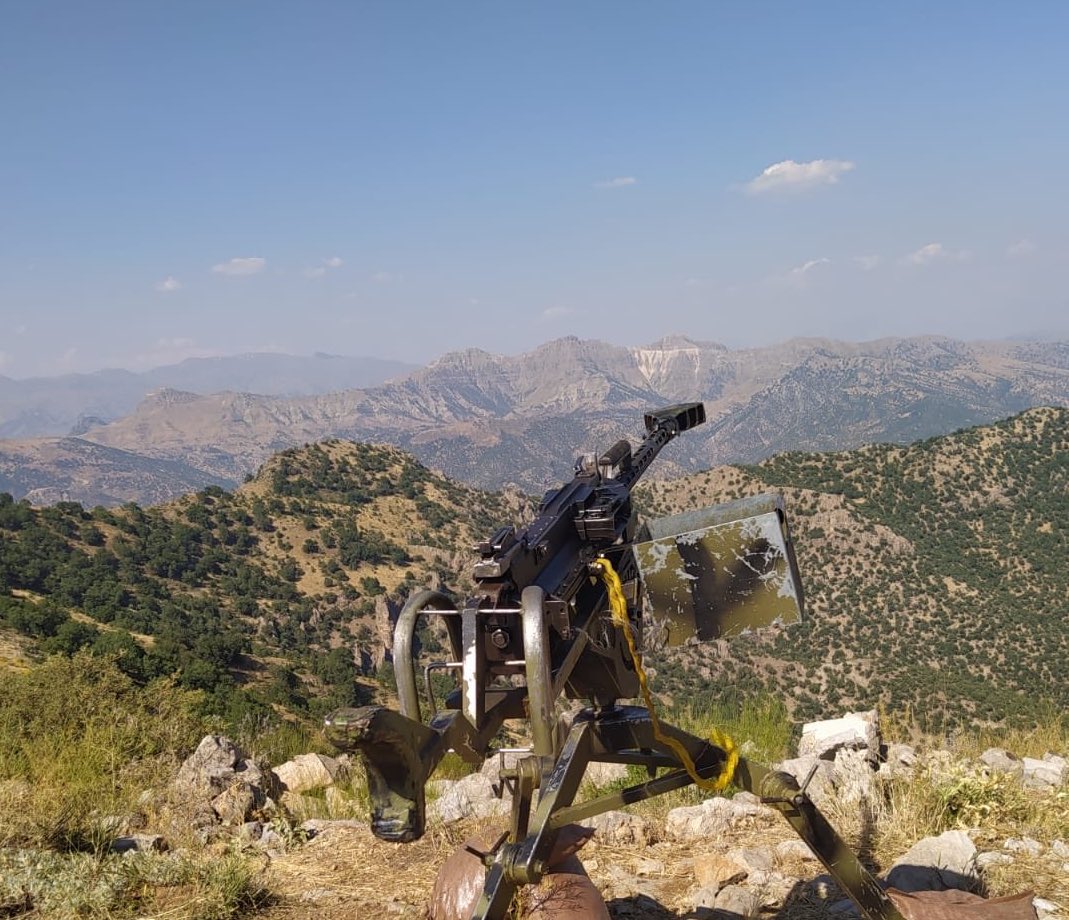
On 17 June, 2020, the Turkish Armed Forces (TAF) commenced Operation ‘Claw Tiger’ against the PKK in the so-called Haftanin region. Haftanin is an unofficial region North of Zakho, a city in the Kurdistan Region of Iraq. This marks the fourth Turkish incursion into Iraq’s Kurdistan Region since May 2019. As
per usual, TAF personnel confiscated and captured numerous weapons from the PKK. This article will
investigate some of the more noteworthy weapons.
AR15 Rifles from Khyber Pakhtunkhwa-Based Royal Arms Company
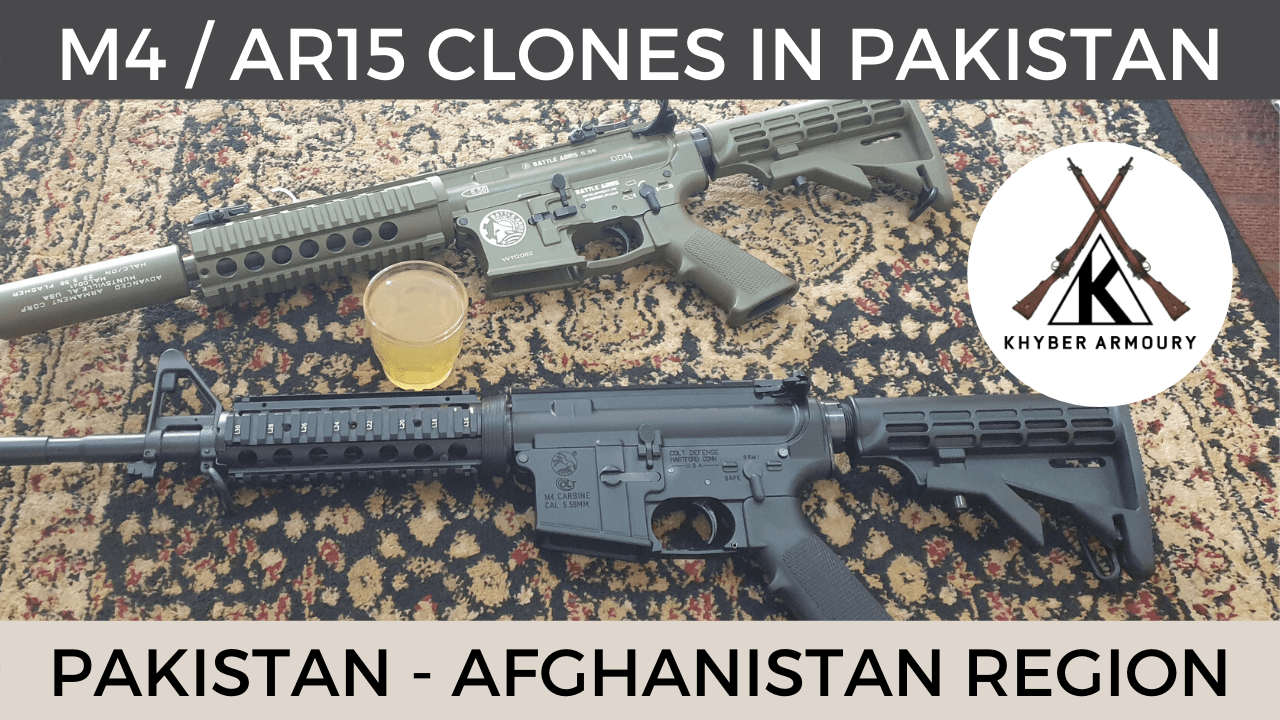
The AR15 or ‘M16’ & ‘M4’ pattern self-loading rifles are a very popular choice in many commercial and military markets the world over, Pakistan is no exception. Some Pakistani law-enforcement and military units utilise varying models of this platform already and a large prevalence of M4 and M16 5.56×45mm rifles of various types and manufacturers have been creeping onto the market slowly in the last few decades or so, none more so than the Colt or FN marked M4A1 and M16A2/A4 rifles seeping through from Afghanistan in the last decade. There is such a high demand for these particular firearms and a low supply and high price for genuine examples that various manufacturers stepped up-to-the plate and have started to manufacture their own copies within the ex-FATA and Khyber Pakhtunkhwa region, mainly in Peshawar’s small-arms manufacturing zones but also within the infamous arms manufacturing town of Darra Adamkhel.
A Look Inside An Afghan Weapons Maintenance Facility
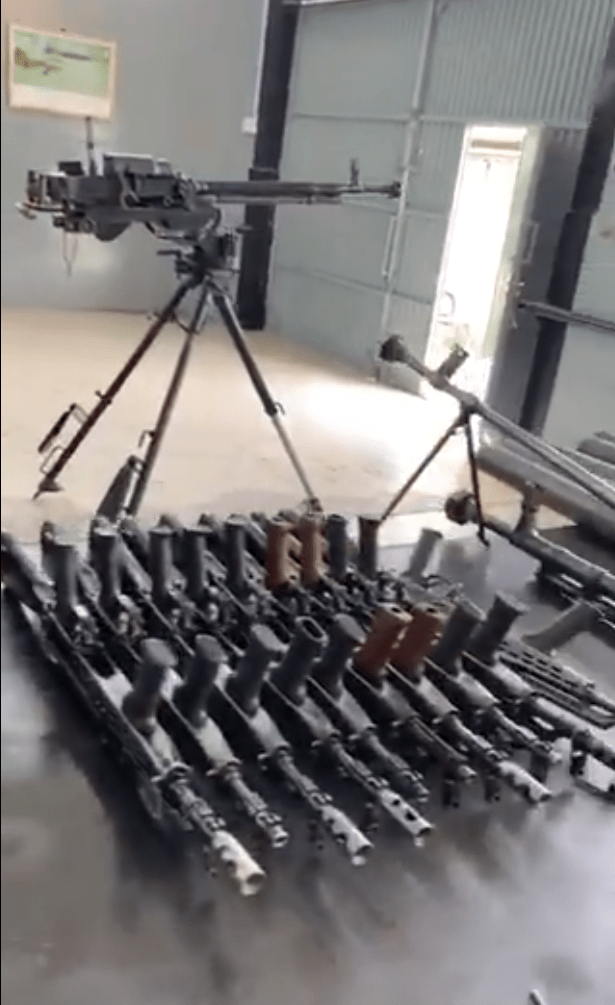
Masoud Andarabi, Afghanistan’s former acting NDS Chief and Deputy Director for Ops and current Acting Minister of Interior, has shared a short video of an Afghan Ministry of Defense weapons maintenance facility.
YPG and SDF Load Bearing Equipment in North Eastern Syria
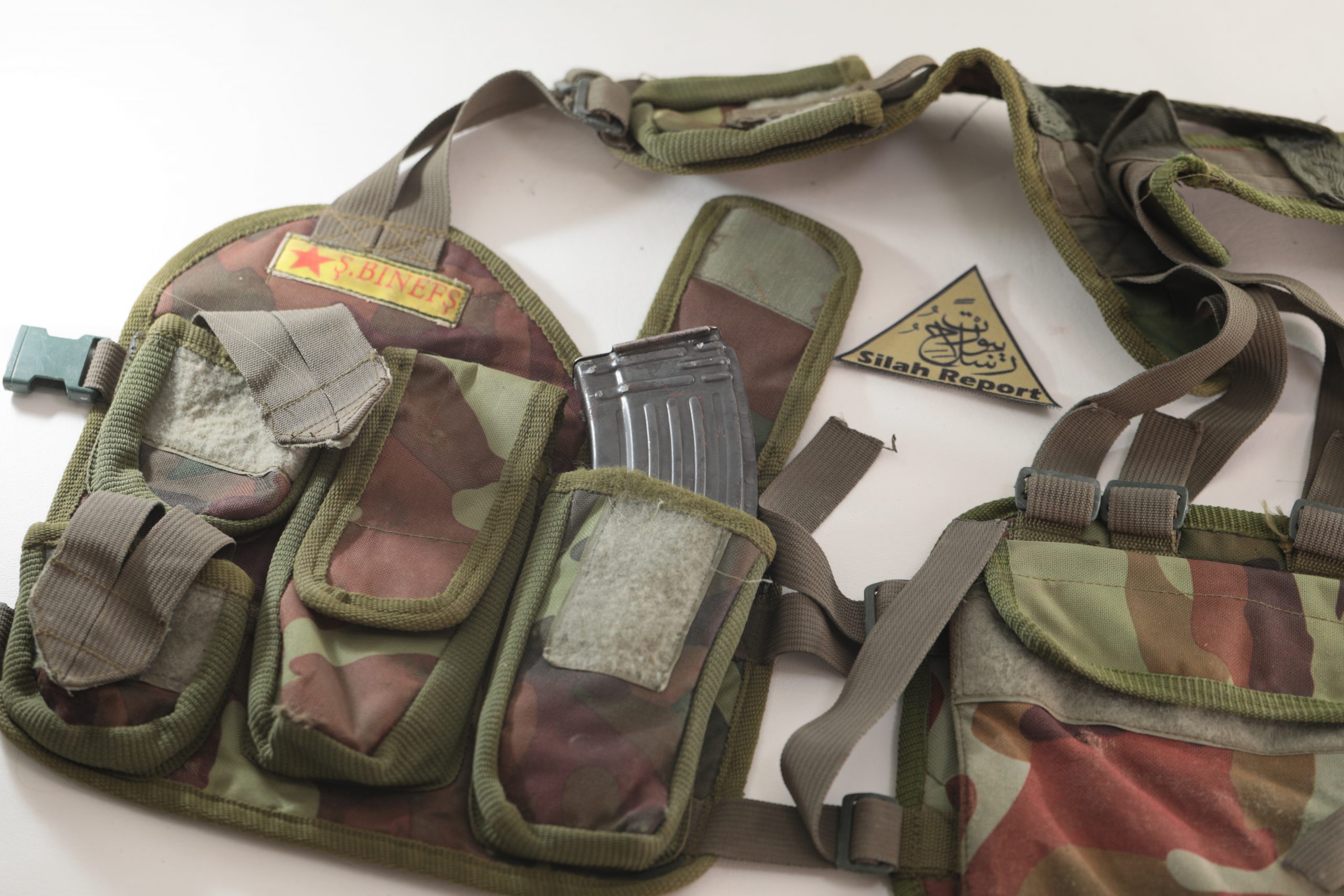
In this article we will examine some of the load-bearing equipment and kit used by the YPG and SDF Forces during the ongoing Syrian conflict. First a little context, the YPG is an abbreviation of Yekîneyên Parastina Gel in Kurdish and translates to People’s Protection Units in English. This initially Kurdish only militia can trace its lineage to 2011 when we saw the YPG become an official entity with the establishment of the Kurdish Supreme Committee when the left-leaning Democratic Union Party and the center to right-leaning Kurdish National Council formed a pact.
Afrin Liberation Forces Raid an Faylaq al-Sham (SNA) Outpost in Brad/Kafr Nabu
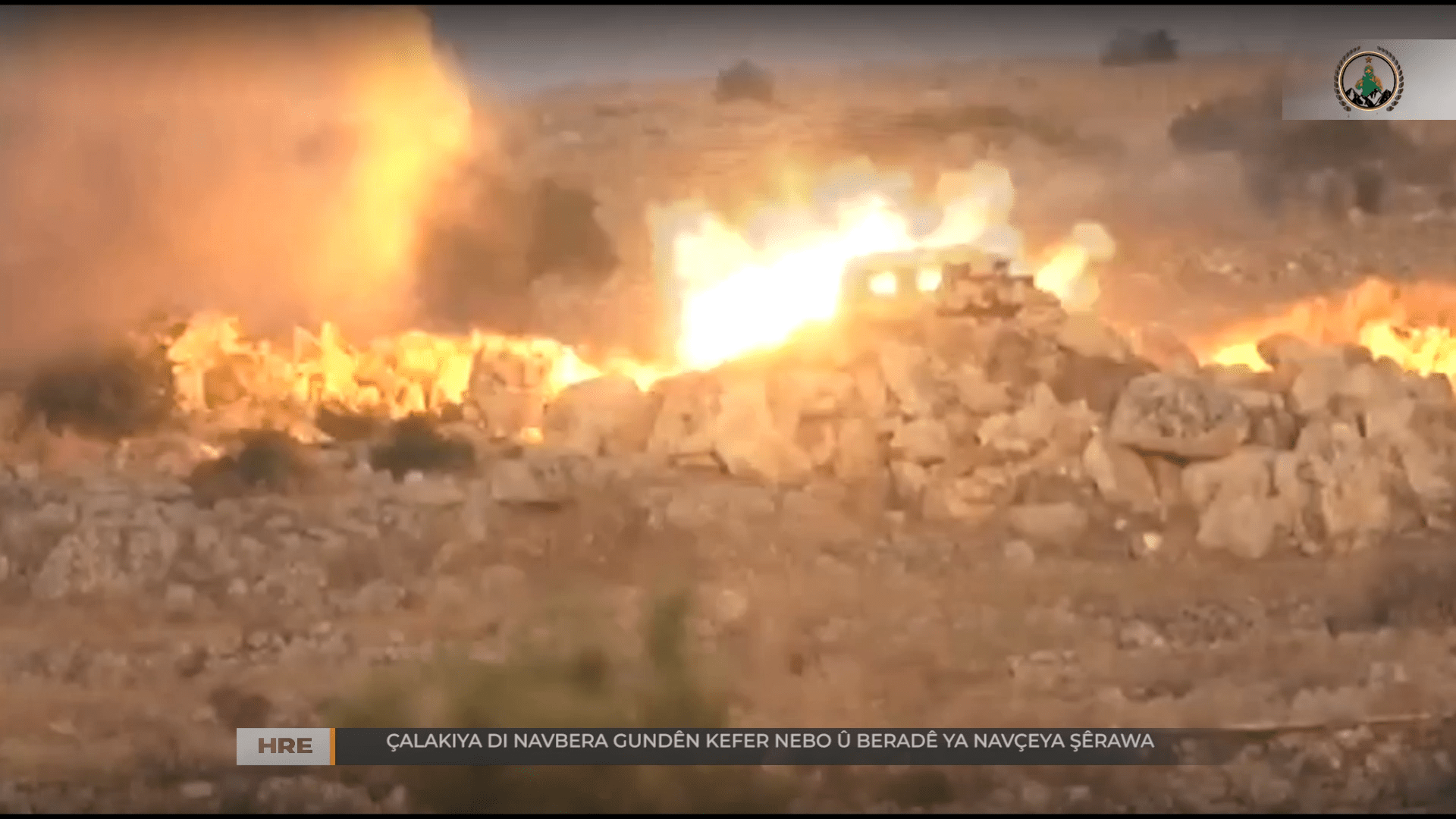
On the 21th June the Afrin Liberation Forces or “Hêzên Rizgariya Efrînê” released photos, a video and statements about a raid carried out by the group on an outpost of the SNA (reportedly Faylaq al-Sham also known as the Sham Legion) between the villages of Brad and Kafr Nabu in the Aleppo Governorate in northern Syria (an approximate location could be at these coordinates-“36°21’49.96″N 36°53’52.05″E”).