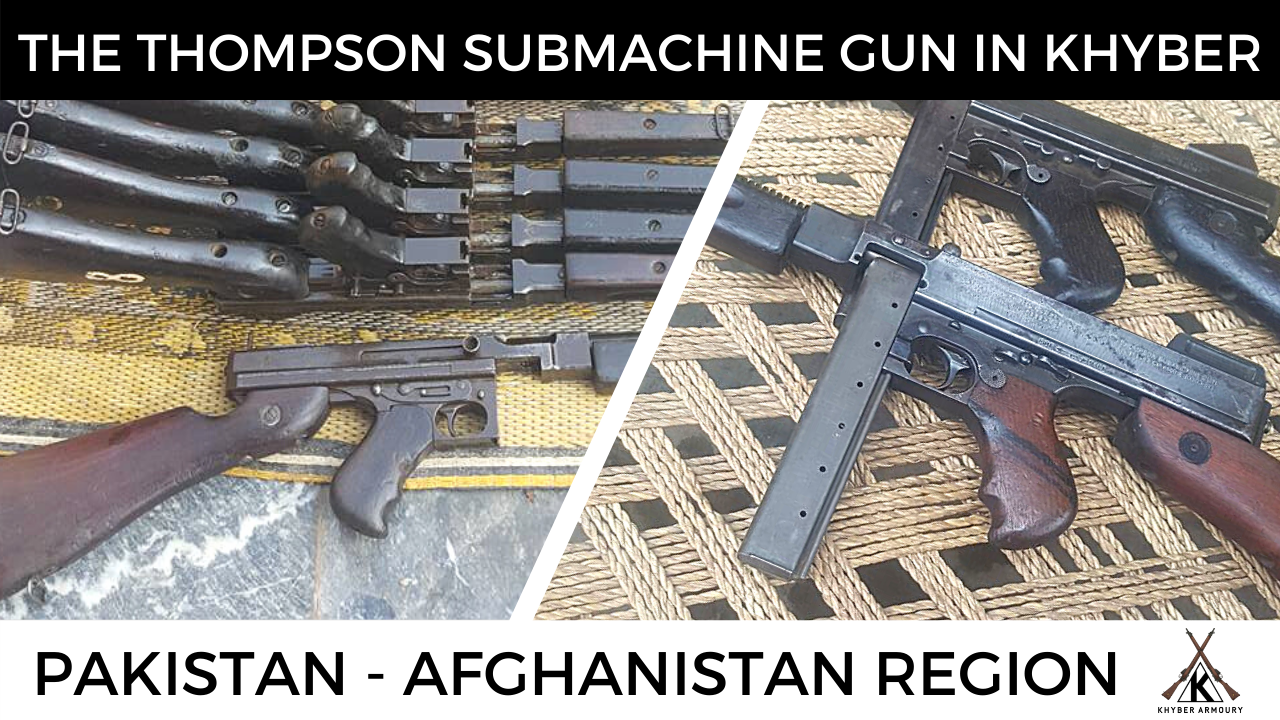
The Thompson models 1928, 1928A1, M1 and M1A1 submachine guns, famously also nicknamed the ‘Tommy Gun’, are a heavy weight milled all-steel submachine gun design, chambered in the U.S. military’s then standard issue pistol round – the .45 ACP cartridge, and designed in the USA in the wake of World War One. They were first adopted by the U.S. military in a widely used capacity during the World War Two, eventually being supplanted by the cheaper and simpler M3 and M3A1 ‘Grease-Gun’ submachine guns. A small but significant number have also been seen in the Pak-Afghan Region.
Submachine Guns
V32: Yousef Riazi and Iranian Small Arms in use by the Iranian Military
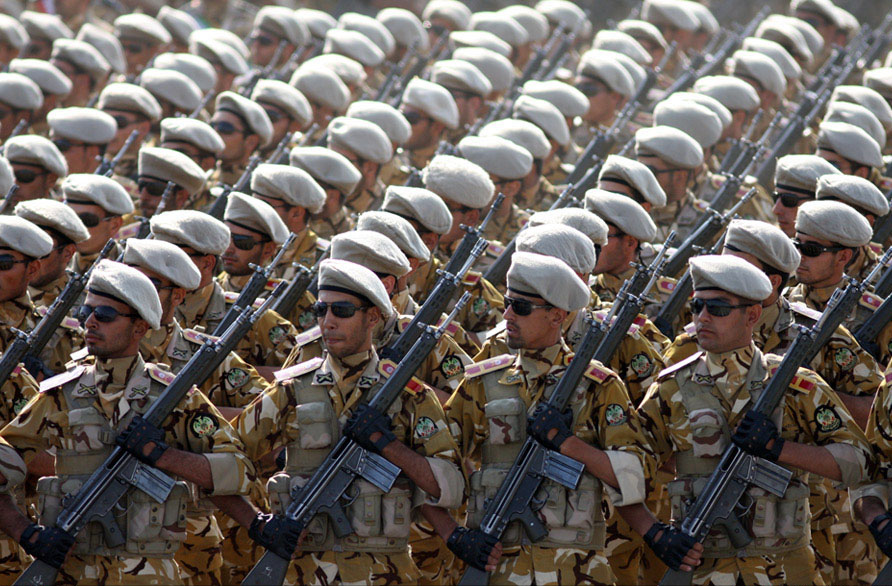
In this episode, Miles and Yousef Riazi discuss in great detail the different types, and quality of Iranian-made small arms and the history of the weapons that are issued to the infantry of the Iranian army. As well as Yousef’s experience dealing with them as a former conscript who served in the Iranian army.
The American ‘Grease-Gun’ In The Pak-Afghan Region
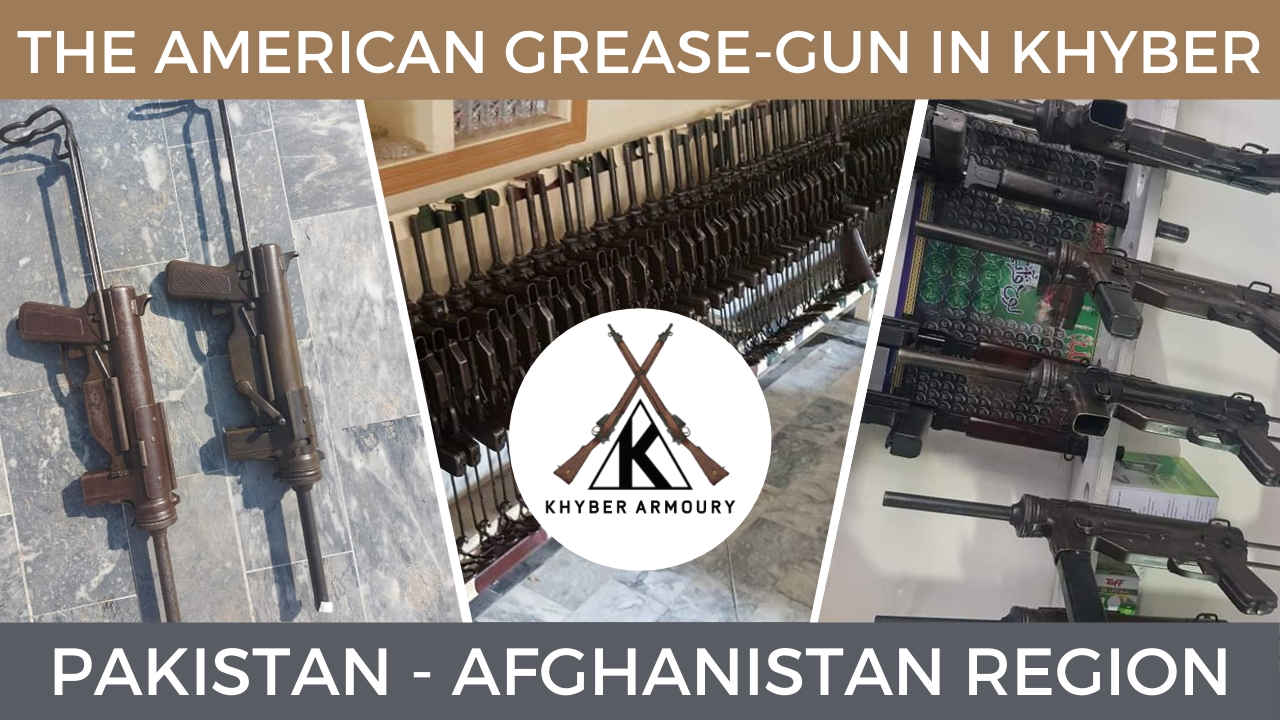
The M3 and M3A1, famously also nicknamed the ‘Grease Gun’ due to their appearance, are a straight blowback submachine gun design, chambered in the U.S. military’s then standard issue pistol round – .45 ACP cartridge, and designed in the USA. The M3 was first adopted by the U.S. military in a limited capacity in early 1943, eventually supplanting the M1 and M1A1 Thompson submachine guns. Fascinatingly, a significant number have also been seen in the Pak-Afghan Region.
The Khyber Diaries: A Glimpse Into An ‘Antique’ Arms Shop
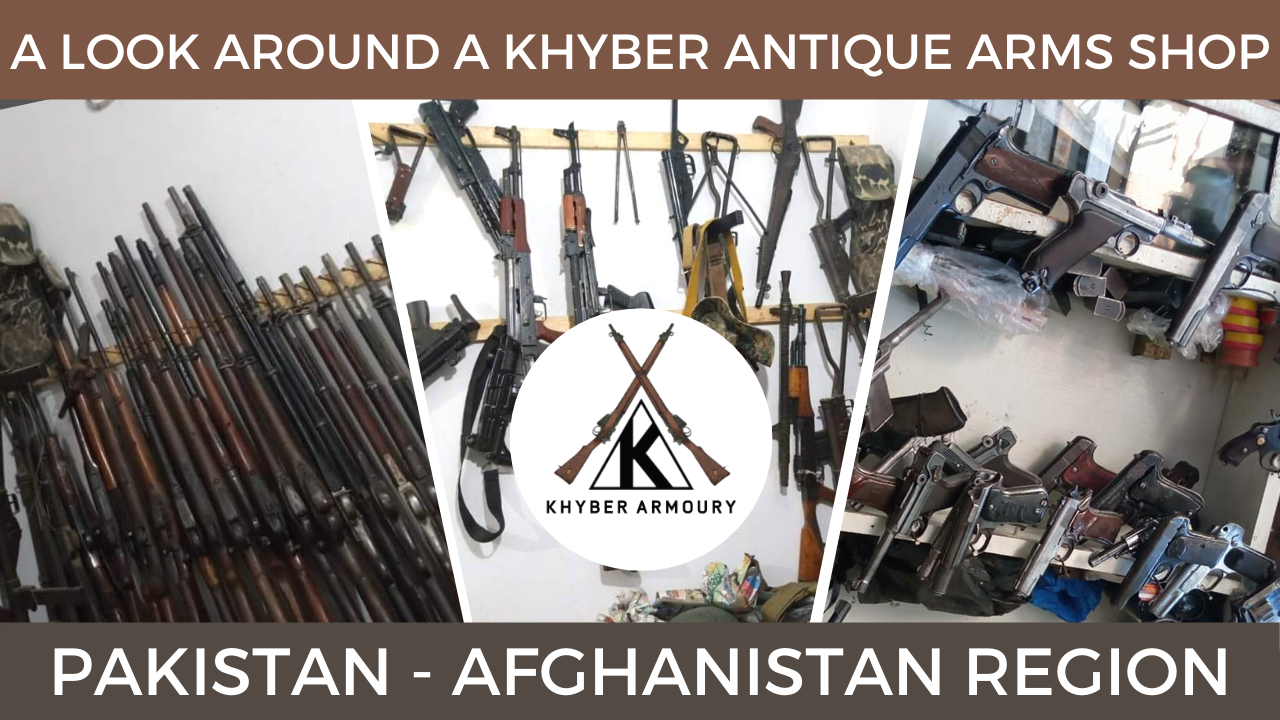
An often-nostalgic thing to do is reminisce of the arms shops in the days of old. Those well-stocked dealerships. They were once a lot like Aladdin’s cave with large arrays of plentiful, but now hard-to-find arms on display and for sale, at extremely affordable prices by today’s standard. Luckily, we can occasionally encounter some remnants of these days in Pakistan where an abundance of now-antiquated firearms are still to be found in the arms bazaars of Khyber Pakhtunkhwa within places like the infamous town of Darra Adamkhel and to a lesser degree, in those within and close to Peshawar city.
Scarce Spanish STAR Submachine Gun In The Pak-Afghan Region
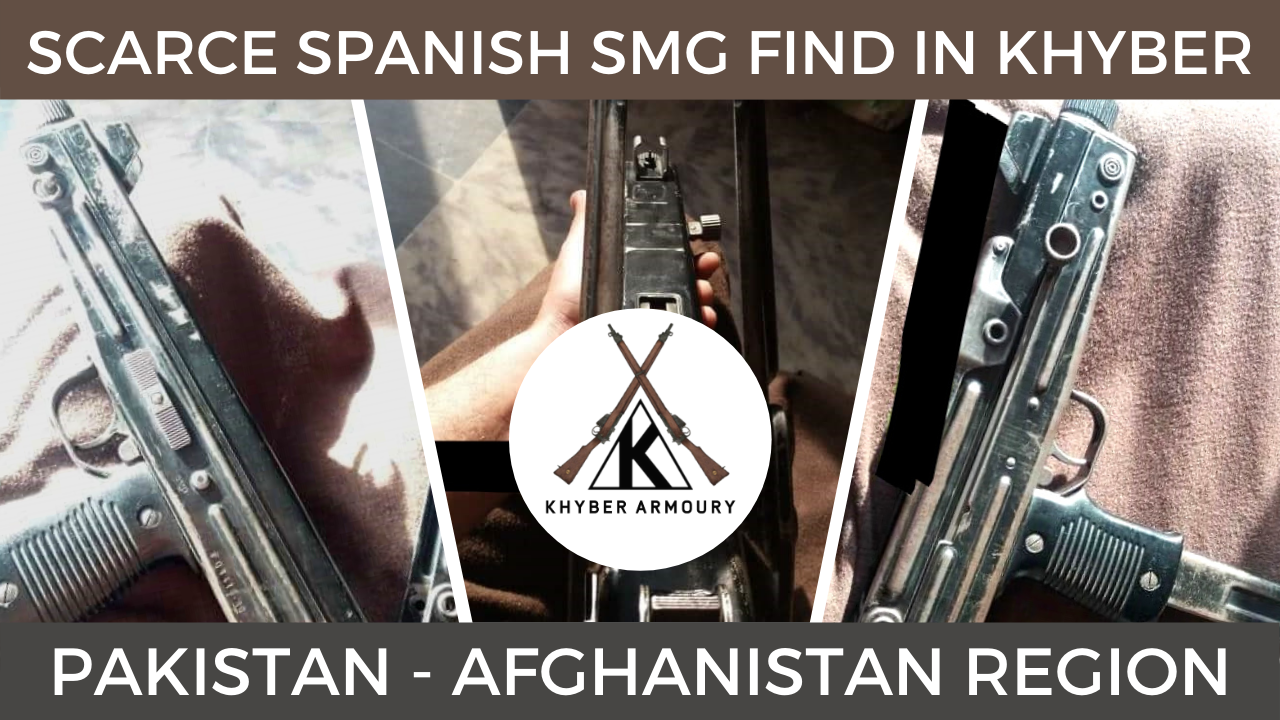
STAR, short for Star Bonifacio Echeverria, is a well known Spanish company which manufactured firearms for around 116 years, from about 1905 to 1997 when they closed up shop. The various firearm designs and platforms they manufactured, apart from some pistol designs, aren’t too common and don’t typically pop up in more out-of-the-way regions of the world. That being said, a small more unknown gem of theirs happened to end up in an arms dealership located in the infamous town of Darra Adam Khel in the Khyber Pakhtunkhwa province of Pakistan, of all places.
The Pak-Afghan Side-Folding AK Phenomena
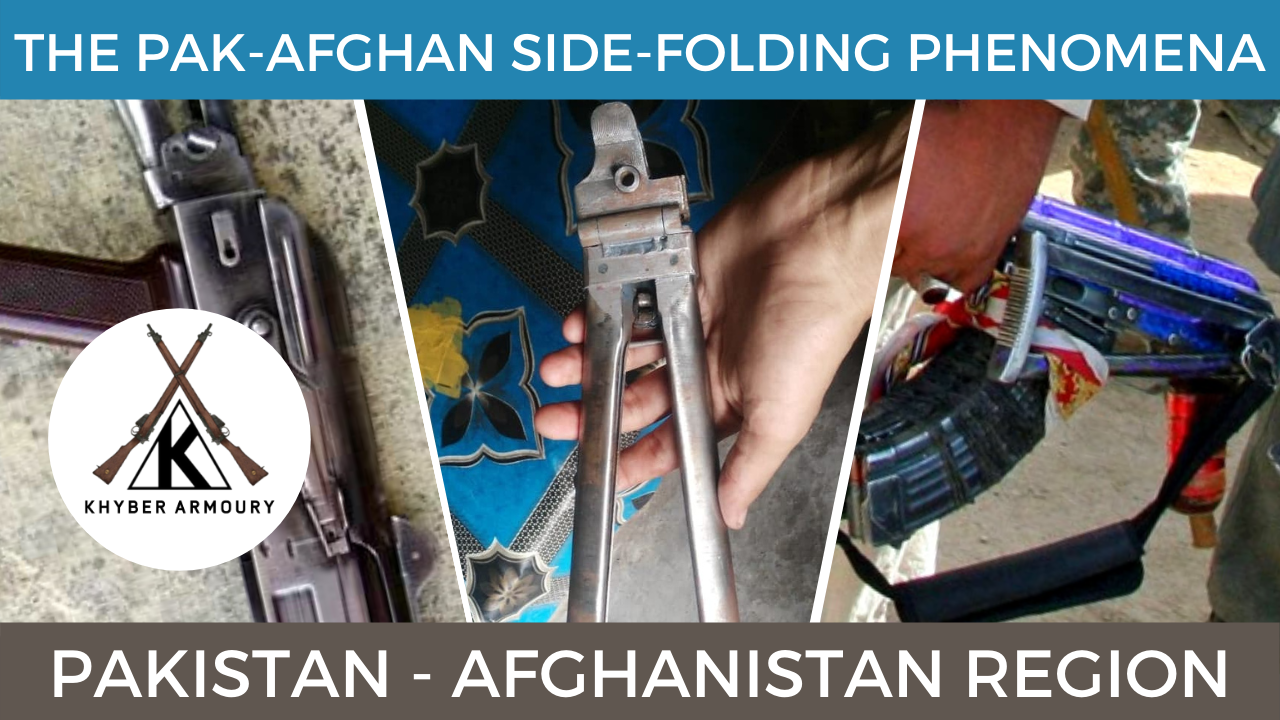
Over the past few decades, a certain style of AK-pattern self-loading rifle or more specifically an AK variant feature has come out on top to be nicknamed the iconic ‘Khyber AK’ style by arms enthusiasts outside the Pak-Afghan region. This was destined to be so, especially after being seen in the hands of the infamous Usama Bin-Ladin, which helped propel this AK style into the limelight. Although it would be incorrect to assume one specific style to be the definitive Khyber modified or built AK type self-loading rifle ‘design’ due to the multitude of styles and variants manufactured in the Khyber region. The AKM or an AK-pattern rifle fitted with the iconic Russian skeleton triangle side-folding buttstock found on the AKS-74 and AKS-74U, has become that iconic piece. Not only that, but it truly is also one of the more popular choices for a folding buttstock within the Pak-Afghan region in general.
Podcast V29: Michael – IDF Veteran Paratrooper of Yom Kippur War
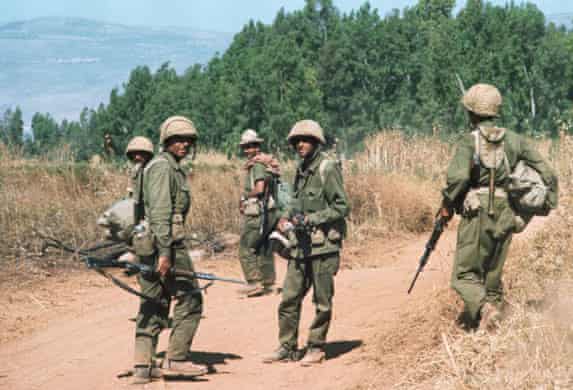
Welcome to the 29th episode of the Silah Report Podcast! We recently had the pleasure of speaking with Michael, a former veteran paratrooper in the Israeli Defense Forces who participated in the Yom Kippur War (known in the Arab world as The October War). Michael shared his experiences in the IDF starting with his training, which had a lot of surprises hidden for us, all the way up to his role in the Yom Kippur War in 1973. We also enquired about the types and origins of firearms he encountered during his service that his Arab adversaries had used. Later on, Michael would end up serving as a firearms instructor (specializing in Warsaw Pact weaponry) and after that a firearms specialist for a private firm.
Note: The views of the individuals we interview on the Silah Report Podcast represent themselves only and not the views of Silah Report. In Silah Report, one of our core tenets is to remain apolitical and unbiased when it comes to our research. Indeed, in Silah Report we have members from different ethnicities, religions, and political views. We do not let our personal convictions affect the quality of the content we provide to our audience and we do our best to provide you with the most accurate and unbiased information available.
Six Day War Tactics and Equipment: Sinai Front
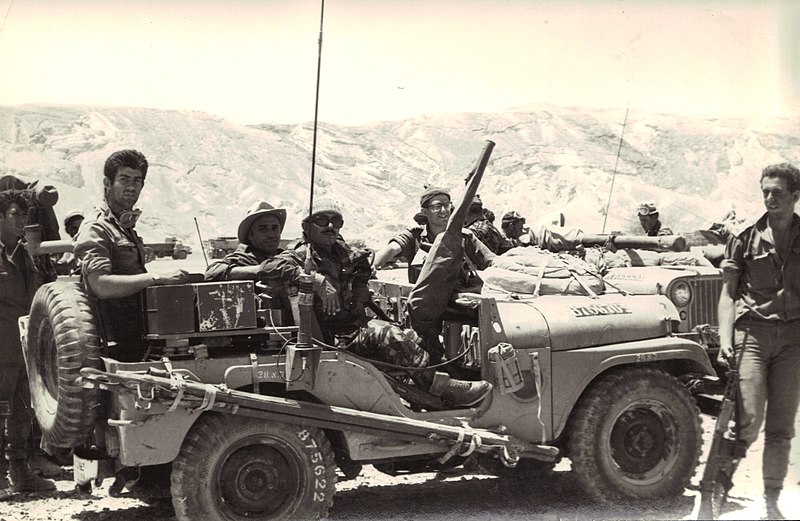
Israel’s infantry tactics had changed drastically since the 1955 Suez Crisis, in which Army Chief of Staff Mosha Dayan focused almost entirely on traditional infantry and airpower, neglecting armor and logistics. The British and French had significant success with armored assaults on Egyptian forces during the Crisis. This proved to Dayan that a strong mechanized infantry and armor corps would be the key to success for Israel in the inevitable future warfare over Sinai. Finkel and other commentators refer to this as the “cult of armored warfare”, which neglected defense for offensive capability entirely.[1] By the time the 6 Day War began, in 1967, Israel’s forces were better equipped but no more well trained than the army had previously been. This would prove to be a major issue.
Podcast V28: Noori, The Iraqi Gun Engraving Artisan
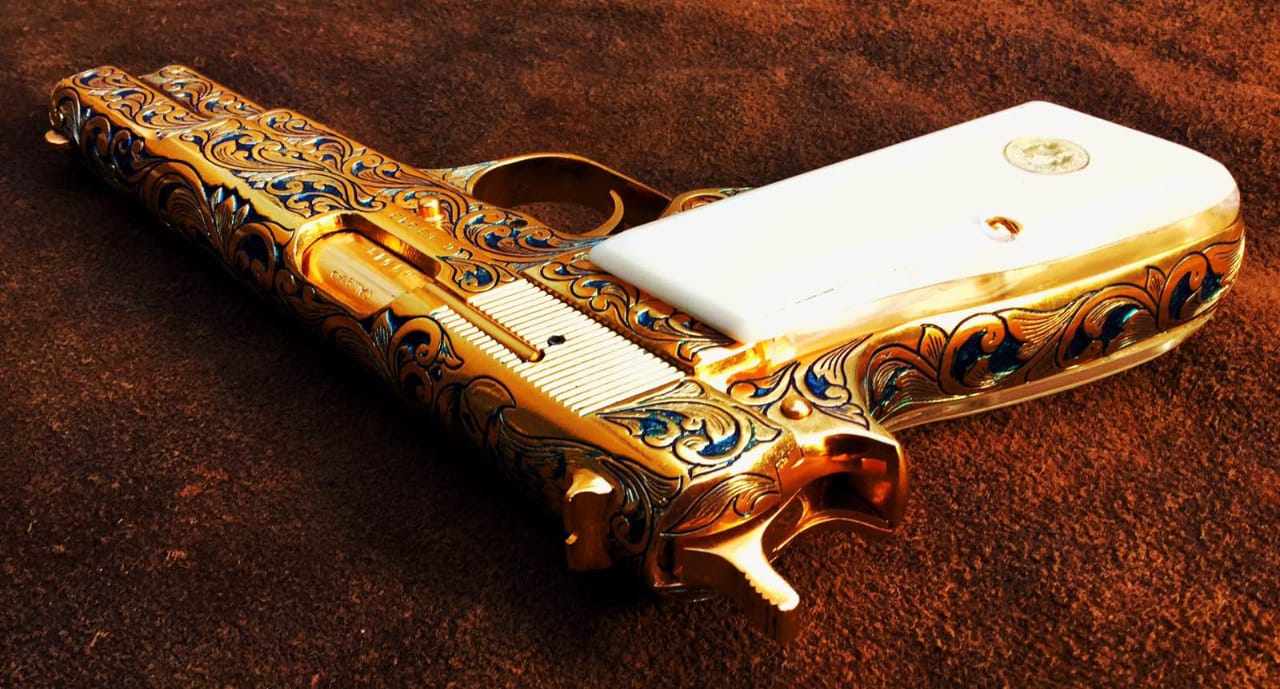
Welcome to the 28th episode of the Silah Report Podcast, we recently had the pleasure of speaking with Noori, an artisan who runs a business of handcrafting decorations on firearms in Iraq. We have covered Noori’s interesting work in past articles here at Silah Report. To say that the quality of his artwork is incredibly professional and its quality is extremely beautiful would be an understatement. In our interview with him, we enquired in-depth abut Iraqi gun culture, his background, how he entered the field, his business in a war-torn country, the challenges he faced and what does think the future holds for him.
Origins: Darra’s PPSh-41 Franken-Builds
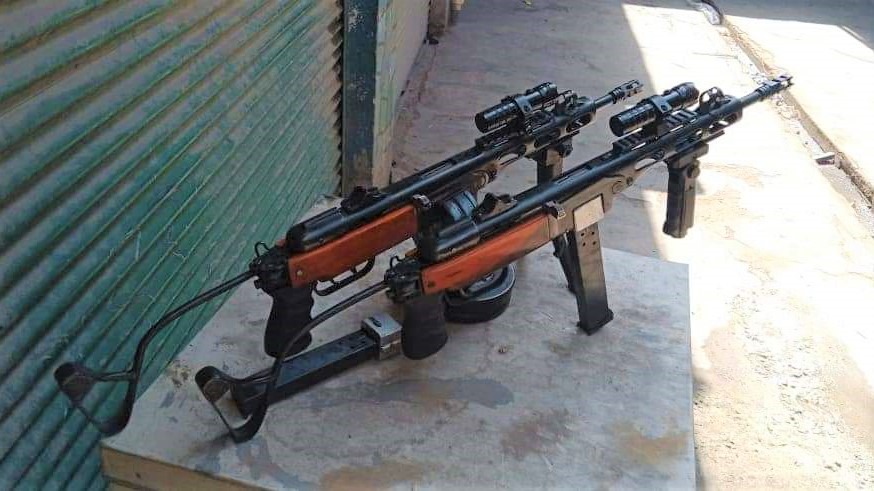
There have been a few images circulating on social media depicting several PPSh-41-patterned submachine guns modified with blasphemous ‘tacticool’ configurations. Locally, these submachine guns are called the ‘Papusha‘ and are chambered in the same 7.62×25mm pistol cartridge as the original guns. The 7.62×25mm round is locally known as .30 bore. Almost all of these images can be traced back to Pakistan, specifically Darra Adamkhel, where dealers have them displayed in their shopfronts and also on their social media pages.