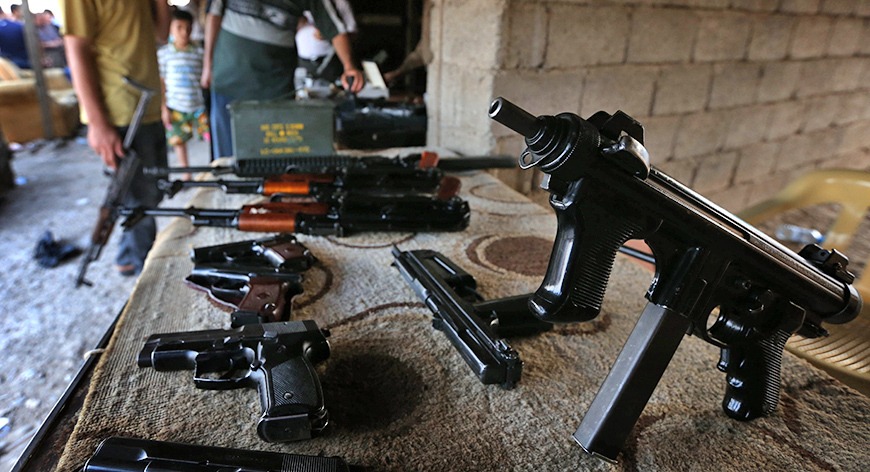
In the 17th episode of our podcast, we had a new guest from the Kurdistan region who was well versed in the small arms market in the region. The host for the episode was Adham and we had Miles, Daniel, Khyber Abdullah, Mick, our patron Nate and last but not least, our guest from Kurdistan, Rasty.
Submachine Guns
A Lanchester Machine Carbine in Aleppo
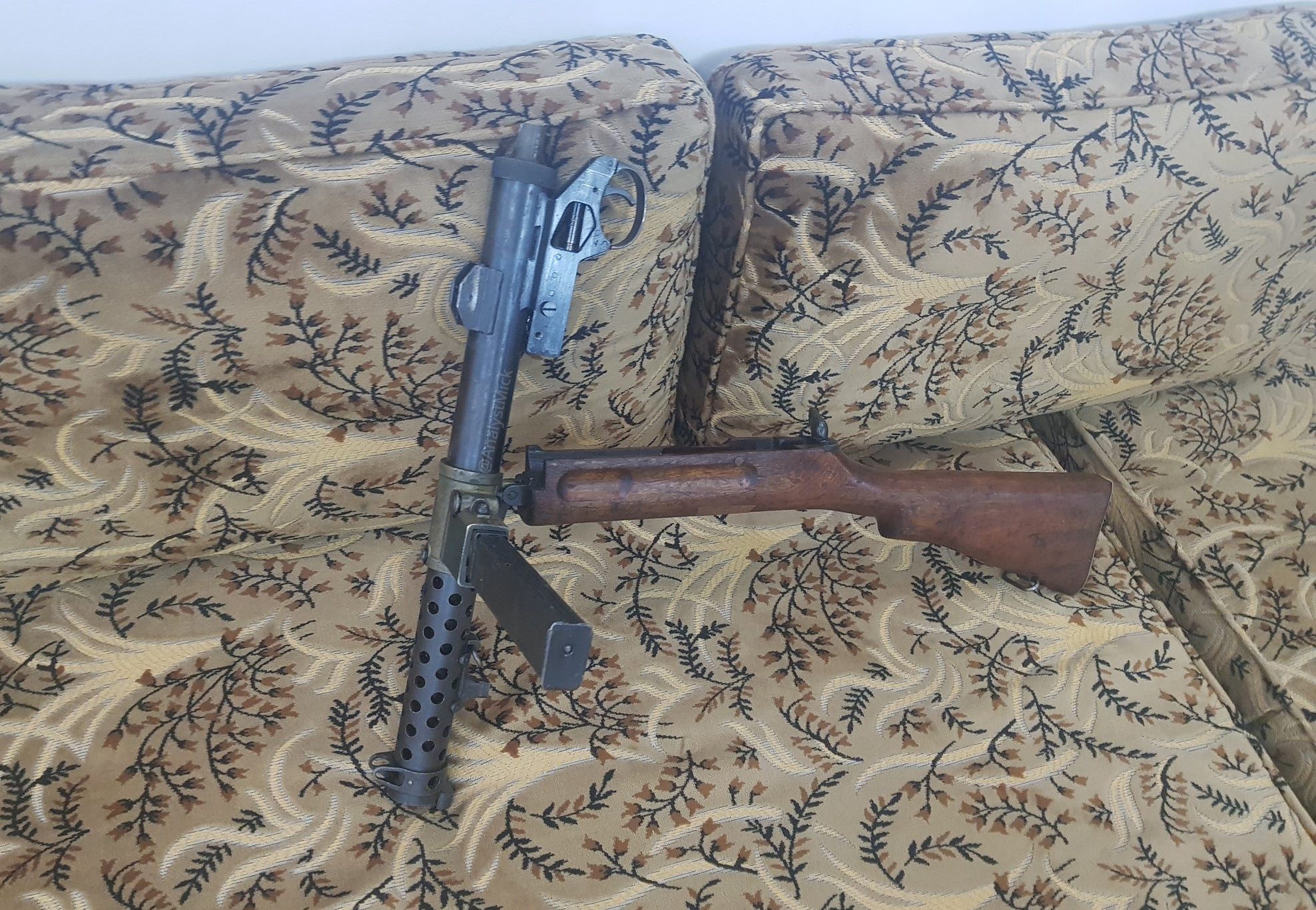
Back in November, friend of Silah Report and frequent author Analyst Mick, shared some photos of a British World War Two-era submachine gun, a Lanchester Machine Carbine. The photos placed the venerable submachine for sale in the Syrian-regime held city of Aleppo. The Lanchester was Britain’s first submachine gun, with plans for its production put in place just before the development of the STEN gun.
V8 Silah Report Podcast: sniper ‘battalions’ in Idlib, G36 rifles & more!
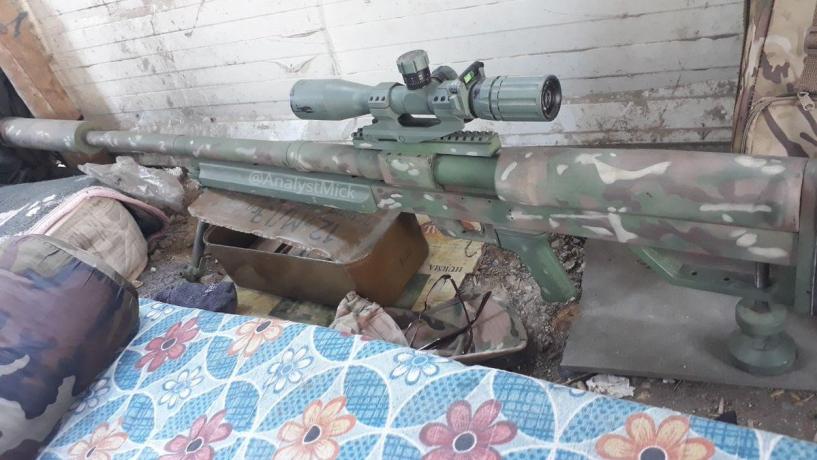
In episode 8 of the Silah Report Podcast, Miles and Adham are joined by guests AnalystMick, Daniel, and AbuZaben to discuss their recent findings in the MENA region. We cover sniper ‘battalions’ in Idlib, interesting SALW being offered for sale in Yemen, German vs. Saudi G36 rifles, and more! We also answer questions provided by our Patreon backers at the $5 or more per month level. Want to ask us a question related to small arms and light weapons in the Middle East, North Africa, or Central Asia regions? Become a backer today!
https://soundcloud.com/silah-report/v8-silah-report-podcast-sniper-battalions-in-idlib-g36s-and-more
Further into the “Egyptian Thompson”
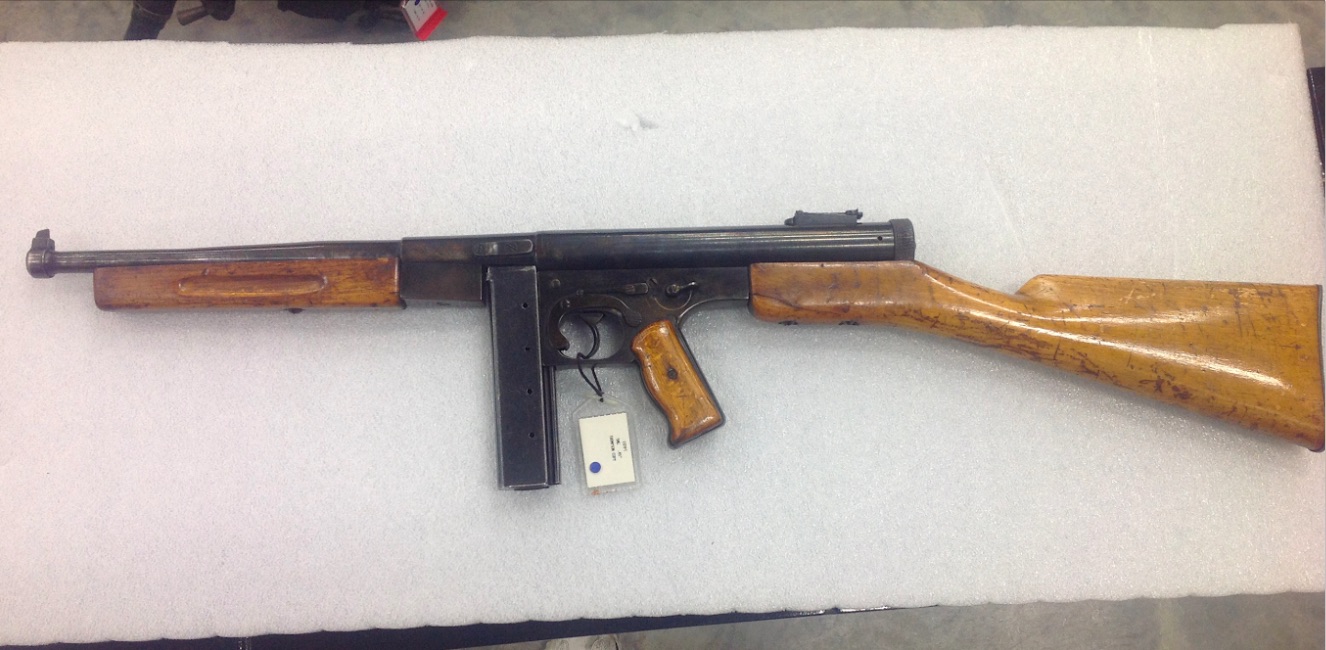
Earlier on Silah Report we wrote about the so-called ‘Egyptian Thompson” from what little information that was gathered by Mr. Lawerence on his website devoted to submachine gun designs. Recently Mr. Lawerence contacted us regarding some updates on the “Egyptian Thompson” and has kindly provided us with some details on its fit, finish, and handling characteristics. In a separate note, while on a recent foray in Egypt, Silah Report staff learned about the possible presence of some “Egyptian Thompsons” still in the country. We’ll be looking more into them as time goes on.
When Uzi Won- The Story of the Forgotten K-12 Prototype Submachine Gun
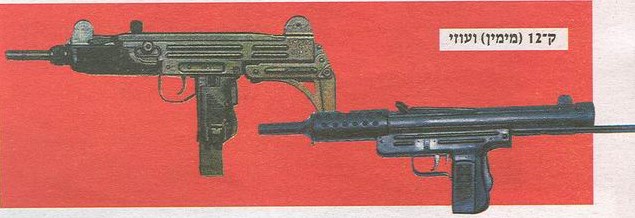
It has been the most successful and recognized submachine gun of all time. The Uzi has been sold more than any other small arm of its type and its bulky silhouette has become a cultural icon.
K6-92 / Borz SMG Spotted in Turkmenistan
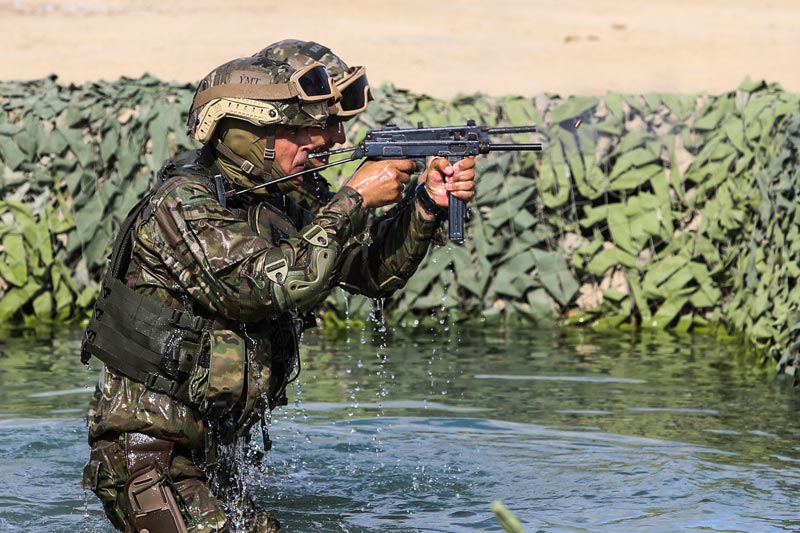
The Journal of Ministry of Defense of Turkmenistan regularly publishes on their website images of defense events. One of their latest posts includes a number of images of what looks to be tactical exercises or maybe a demonstration of the armed forces capabilities. Among these images, you can spot an Armenian K6-92 (or its version made in Chechnya and called Borz) submachine gun.
The Arms Smuggling Hub of Egypt: The South
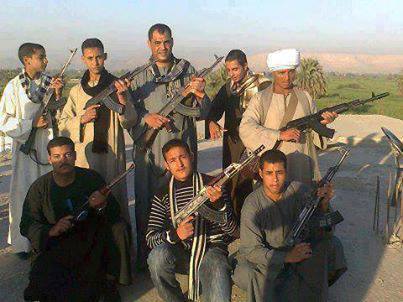
The southern region of Egypt is known for its green pastures lying on both sides of the Nile River, Abu Simbel Temple which tourists from all over the world travel to see, Lake Nasser that was formed by the Aswan High Dam, Luxor’s Karnak Temple. Valley of the Kings and so many more. Yet, there aren’t many tourists who would venture out and try to deal with the local inhabitants, who have their own unique Egyptian Arabic dialects, own unique traditions, and culture, which separates them from the dwellers of Cairo, Alexandria, and Northern Egypt.
Egyptian Female Volunteers in Suez Crisis and Their Armaments
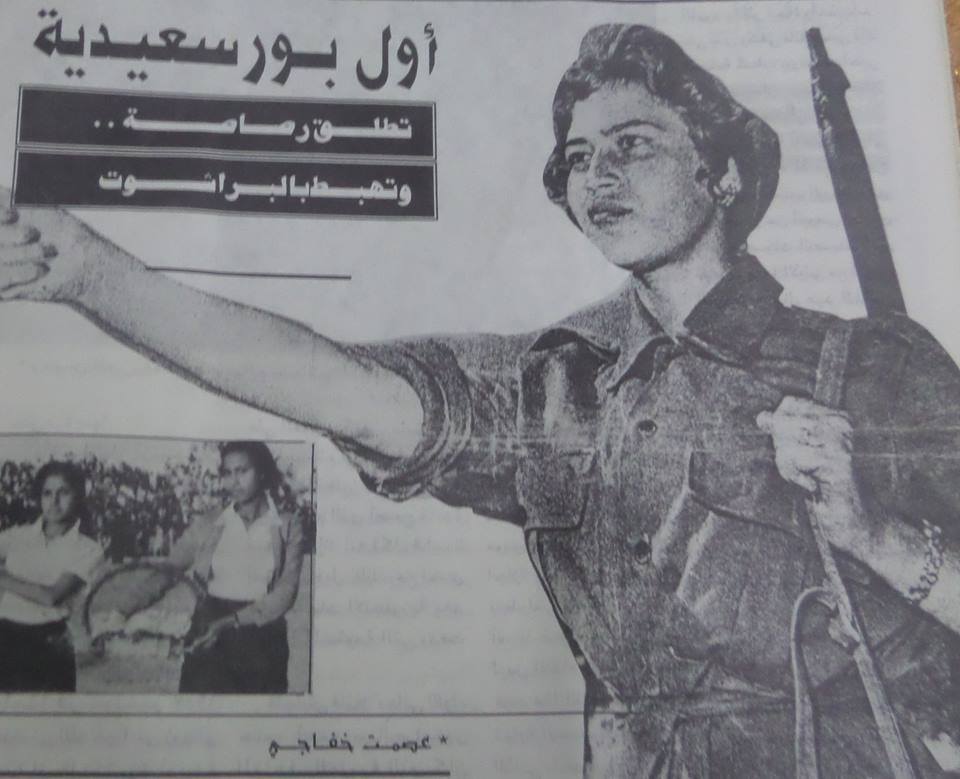
Whenever you think of female warriors in the Middle East, the very first thing that crosses the Western mind is the YPJ (Women’s Protection Units), an all-female Kurdish militia that fights with other Kurdish militias such as the YPG (People’s Protection Units). Of course, with the war raging against ISIS, and the terrible atrocities committed against women, the global media fixated their spotlights on the female warriors who fought tooth and nail against a patriarchal, barbaric and medieval-minded opponent.
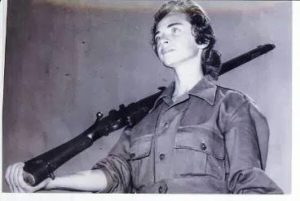 Within modern Arab history we have examples where women carried arms and fought as well.
The Legend of the Egyptian Thompson
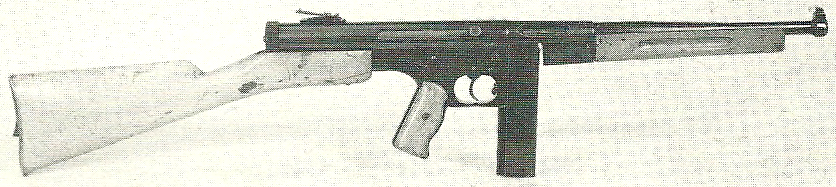
There is a one of a kind Thompson submachine gun variant that remains hidden from the public eye for more than fifty years at the National Firearms Centre in the United Kingdom (NFC catalog reference page here). The so-called “Experimental Egyptian Thompson” caused a lot of confusion and rumors to spread about Auto Ordnance and Kilgore Manufacturing Company for years but the mysterious Thompson’s mystery was finally resolved.
This is the picture of the Egyptian Thompson, and before I get into the details of the “Silah” (weapon, in Arabic, the more you know!), here is what was written on a small arms enthusiast’s website–
“An Egyptian-manufactured Thompson submachine gun copy made in the early 1950’s. The barrel is an original Thompson barrel made by Auto Ordnance Corp. but everything else was made in an Egyptian state factory. It is of poor quality. Interestingly, the body is cylindrical rather than rectangular, and the cocking is on the right side.”
According to the description, Auto Ordnance was in one way or another, involved with this Egyptian prototype, but according to an article written in Small Arms Review, “The Kilgore Manufacturing Company, Westville Ohio” by an author named “Tom Davis, Jr”, that’s not the case at all. Initially, the article mentions a book written by Thomas B. Nelson called “The World’s Submachine Guns” where he mentions the weapon in question and calls it “Experimental Egyptian Thompson”, that it was produced in the early 1950’s and had an Auto Ordnance markings on the top of the receiver!
The author of the article goes ahead and proves that Auto-Ordnance wasn’t involved and there are no markings for the company on the receiver whatsoever. He mentions a British firearm research known as John Cross who checked the weapon out in the NFC who had the following to say on the weapon as the article quotes him-
“This submachine gun is very crudely made. There are no markings or numbers of any sort on any part of the gun. The gun pictured in Mr. Nelson’s book is indeed the same gun as on display at the National Firearms Centre. There is no background information on this gun at the Centre. However, a careful study of the Register of Firearms at the Centre indicates the acquisition would have been in the 1956 timeframe, around the exact time of the Suez Campaign of 1956…”
Along with additional pictures posted on the article’s website for the dismantled receiver, we can safely presume that indeed, Auto-Ordnance had nothing to do with this Thompson.
Mr. Cross went ahead describing the weapon down to its smallest detail-
“The buttstock appears to be sawed off from an Italian Carcano rifle and has a poorly fitted alloy No. 4 butt plate. The foresight is similar to the Thompson Model M1A1 but homemade, and the rear sight is taken from some old military rifle, possibly a Martini. There is no provision for semi-automatic fire. It contains only two Thompson parts, the magazine and barrel – which is screwed only hand tight into the receiver. The extractor and the front part of the reduced diameter of the bolt have been brazed on the rear section of the bolt and then badly case hardened in an open furnace. The firing pin is machined into the breech face of what could possibly be the front section of a M1A1 Thompson bolt. Interestingly, the mainspring cap is the sawed-off base of an EC 43 steel .45 caliber ACP casing. The mainspring was either originally not long enough or had broken and had been brazed together. The bolt body consists of a rear section of several sections welded together. The pistol grip is a machined block with the grips made of several sections of 1.5mm steel welded together in the same style as a Lewis gun. Despite appearances, the magazine catch is not from a Thompson gun.”
In classic British humor, he stated the following “As I had not remembered to bring my suit of armour or safety glasses with 1 inch thick glass, no attempt was made to fire this weapon!” The “silah” sounds like a real DIY (Do It Yourself) Middle Eastern firearm, and probably one of the first in the 20th century!
In the end, this was a “Thompson-ish” weapon made and used to fight the Anglo-French occupation of Egypt and as I am Egyptian and therefore biased as hell, unfortunately, I see it as a crude weapon made that is a manifestation of Egyptian willpower to fight back. True, Egypt was invaded and occupied by almost every superpower or major civilization throughout history, but there are Egyptians, who are willing to stand up and fight back although all the odds are against them. On the other hand, you might see whoever made that weapon as a brainwashed patriot who fought for the wrong cause. Perhaps one day I might be able to see the silah in person.
Iranian PPSh-41 Production During the Second World War
In the interwar period, Iran’s military industry was primarily dominated by the German investments. In 1933, with the German support, Iran established a powder plant in Parchin (25 kilometers to the south-west from Tehran). Starting from 1934, Tehran Military Arsenal started assembling Mauser rifles from parts kits imported from the Czechoslovak Republic with only stock being locally made. Later they started manufacturing these rifles in Fritz Werner factory which was another plant built by Germans. There was also an ammunition plant and Krupp artillery shell manufacturing plant established in Sultanabad. In 1940 Germany built a gas mask manufacturing factory near Tehran. A German and Czech joint company called “Nabar” was building a new plant in one of the districts of Tehran that was supposed to make ZB-26 and ZB-50 machine guns.
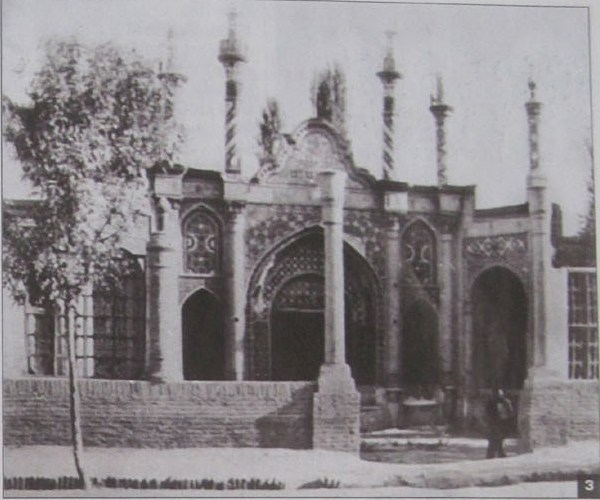
Besides the above-described investments in small arms and ammunition manufacturing, Germany had large investments in other segments of the Iranian military industry, too. UK and USSR were concerned with such strong German presence which probably was one of the reasons of the Anglo-Soviet invasion of Iran. Here is an excerpt from the Wikipedia article describing this invasion:
The Anglo-Soviet invasion of Iran, also known as the Anglo-Soviet invasion of Persia, was the joint invasion of Iran in 1941 during the Second World War by the British Commonwealth and the Soviet Union. The invasion lasted from 25 August to 17 September 1941 and was codenamed Operation Countenance. Its purpose was to secure Iranian oil fields and ensure Allied supply lines (see the Persian Corridor) for the USSR, fighting against Axis forces on the Eastern Front. Though Iran was neutral, the Allies considered Reza Shah to be friendly to Germany, deposed him during the subsequent occupation and replaced him with his young son Mohammad Reza Pahlavi.
In 1941 Soviet small arms industry was not in its best shape, to say the least. Many plants were evacuated but hadn’t yet settled in new locations and there was a huge demand for new weapons and ammunition in the frontline. The Soviet Union decided to purchase small arms from its ally nations. Particularly, they were planning to buy from Iran 100,000 rifles, 500 LMGs, 400 medium machine guns, and 15 million cartridges. They were especially interested in buying as much of estimated 8,000 Iranian Maxim machine guns that they could.
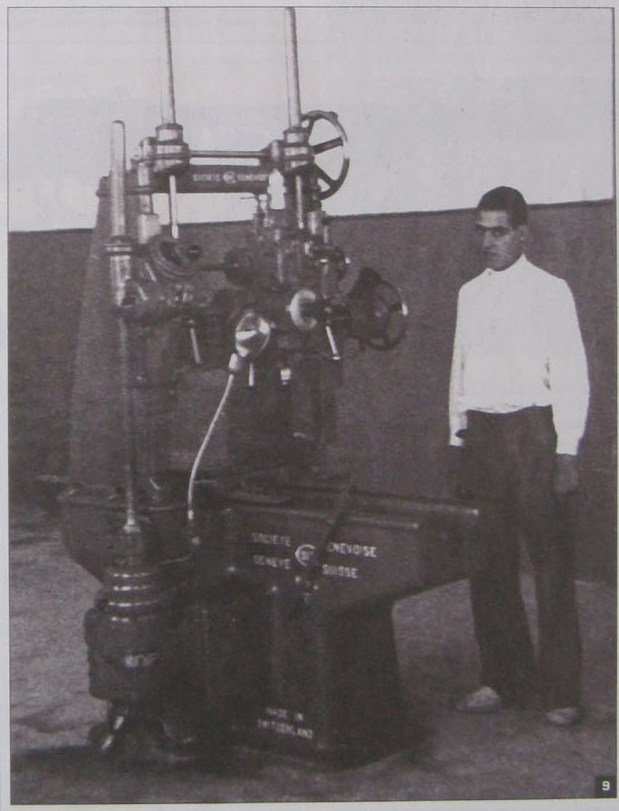
In 1942, the evacuated Soviet plants were already established in new locations and started working. However, the war has been escalating and there were even more losses of personnel and small arms. The demand for small arms was the all-time high. The Soviet Union officials started to think about sourcing more weapons and equipment from their allies. They were initially planning to buy from Iran the Tehran Arsenal, the unfinished machinegun plant, as well as powder and ammunition plants. Later, they decided not to buy them but place orders in Iranian plants, help to finish the machinegun plant construction, deliver equipment, assign specialists and qualified workers to Iran as well as supply the raw materials necessary to fulfill the Soviet orders. As a result of these negotiations, on January 23, 1943, a contract was signed between the two countries.
According to the contract, by January 1944, the Iranian machine gun factory was supposed to have manufactured 30,000 PPSh SMGs each equipped with six box magazines, spare parts and accessories. They were planning to start the manufacturing process in August 1943 with a production rate of 4,000 PPSh SMGs per month. That rate had to be increased to 6,000 SMGs per month. The #367 plant in Vyatskiye Polyany (today’s Molot Oruzhie) which was the main manufacturer of PPSh SMGs, sent the technical drawings and raw materials necessary for accomplishing the manufacturing plan of first two months (8,000 SMGs and 48,000 magazines). According to the contract, Iran could also make these weapons for their own use both during the war and after its end. The only restriction was that it was forbidden to transfer the technology to third countries.
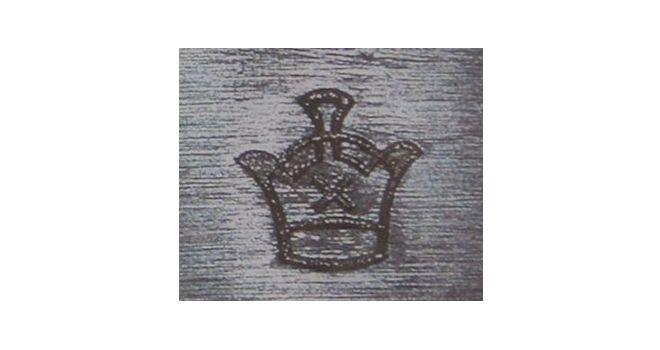
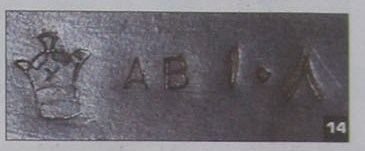
Despite the terms of the contract, the deadlines were not met and there were continuous delays for multiple different reasons. In 1943, only 214 PPSh SMGs were made in the Iranian plant. 11 from these 214 guns were sent to the Main Artillery Directorate of the Red Army as presentation guns for high ranking military and political officials. One of the SMGs was presented to Shah of Iran. The PPSh shown in the images of this article was presented to Anastas Mikoyan, the Minister of Foreign Trade of Soviet Union. These guns were hand finished and had multiple unique markings. The models that were supposed to be supplied to the Soviet army had only the crown on top of the receiver with other markings being identical to the Soviet guns.
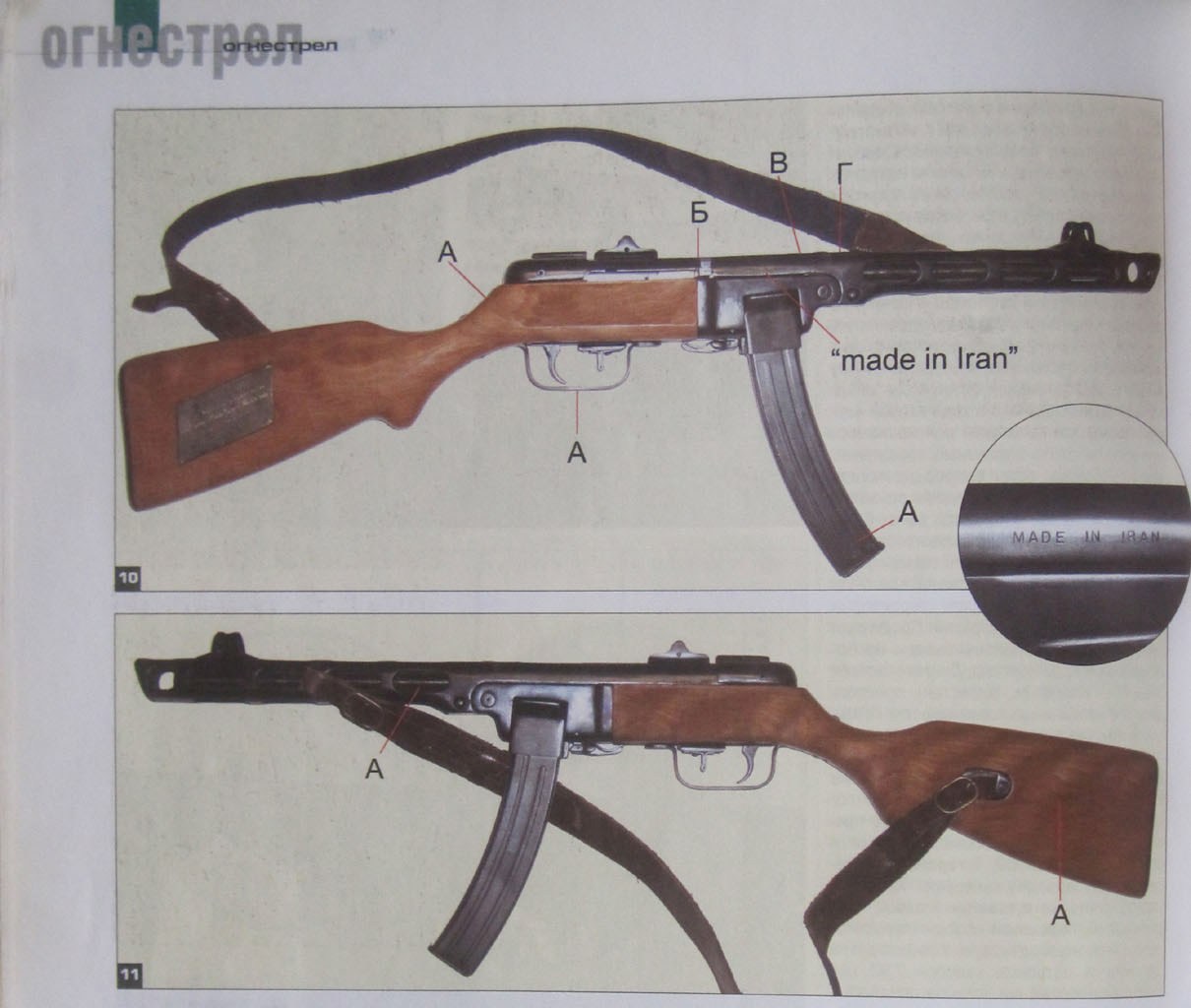
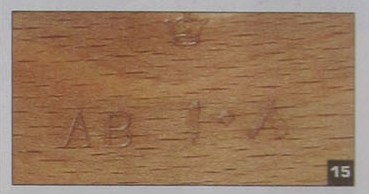
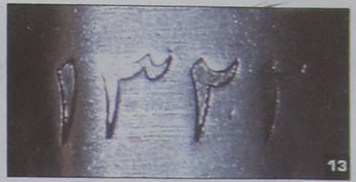
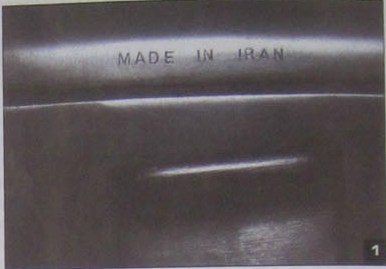
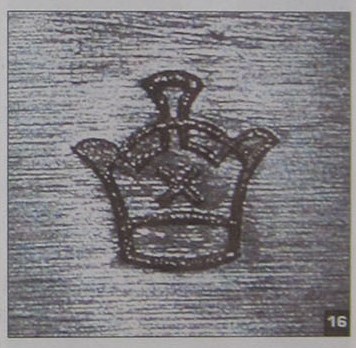
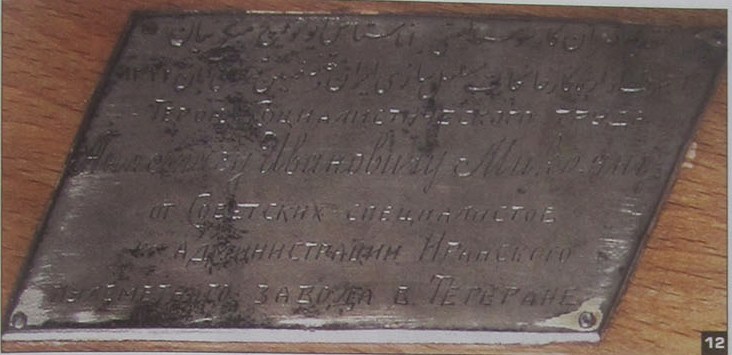
The production of these Iranian PPShs never met the set deadlines and it is unknown how many of them were supplied to the Soviet Union (various sources have various numbers). Reportedly, Iran made some PPShs for their own needs after the war, but there are no confirmed numbers either. The Iranian PPSh presented to Anastas Mikoyan is kept in the Central Armed Forces Museum of Russian Federation located in Moscow, Russia.
Sources:
Davidov B.V. (December 2005). “PPSH – Made in Iran”. “Mir Oruzhiya” Magazine.