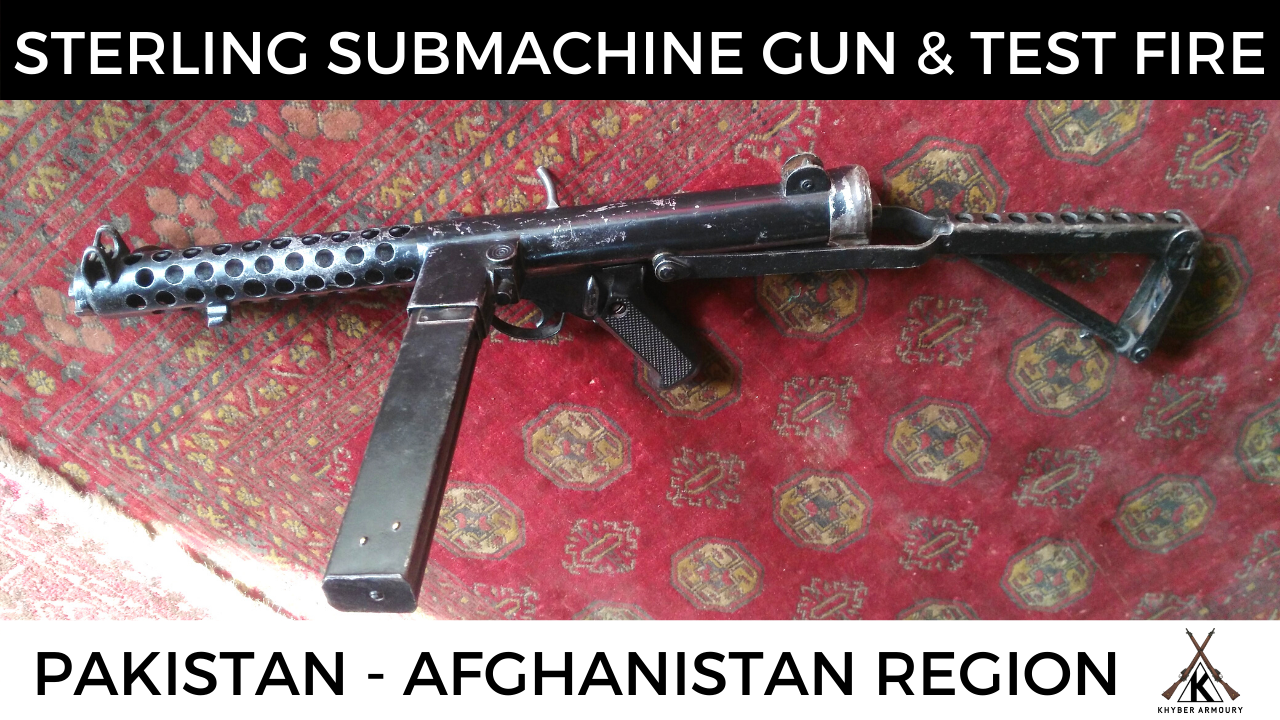
The Sterling submachine gun is a well renowned submachine gun of British design by George William Patchett – the head arms designer at Sterling Armaments Company in Dagenham, England, UK. The weapon is a select-fire, blowback operated submachine gun, utilising advanced primer ignition design and is chambered in the widely used 9×19mm cartridge. It is fondly remembered as a very reliable and rugged platform to this day by its users. It was initially adopted by the UK armed forces starting around 1953 replacing the earlier and more infamous STEN submachine gun and ended up being removed from active service in around 1994, replaced by the 5.56×45mm SA80 self-loading rifle. This platform of SMG has been used by a wide variety of countries across the globe and has also been manufactured by the UK, Canada, India and also Chile.
Civilian
Non-Barrelled Actions – What’s The Point?
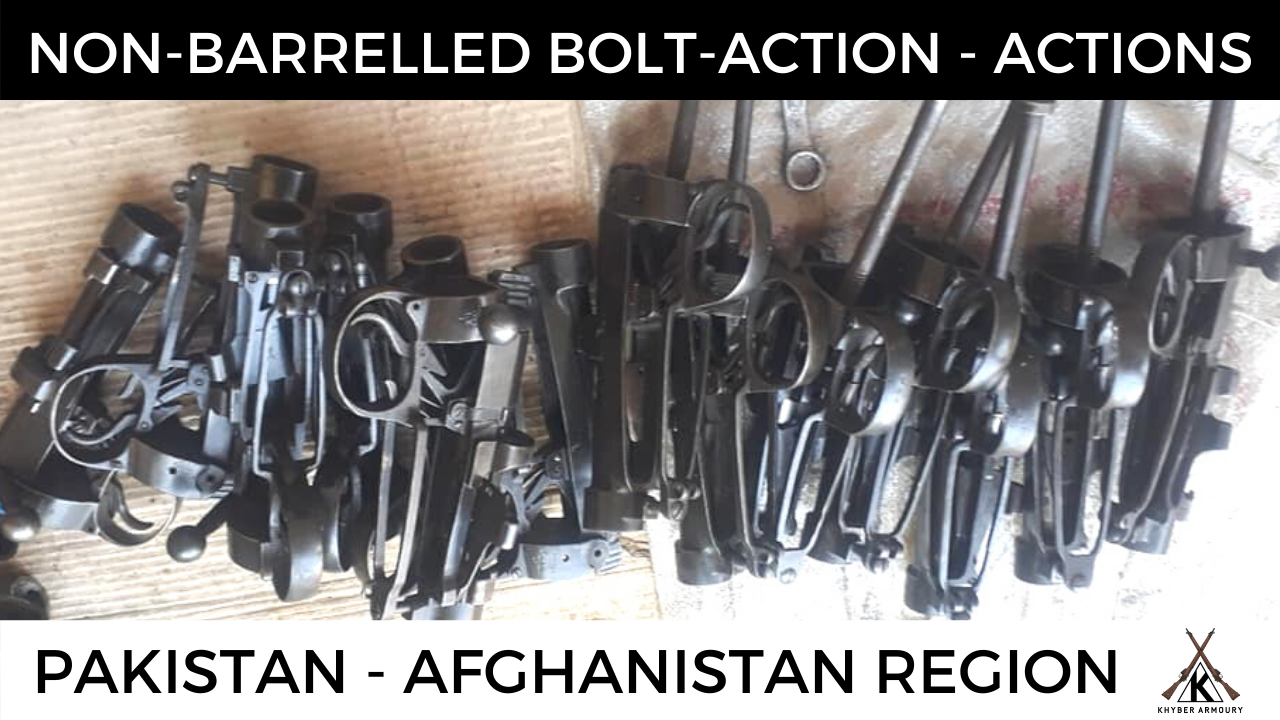
A number of images were shared with us which originate from one of the more famous dealers in the long running manufacturing and arms trading town of the ‘Khyber’ region in Pakistan – Darra Adam Khel. These images showed a bunched-up pile of non-barrelled actions for a number of bolt-action patterns, a dream for many collectors and shooters in places such as Europe and the USA.
The American ‘Tommy Gun’ In The Pak-Afghan Region
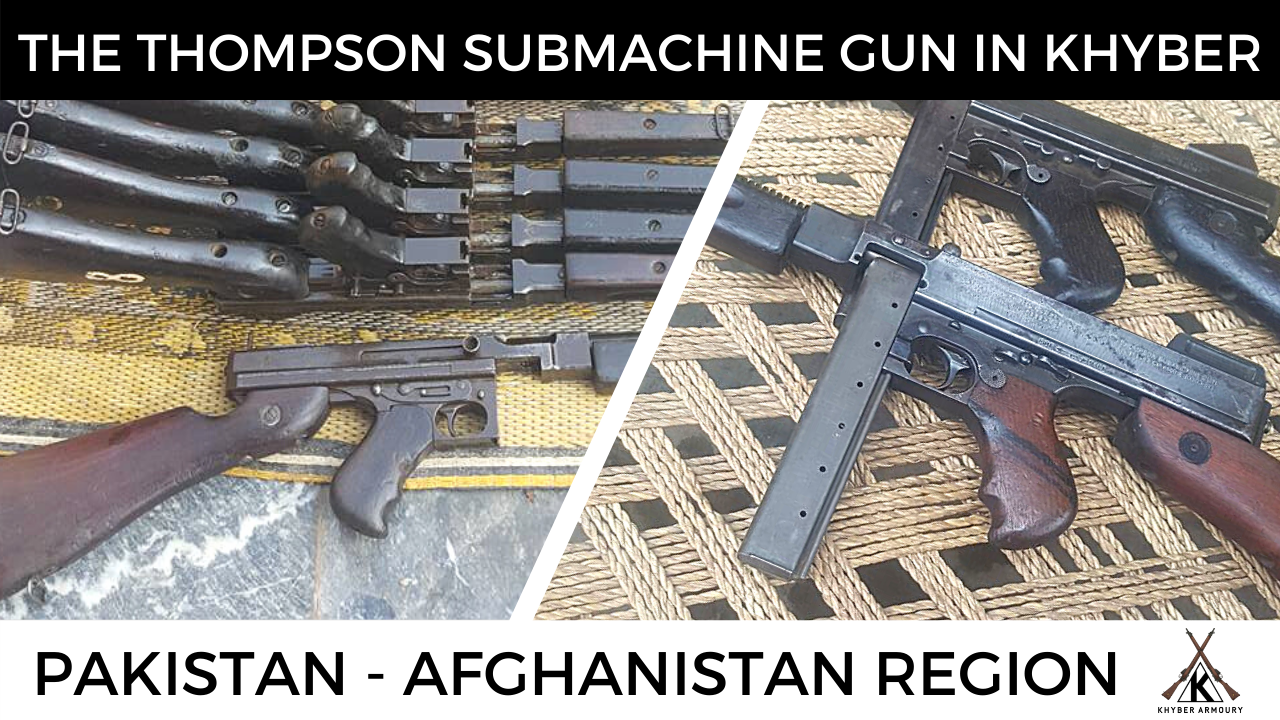
The Thompson models 1928, 1928A1, M1 and M1A1 submachine guns, famously also nicknamed the ‘Tommy Gun’, are a heavy weight milled all-steel submachine gun design, chambered in the U.S. military’s then standard issue pistol round – the .45 ACP cartridge, and designed in the USA in the wake of World War One. They were first adopted by the U.S. military in a widely used capacity during the World War Two, eventually being supplanted by the cheaper and simpler M3 and M3A1 ‘Grease-Gun’ submachine guns. A small but significant number have also been seen in the Pak-Afghan Region.
Hekmatyar’s AK
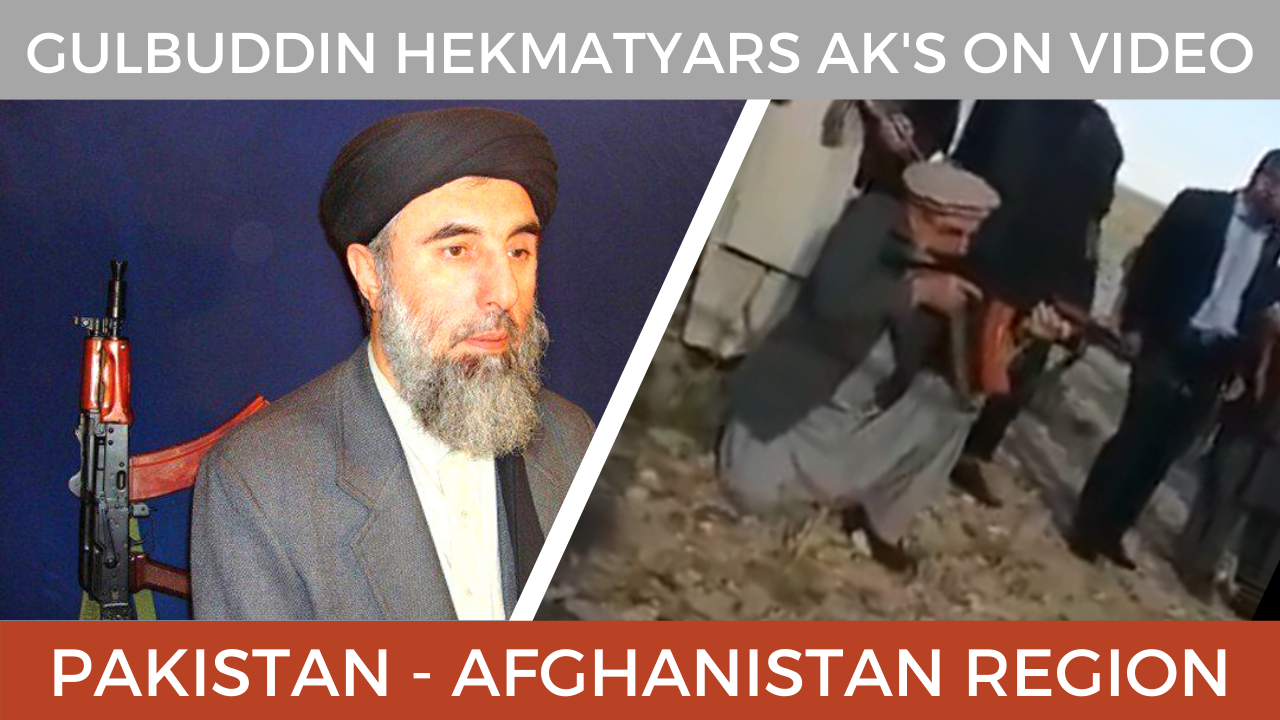
Recently, a colleague from Afghan Eye, an independent media organisation covering Afghanistan, shared with us a video uploaded by a Twitter user which purportedly showed an Afghan elder of some renown handling and firing an AK-pattern rifle. The man in question was Gulbuddin Hekmatyar.
The Khyber Diaries: A Pistol Component Shop
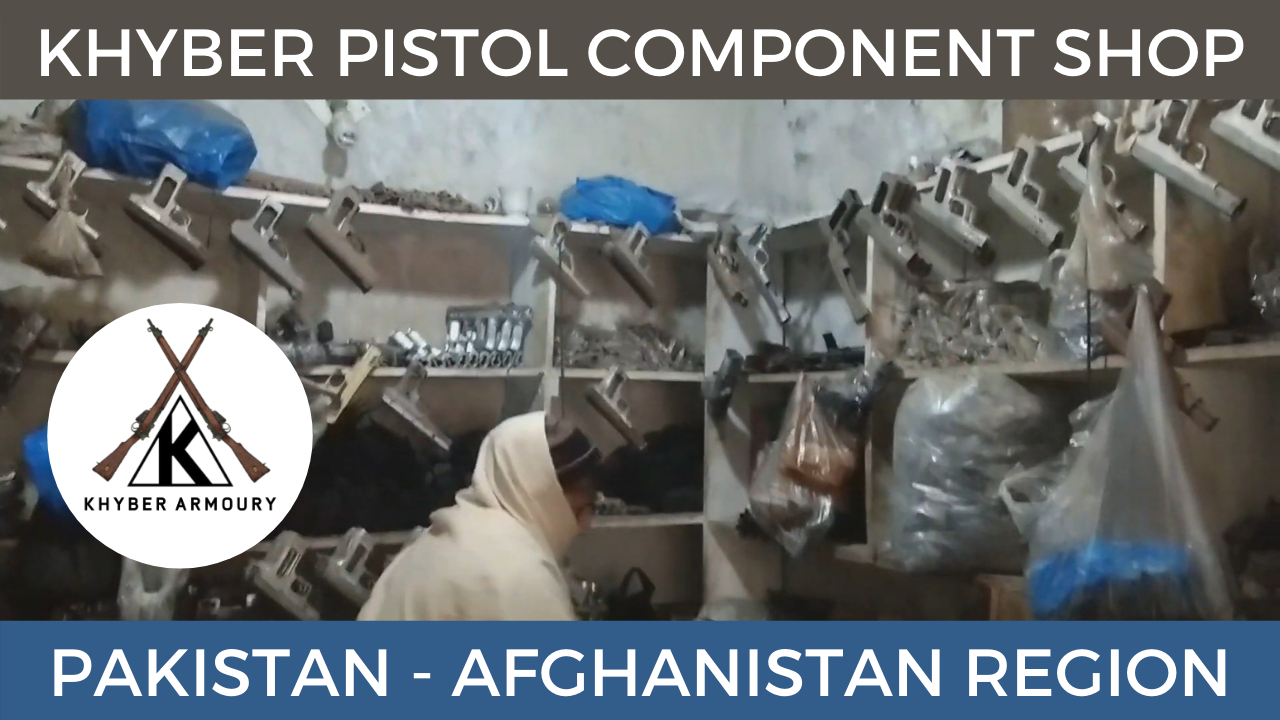
An often-misunderstood subject is how Khyber gunsmiths make their extensive selection of arms in the modern day. A major myth propagated by misinformed persons is the belief that gunsmiths of the Khyber region fabricate the parts for their firearms from scratch, by hand. The truth is, we aren’t living in the early to mid-1900s anymore and these smiths have no need to make these by hand – for the most part and haven’t done so for a few decades now.
The American ‘Grease-Gun’ In The Pak-Afghan Region
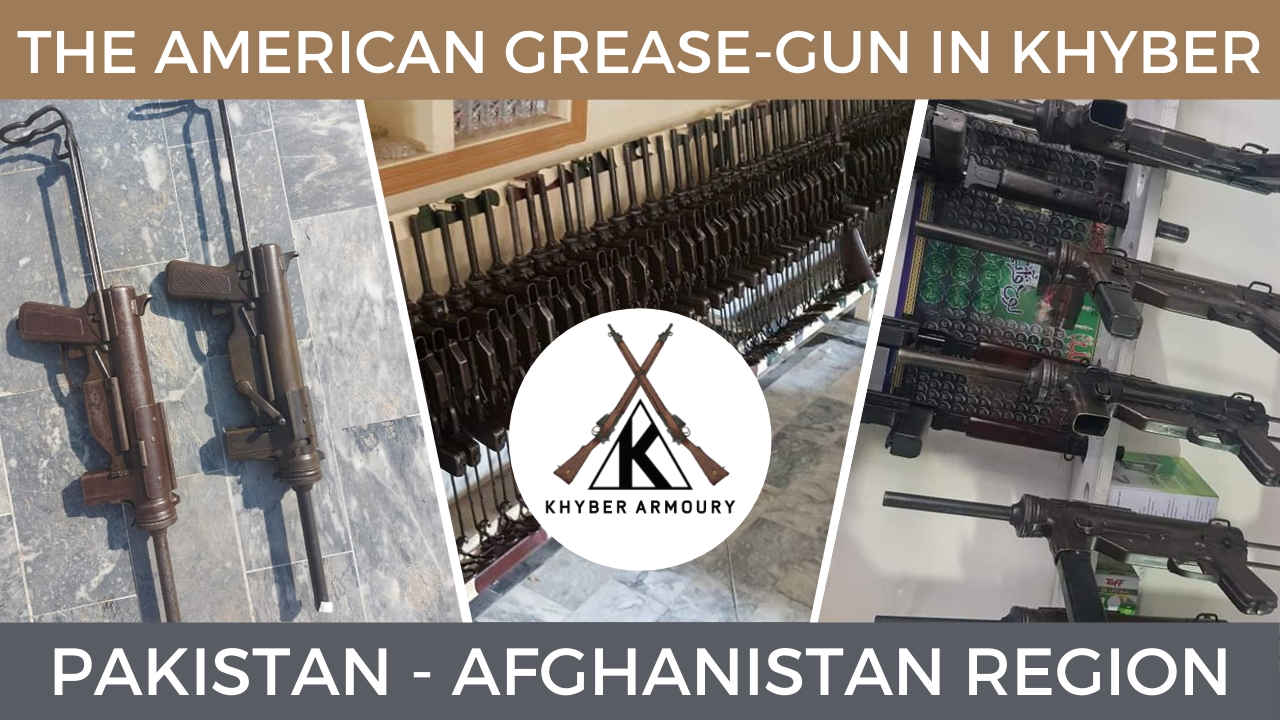
The M3 and M3A1, famously also nicknamed the ‘Grease Gun’ due to their appearance, are a straight blowback submachine gun design, chambered in the U.S. military’s then standard issue pistol round – .45 ACP cartridge, and designed in the USA. The M3 was first adopted by the U.S. military in a limited capacity in early 1943, eventually supplanting the M1 and M1A1 Thompson submachine guns. Fascinatingly, a significant number have also been seen in the Pak-Afghan Region.
The Furniture of the Middle East
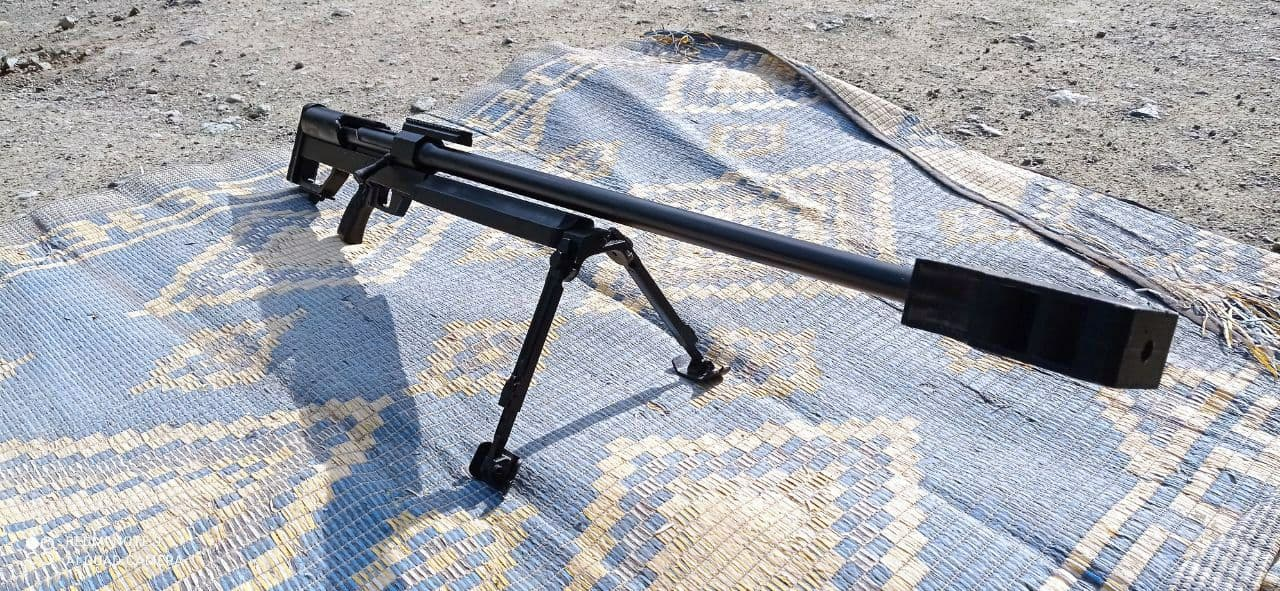
Throughout the MENA region, we see the private sale of firearms online but they often get in the way of the more interesting things in the photographs – the furniture! In this article, we will examine some of the vibrant and varied furniture spotted in numerous Middle-Eastern countries, written as a joint project by several Silah Report contributors.
Exploring the Etymological Origin of the so-called “Technical”
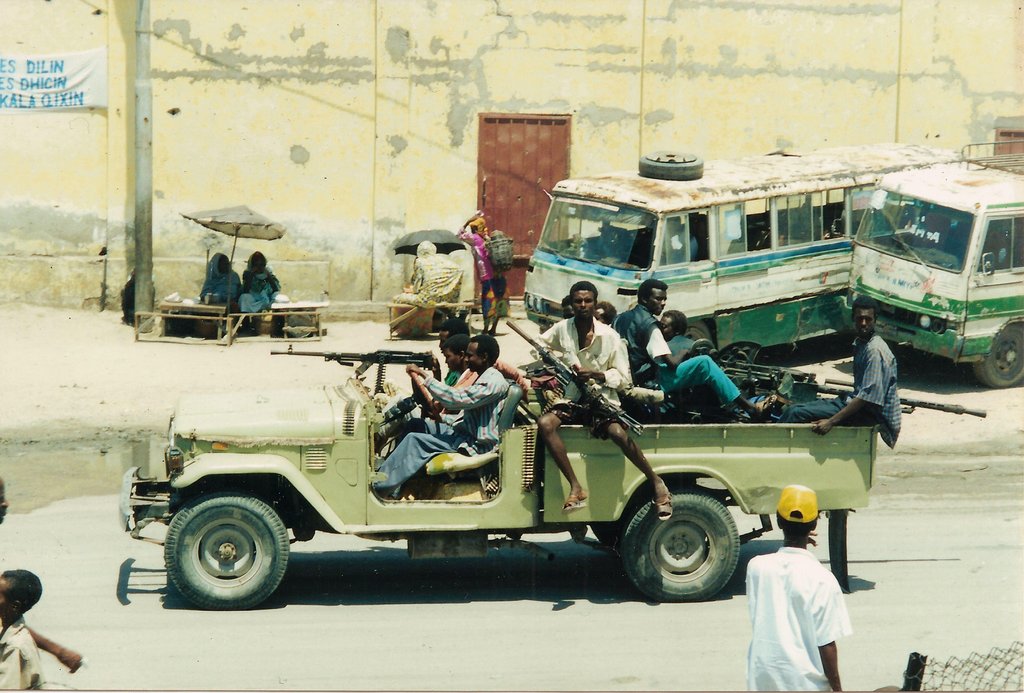
The term technical as a designation for light improvised fighting vehicles is quite the neologism (a word or term which has entered use relatively recently), which has increasingly entered common vernacular, though not yet fully accepted into mainstream military parlance of professional First World armies. The latter often speak instead of a Non-Standard Tactical Vehicle (NSTV), which quite sufficiently covers what a technical actually is. In this article we’ll examine the etymological origins of the ‘technical’.
The Khyber Diaries: A Glimpse Into An ‘Antique’ Arms Shop
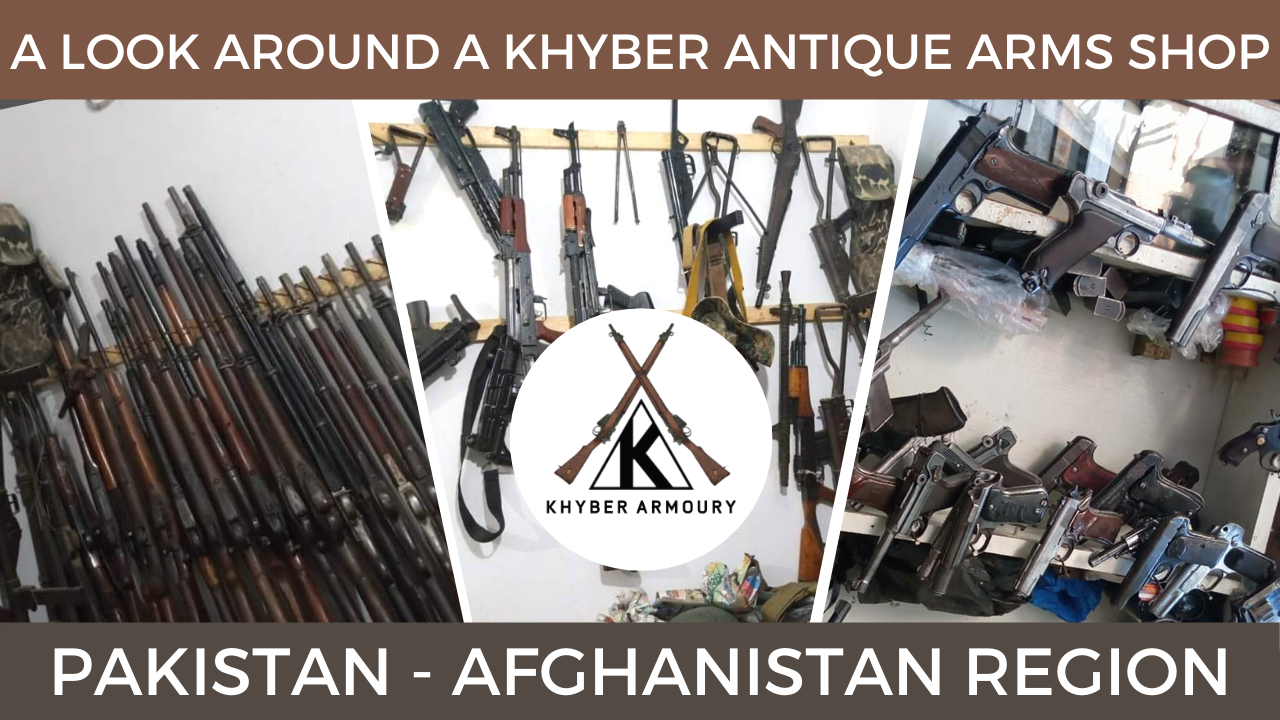
An often-nostalgic thing to do is reminisce of the arms shops in the days of old. Those well-stocked dealerships. They were once a lot like Aladdin’s cave with large arrays of plentiful, but now hard-to-find arms on display and for sale, at extremely affordable prices by today’s standard. Luckily, we can occasionally encounter some remnants of these days in Pakistan where an abundance of now-antiquated firearms are still to be found in the arms bazaars of Khyber Pakhtunkhwa within places like the infamous town of Darra Adamkhel and to a lesser degree, in those within and close to Peshawar city.
Small Arms of the Iranian Movie: “Damascus Time”

Damascus Time or (به وقت شام), written and directed by Ebrahim Hatamikia and produced by Mohammad Khazai, is a 2018 Iranian film about a fictionalized hijacking of a humanitarian cargo aircraft by ISIS during the Second Palmyra Offensive in 2017 and the survival of its Iranian and Syrian crew. Filmed in both Iran and Syria, the film takes clear inspiration from American action staples such as Air Force One and the many cinematic depictions of the Global War on Terror. But in this film, expressions of American exceptionalism and sympathetic portrayals of their foreign policy are exchanged for Iranian ones. Like with many films, the firearms used within the film and how they are portrayed reveal certain subtexts around the film and how it portrays the civil war in Syria.