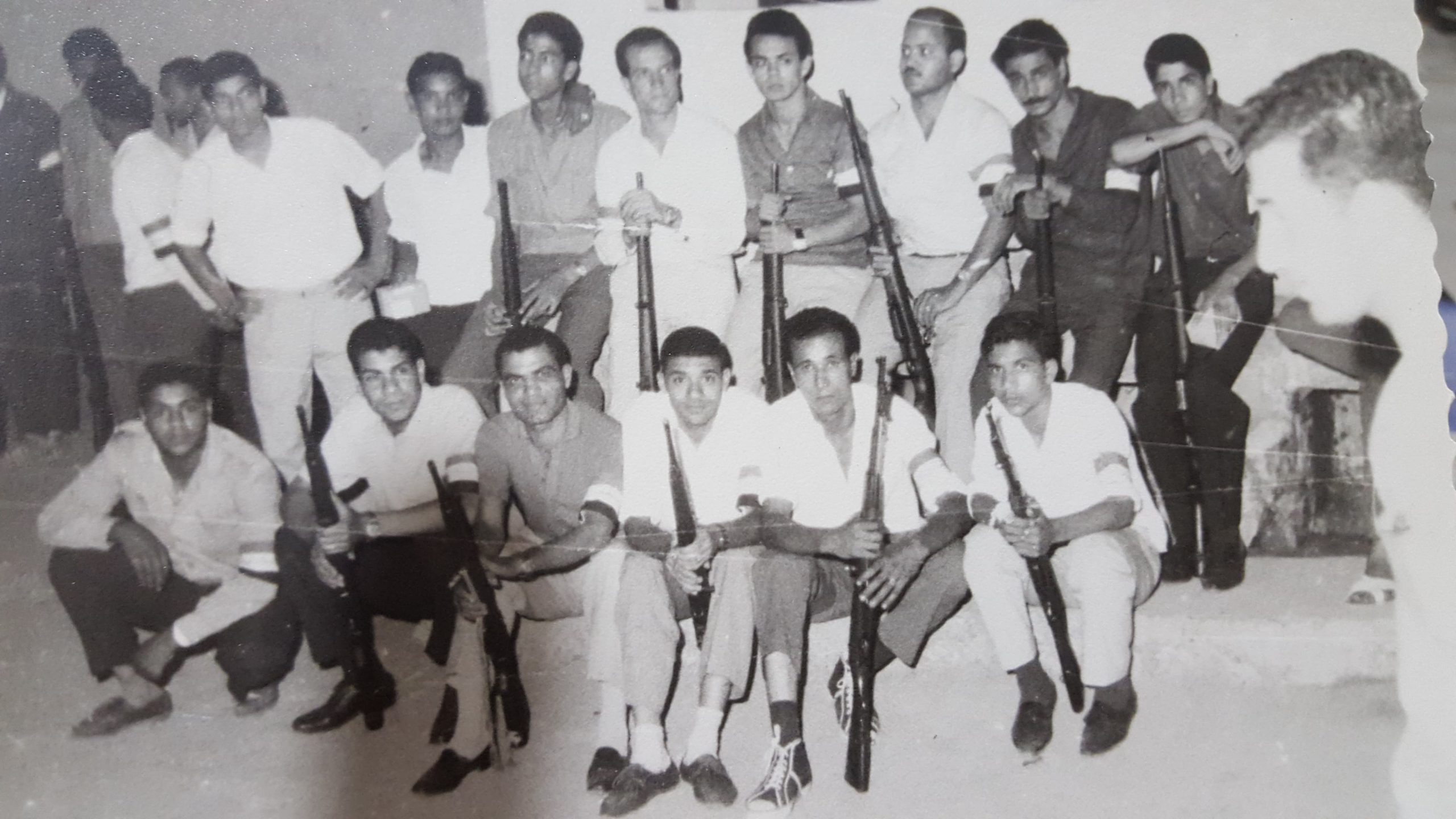
In our journey to uncover wartime stories from all sides during the Arab-Israeli Conflict, we managed to meet Galal Abdo Hashem, an Egyptian living in his home city of Ismalia, a city that has witnessed the horrors of war more than once during the 20th century. Galal Abdo Hashem is not a war veteran with military training, in fact, he never fired a single shot towards his enemies, but he decided to do something instead that gained him notoriety and his name written on Egypt’s Honor List. To this day he gives lectures, speaks with journalists, and appears on TV shows to speak about his experience and journey during a time when Egypt was at war with Israel. This article is the story of one of Egypt’s civilians who, despite taking up arms to defend his homeland, decided there was another way to contribute to the war effort – art.
Historical
Khyber Market Finds: The Mauser M1916 – A WWI Rarity (Part 1)
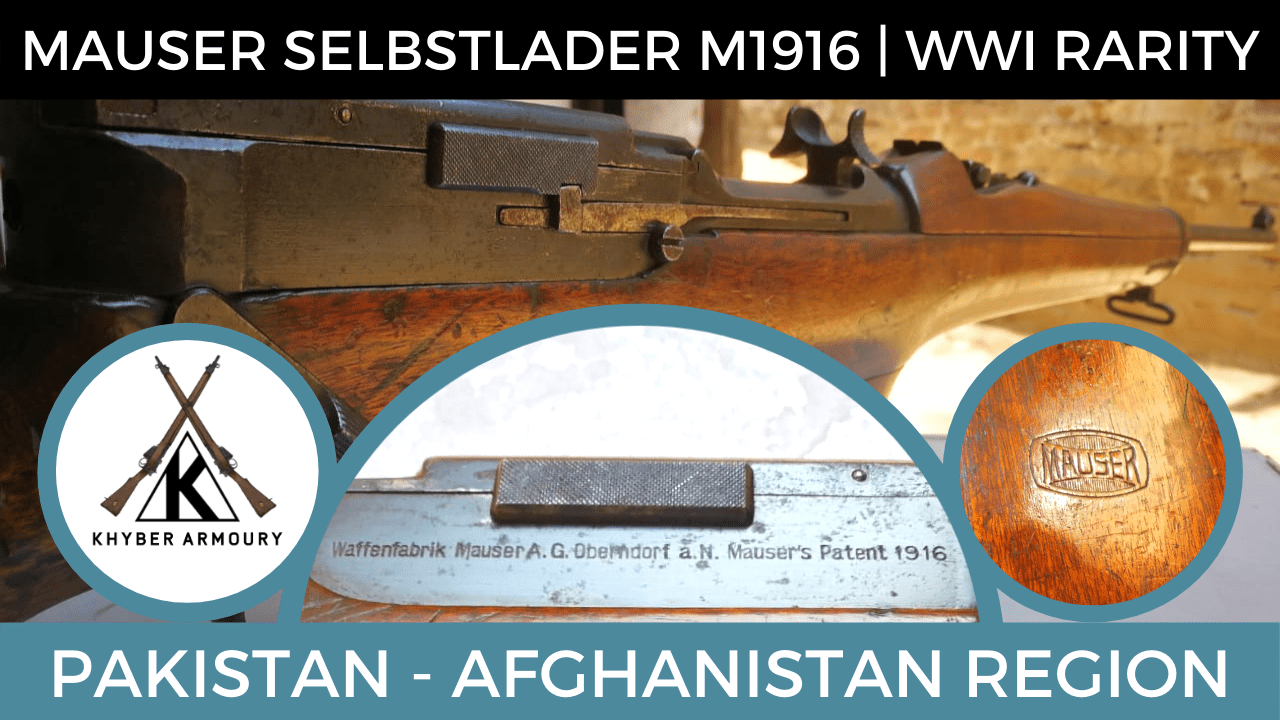
On our many travels to the gun markets and arms manufacturing hubs of Khyber Pakhtunkhwa, we’ve encountered many interesting firearms, some of which are the envy of collectors the world over. The latest example of one of these finds is one of the rarer and more valuable firearms we have come across. Several examples of World War One-vintage Mauser M1916 Selbstladekarabiner (self-loading carbine) have been found.
Syrian Civil War Crest Symbology: Comparative Conclusion
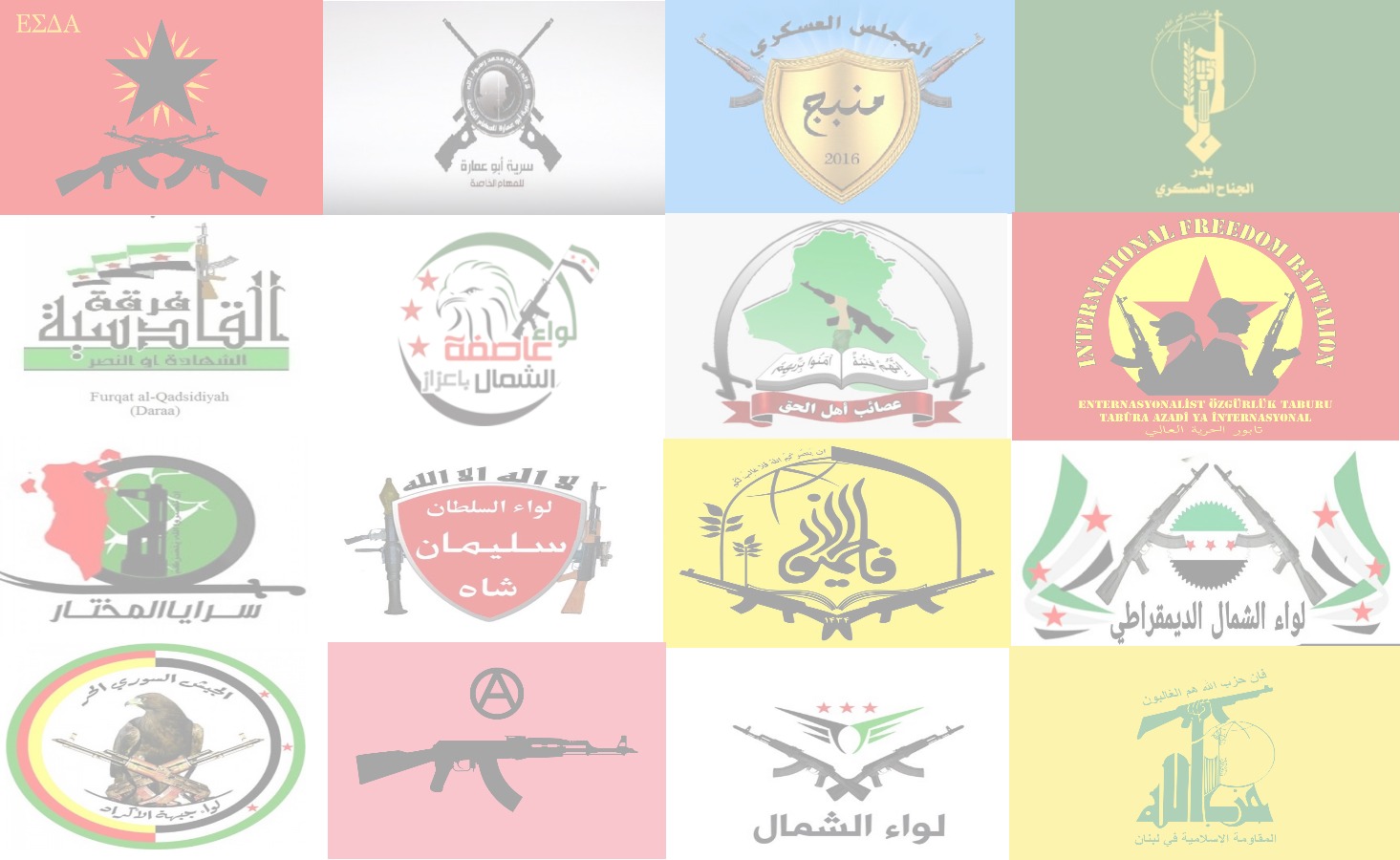
In this series we have examined Syrian armed groups from across the entire political spectrum who at one point or another during the war featured a firearm in their official crest. Our goal is to present a statistical overview of the small arms used in this military imagery and to share some interesting information I was able to deduce. You can find the first three parts of this series here, here and here. In this fourth and final part, we will make a comparative overview of all the political affiliations fighting previously focused on throughout the previous posts.
Ayalon Institute: Israel’s Early Clandestine Attempts to Manufacture Ammunition
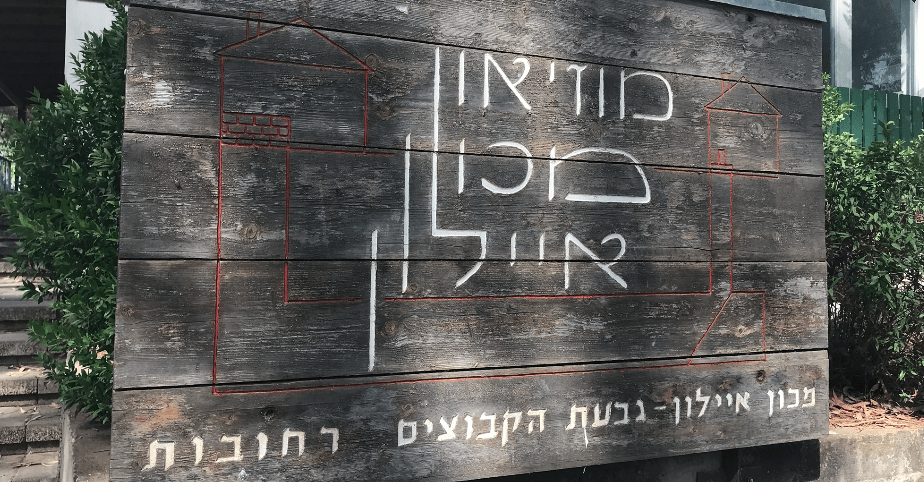
Israel’s fight for independence after the Second World War is filled with spectacular and courageous exploits as well as daring moves to thwart both the British government in Palestine and the subsequent Arab advances. One such story is that of the “Ayalon Institute” on Kibbutz Hill outside of the town of Rehovot, south of Tel Aviv. It was here that for several years after the Second World War, several million rounds of 9×19mm ammunition were produced for the Haganah under the supervision of Ta’as. A military industry wing that would later morph into Israeli Military Industries (IMI) after independence.
Syrian Civil War Small Arms Symbology: Syrian Democratic Forces in Rojava
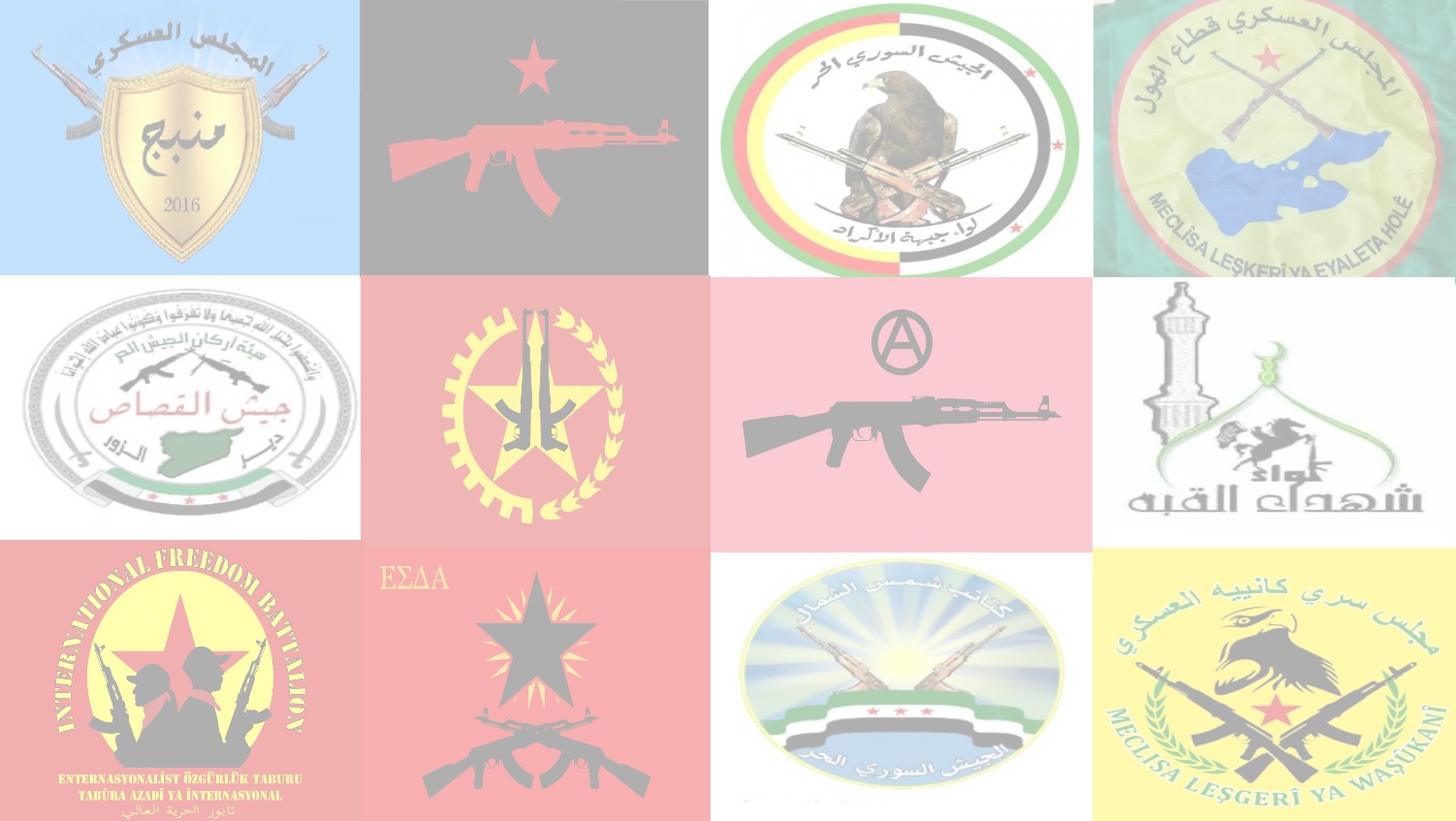
In this series we have examined Syrian armed groups from across the entire political spectrum who at one point or another during the war featured a firearm in their official crest. Our goal is to present a statistical overview of the small arms used in this military imagery and to share some interesting information I was able to deduce. You can find the first part of this series here and the second part here, the Opposition and Regime respectively.
Podcast V27: Gunning in Kurdistan, Kobra Tactical Training
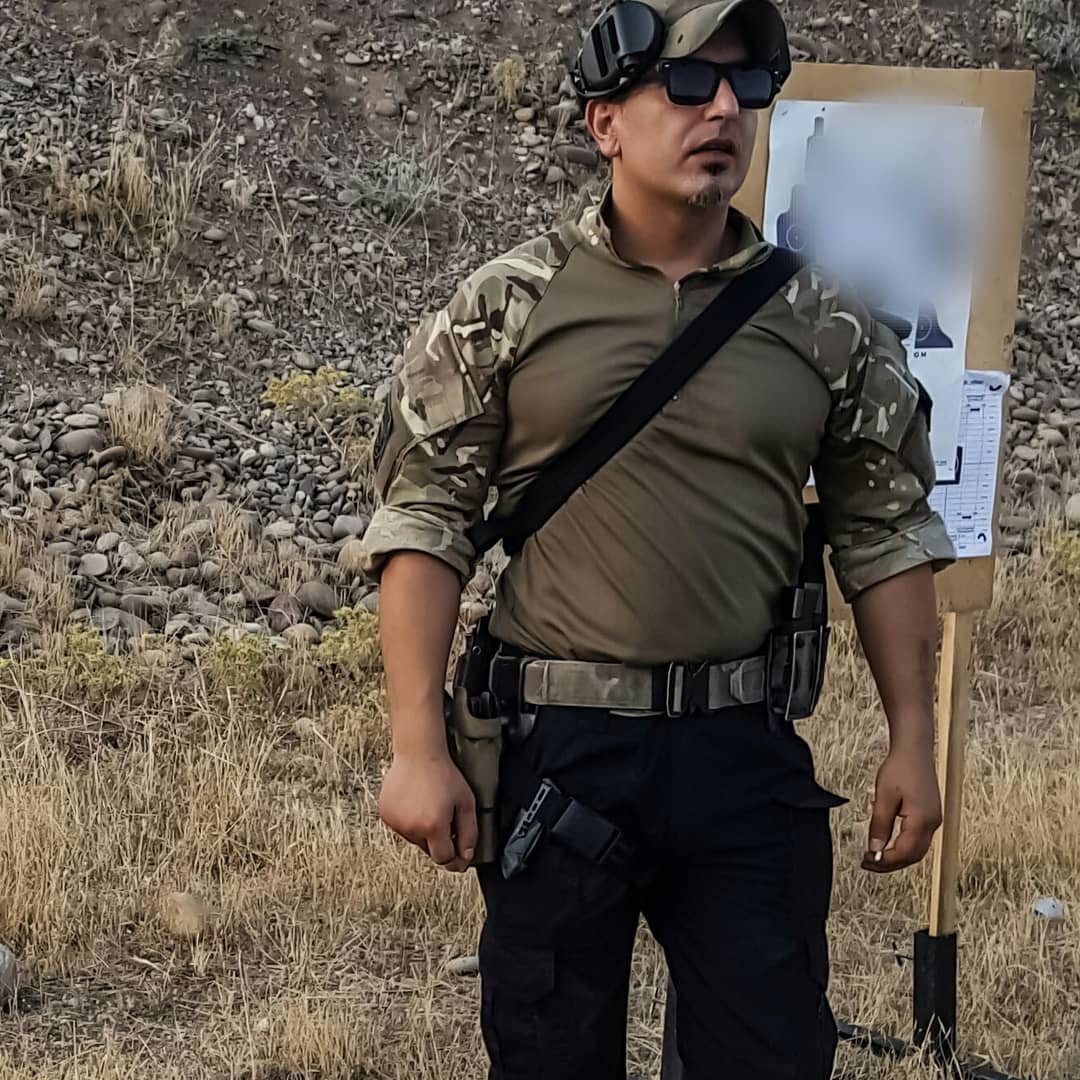
Welcome to the 27th episode of the Silah Report Podcast! We recently had the pleasure of speaking with Hamed, a Kurdish firearm instructor and contractor situated in Erbil. We discussed with him his history as a Kurdish contractor, the environment in Erbil for private security contractors and his project, Kobra Tactical. Through his project, he aims to give Kurdish security forces and shooters a chance to further their small arms marksmanship. He also explained to us the “cultural mindset” of many Kurds and their “resistance to modernization/adoption of better combat tactics”.
Britain’s WW2 PIAT Anti-Tank Weapon In Service With the Haganah In Palestine
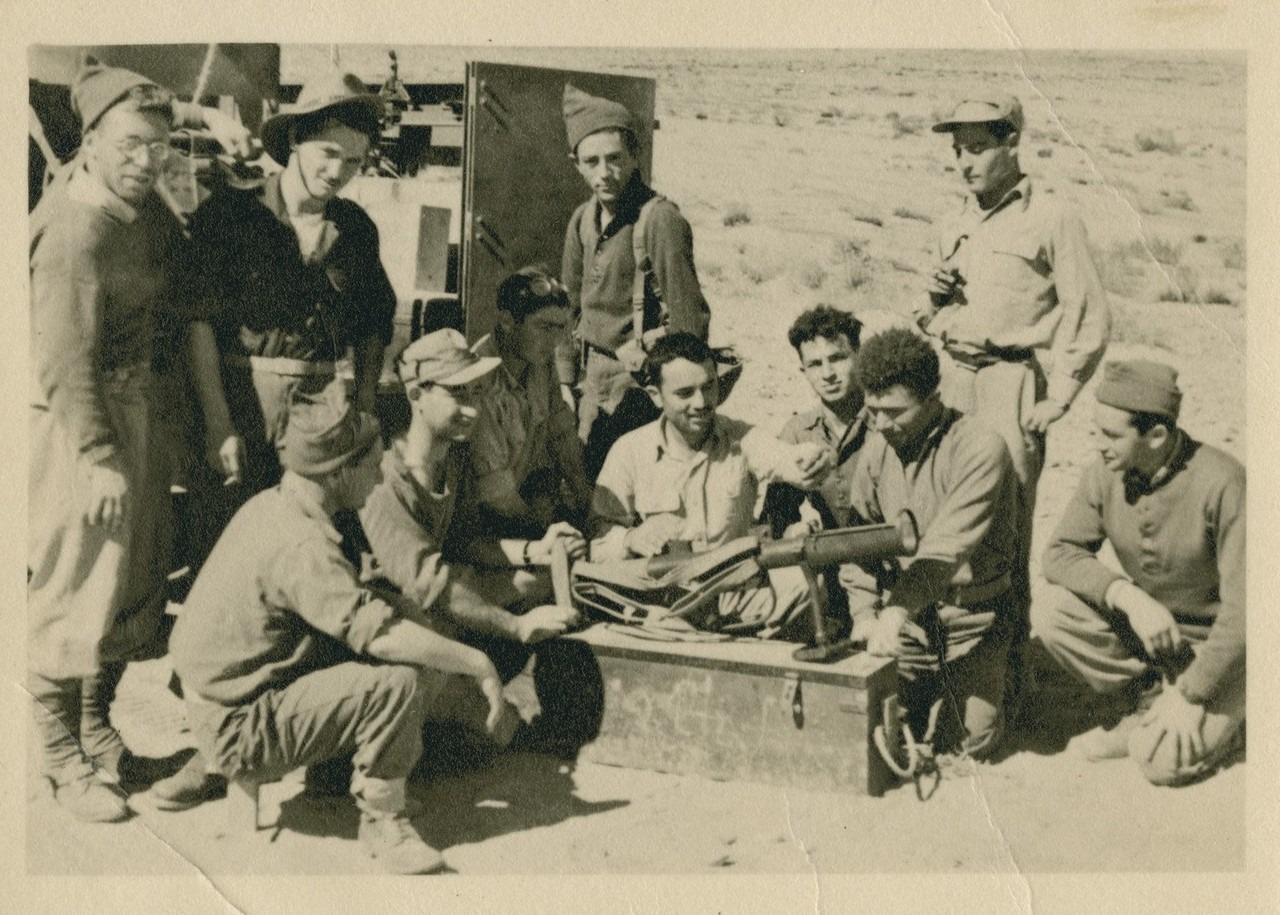
The Projector, Infantry, Anti-Tank or PIAT was Britain’s primary infantry anti-tank weapon during the latter half of the Second World War. Firing a 2.5lbs bomb containing a shaped charge warhead capable of penetrating armour up to 4 inches thick. During the Second World War, it equipped British and Commonwealth troops as well as arming resistance and partisan fighters behind enemy lines in Nazi-occupied Europe. Based on a spigot mortar system of operation it was largely obsolete with the refinement of rocket launched and recoilless rifle systems. Despite increasing obsolescence, it continued to see use after the war. In this article, we will examine its use by the Israeli Haganah during the 1947–49 Arab-Israeli conflict.
Israel’s Attempt at a 9mm Revolver
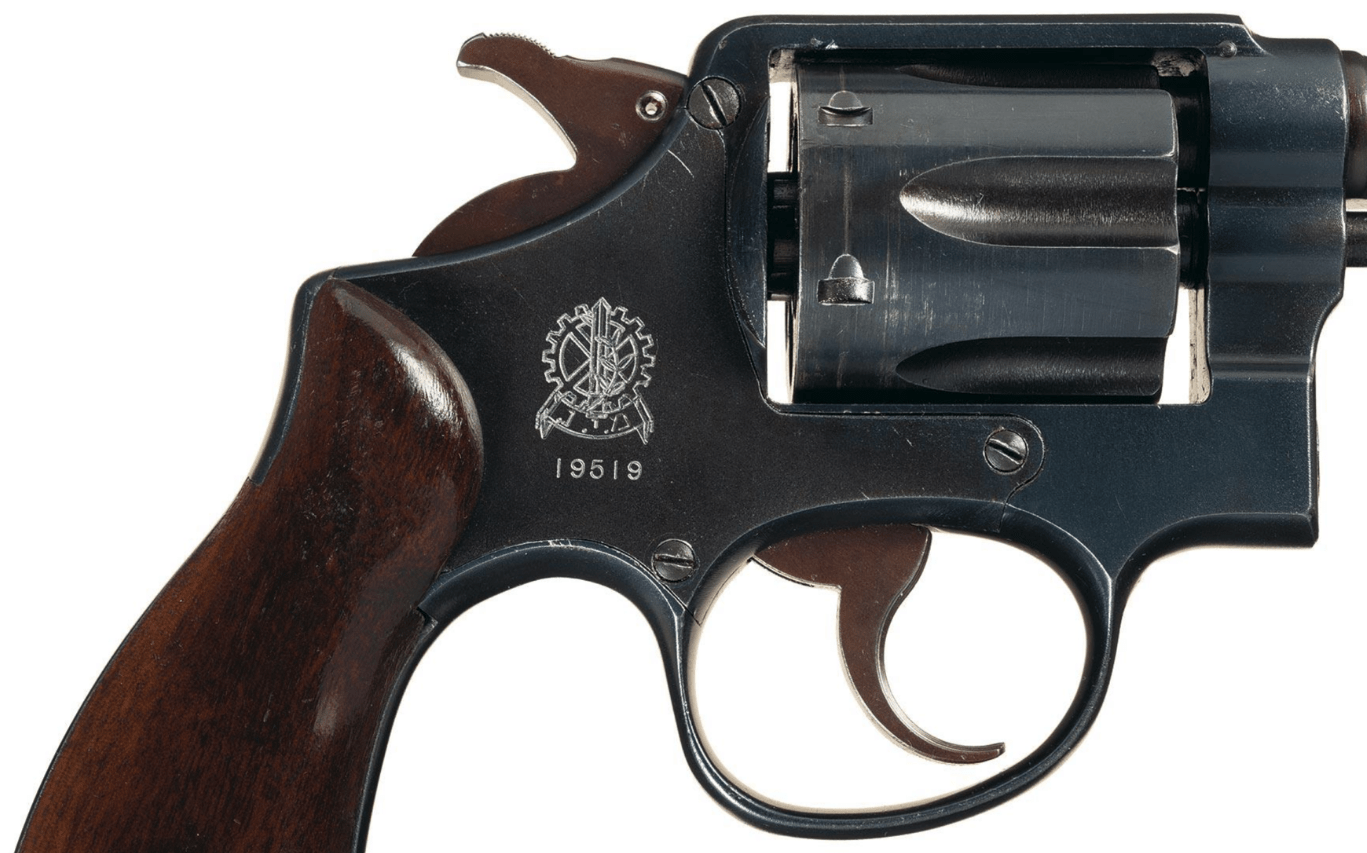
This article will examine what is known about a prototype revolver developed by pre-state defense organizations and the industrial group Ta’as in collaboration. This project started in the 1940s as an effort to design and produce a sidearm using the ubiquitous 9×19mm Parabellum cartridge. The proliferation of Sten guns throughout the region meant a sidearm of the same caliber would simplify logistics significantly for the Jewish underground. 9mm Parabellum was also readily produced in pre-state Israel (prior to 1948 in a covert operation that included the Ayalon Institute) so it was a logical choice in caliber.
Podcast V26 – Part Two: The Six Day War-War of ’67: The Spine Breaker
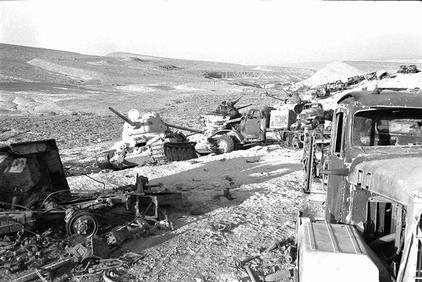
In this article we continue our interview with Egyptian artist Galal Abdo Hashem, you can find part one of this series, here. When we reached the Six-Day War and the War of Attrition in our interview with Galal, we tried to get all the possible details we could from him. In the end, he told us that he will speak about the notable incidents as he has many stories that would take months to cover.
Podcast V25: Ali – A Pakistani Firearms Collector
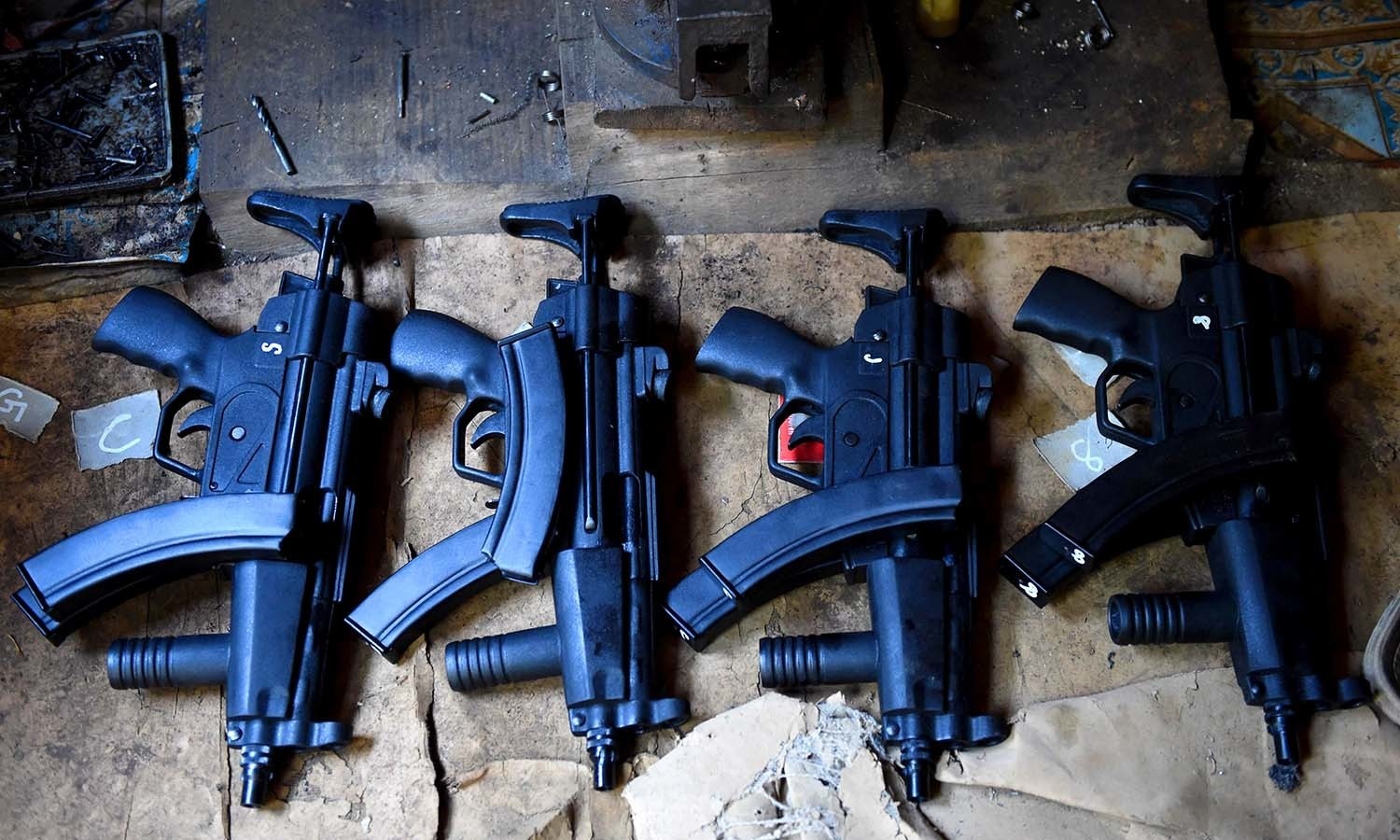
In this episode, we interview a small arms collector in Pakistan, Mr Ali. Ali has vast experience in the small arms market of Pakistan and was willing to share his knowledge on how it operates, the availability of certain weaponry and the price ranges, as well as the legal regulations and laws that are getting stricter in Pakistan.
He also runs an Instagram page, guns_pakistan, which shows his collection of armament and that of dealers he knows. Do check it out, you will not regret it.
The public SoundCloud version below includes the first thirty minutes of the podcast, our supporters on Patreon can access the entire interview, which is over an hour long. So if you haven’t already please support us in our mission to bring you the best examination of MENA small arms culture we can!