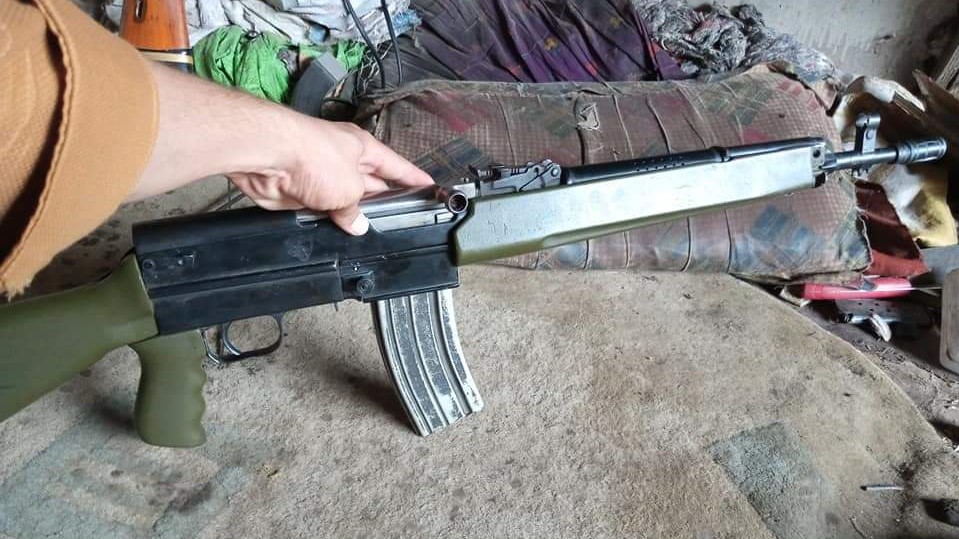
A friend of ours in the Pak-Afghan border regions within Pakistan recently shared a couple of photos with us showcasing a somewhat unique firearm. This was a highly modified SKS-pattern 7.62×39mm self-loading rifle, likely of Russian origin, and probably a left in the region after the Soviet-Afghan War. By now we should all be very familiar with the some of the wackier work coming out of the Khyber Pakhtunkhwa region and this was an interesting piece to see. It is highly unusual configuration to see an SKS-pattern rifle in and the work done to the weapon makes it quite unique.
Historical
Podcast V29: Michael – IDF Veteran Paratrooper of Yom Kippur War
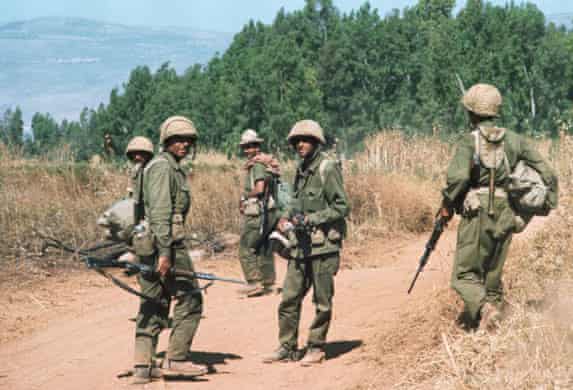
Welcome to the 29th episode of the Silah Report Podcast! We recently had the pleasure of speaking with Michael, a former veteran paratrooper in the Israeli Defense Forces who participated in the Yom Kippur War (known in the Arab world as The October War). Michael shared his experiences in the IDF starting with his training, which had a lot of surprises hidden for us, all the way up to his role in the Yom Kippur War in 1973. We also enquired about the types and origins of firearms he encountered during his service that his Arab adversaries had used. Later on, Michael would end up serving as a firearms instructor (specializing in Warsaw Pact weaponry) and after that a firearms specialist for a private firm.
Note: The views of the individuals we interview on the Silah Report Podcast represent themselves only and not the views of Silah Report. In Silah Report, one of our core tenets is to remain apolitical and unbiased when it comes to our research. Indeed, in Silah Report we have members from different ethnicities, religions, and political views. We do not let our personal convictions affect the quality of the content we provide to our audience and we do our best to provide you with the most accurate and unbiased information available.
Miles Vining & Ian McCollum of Forgotten Weapons Talk Iraqi Tabuk AK Rifles
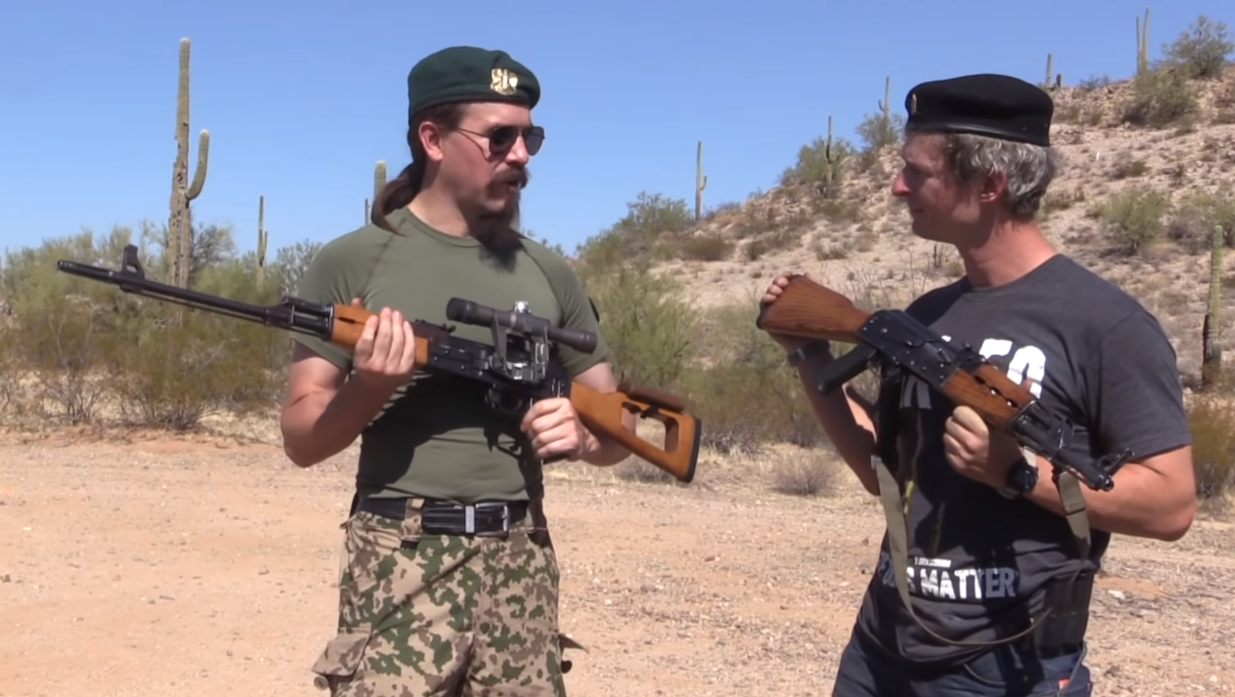
Miles joined Ian McCollum of Forgotten Weapons to discuss the series of domestically-produced Iraqi Kalashnikovs known as Tabuks. Largely based on the Yugoslav M70 they were produced from the 1980s up to the Coalition invasion of Iraq in 2003. Both rifles are provided by Two River Arms and like the original rifles both are chambered in 7.62×39mm. Iraq’s Al-Qadisiyah manufacturing facility produced these weapons as well as a less well known version of the 7.62×54mmR SVD. Miles and Ian do some shooting with the rifles, discus the Tabuks’ origins and share their thoughts on the rifles and their capabilities.
Podcast V26 – Part Six: From War to Another War: The October War, Abu Atwa Carnage, the Statue of Victory and the Pyramid of Peace
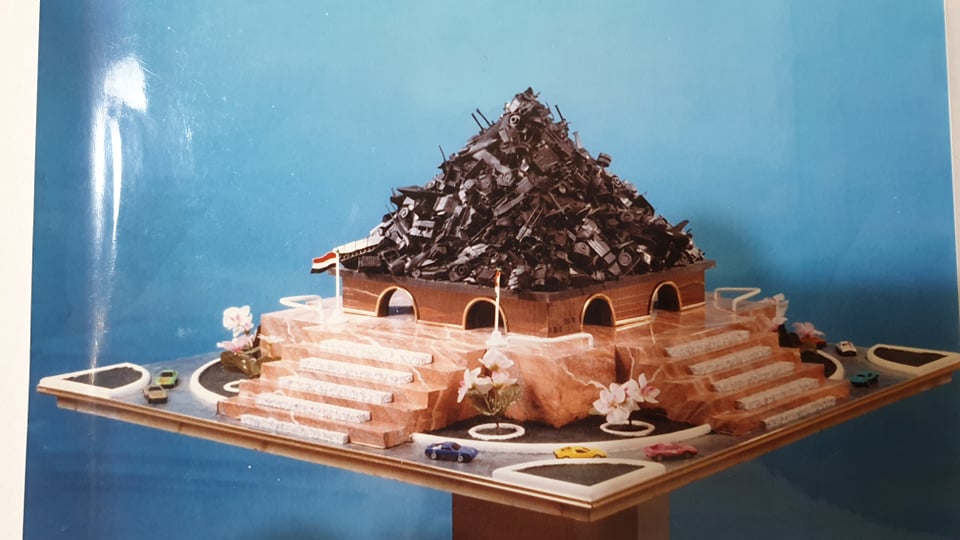
In this final part of our series looking at the work of Egyptian artist, Galal Abdo Hashem. If you missed earlier parts of the interview, you can find them here: Part One, Part Two, Part Three and Part Four. In this part we discuss the October War, the Statue of Victory and Galal’s future project – the Pyramid of Peace.
Podcast V26 – Part Five: The Statue of Defiance: Collecting Shrapnel and Speaking to Israelis
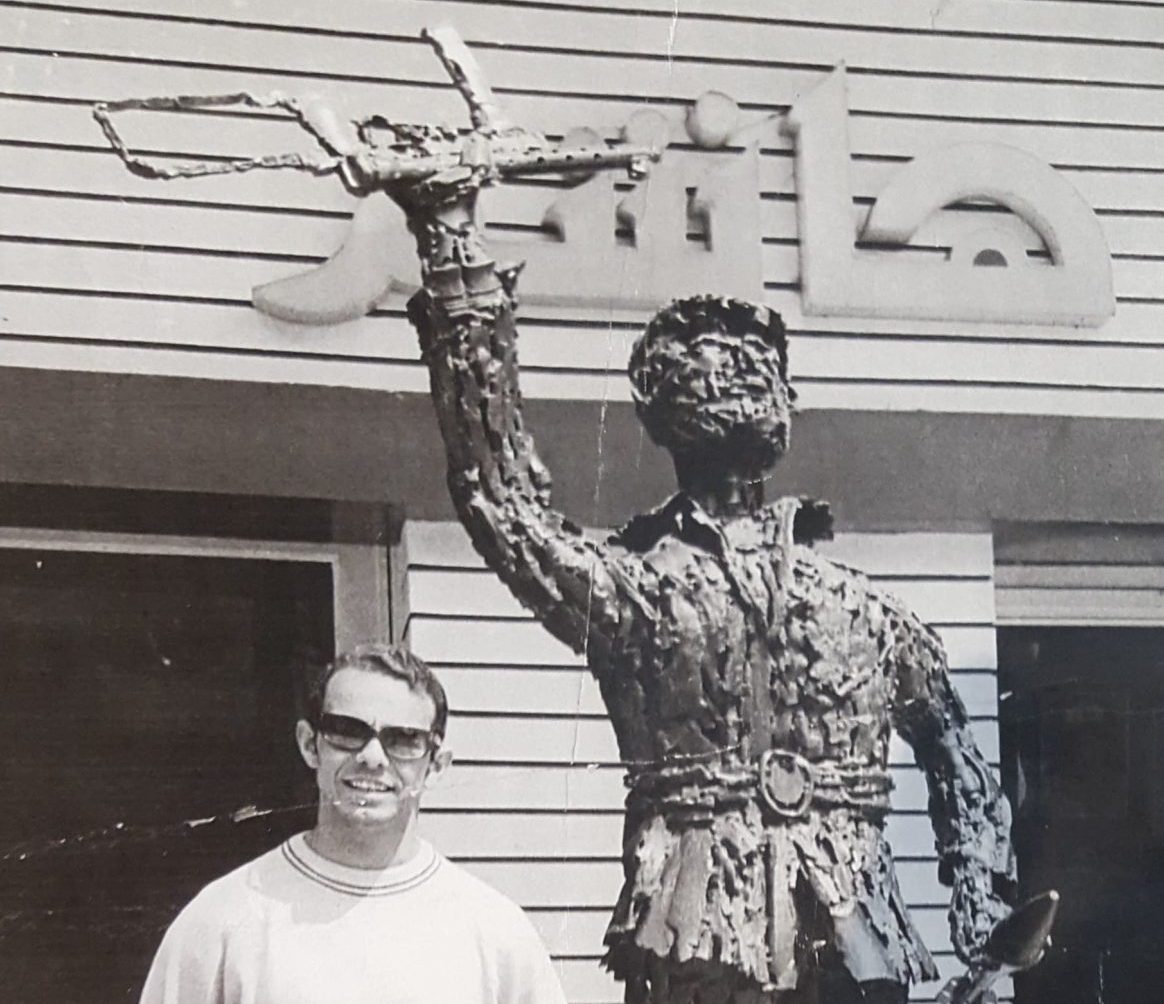
In this article we continue our interview with Egyptian artist Galal Abdo Hashem. In this part of our series we will examine Galal’s most famous work – the Statue of Defiance. If you missed earlier parts of the interview, you can find them here: Part One, Part Two, Part Three, Part Four.
Six Day War Tactics and Equipment: Sinai Front
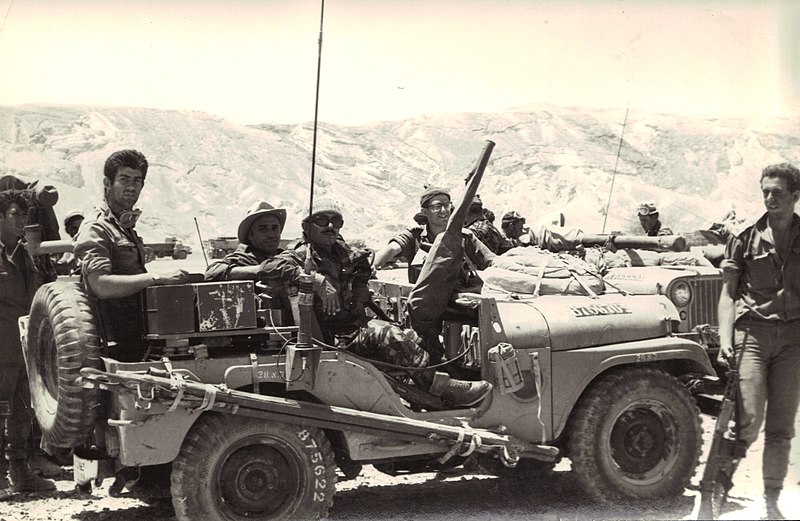
Israel’s infantry tactics had changed drastically since the 1955 Suez Crisis, in which Army Chief of Staff Mosha Dayan focused almost entirely on traditional infantry and airpower, neglecting armor and logistics. The British and French had significant success with armored assaults on Egyptian forces during the Crisis. This proved to Dayan that a strong mechanized infantry and armor corps would be the key to success for Israel in the inevitable future warfare over Sinai. Finkel and other commentators refer to this as the “cult of armored warfare”, which neglected defense for offensive capability entirely.[1] By the time the 6 Day War began, in 1967, Israel’s forces were better equipped but no more well trained than the army had previously been. This would prove to be a major issue.
Silah Report On Reaper Feed – Darra Adam Khel
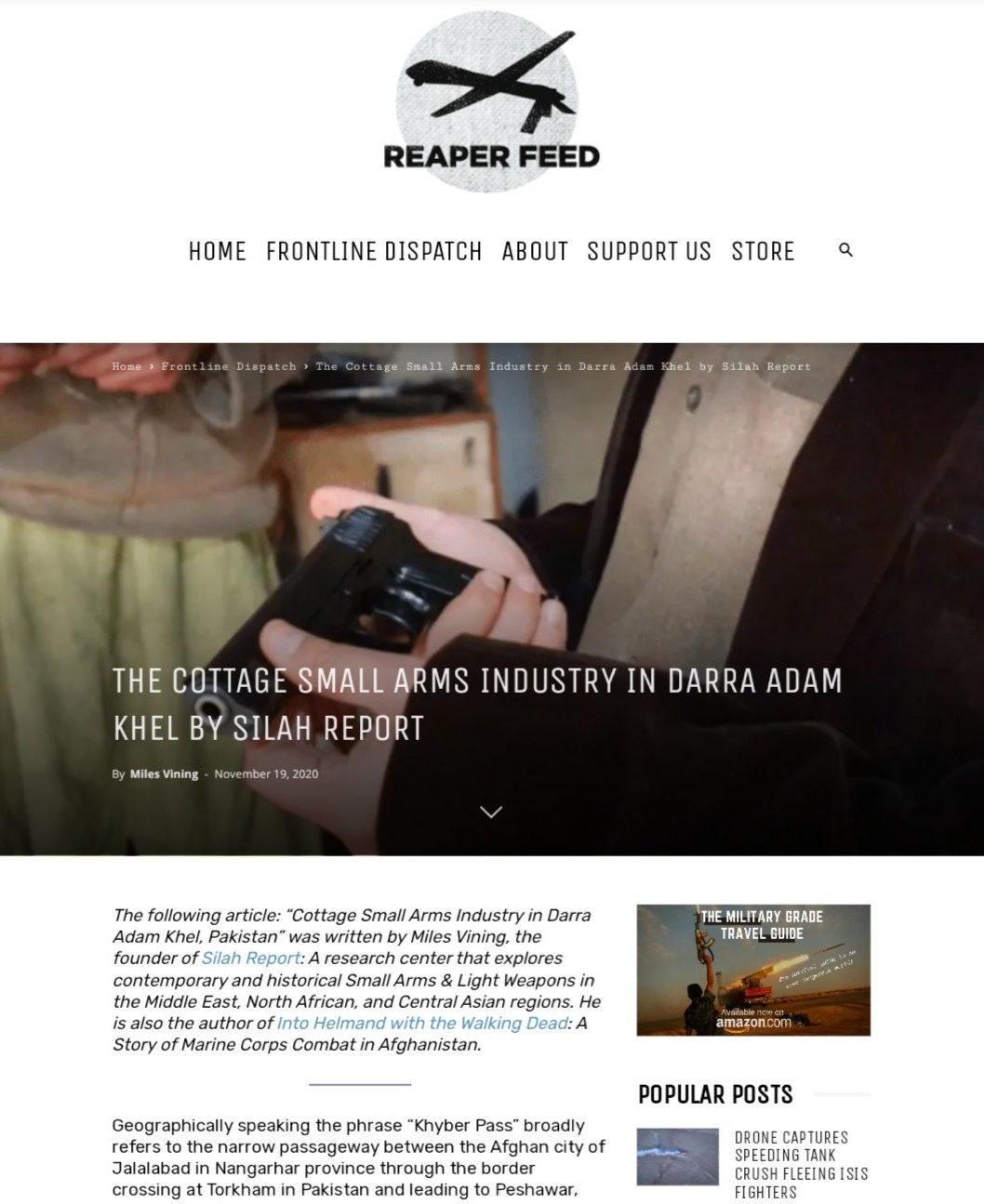
Miles Vining, our Khan in Chief, has written a guest article for Reaper Feed looking at the legendary ‘Khyber Pass region and its firearms history. Miles discusses the region’s history as a hub for handmade firearms, why the term ‘Khyber Pass’ is increasingly misrepresentative, and the importance of the region’s focal point Darra Adam Khel as a manufacturing hub that blends traditional and modern production methods. Miles looks at the culture, production methods and industry of Darra as well as how the region is continuing to change – as it always has – to meet new trends and demands within the local firearms culture.
Silah Report on High Caliber History Podcast
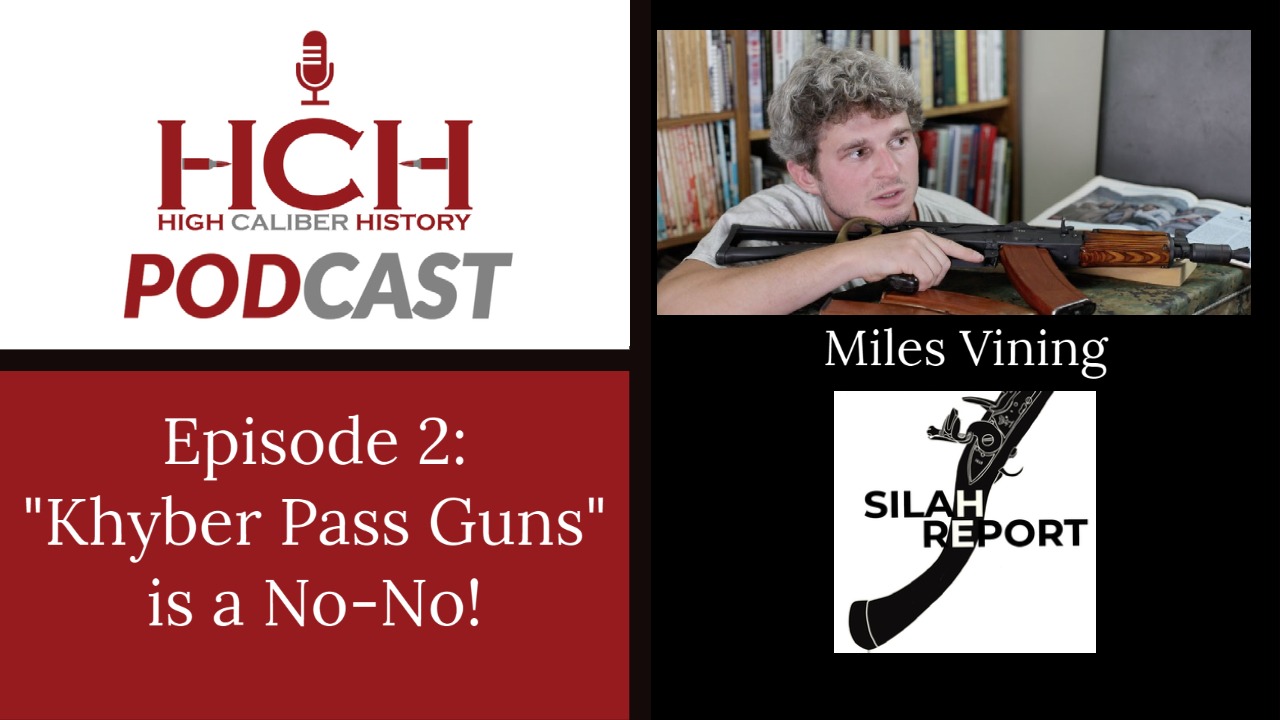
Our Khan in Chief, Miles Vining, was recently a guest on historian Logan Metesh’s High Caliber History podcast. The episode, titled “Khyber Pass Guns” is a No-No!, sees Miles and Logan discuss a whole range of subjects including the driving force behind Silah Report, Miles’ interest in MENA firearms and culture, why ‘Khyber Pass guns’ is a misnomer and Miles’ new book.
Here’s the description from Logan’s podcast:
Today’s guest is Miles Vining, one of the co-founders of Silah Report. He’s here to tell us why we should stop referring to Middle Eastern firearms copies as Khyber Pass guns, plus plenty of other great conversation!
You can buy Miles’ new book, Into Helmand with the Walking Dead, on Amazon.
Support the show on Patreon.
Snag some HCH merch or some HCH patches & stickers.
Be sure to follow us on Facebook, Instagram, Twitter, and YouTube.

If you enjoy our work here at Silah Report please consider supporting us on Patreon!
Podcast V28: Noori, The Iraqi Gun Engraving Artisan
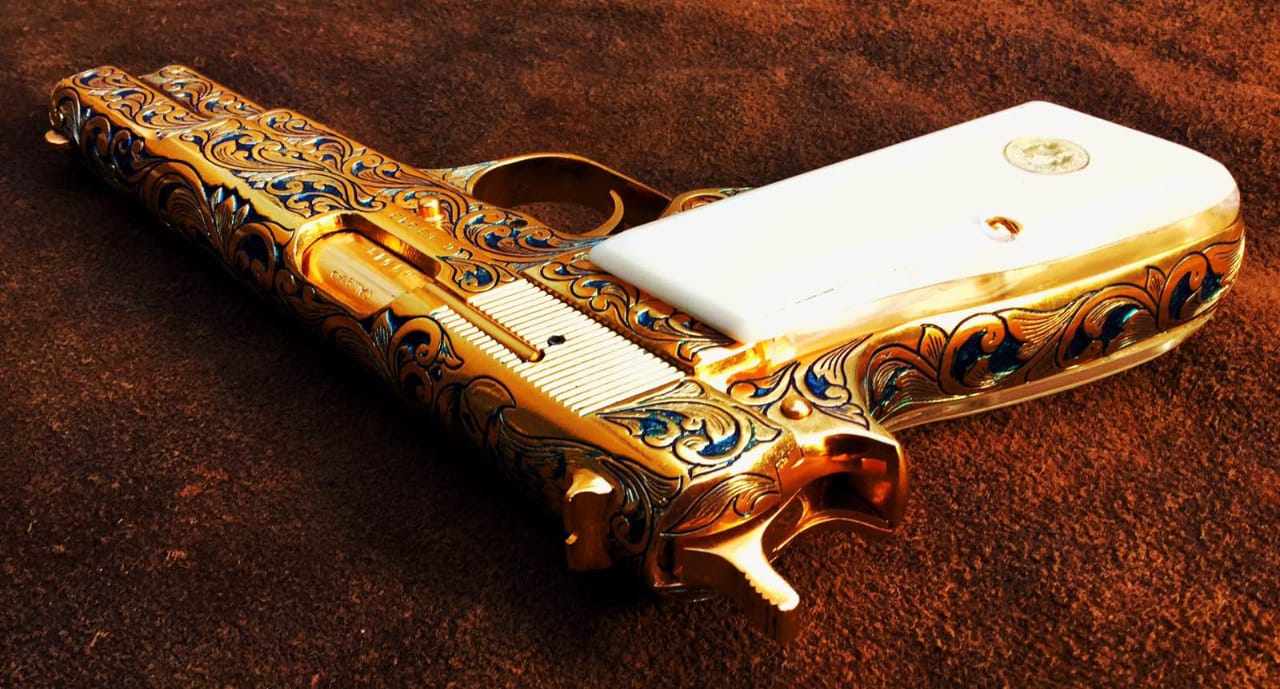
Welcome to the 28th episode of the Silah Report Podcast, we recently had the pleasure of speaking with Noori, an artisan who runs a business of handcrafting decorations on firearms in Iraq. We have covered Noori’s interesting work in past articles here at Silah Report. To say that the quality of his artwork is incredibly professional and its quality is extremely beautiful would be an understatement. In our interview with him, we enquired in-depth abut Iraqi gun culture, his background, how he entered the field, his business in a war-torn country, the challenges he faced and what does think the future holds for him.
The Captured Cannon of Kabul, 1879
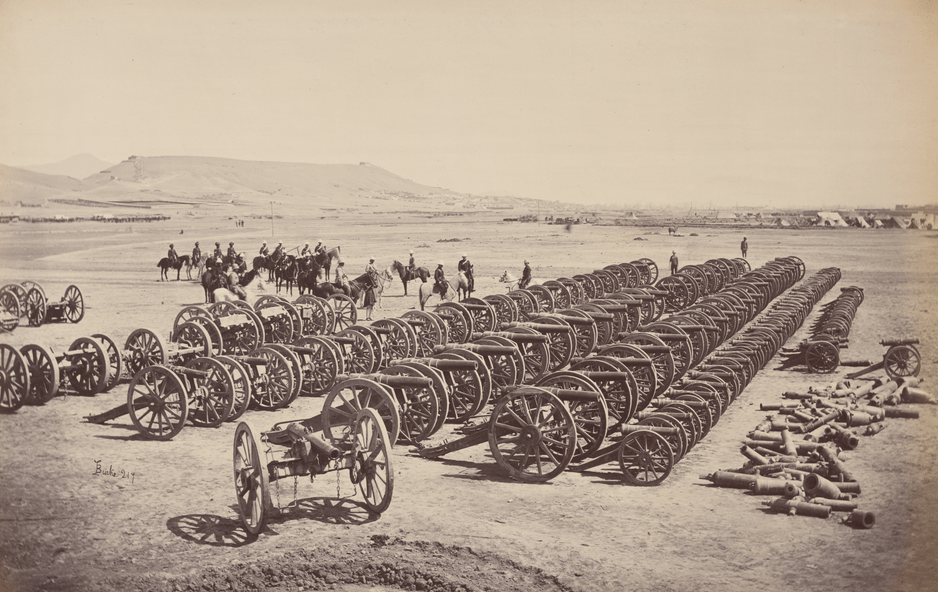
In 1869, the Emir of Afghanistan, Sher Ali Khan, began a process to rapidly improve the quality and quantity of artillery pieces in the Afghan Army. Informed by the experiences of the First Anglo-Afghan War (1839 to 1842) and internal territorial wars that he had previously fought, Sher Ali was determined to see his forces equipped with the latest rifled iron breech-loading guns. Whilst he was able to achieve this, his successes would be short-lived. Ultimately, failings in leadership and discipline would prove more important than his modernised guns.