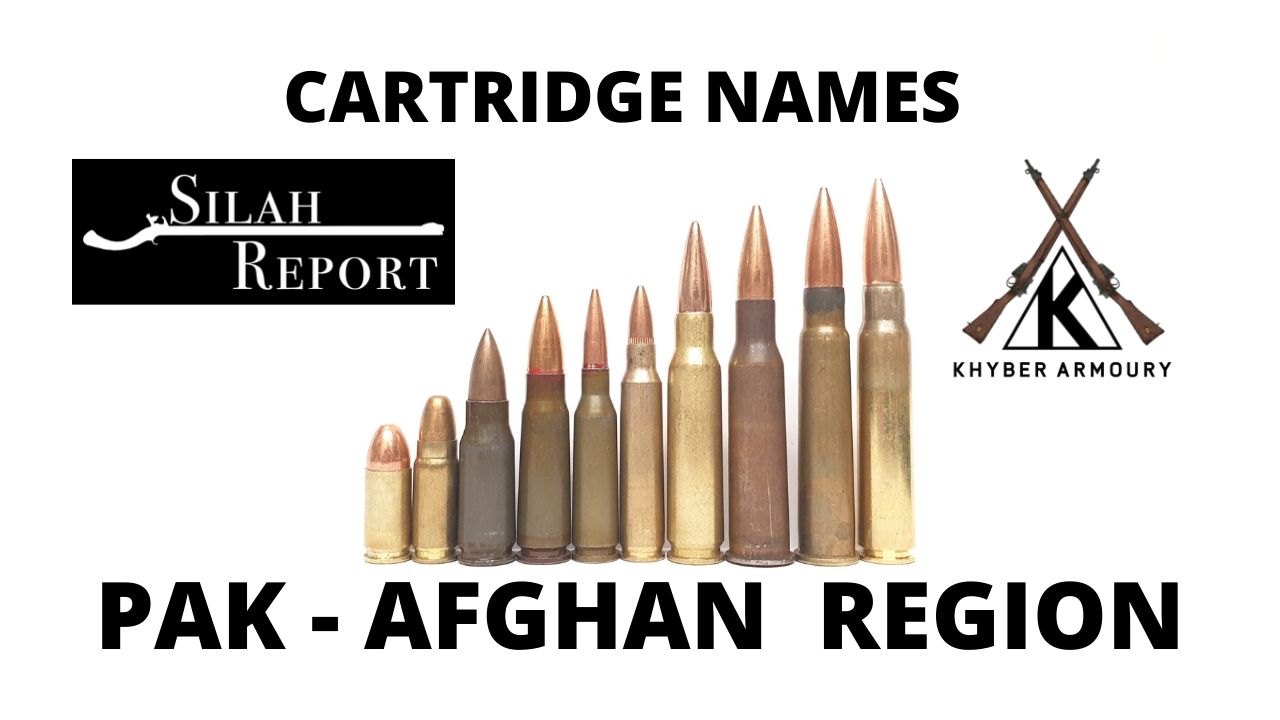
A cartridge or Bore / Goli as they are most commonly referred to as within Pakistan and/or Afghanistan, have held various names in the expansive Pak-Afghan region for decades. The most widespread and in current use is known to some; however, their etymology or source is unbeknownst to most. There are some names used which can be attributed to both a firearm and a cartridge, this can also be found to refer to multiple different types depending on a region. It is also important to note and understand that the sound, ‘V’, is mainly heard to be said as ‘PH’ with a pronounced H, because the ‘V‘ sound is not present in Pashto. Some speakers do pronounce the V as such, however, it is not common to hear it so. Let us cover the cartridges used, up to 12.7mm.
Historical
The Iraqi Al-Qadisiyah Sniper Rifle
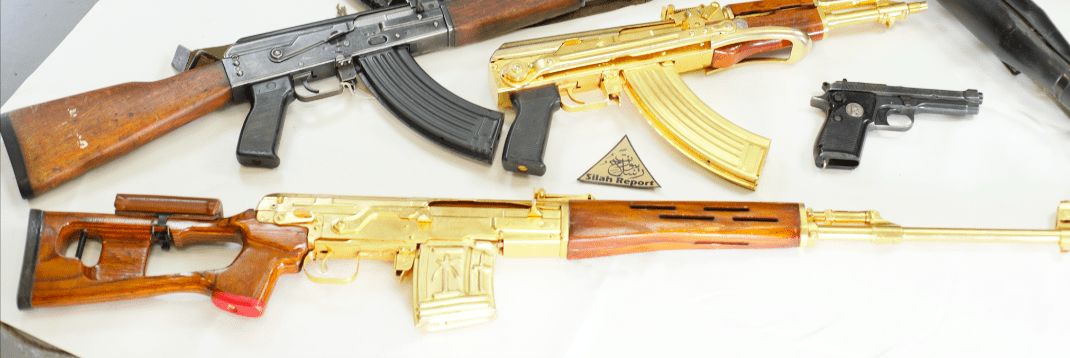
Perhaps one of the more elusive Dragunov-clones in recent small arms history, the 7.62×54mmR Al-Qadisiyah (or al-Kadesiah – depending on transliteration) precision rifle is one of only two precision rifles that Saddam Hussein’s defense armaments industry al-Kadesiah Establishments produced from the 1980s until 2003 (other being the 7.62×39mm Tabuk Sniper). Named after the 637 A.D. Battle of Al-Qadisiyah in which an advancing Islamic army fought against Persian Sassanian forces in what is now southern Iraq. Iraq’s indigenous small arms took their names after famous battles, commanders or important landmarks.
Stars and Rifles Part 2: Afghanistan’s Eight-Point Crest
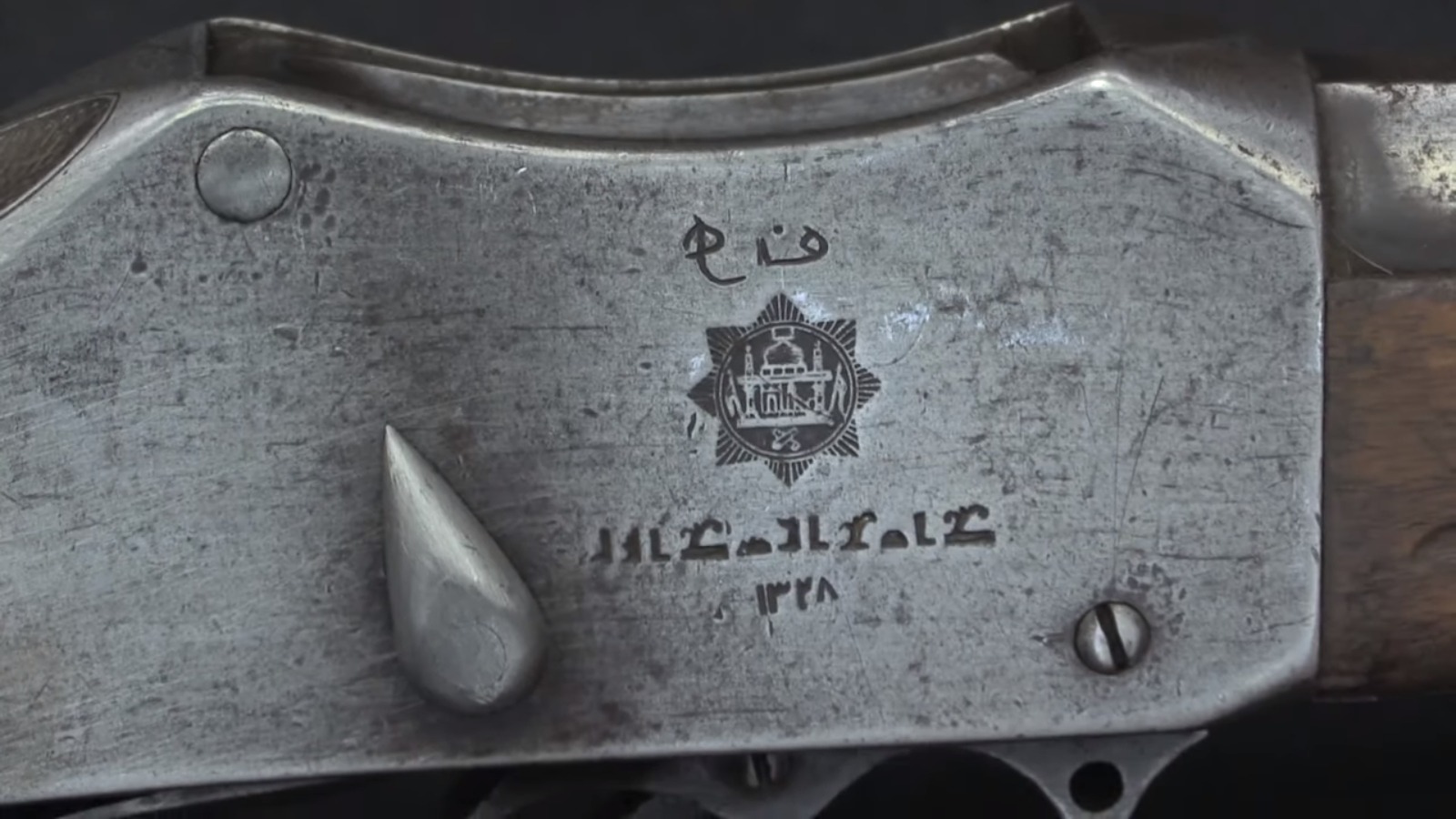
By 1879, the so-called Great Game between the Russian Empire and Great Britain over Central-Asia entered one of its final phases after the British victory in the Second Anglo-Afghan War. In the web of diplomatic and political maneuvers so apparent during this turbulent period, it was of paramount importance for the British Crown to keep the Russians at bay and reduce their influence on Afghanistan as much as possible. In this article, we will examine the markings on Afghanistan’s indigenously produced rifles.
The Demise of Al-Qadisiyah Establishments During the Invasion of Iraq
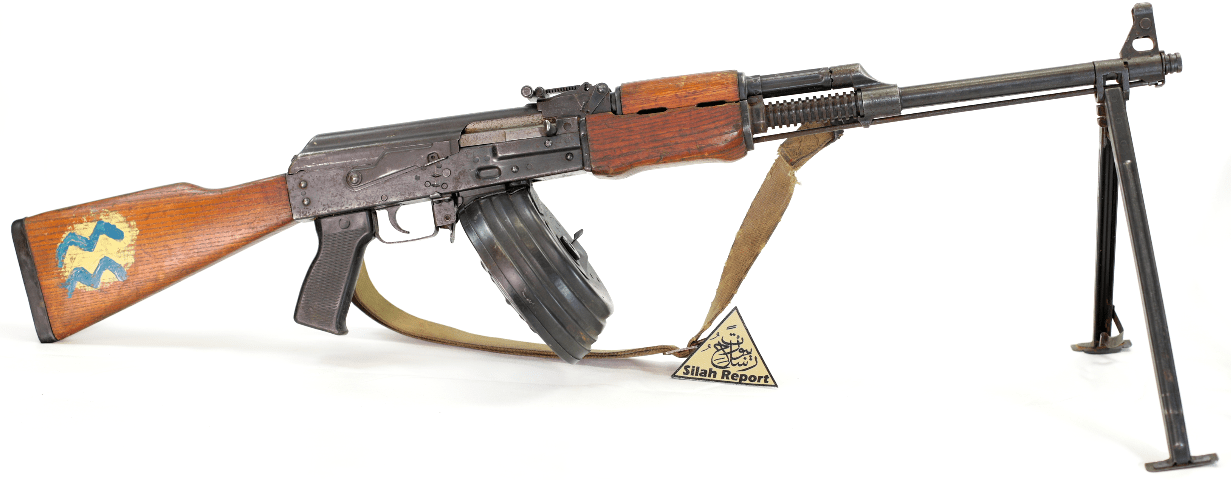
Roughly six months into Operation Iraqi Freedom, the commander of United States Central Command testified before the U.S. Senate Committee that, “there is more ammunition in Iraq than any place I’ve ever been in my life, and it is all not securable.” So, how can a country with a nearly limitless stockpile of weapons and the indigenous Tabuk production facility also be the birthplace of such arcane rifles? Operation Iraqi Freedom changed the Iraqi black market arms trade forever and, in a matter of two months, turned Tabuk rifles into artifacts only found in history books, obscure sales, and black-market trading.
A Brief History of the Ramadan Cannon
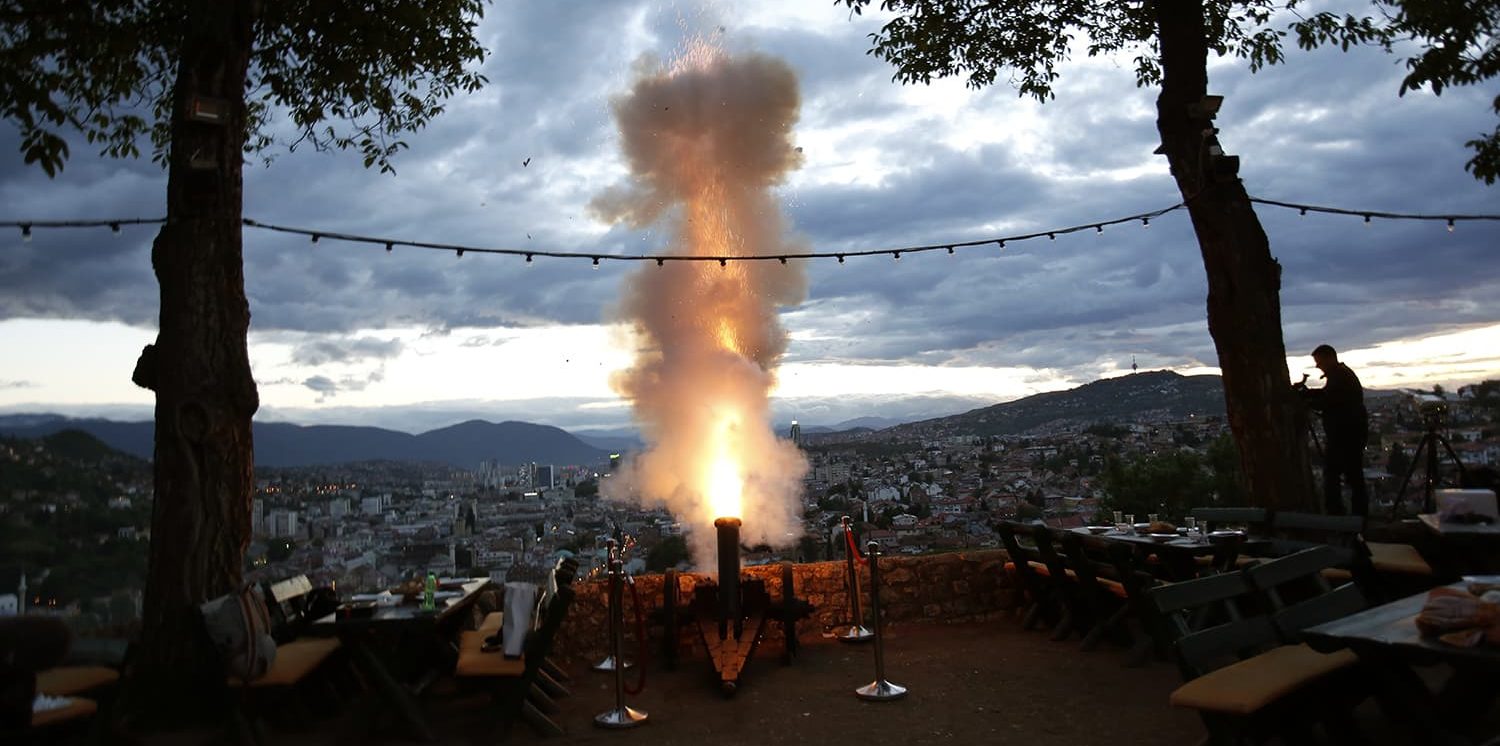
The sun slips slowly and majestically behind the horizon, heralding the end of the Muslim fast. Yet another day on the Ramadan-calendar crossed out. Since everything in this day and age runs like clockwork, fasting Muslims glance impatiently at their watches and clocks spread throughout the house awaiting that exact time of the sun’s setting. Historically, however, there has been another, louder, more spectacular method of announcing ifṭār – the firing of a cannon.
The STEN Gun: Darra & Khyber-Pass Edition
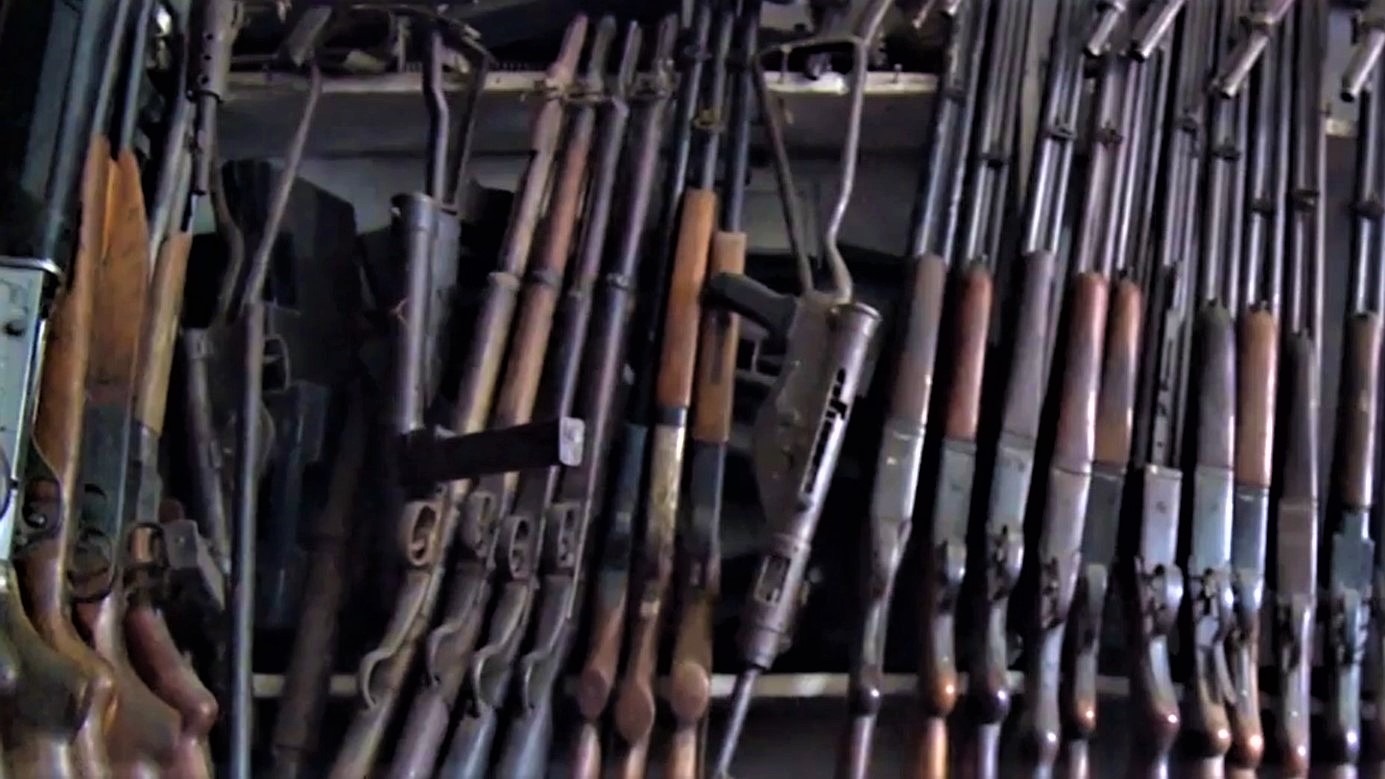
The British STEN 9×19mm submachine gun, is one of the iconic firearms of World War Two. The weapon’s name comes from the names of the weapon’s main designers: the ST from Major Reginald V. Shepherd and Harold Turpin, with the EN from the RSAF Enfield arms factory where it was developed. With over four million, of various patterns being made during World War Two, this was once a firearm which could be easily found. It was a cheap, simple and relatively reliable design, born of necessity rather than anything else. It was such a crude and rugged piece of kit that it was famously nicknamed the ‘Plumbers nightmare’ amongst others.
A Look Back in Time: Darra Adamkhel During The Soviet-Afghan War – 1983
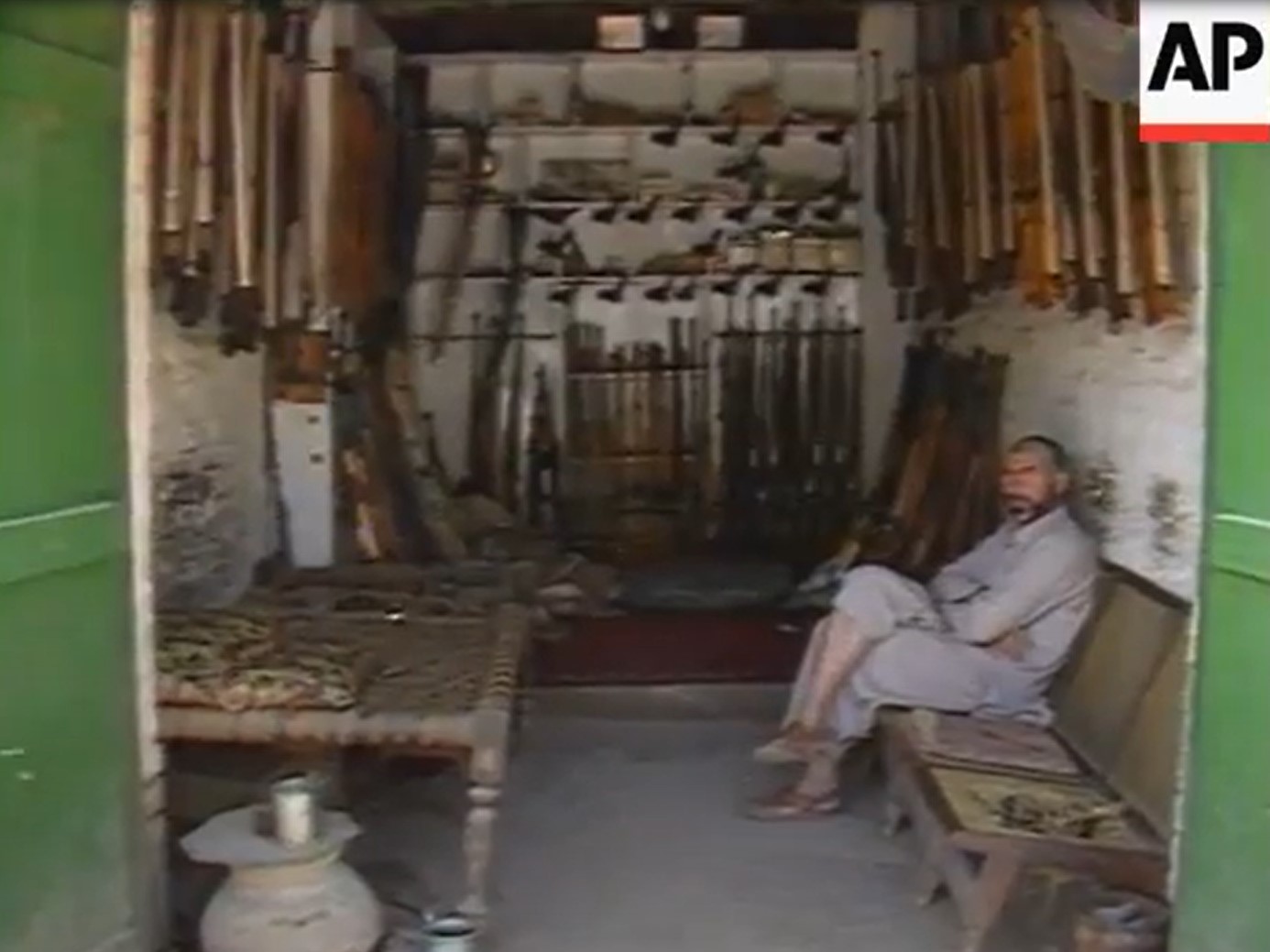
The focus of this article is a video which has been around for some time, yet seems to be somewhat obscure. So far, I have yet to see it shared amongst the firearm community interested in the Pak-Afghan region’s cottage manufacturing of small-arms. A total of 37 years, as of 2020, have elapsed since it was made and although the quality isn’t great, it is a glimpse into the distant past, a look at what process are still the same and what has changed since then.
The Gun Designer that started Jordan’s JAWS: Wildey’s Here by Wildey Moore

“Wildey’s here.” Not only is this the line uttered by Charles Bronson in 1985’s Death Wish III, which served to introduce the world to the Wildey Survivor pistol, but it is also the title of Wildey Moore’s autobiography (Independently published in 2019). Some of our readers may already be aware of Wildey Moore, and his work in the firearms industry. Not only has he designed iconic pistols he was also responsible for founding Jordan’s JAWS state arms factory.
Stars and Rifles Part 1: Ottoman Hexagram Proof Marks
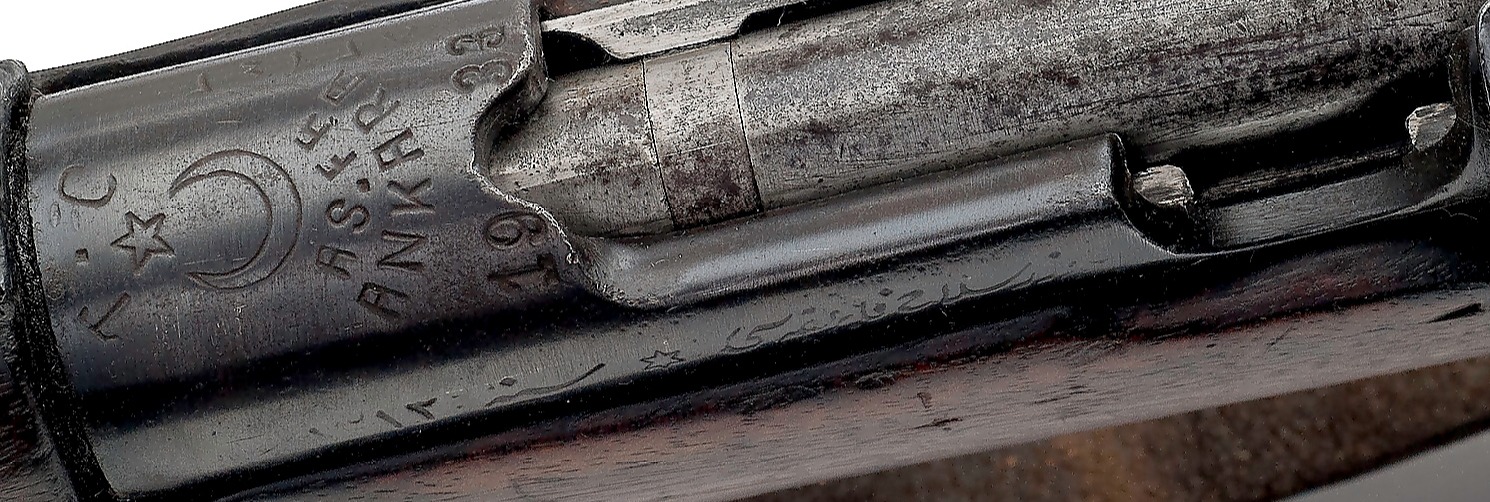
One of the peculiarities of a front line soldier’s life throughout the history of increasingly intense warfare is the heightened susceptibility to superstition and the supernatural, expressed through a plethora of different talismans, charms and other curious oddities. One might think of the strange British Touch Wud [wood] charms of World War I, the lucky rabbit feet worn by American soldiers in Vietnam or Japanese charm pouches worn during World War II. It is a common occurrence across all civilizations to feel shielded by the pretense of spiritual protection, as fleeting and illusory as it may seem. When the flesh is at its most vulnerable, man seeks different ways to somewhat dampen the fear for the imminent threat of death and disfigurement.
Silah Report on the War College Podcast

Recently Silah Report’s co-founder Miles Vining and Adham Sharif, author and host of Silah Report’s own podcast, had the pleasure of appearing on the War College Podcast where they discussed Silah Report’s work, the cultural significance of weapons in the MENA region and just what a gold plated AK-47 can tell us about war. War … Read more